
Conseils déco
What size cushion to choose?
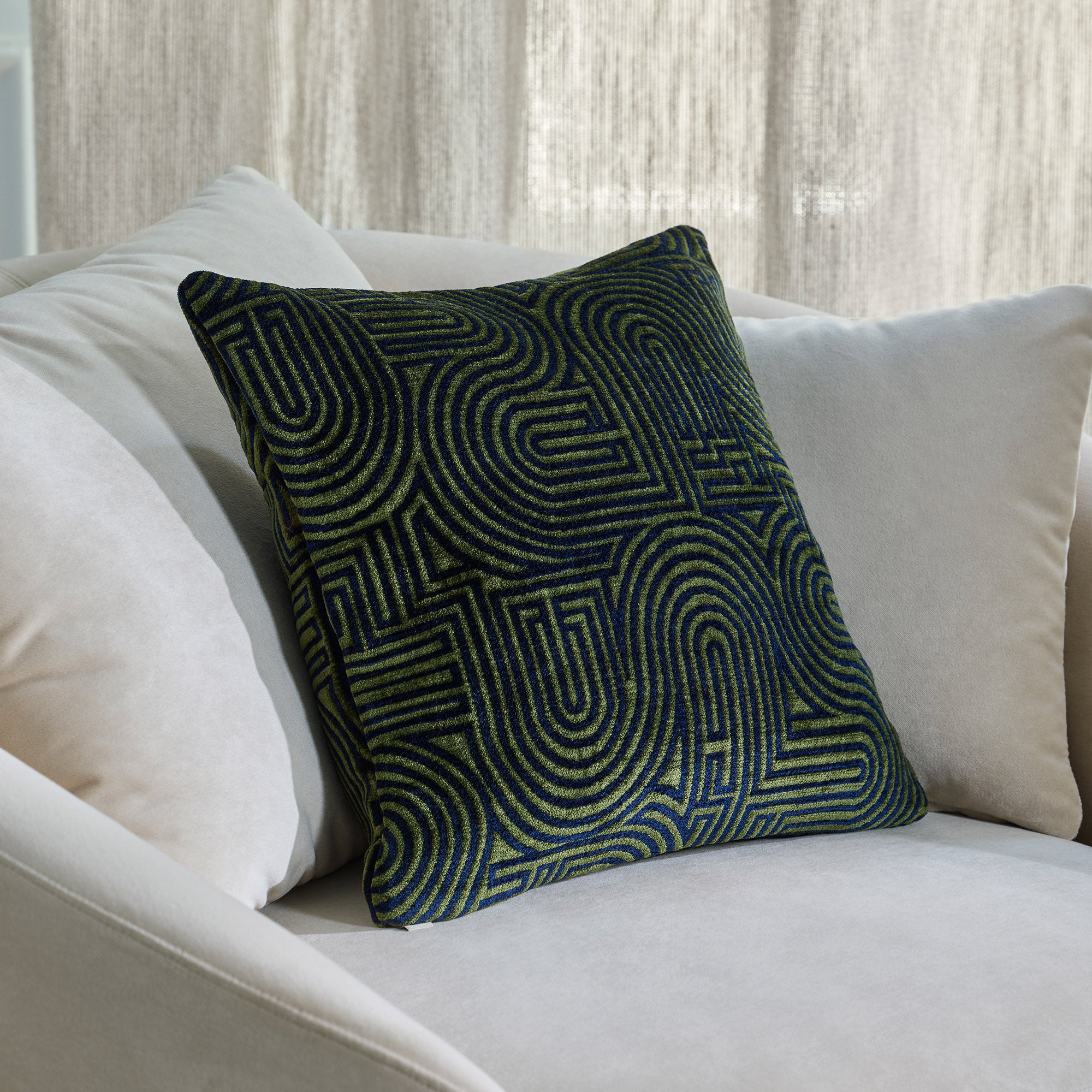
The ideal size of a cushion depends on the support (sofa, bed, armchair), the desired effect and the proportions of...

Madura customer service
Available on WhatsApp, by chat or by phone at 01 42 34 99 59

All the tips and tricks from our team, just like in store, delivered straight to you.
All articlesMost searched articles



Conseils déco

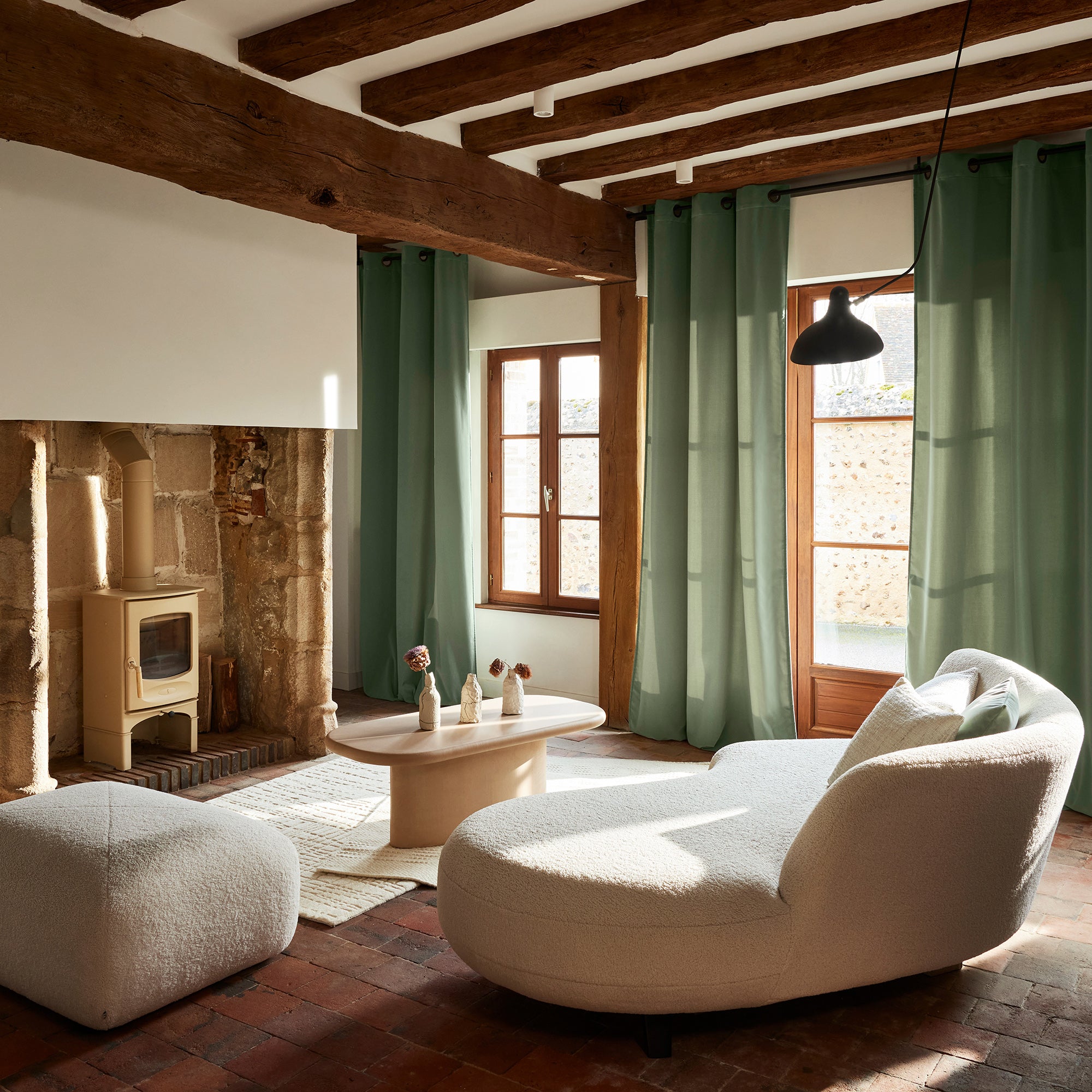
Setting up a small living room is a balancing act: you have to maintain fluid circulation while creating a friendly space. The pouf, whether it is a stool, chest or soft cushion, offers a discreet and versatile solution. Compact and lightweight, it provides an extra seat, a footrest or even a coffee table once topped with a tray. To choose the perfect model, you need to think about the use, dimensions and style in order to naturally integrate this element into the entire room.

A beanbag is more than just a floor cushion. In a cramped living room, it advantageously replaces a chair or an armchair thanks to its reduced size and its mobility. Some models include hidden storage spaces, allowing you to store blankets, magazines or toys. Others transform into a side table when you place a tray on it, or into a footrest to extend the comfort of the sofa. Soft beanbags, filled with foam or polystyrene beads, offer an enveloping and light seat that can be moved effortlessly. This “nomadic” spirit is particularly sought after in small spaces where every centimeter counts.
Before choosing a model, it is useful to know the main categories of poufs suitable for small living rooms:
Storage pouf : it looks like an ottoman with a lid. The interior contains a compartment where you can store cushions, throws or magazines. This type of ottoman provides two functions: seating and storage. It is ideal for a minimalist living room where visual clutter must remain limited.
Pouf stool : equipped with wooden or metal legs, this model is reminiscent of a small backless armchair. Its stable shape allows it to be used as a side table with a tray, while remaining easy to move. It is suitable for Scandinavian or contemporary styles.
Soft pouf or “bean bag” : made up of a bag filled with foam or beads, it conforms to the shape of the body and provides relaxed comfort. Bean bag chairs are particularly popular for small spaces because they can be shaped and tucked under furniture when not in use.
Foldable or inflatable beanbag : these models fold up or deflate to be stored in a cupboard. They are practical for occasional guests or for transforming a small living room into a spare bedroom.
Convertible pouf : some ottomans unfold to form an extra mattress or a small bed. This is an interesting option in a studio or for occasional entertaining without investing in an imposing sofa bed.
Multifunction pouf : models combine several functions, such as a chest with soft seat and removable tray. They are designed to optimize every square meter.

In a small living room, the dimensions of the ottoman must be in line with the available space and the height of the sofa. Specialist guides recommend heights between 35 and 50 cm and diameters or widths between 40 and 60 cm in order to preserve smooth circulation. Round or square shapes promote circulation and avoid sharp angles. A narrow rectangular ottoman can be positioned along a wall or used as a bench at the foot of the bed.
To avoid visually cluttering the room, it is advisable to measure the space in front of the sofa and leave a passage area of 30 to 40 cm around the ottoman. In a living room with a corner sofa, you can place two small poufs side by side rather than one large volume; this modularity allows them to be moved according to needs.
The choice of materials influences both the aesthetics and durability of the pouf. Here are the main coatings to consider:
Leather poufs bring an elegant and warm touch to a living room. Leather is durable and resists wear and tear, but it is more expensive and requires regular maintenance. Faux leather alternatives offer a comparable finish at a lower cost. In a small, busy living room, choose full-grain leather or good quality imitation leather to avoid scratches.
Fabric poufs (cotton, linen or polyester) are versatile and easy to match with a sofa. Models with removable covers make maintenance easier and allow you to vary the colors according to the seasons. Linen provides a natural, breathable texture; it is particularly suitable for Scandinavian or bohemian interiors. Thick fabrics are preferred for better fit and comfortable seating.
Coverings in smooth or corded velvet and looped wool create a cocooning atmosphere. These materials offer a soft texture to the touch and a beautiful depth of color. They work well for small ottomans used as decorative accents. In a refined living room, a velvet pouf brings a luxurious and warm note without taking up too much space.
The knitted pouf, often made of chunky knit, has become a trendy accessory. It offers an artisanal and warm appearance while remaining light. Its mesh gives flexibility which allows the pouf to be easily moved. Crochet or macramé models also work very well in a small bohemian living room.
For versatile use (living room, balcony, garden), some poufs are made of waterproof fabrics or polypropylene. They are lightfast and easy to clean. These models are suitable for small apartments with a balcony where you want additional outdoor seating.

The design of the pouf should be consistent with the style of the living room. Scandinavian models are characterized by light wood legs and clean shapes, while industrial ottomans feature aged leather or black metal. Bohemian poufs use ethnic weavings, macramé or warm colors. A simple rule is to use a color already present in the room to create a reminder. Light shades (beige, light gray, pastel) visually enlarge the space. A colorful or textured ottoman can also serve as a focal point if the entire room is neutral.
To reinforce coherence, combine the pouf with cushions or a throw in the same palette. A tray placed on the ottoman can transform it into a mini living room table; be sure to choose a stable platform that is slightly smaller than the surface of the seat.
Measure and anticipate traffic : before purchasing, take the measurements of the living room and the sofa. Leave at least 30 cm between the pouf and the rest of the furniture to ensure passage. Avoid models that exceed the height of the sofa seat so that the whole remains harmonious.
Favor multifunction : opt for an ottoman with storage or convertible into a table or bed. These 2‑in‑1 models allow you to optimize use without multiplying furniture. A storage ottoman will help you keep your living room uncluttered by storing throws and magazines.
Combine several small poufs : two or three small poufs can replace a coffee table and serve as additional seating. You can scatter them or group them into an island depending on the configuration of the living room.
Choose suitable colors and textures : in a small space, choose light tones and light materials so as not to weigh down the atmosphere. Vary the textures (velvet, linen, knit) to add relief without being visually overwhelming.
Provide easy maintenance : check that the cover is removable and washable, especially if the pouf is used daily. For fragile coverings like velvet, dust regularly and avoid direct exposure to sunlight to preserve the colors.
Choosing a pouf for a small living room is a matter of measurement and consistency. Here are some common pitfalls:
Opt for a model that is too big : a disproportionate ottoman stifles the space and hinders circulation. Follow the recommended dimensions.
Neglecting the main use : a very light decorative pouf will not be suitable as a side table. Think about daily use (seating, storage, table) before buying.
Choosing dark colors in a small space : Although black or burgundy looks elegant, they visually shrink the room. Prefer light or pastel tones.
Underestimating maintenance : wool or velvet poufs require delicate cleaning. If you have children or animals, choose washable covers or resistant materials.
Mixing too many styles : a bohemian pouf can stand out in an ultra-modern living room. Maintain consistency between the pouf and the existing furniture and choose one or two dominant textures.
|
Ottoman type |
Recommended dimensions |
Main function |
Advantages / remarks |
|
Chest |
40-60cm diameter/width, 35-45cm height |
Seat + storage |
Interior compartment for blankets and magazines. Ideal for keeping the living room tidy. |
|
Stool with legs |
40–50 cm side, 40–45 cm height |
Seat + side table |
Feet provide stability. Can be topped with a tray. Scandinavian or modern style. |
|
Soft / bean bag |
50–70 cm diameter, variable height |
Informal sitting |
Enveloping, light and modular comfort. Can be stored under furniture. |
|
Foldable / inflatable |
Variable (folded: <15 cm thick) |
Occasional sitting |
Stores easily in a cupboard. Perfect for entertaining guests without taking up space. |
|
Convertible |
60–80 cm side, 40–50 cm height |
Seat + extra bed |
Converts into an extra mattress. Useful in studios or to welcome friends. |

Madura is a French house that has been supporting fans of textile decoration for over fifty years. Precursor of ready‑to‑install in the 1970s, the brand today offers collections of curtains, net curtains, cushions and poufs with careful finishes. It is based on artisanal know-how and uses quality materials (washed linen, velvet, thick cotton) in timeless shades. Madura accessories are designed to last and fit easily into any decoration thanks to a wide choice of sizes and colors. The brand values natural materials, sustainable products and exclusive designs. By choosing a Madura pouf, you benefit from a personalized advice service in store or online, washable covers and collections renewed throughout the seasons.
What type of ottoman is best for a small living room?
Storage poufs and stools with legs are particularly suitable because they combine seating and storage and have compact dimensions. Soft bean bag type poufs are also interesting if they can be slipped under furniture when there is a lack of space.
Can I use an ottoman as a coffee table?
Yes, provided you add a rigid top slightly smaller than the seat to ensure stability. Ottoman stools or chests are most suitable for this use because their surface is flat.
Which dimensions to choose?
Choose a beanbag 35 to 50 cm height and 40 to 60 cm width or diameter. Measure your living room and leave at least 30cm passage around the ottoman to avoid cluttering the space.
How to maintain a fabric pouf?
Opt for removable and washable covers. For velvet coverings, dust regularly and avoid prolonged exposure to the sun. Cotton and linen covers are machine washable but may require light ironing.
Can an ottoman be used for storage?
Yes, the storage poufs have an integrated compartment which allows you to store throws, books or toys without adding additional furniture.
What color should you choose to visually enlarge a small living room?
Light shades (off-white, beige, pearl gray) and pastels bring brightness and give the impression of a larger space. You can add a pop of color with a small velvet pouf to create a focal point.
Our last articles
Conseils déco
The ideal size of a cushion depends on the support (sofa, bed, armchair), the desired effect and the proportions of...

Conseils déco
The blanket is not just a simple square of fabric: it warms up winter evenings and dresses up the interior...