



Conseils déco •7 min
Which rug for summer: natural fibers that stay cool underfoot
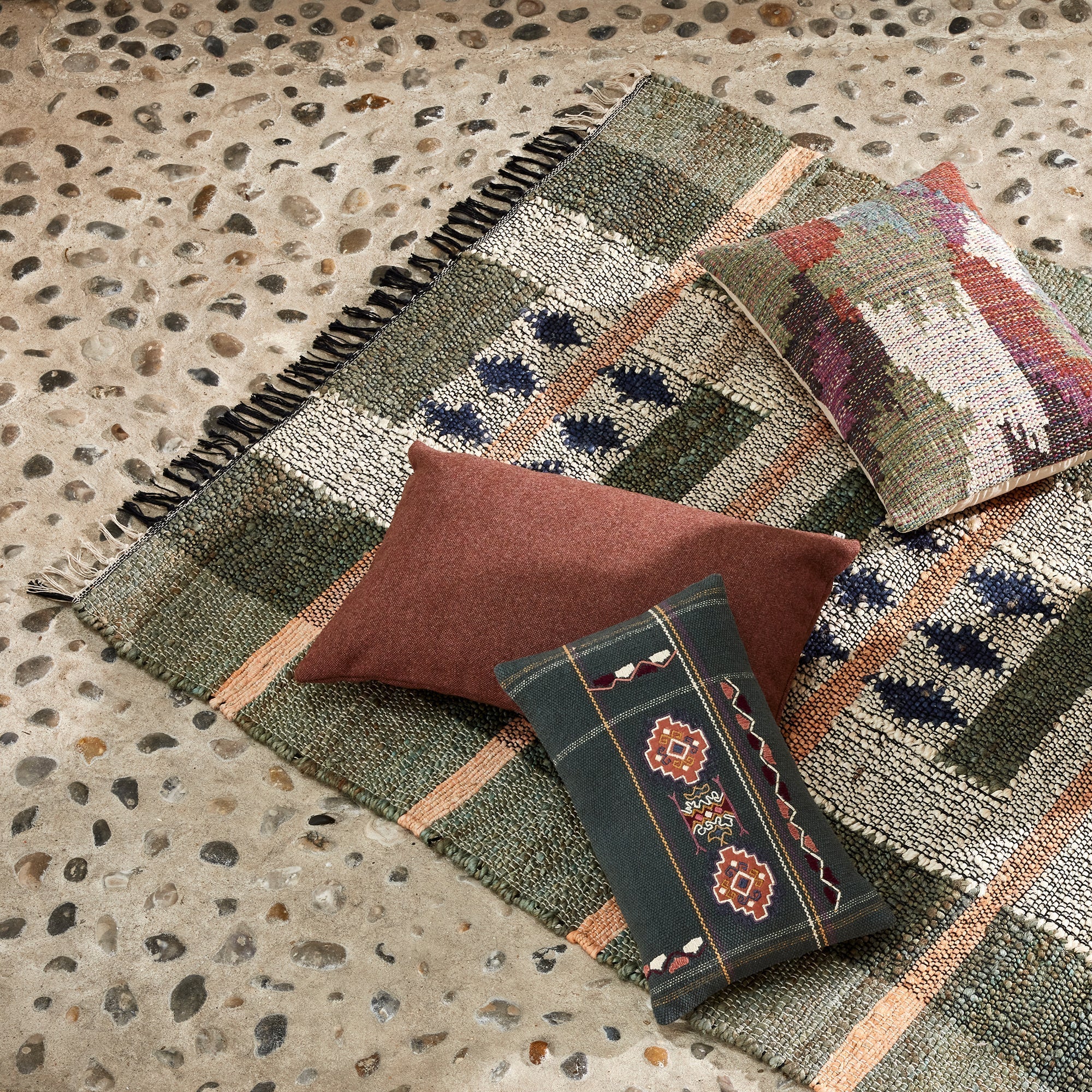
In summer, the choice of carpet directly influences the feeling of freshness and comfort on the floor. Seagrass, jute, cotton:...

Madura customer service
Available on WhatsApp, by chat or by phone at 01 42 34 99 59

All the tips and tricks from our team, just like in store, delivered straight to you.
All articlesMost searched articles

Conseils déco
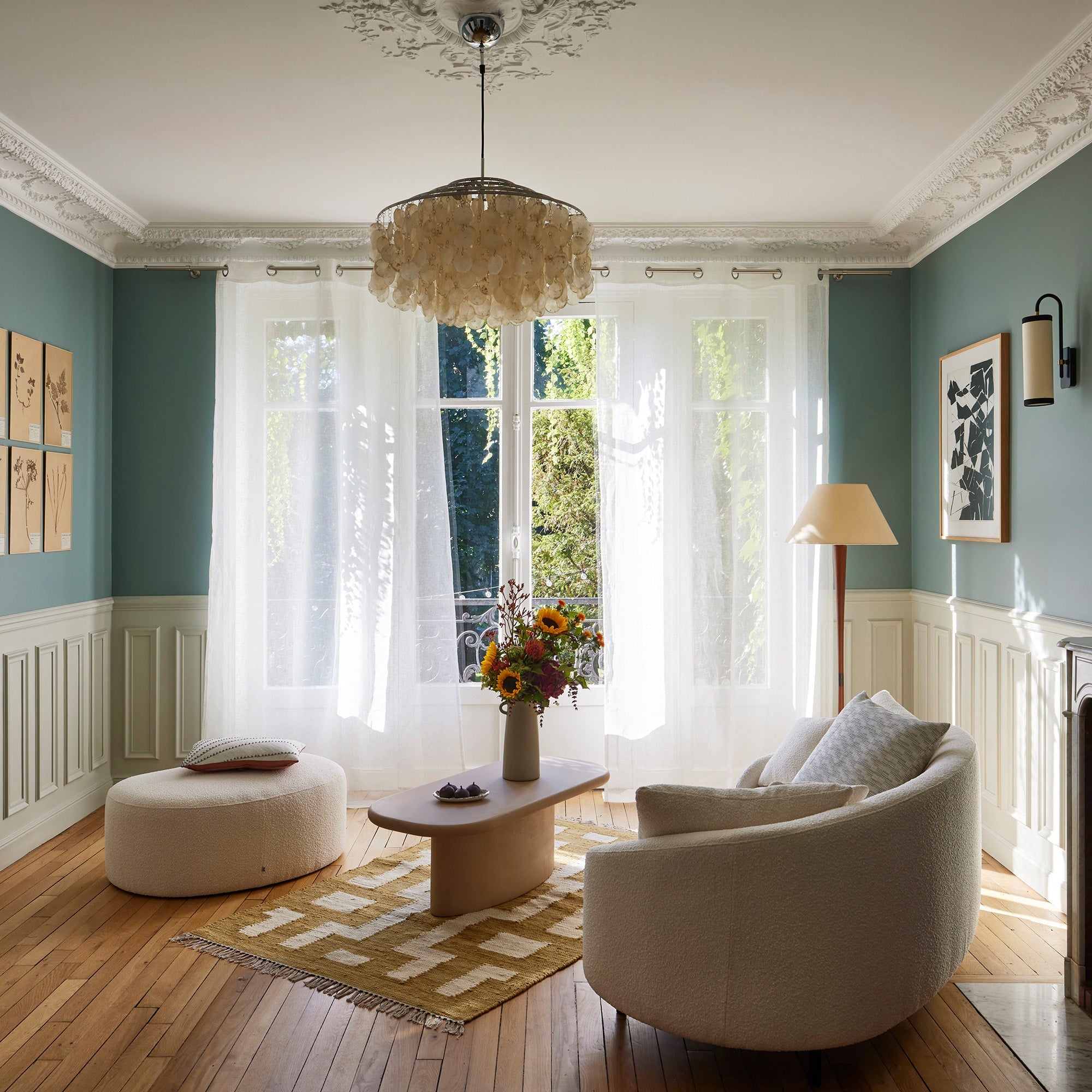
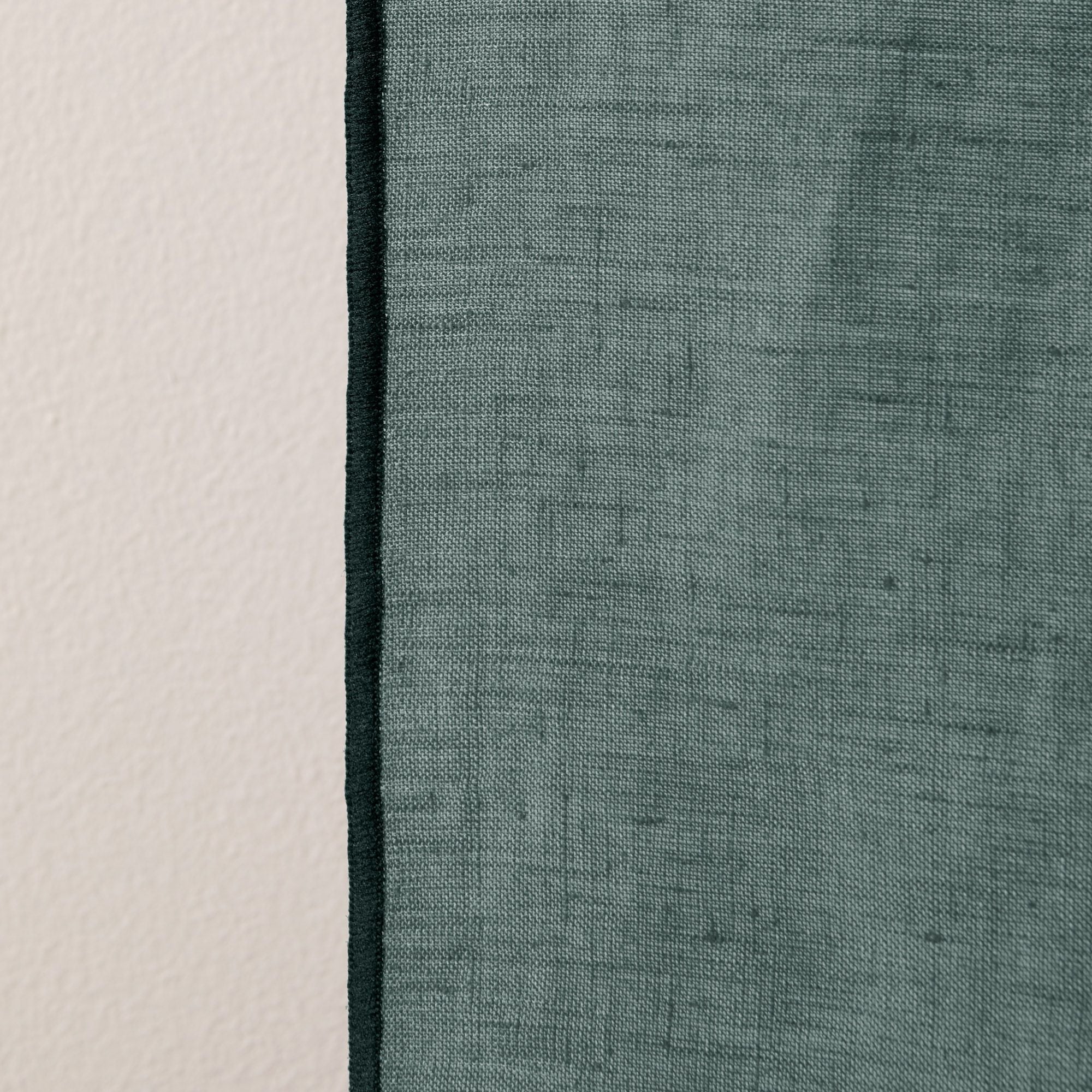
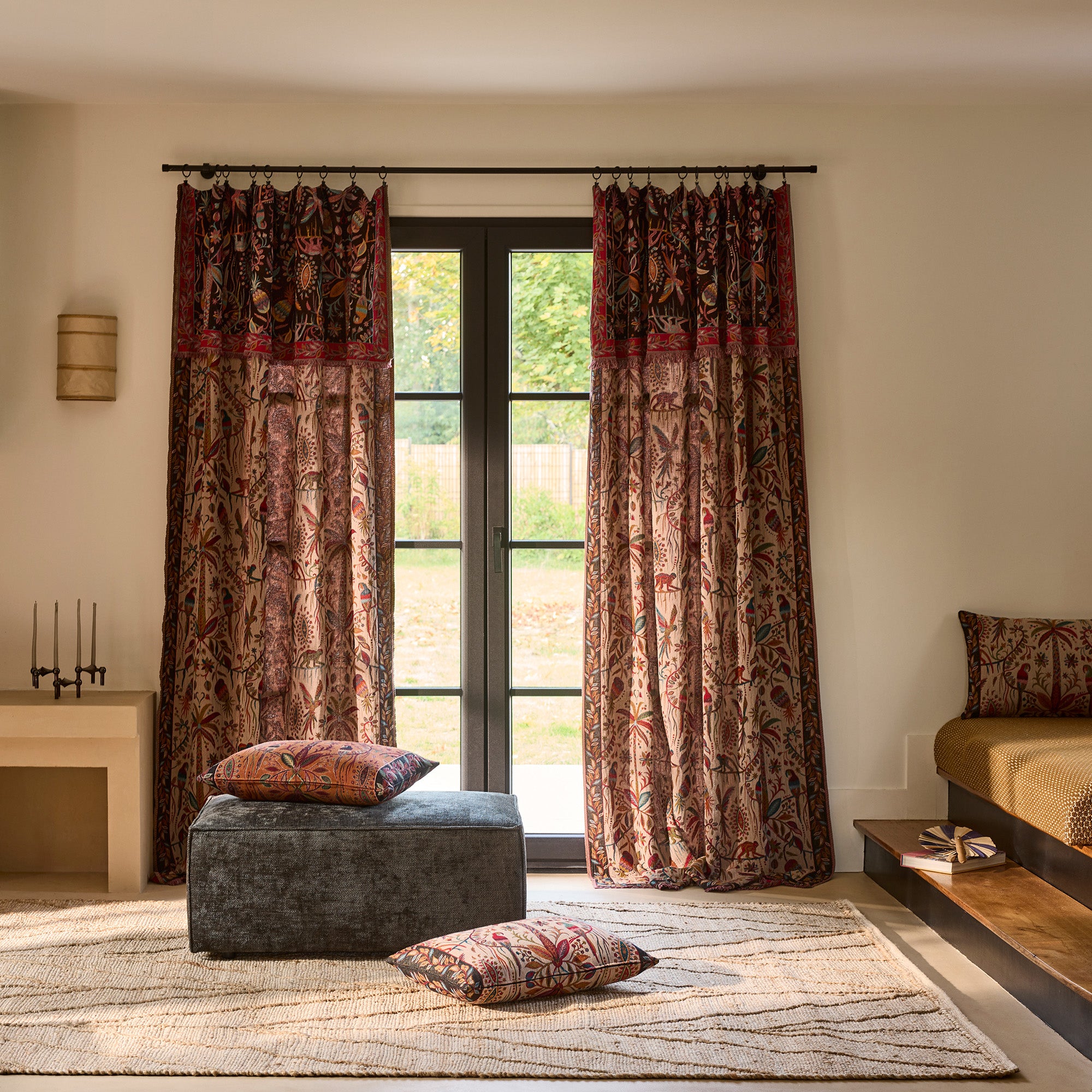
Are you hesitating between filtering sheers and opaque curtains to dress your living room? The answer depends on the desired atmosphere, the level of privacy desired and your need for insulation. The filtering curtains filter the light while preserving the view and a soft atmosphere. Conversely, opaque curtains or sheers, sometimes called blackout curtains, block light and create darkness conducive to rest. This guide explains the differences, their respective benefits and helps you choose the ideal solution for each room in the house.

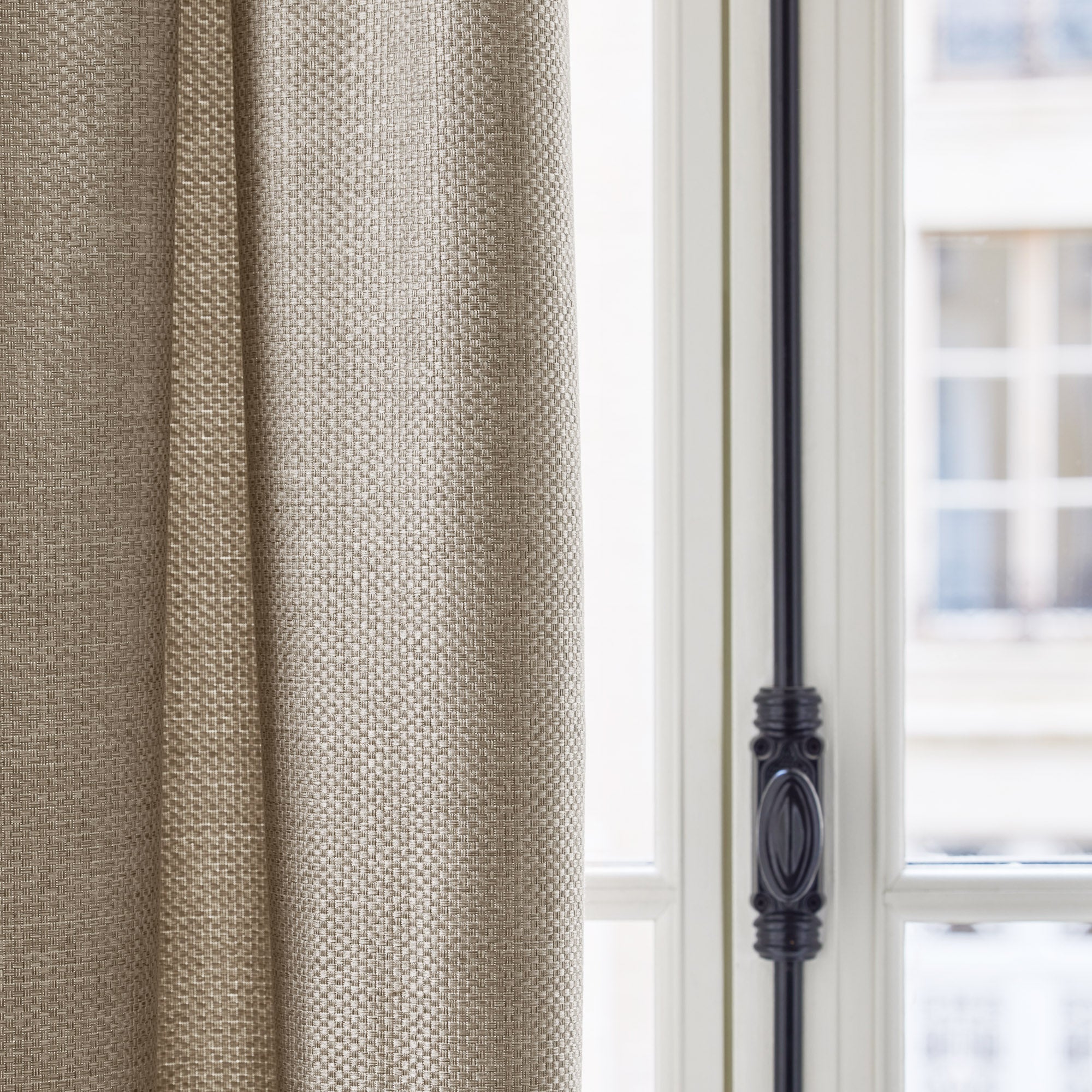
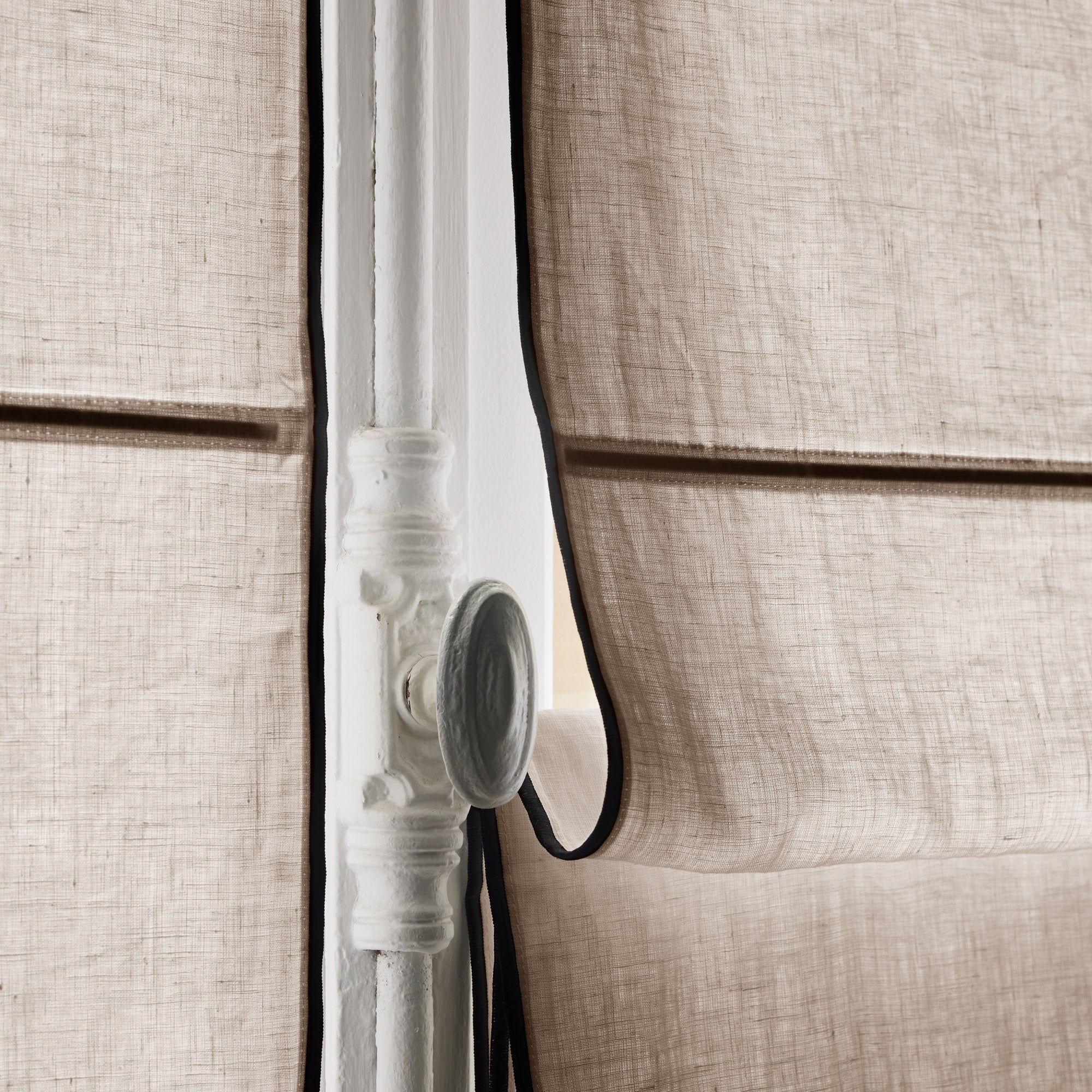
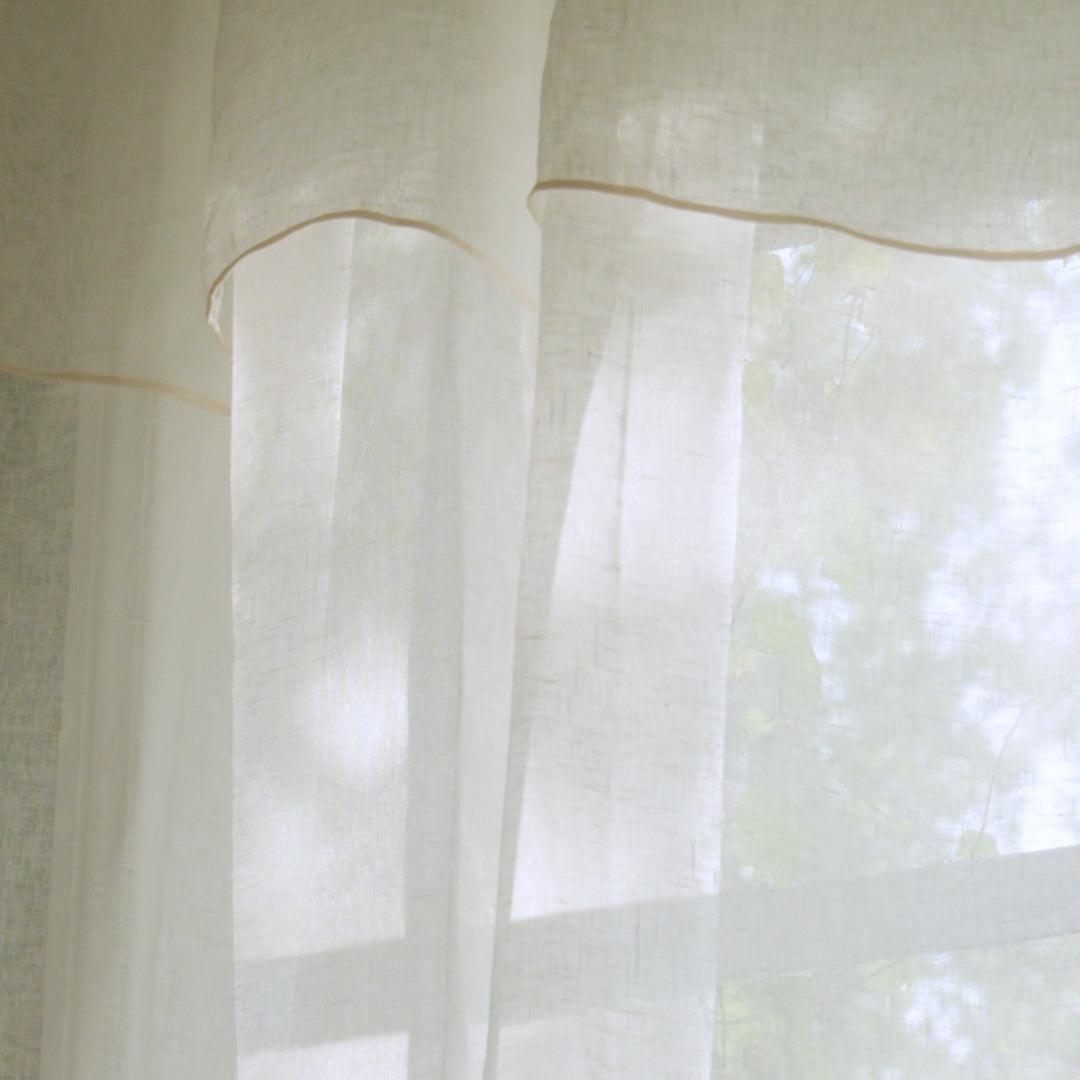
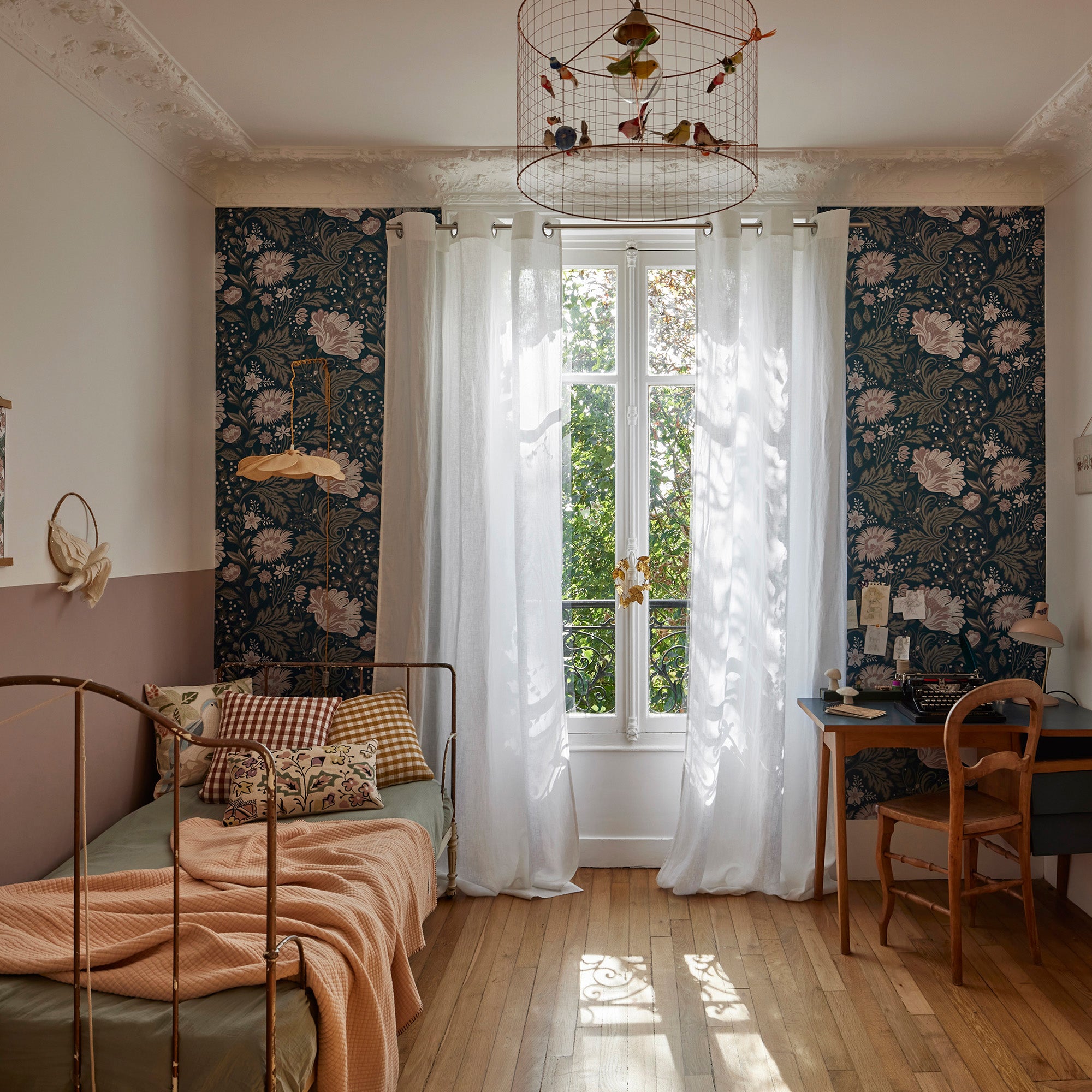
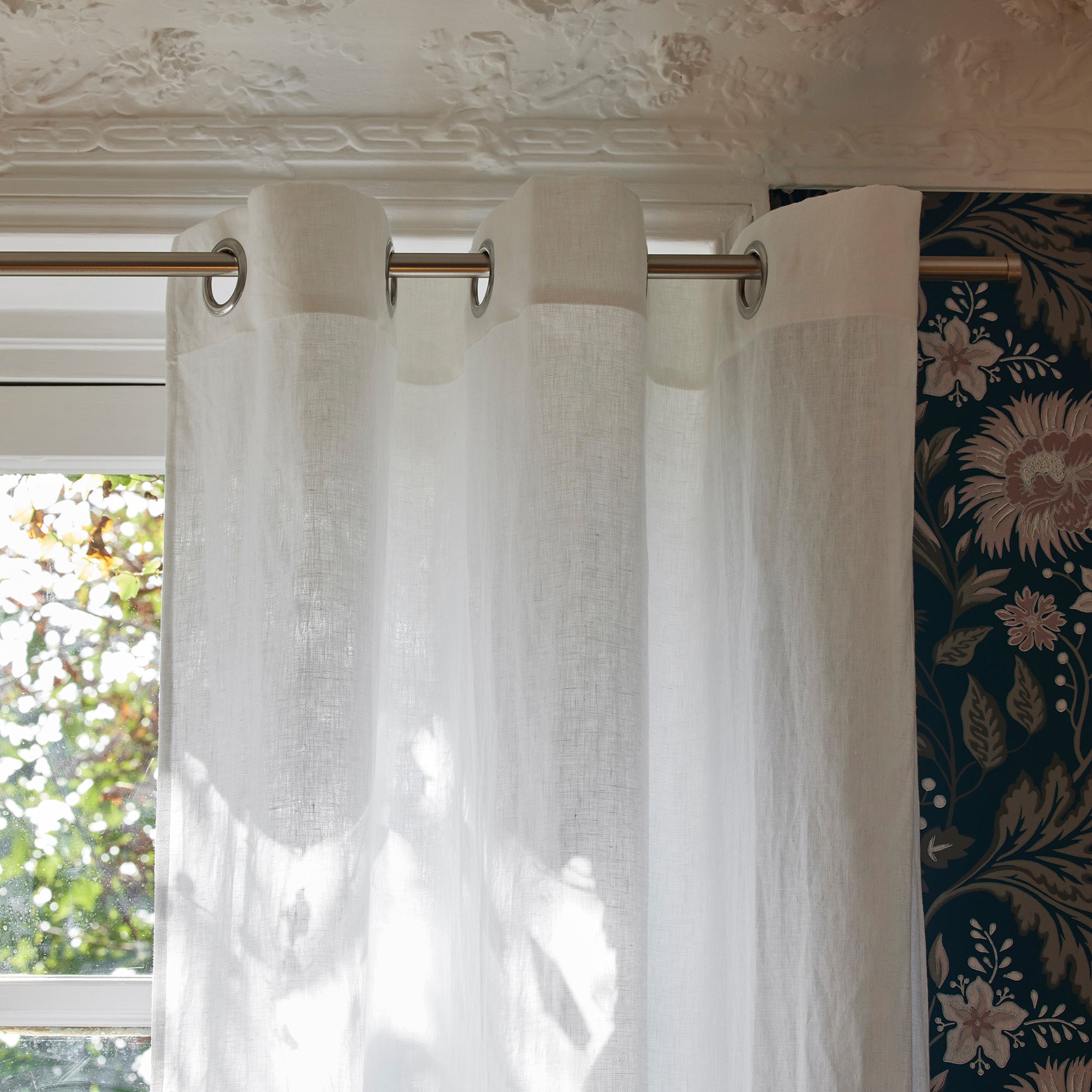
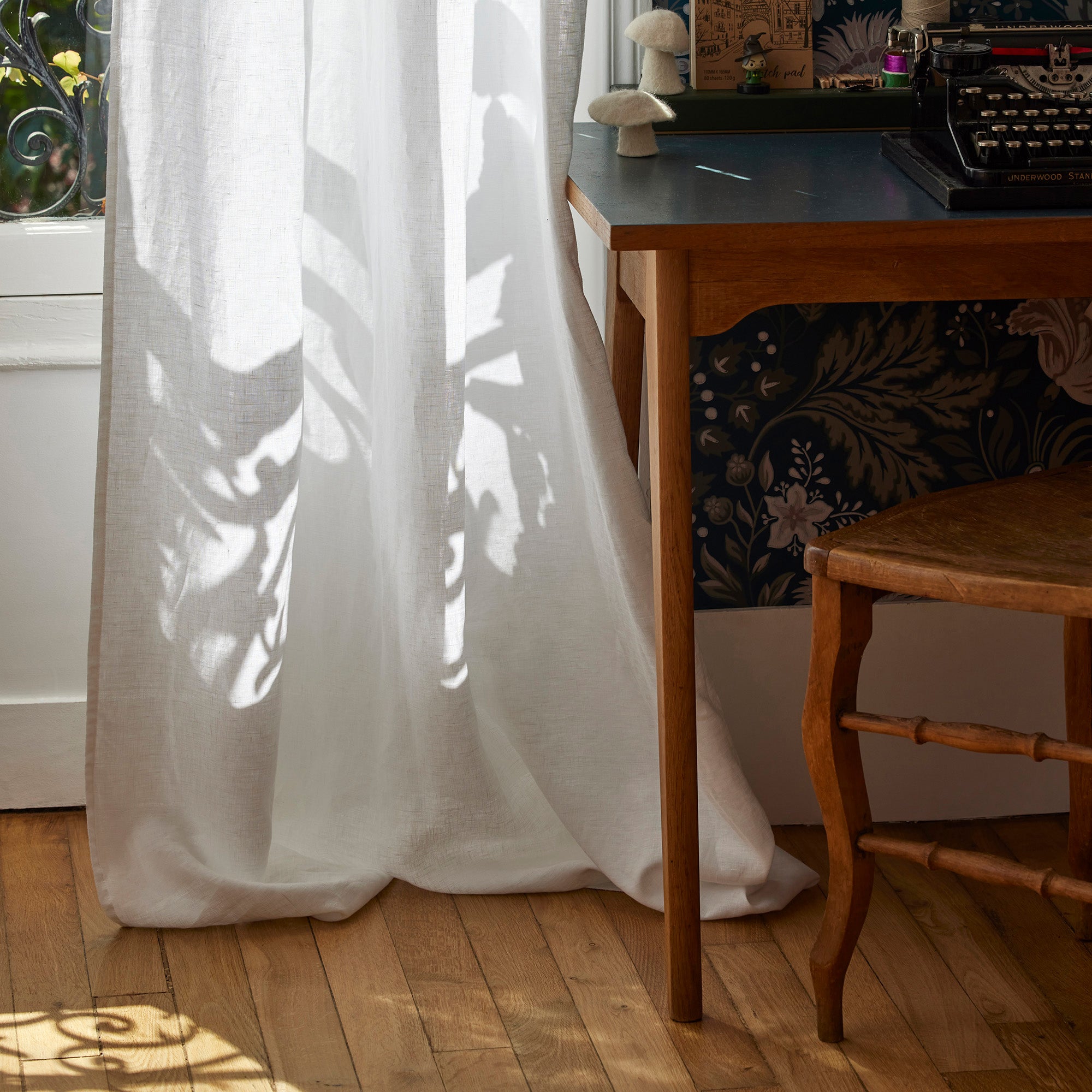
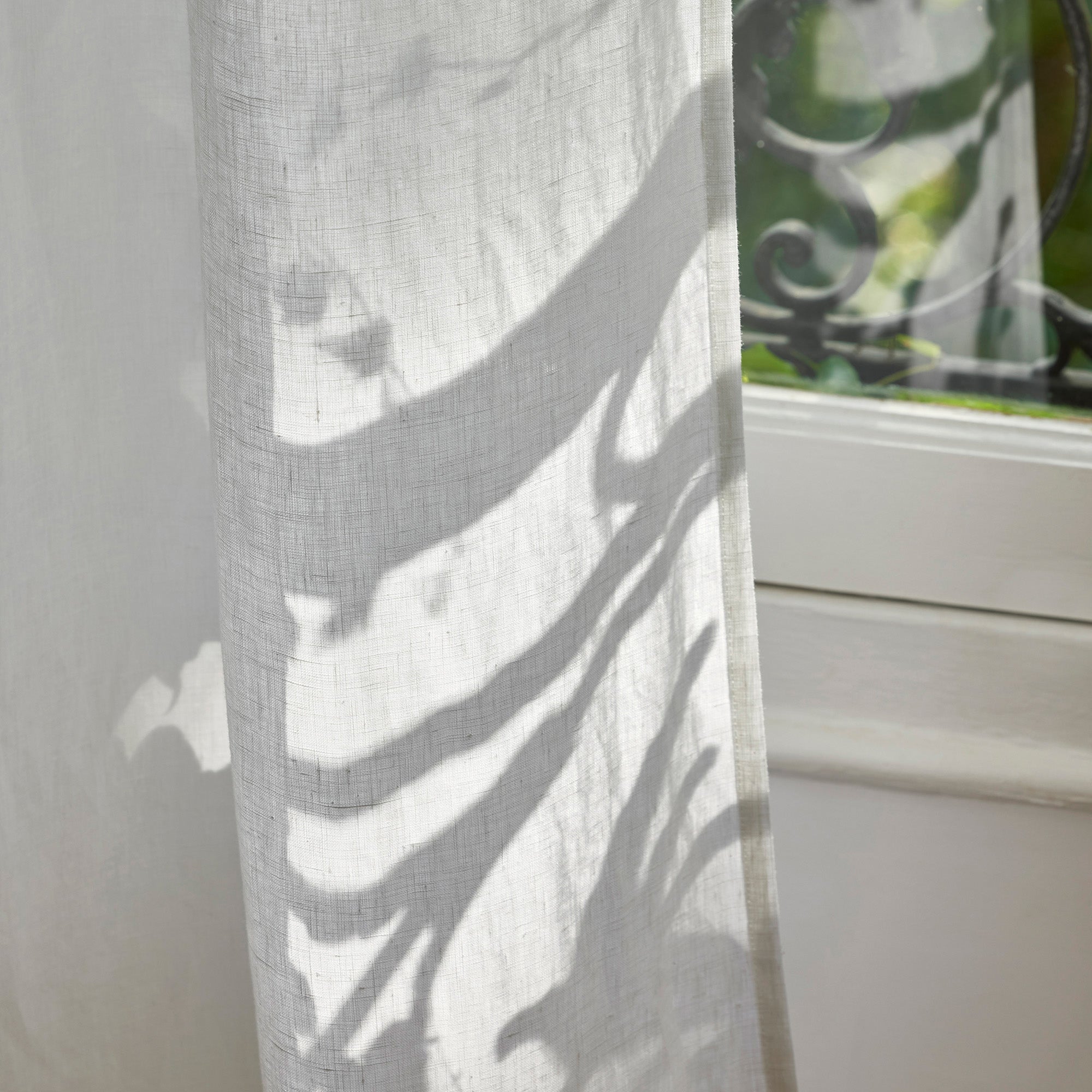
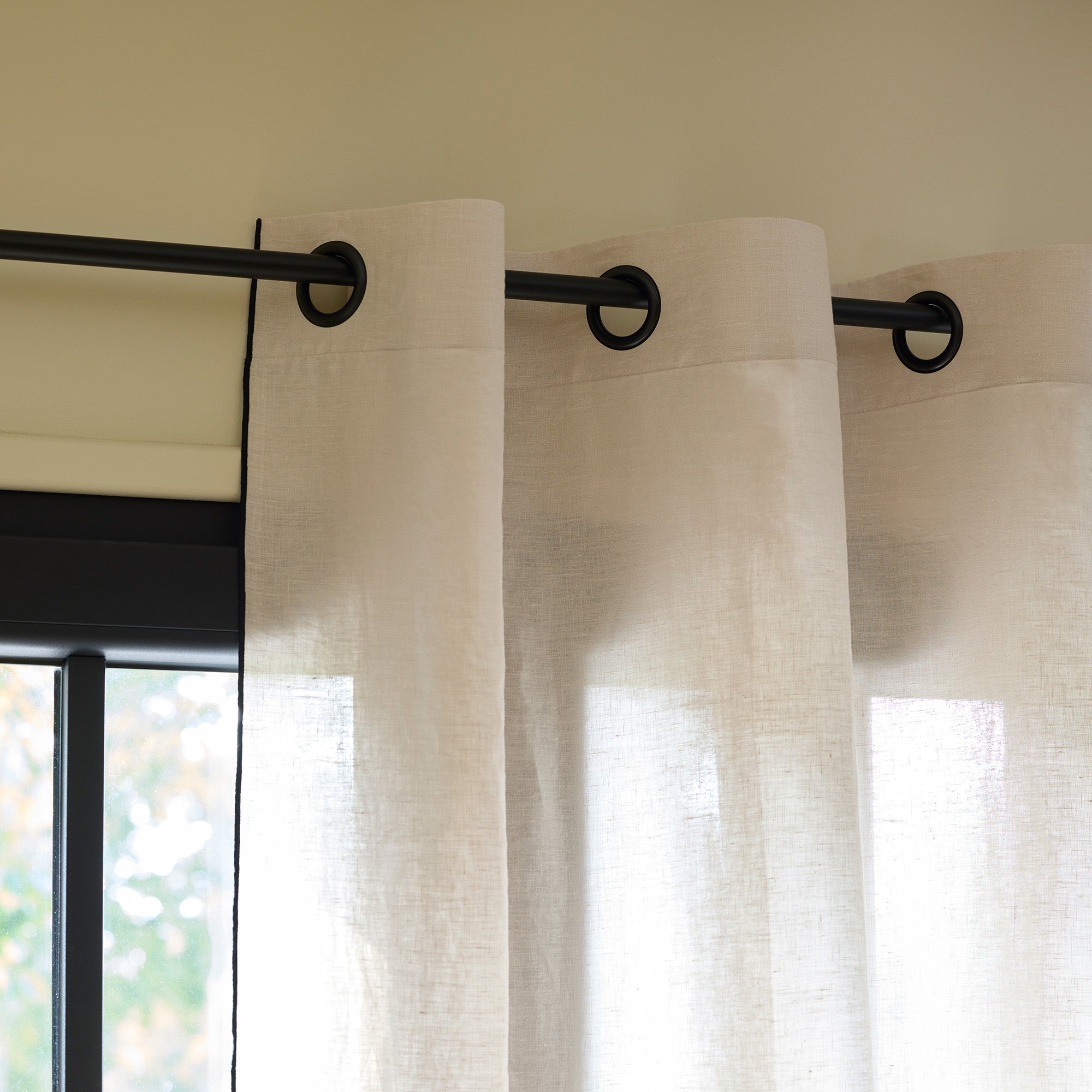
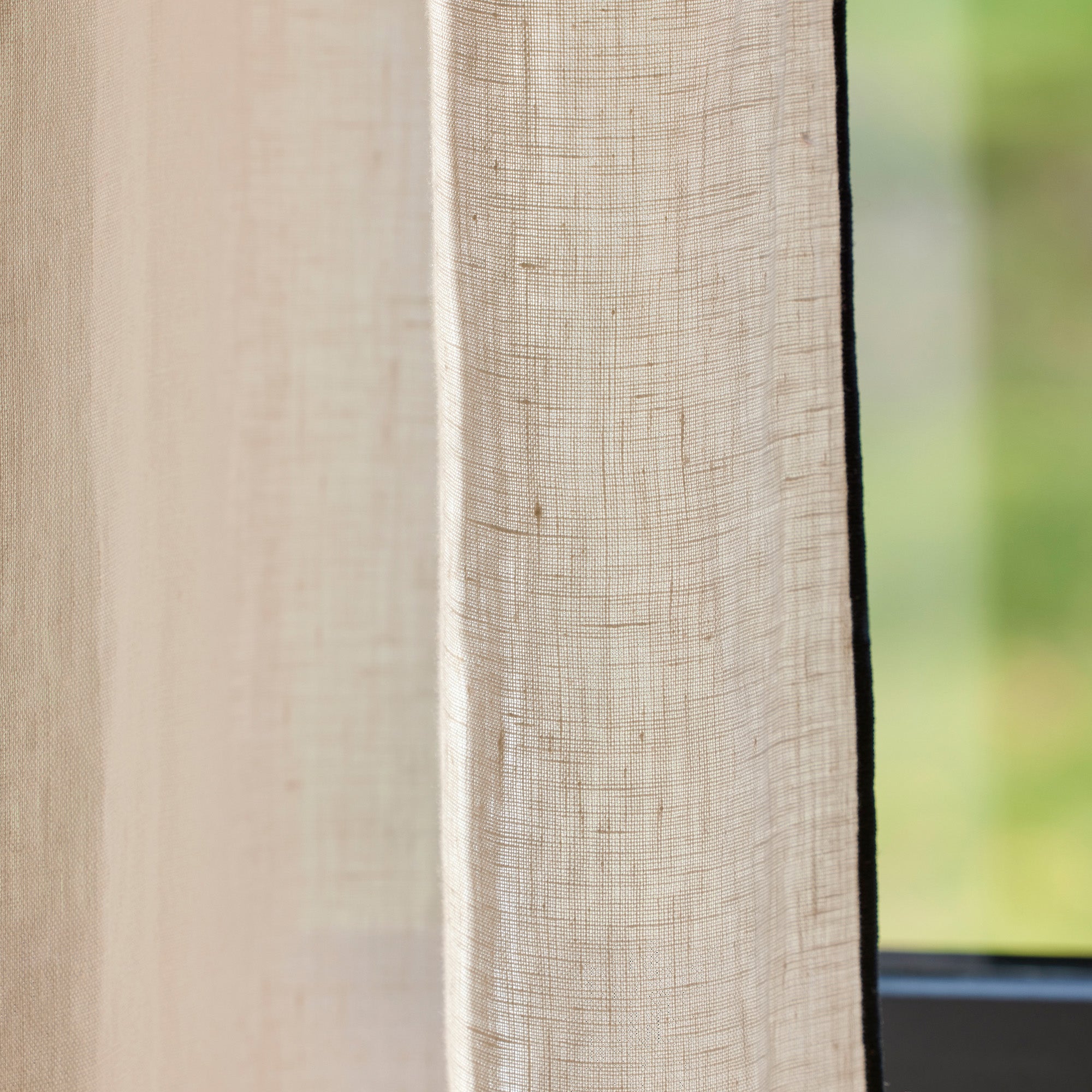
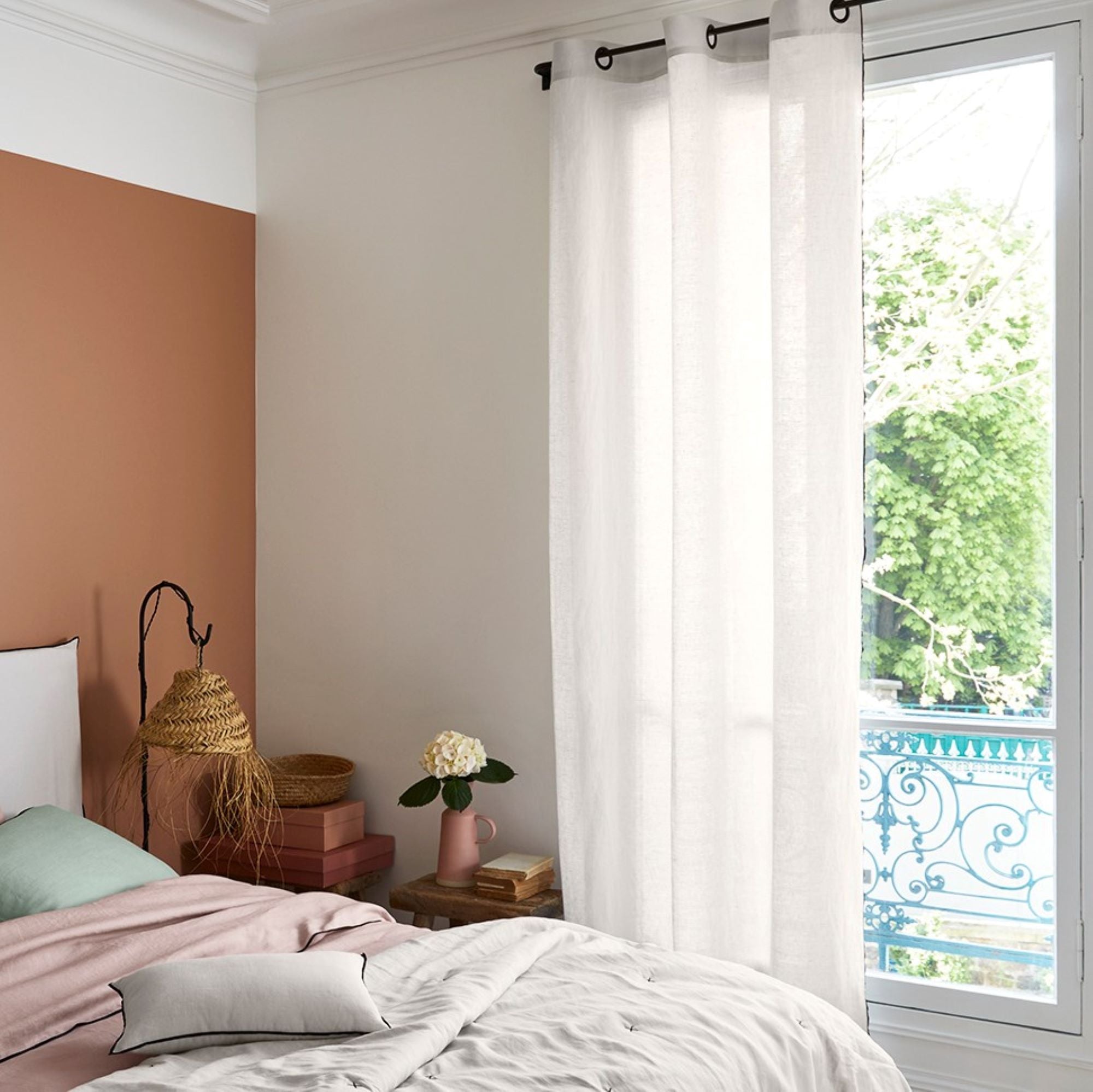
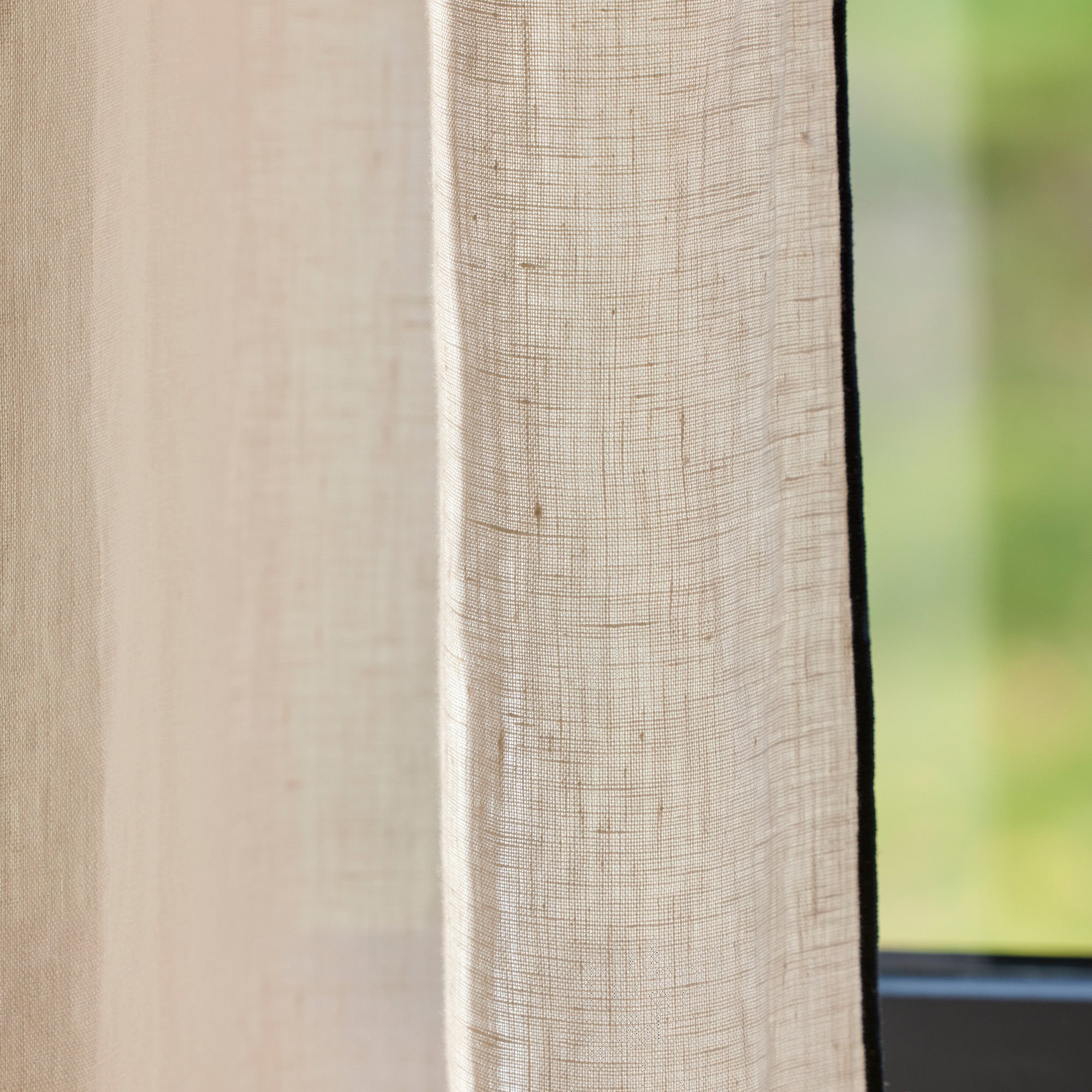
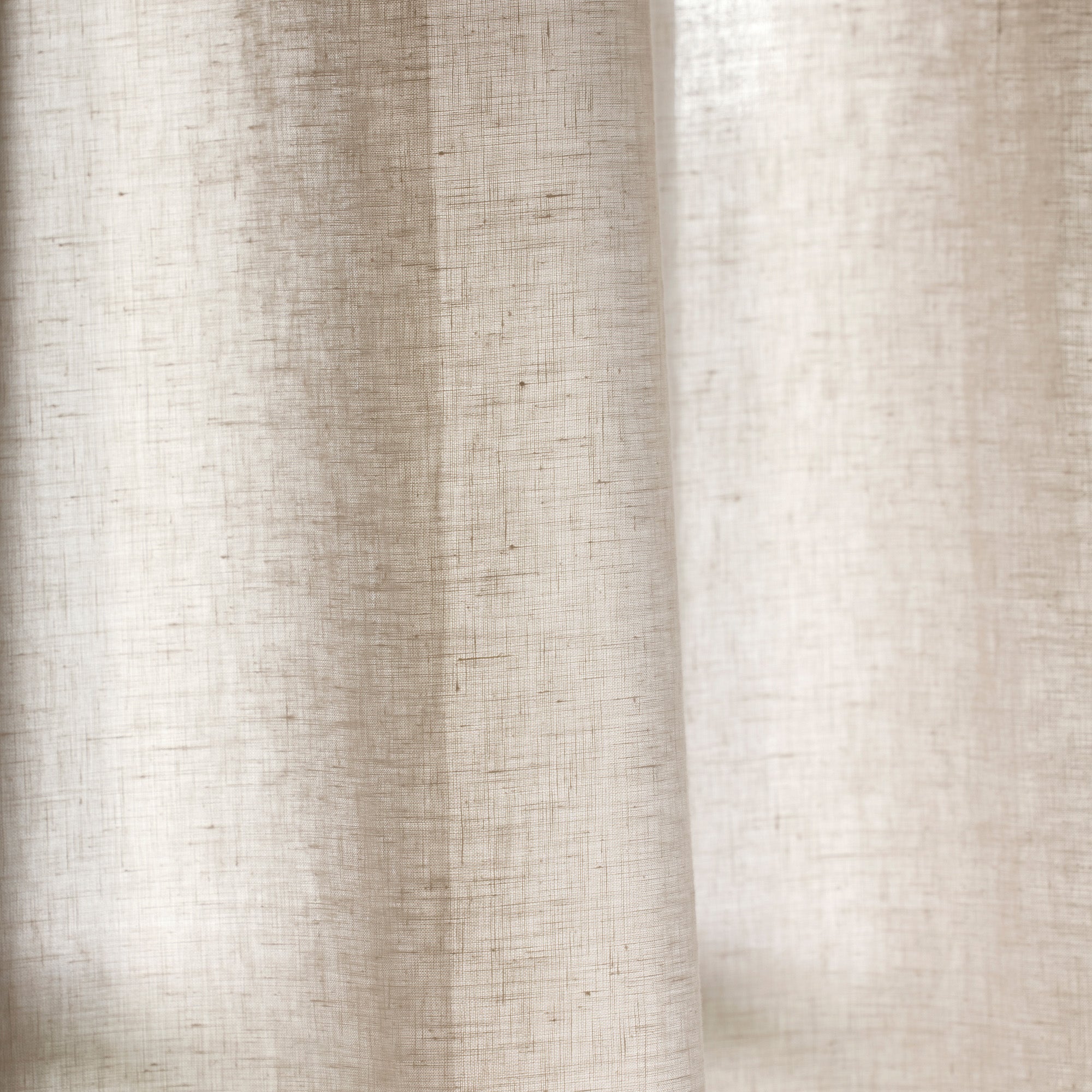
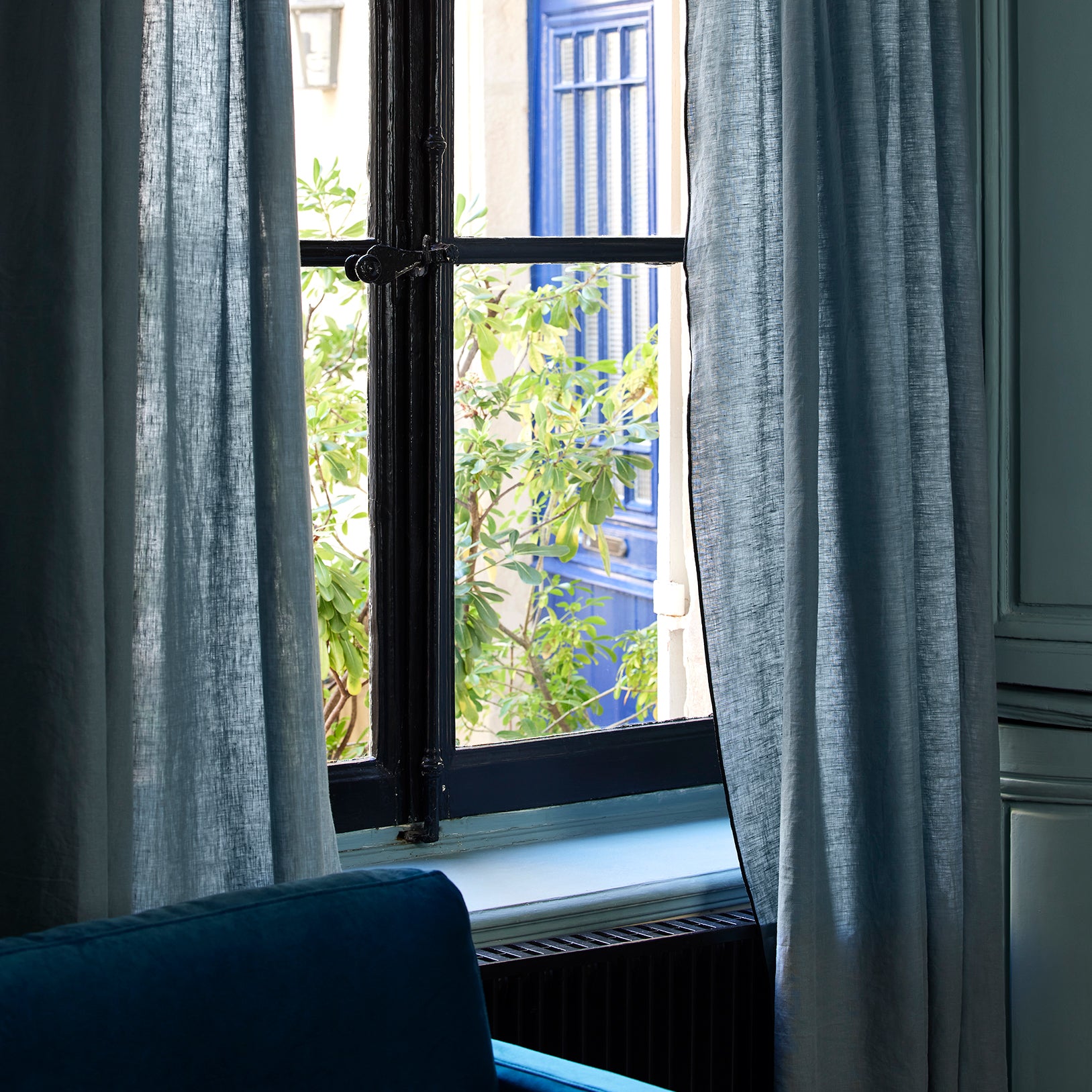
A filtering curtain is a lightweight panel designed to filter natural light without blocking it completely. Its soft transparency diffuses the sun's rays and creates a soothing atmosphere, while offering a minimum of privacy. Screening curtains are generally made from semi-transparent fabrics: linen, polyester or blends of natural and synthetic fibers. White or cream sheers are very versatile and go with most decor. Thanks to their light weight, they are easy to install and add an airy touch to the room.
An opaque curtain (or blackout curtain) is designed to block outside light and ensure darkness. Its thick fabric, often equipped with a lining, acts as a barrier against UV rays and heat and improves the thermal and sound insulation of the room. Opaque curtains are made of dense cotton, velor or polyester. They are suitable for bedrooms and rooms that require darkness or reinforced insulation. Some thermal or sound-proof models offer additional protection against cold and noise.
The main difference lies in the management of light. A filtering curtain filters and softens the light while preserving a certain brightness, while the opaque curtain completely blocks the light and offers greater insulation. The first creates a light and warm atmosphere, ideal for living rooms, while the second provides the darkness and privacy necessary in bedrooms or projection spaces. Their choice depends on your needs for brightness, privacy and insulation.

Advantages:
Soft light. The filtering curtain diffuses the light evenly and avoids glare. It preserves a pleasant atmosphere and offers a warm result.
Privacy. Even though it remains light, it partially blocks outside views and creates a comfortable cocoon.
Variety of styles. Available in many colors, patterns and materials (linen, polyester, cotton), it adapts to all styles of decoration.
Easy maintenance. Lightweight fabrics are easy to wash and dry quickly.
Disadvantages:
Limited protection. The filtering curtain does not completely block the light and only offers reduced thermal and sound insulation.
Partial privacy at night. The transparency can reveal the interior when the lights are on.
Less insulation. Unlike heavy curtains, it does not prevent cold or noise from penetrating.
Advantages:
Total darkness. The opaque curtain completely blocks light and promotes restful sleep.
Reinforced privacy. It completely protects from outside eyes and ensures absolute peace of mind.
Thermal and sound insulation. Thick fabrics retain heat in winter and coolness in summer, while reducing noise.
Suitable for bedroom and multimedia spaces. Perfect for bedrooms, home theaters or rooms exposed to the sun.
Disadvantages:
Dark atmosphere. It can darken the room, which is not desirable in a living room or kitchen.
Weight and volume. Thick fabric is heavier and can be difficult to handle.
Cost. Quality opaque curtains, especially those with thermal or sound-proof lining, are more expensive.

These spaces benefit from natural light and a friendly atmosphere. Choose filtering curtains to diffuse light and preserve privacy while enjoying a soft atmosphere. For a living room facing south or exposed to view, combine a filtering sheer curtain with a thicker curtain on the sides: you will be able to modulate the light throughout the day.
The room and projection spaces require darkness and silence. Opaque curtains are essential for blocking light and promoting quality sleep. Opt for lined and thermal models to improve insulation in winter. In a child's bedroom, choose lighter blackout fabrics, possibly combining a sheer curtain for the day.
In these rooms where you want clarity without being seen, a filtering curtain or a small curtain (glazing) is an ideal solution. Choose easy-to-maintain materials (polyester, linen blend) and light colors so as not to darken the room.
Bay windows offer plenty of light but sometimes require protection from heat or prying eyes. A double system (filtering curtain and opaque curtain) will allow you to modulate the brightness. Be sure to measure the width correctly: it is recommended to multiply the width of your rod by two for a nice drape. For the height, measure from the rod to the floor and possibly leave 2 cm to prevent the curtain from dragging.

Measure accurately. The total width of the sheers should be approximately twice that of your window or rod to obtain pretty waves. Height is measured from the top of the rod to the floor; add a few centimeters if you want the sheer to touch the floor.
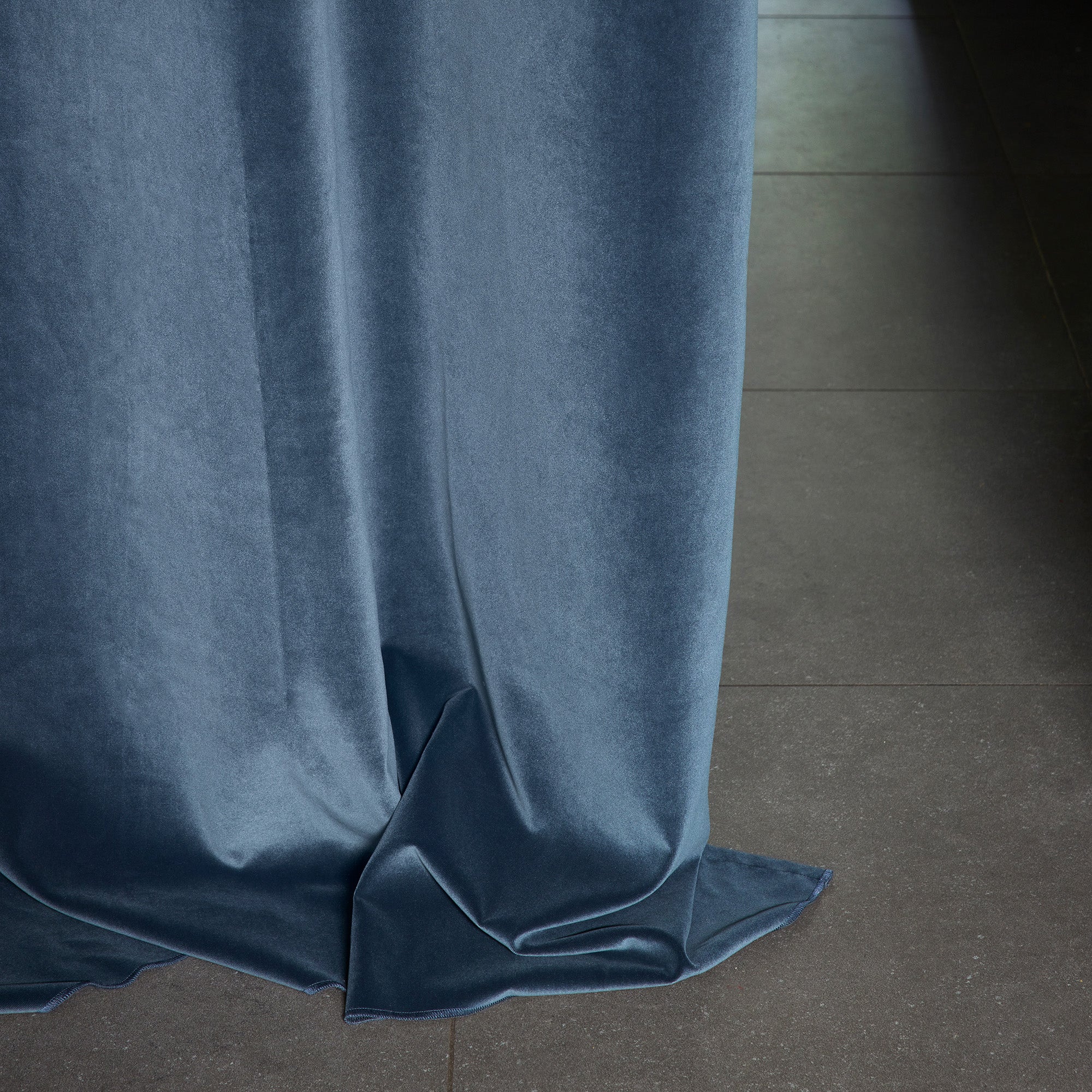
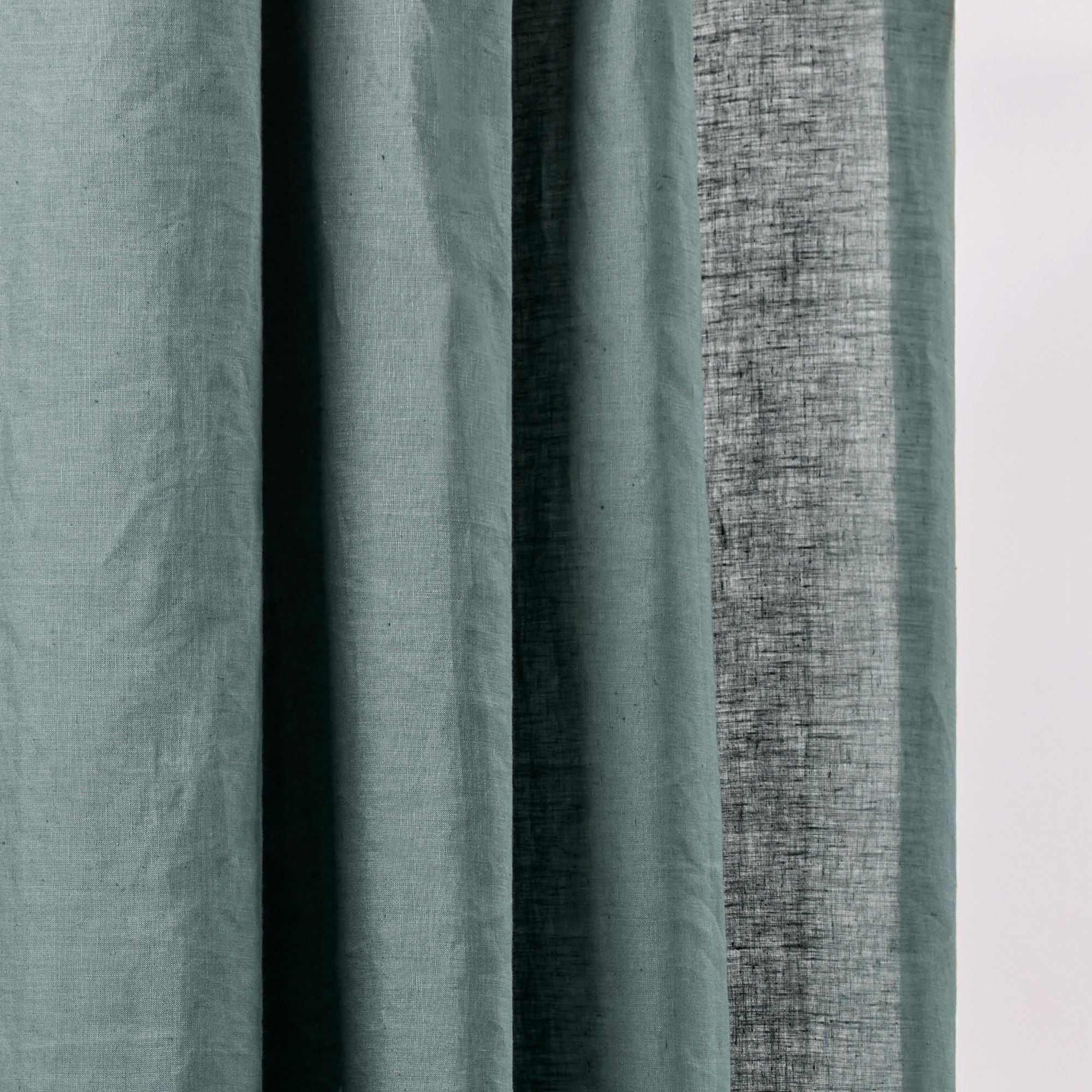
Choose the appropriate material. Linen and cotton gauze provide natural texture and gently filter light, while polyester is easier to care for and less wrinkle-free. For opaque curtains, choose velvet or thick fabrics lined with polyester to maximize blackout.
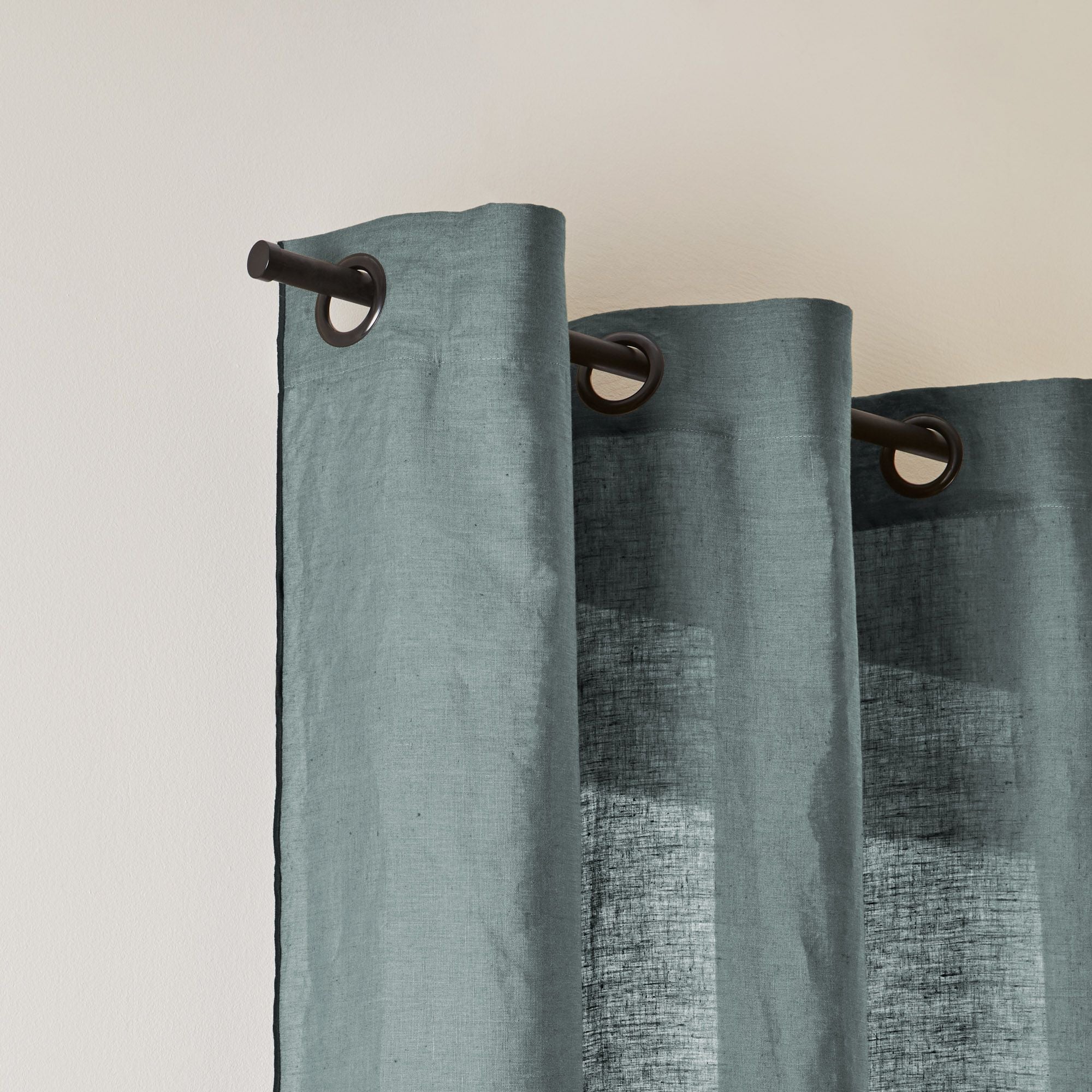
Think about the finishes. The eyelets offer a modern look and easy opening, while the knots and gathered braids give a more romantic or classic style.
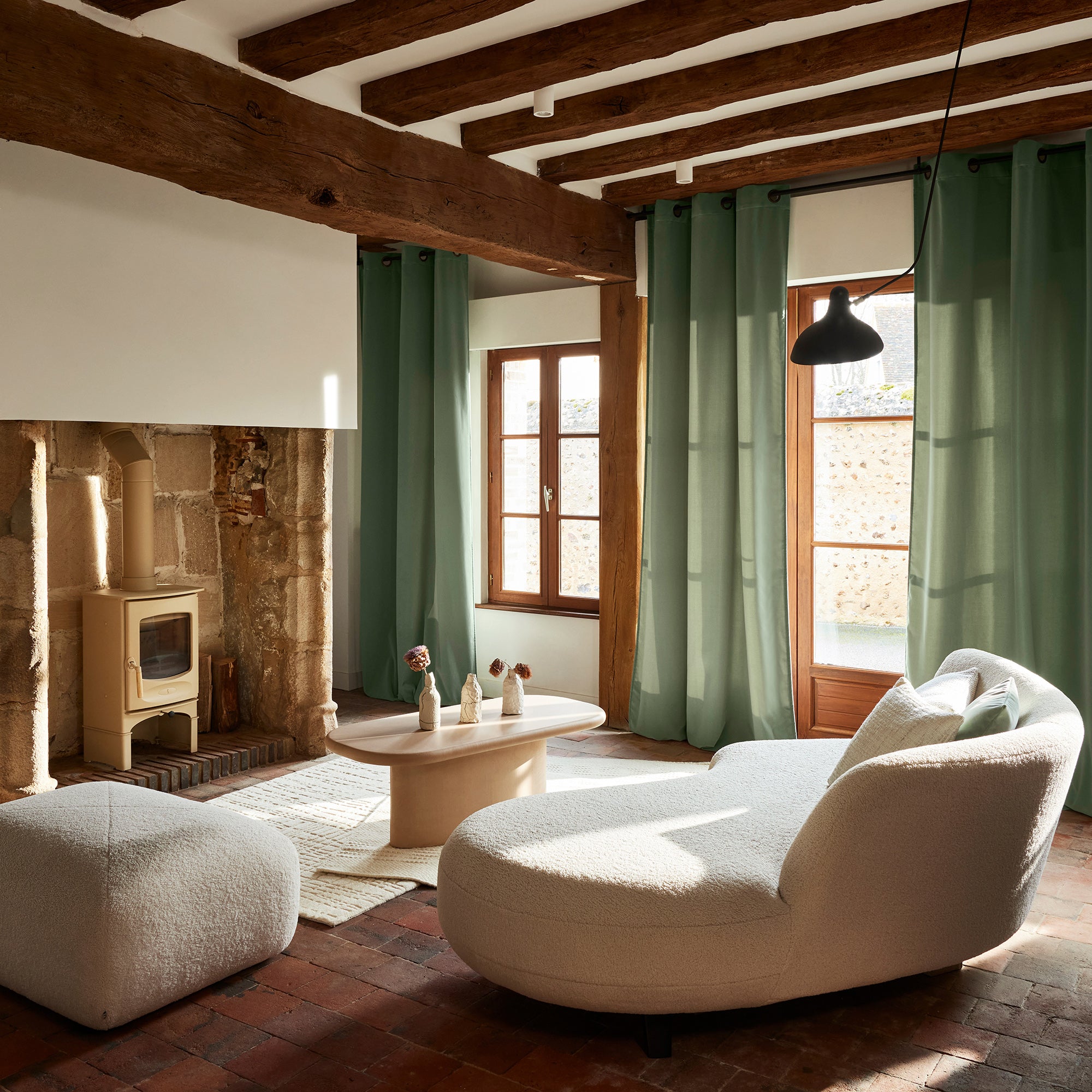
Play with colors. Colorful curtains (red, orange, yellow) warm up a room, but be sure to balance it with sober decoration. In a bedroom, opt for pastel or neutral tones to promote relaxation. Shades of green (sage, olive, khaki) bring a very trendy natural feel.
Combine multiple layers. Combining a filtering sheer curtain with an opaque curtain allows you to vary the brightness and privacy depending on the time of day. You can even layer two filtering curtains of different colors to create a subtle gradient.
Regular maintenance. Wash your sheers at low temperature and iron them slightly damp to avoid creases. Blackout curtains sometimes require dry cleaning, especially if they are lined or velvet. Remember to dust regularly to preserve the quality of the fabrics.
Underestimate the width. Choosing a sheer curtain that is too narrow creates an unaesthetic tense effect and lets eyes pass through. Follow the “twice the window width” rule.
Ignore the orientation of the room. In a north-facing room, choose filtering curtains to maximize light. To the south, complete with a blackout curtain to protect you from the heat.
Forget color harmony. A dark curtain in a small space visually reduces the room. Choose light shades or coordinate them with your furniture.
Neglecting maintenance. Sheers attract dust and lose their shine if they are not washed regularly. Follow the washing instructions to preserve the fibers.
Accumulating too many layers. Stacking several heavy curtains can weigh down the decoration and make opening difficult. Find the right balance between aesthetics and practicality.
|
Type |
Light management |
Privacy |
Insulation |
Recommended Parts |
Current subjects |
|
Transparent curtain |
Allows light to pass through, clear vision to the outside |
Weak, especially at night |
None |
Kitchen, entrance, bright living room |
Light polyester, cotton voile |
|
Screening curtain |
Filters and softens light |
Medium – protects from view while maintaining brightness |
Low – limited insulation |
Living room, dining room, office |
Linen, cotton gauze, semi-transparent polyester |
|
Opaque/blackout curtain |
Completely blocks light |
High – total privacy |
Good thermal and sound insulation |
Bedroom, home cinema, south facing room |
Velvet, lined cotton, thick polyester |
|
Thermal curtain |
Blocks light and regulates temperature |
High |
Excellent – reduces heat loss and protects against drafts |
Rooms exposed to the cold, bay window |
Thick polyester with insulating lining |

Since 1971, Madura has revolutionized the world of window coverings by inventing the concept of ready-to-install curtains. The brand is distinguished by recognized know-how and the use of noble and durable materials. Madura offers a wide range of screening sheers and opaque curtains, available in many colors and textures to meet all desires. The collections combine creativity, quality and fair prices while favoring natural fabrics such as linen and cotton, from responsible production. The models are available in numerous sizes, with various finishes (eyelets, braid, panel) for a perfect adaptation to your interior. By choosing Madura, you benefit from expert support and products designed to last.
What is the difference between a filtering curtain and a blackout curtain?
A filtering curtain filters the light while preserving brightness and a certain privacy. The thick, lined blackout curtain blocks light and offers superior thermal and sound insulation.
Can we combine a sheer curtain and an opaque curtain?
Yes. This combination allows you to enjoy the soft light of the sheer curtain during the day and close the opaque curtain in the evening to preserve your privacy and sleep. It’s also an aesthetic way to play with textures and colors.
What curtain for a bay window?
Choose a wide sifting sheer curtain (140 × 240 cm or more) and multiply the total width by two to obtain a gathered effect. Optionally install a rail to facilitate opening. To modulate the brightness, add an opaque curtain on the sides.
How to maintain a screening curtain?
Linen or polyester sheers are machine washable at low temperature. Use a delicate cycle, air dry them and iron them slightly damp to avoid creases. Blackout lined or velvet curtains sometimes require dry cleaning.
In which rooms should you install opaque curtains?
Blackout curtains are suitable for bedrooms, screening rooms and any room where you want darkness and insulation. They are also useful for protecting from the cold in rooms exposed to drafts or large bay windows.
What materials should you choose for a filtering curtain?
Linen offers an elegant and natural drape, while cotton gauze provides a light and airy texture. Polyester and synthetic blends are easy to maintain and offer a good compromise between transparency and resistance.
Sommaire
Our last articles
Conseils déco •7 min
In summer, the choice of carpet directly influences the feeling of freshness and comfort on the floor. Seagrass, jute, cotton:...
Conseils déco •9 min
Roman blinds and roller blinds are two types of window coverings with very distinct mechanisms and aesthetics. This article will...