


Conseils et astuces •8 min
How to properly measure for curtains?
Correctly measuring your curtains is the first step to achieving a neat and harmonious result. This guide explains how to...

Madura customer service
Available on WhatsApp, by chat or by phone at 01 42 34 99 59

All the tips and tricks from our team, just like in store, delivered straight to you.
All articlesMost searched articles
Conseils déco

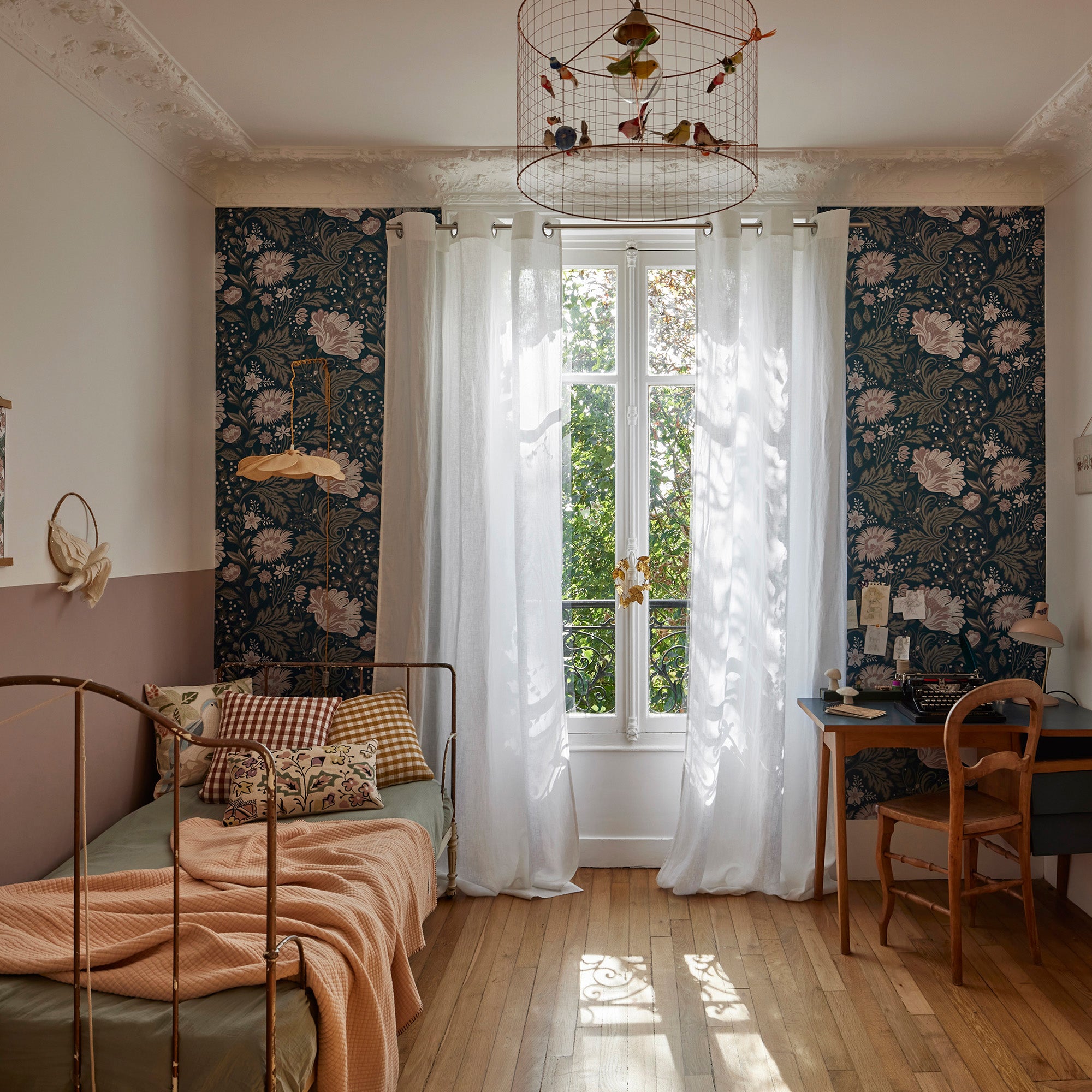
The choice between linen and velvet curtains depends on three criteria: the room to be dressed, the desired level of insulation, and the decorative ambiance sought. Linen brings lightness and brightness, while velvet offers opacity and warmth. Each material has specific advantages that make it ideal for certain rooms and less suitable for others.
This guide compares linen and velvet in detail based on all important criteria: thermal insulation, maintenance, aesthetic appeal, durability, and price.

Linen is a natural fiber extracted from the flax plant, grown primarily in France and Belgium. France is the world's leading producer of flax, accounting for 75% of global production according to the Alliance du Lin (2024).
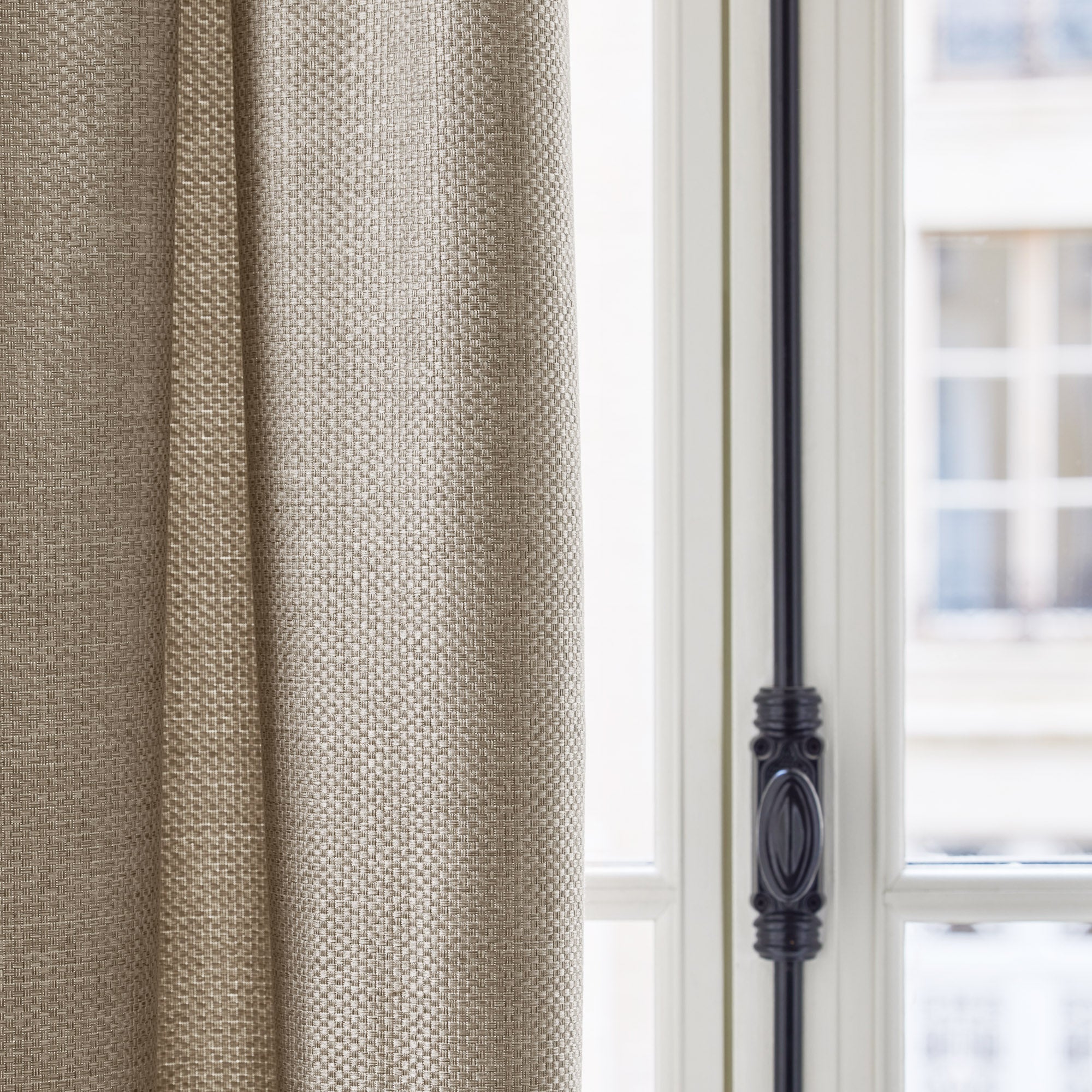
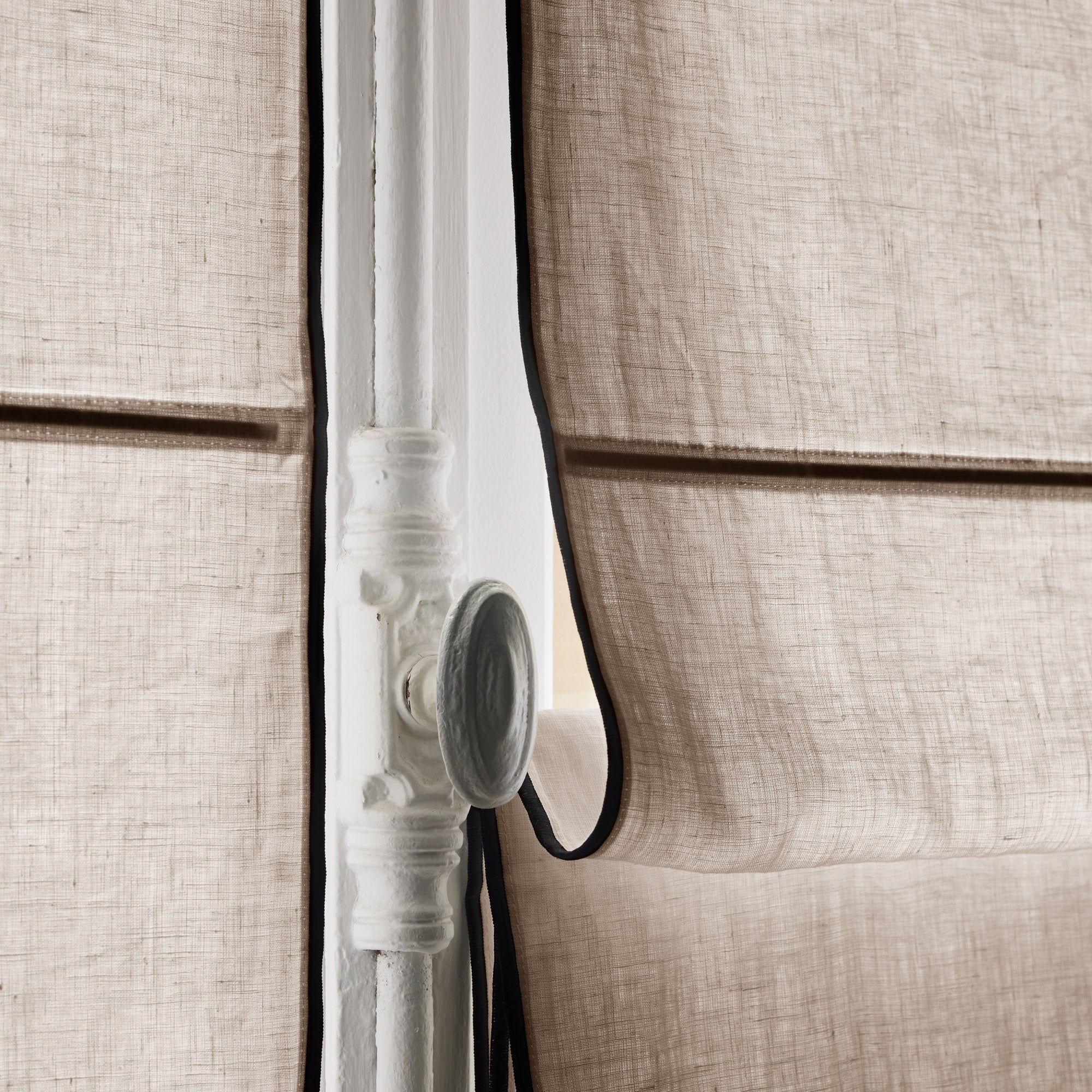
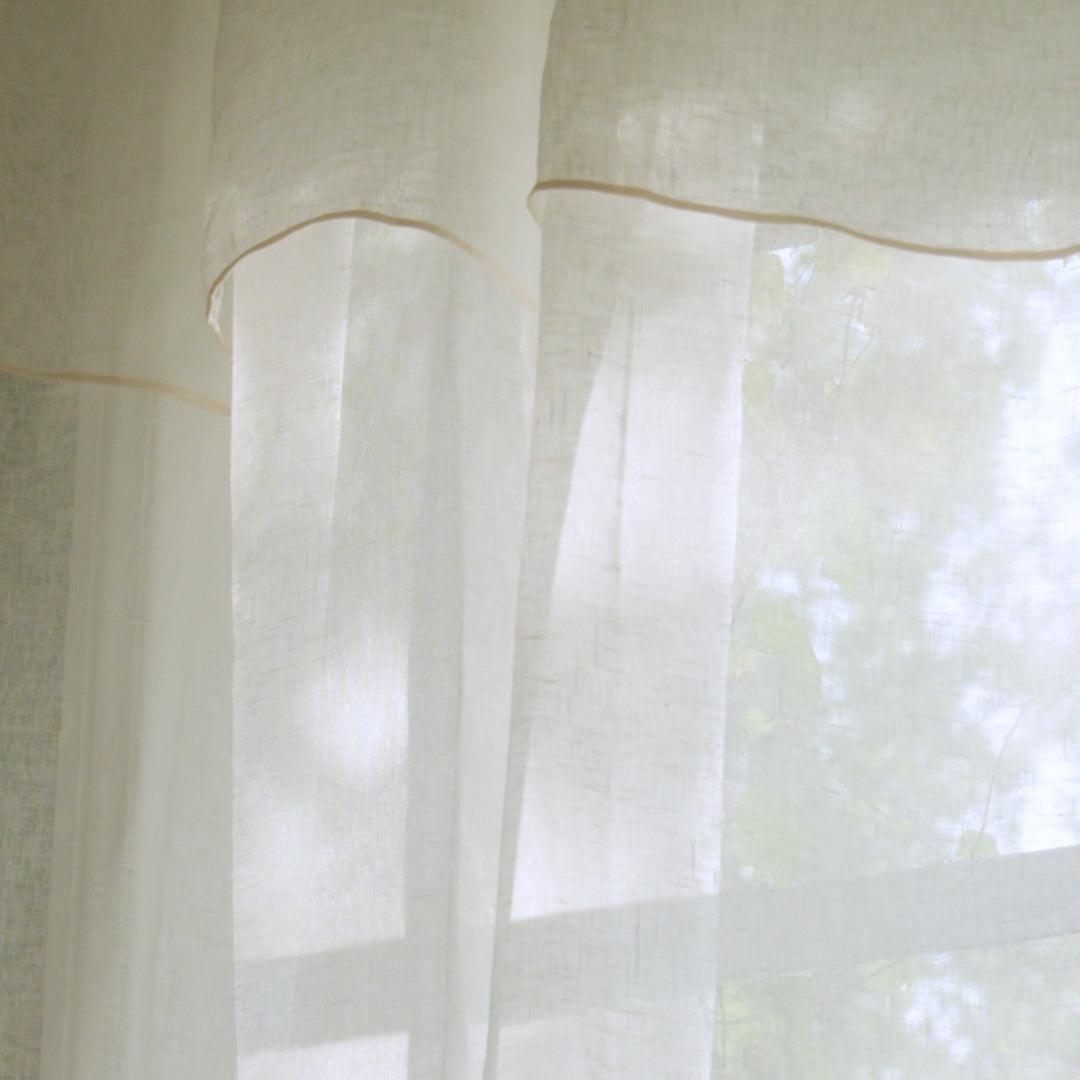
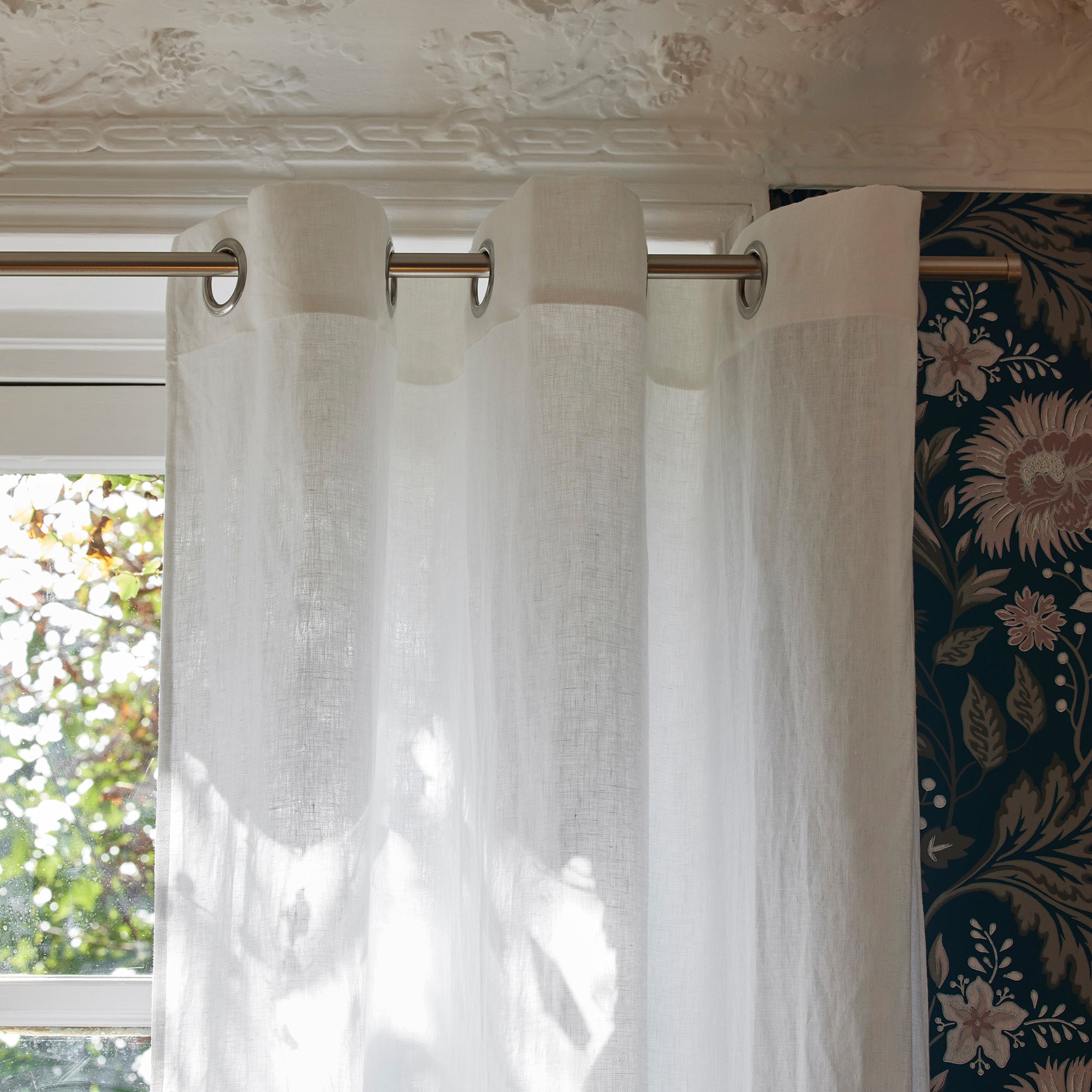
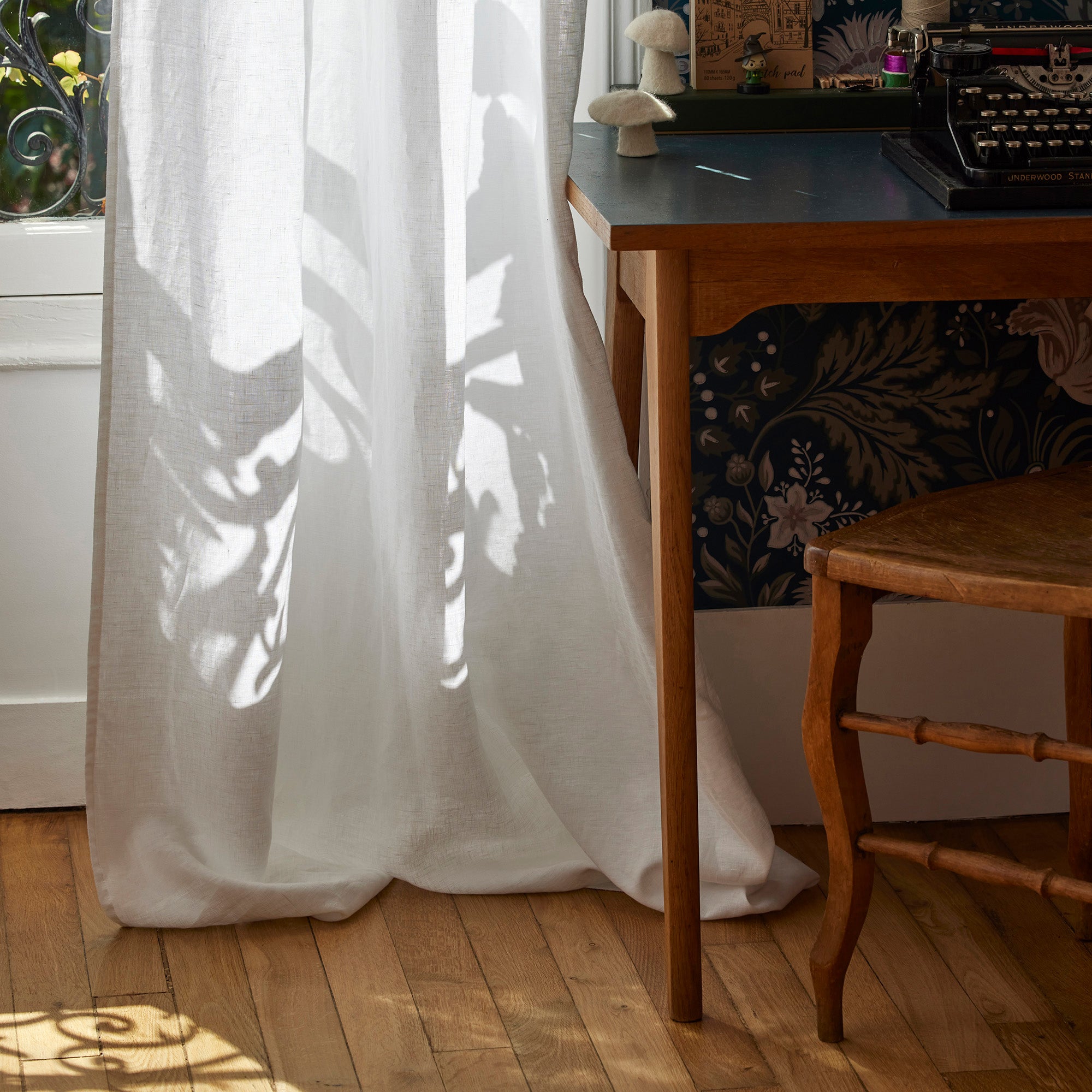
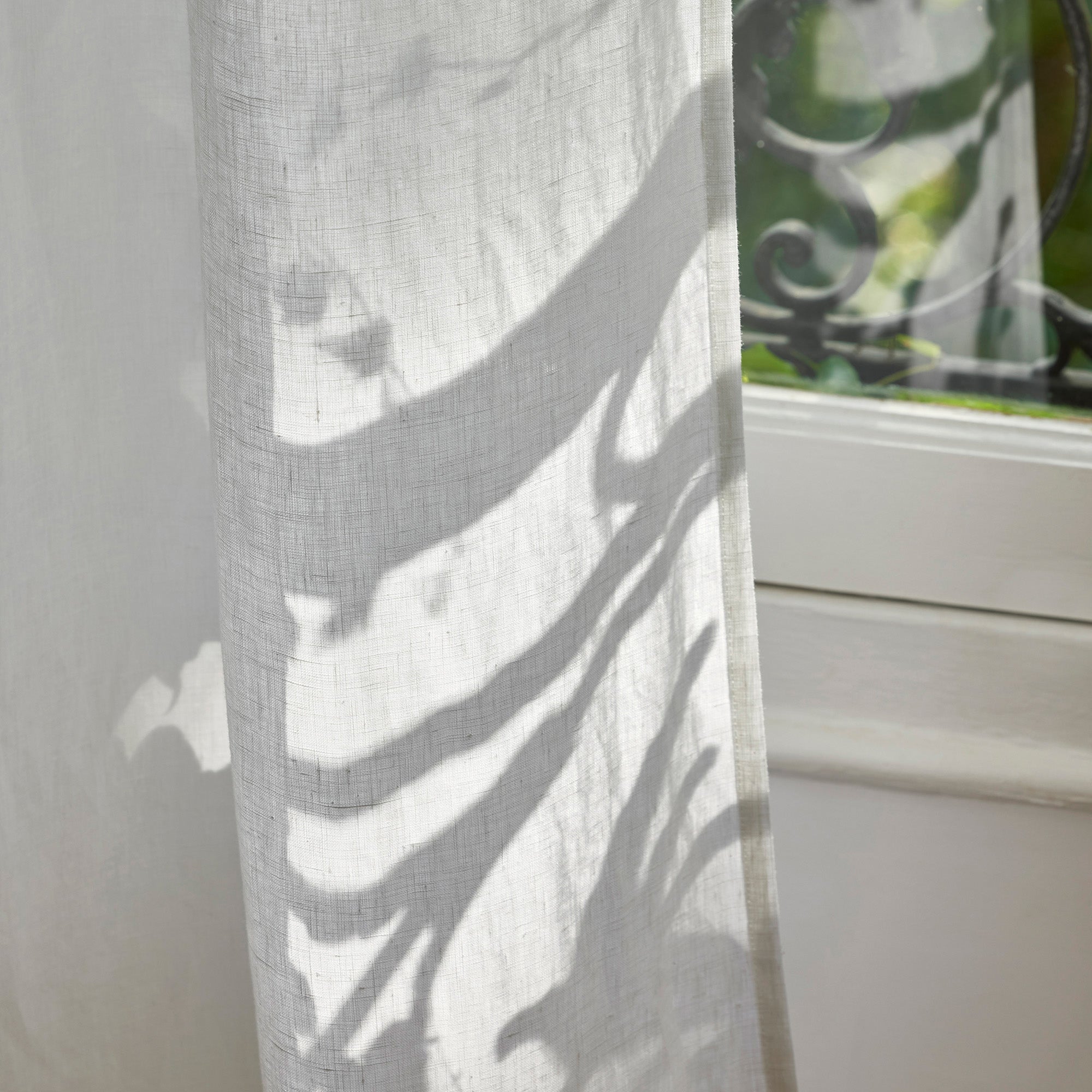
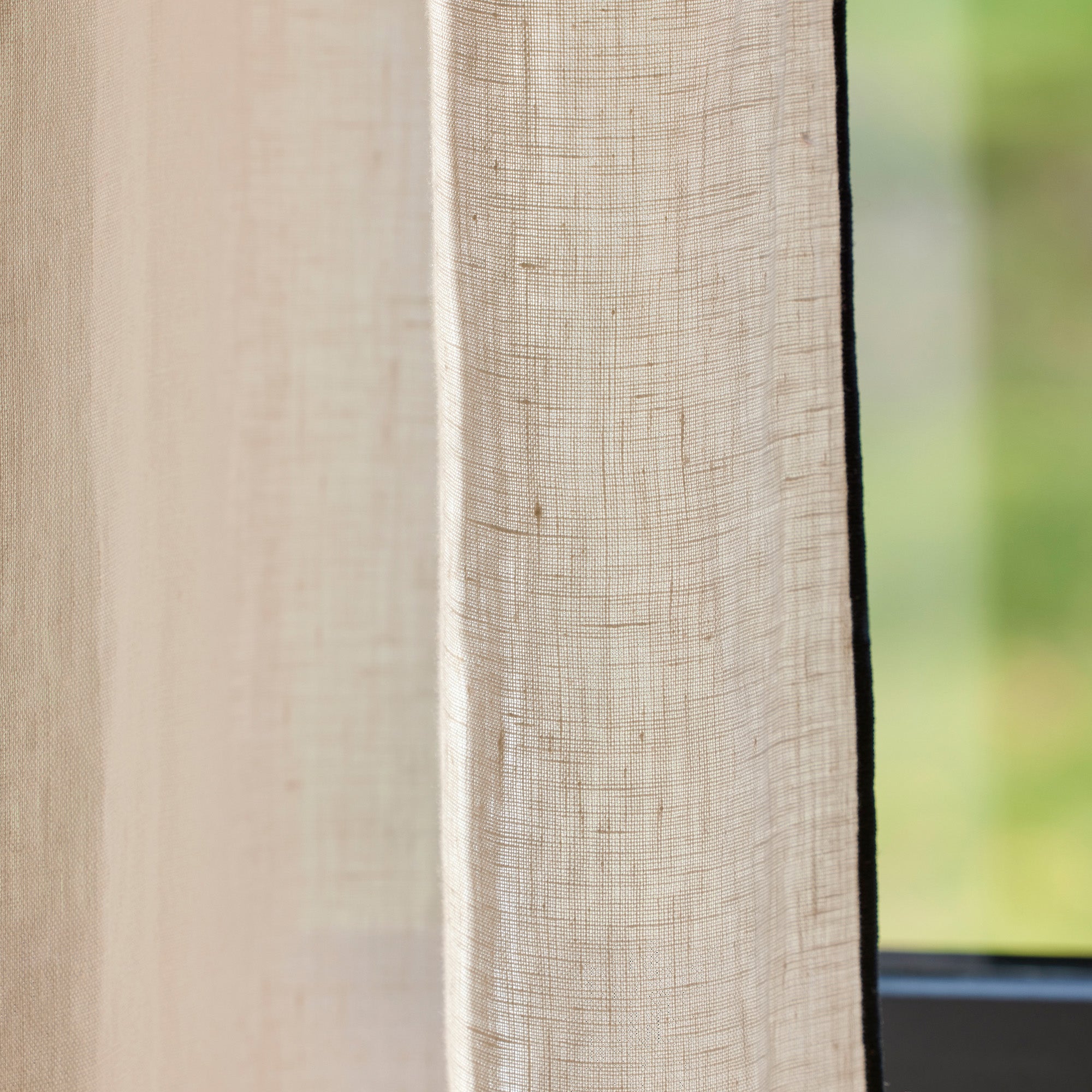
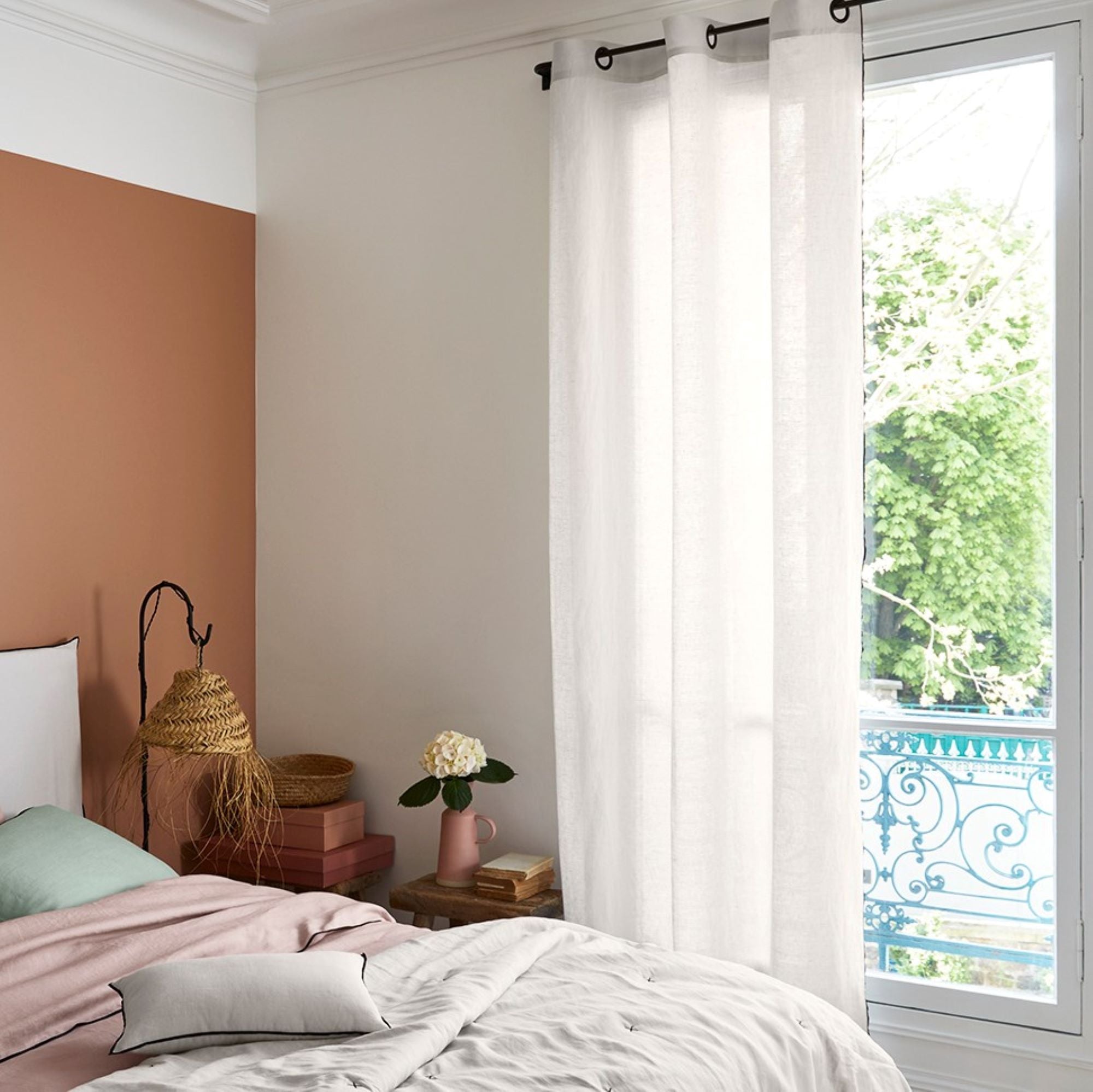
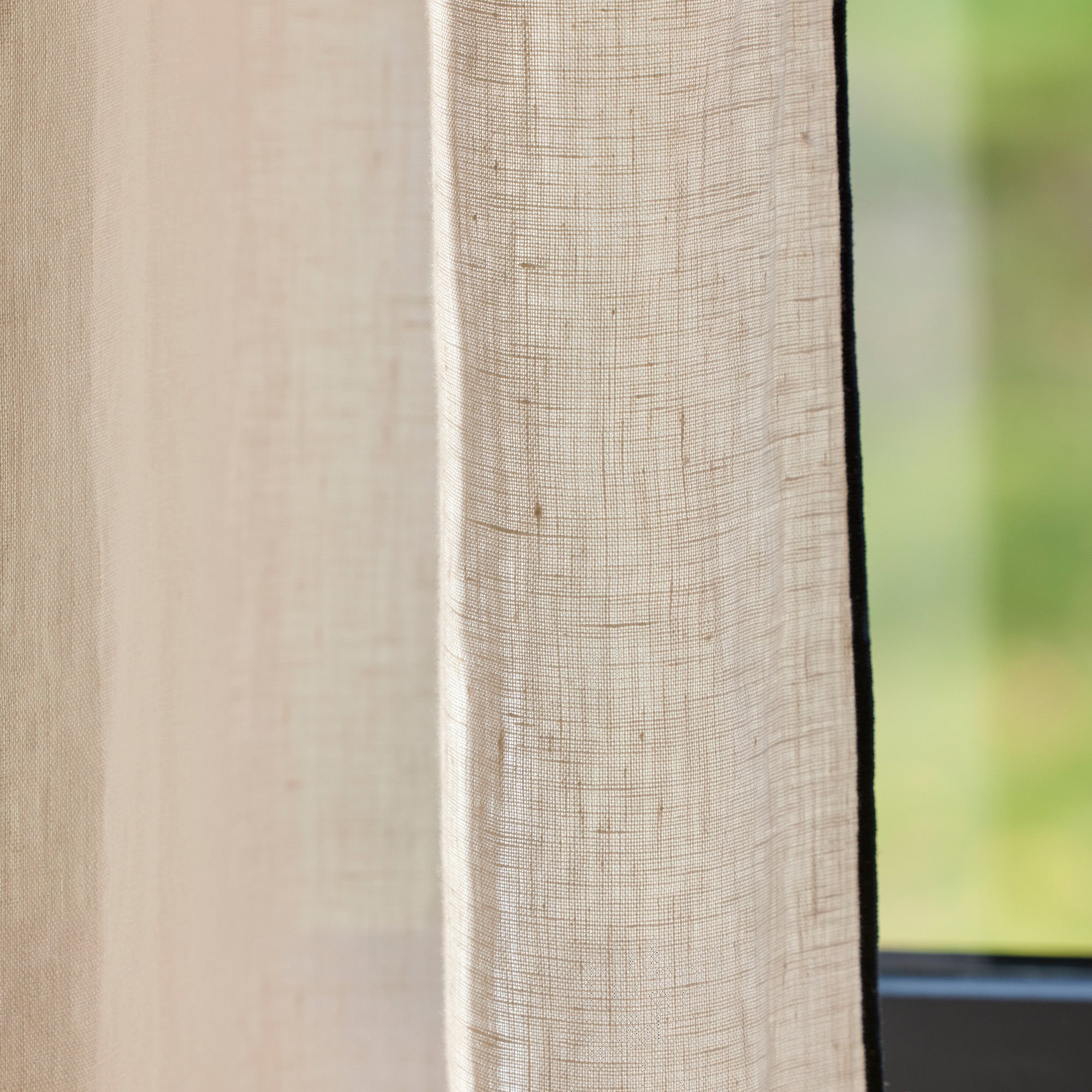
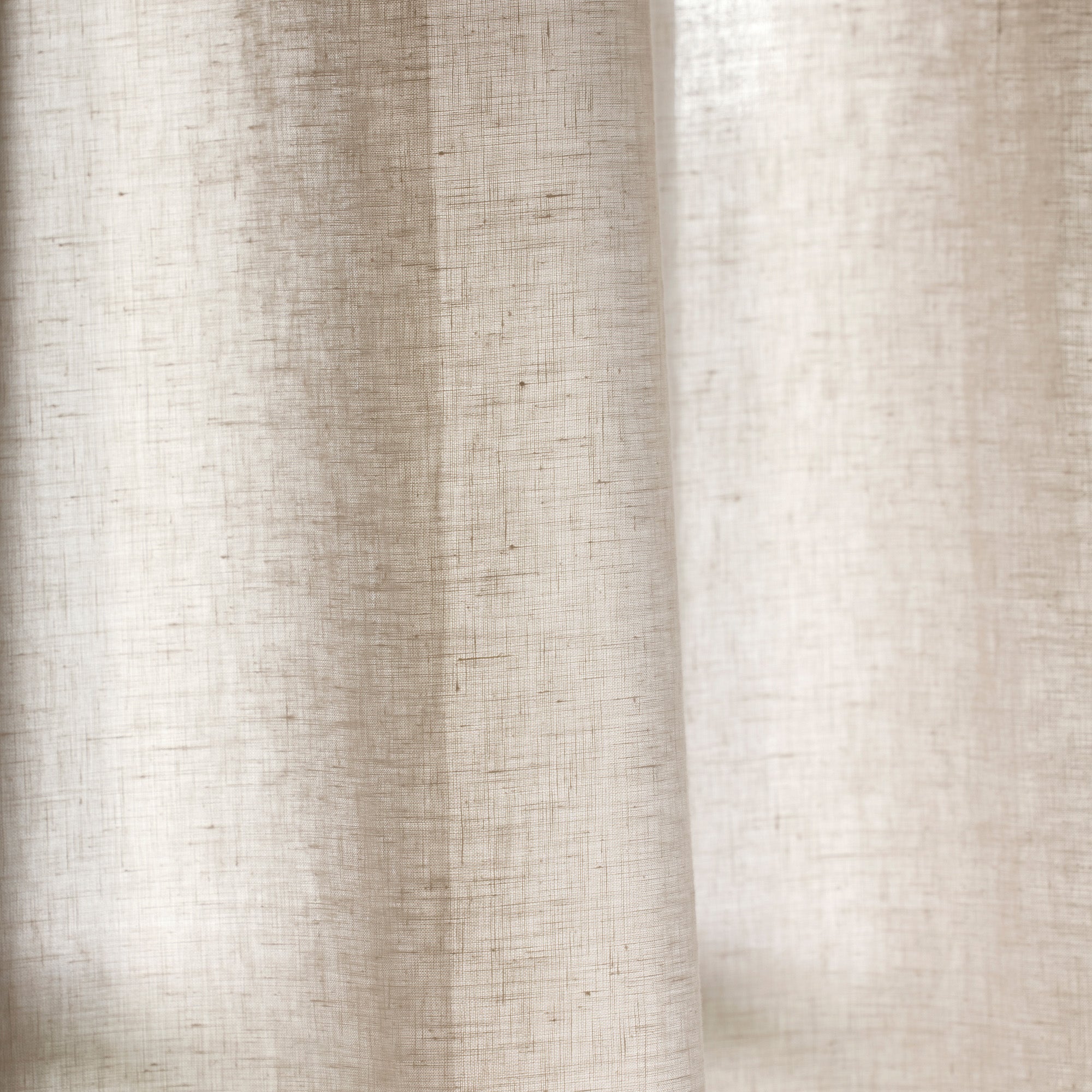
A linen curtain allows light to pass through softly and gently. Its slightly irregular texture gives it a natural, authentic, and contemporary look.
Linen has natural thermoregulatory properties: it keeps cool in summer and provides moderate insulation in winter. It is also an ecological, biodegradable, and durable material that improves with each wash.
The main drawback of linen is its tendency to wrinkle. It requires regular ironing or the acceptance of a deliberately wrinkled look, which is very trendy in contemporary interiors.

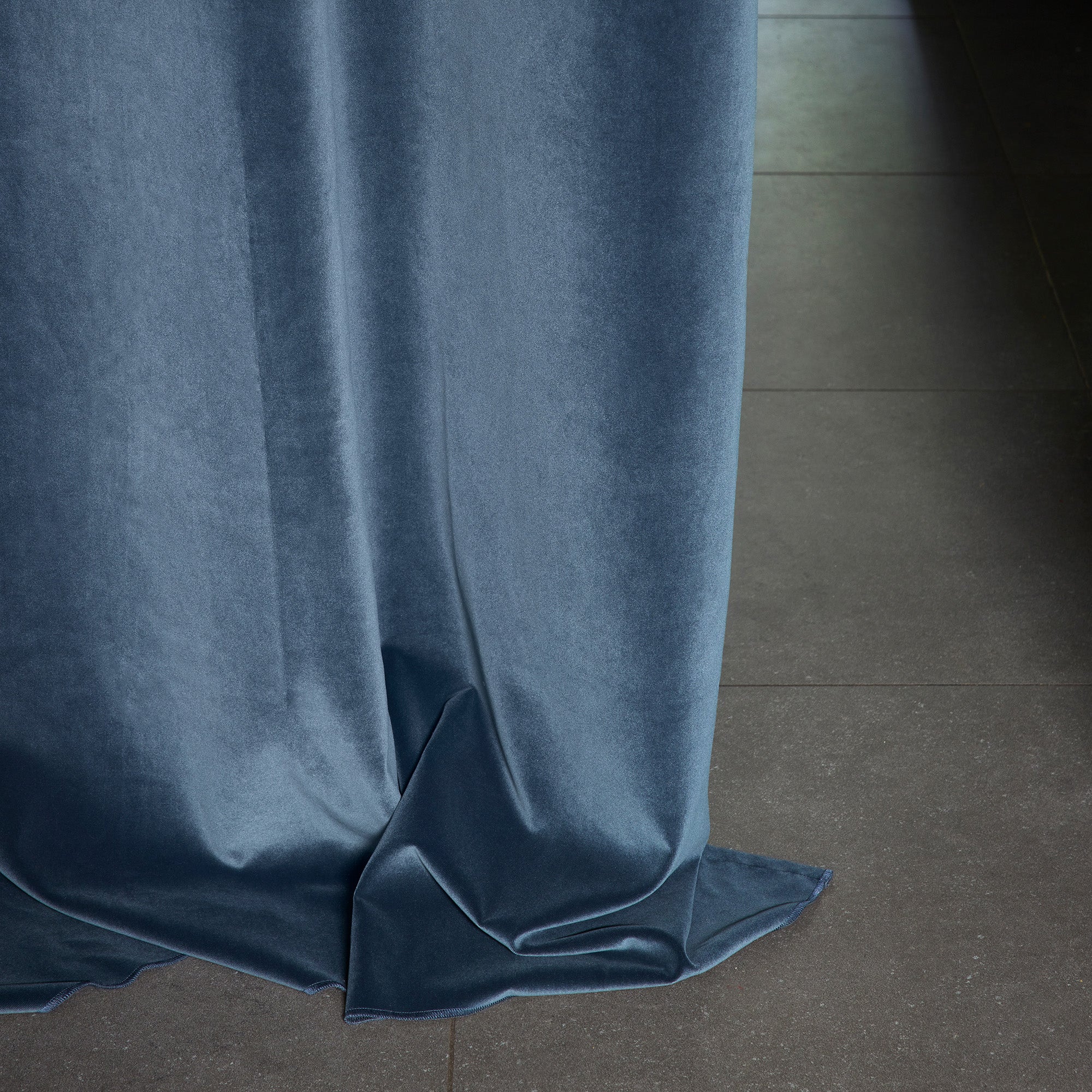
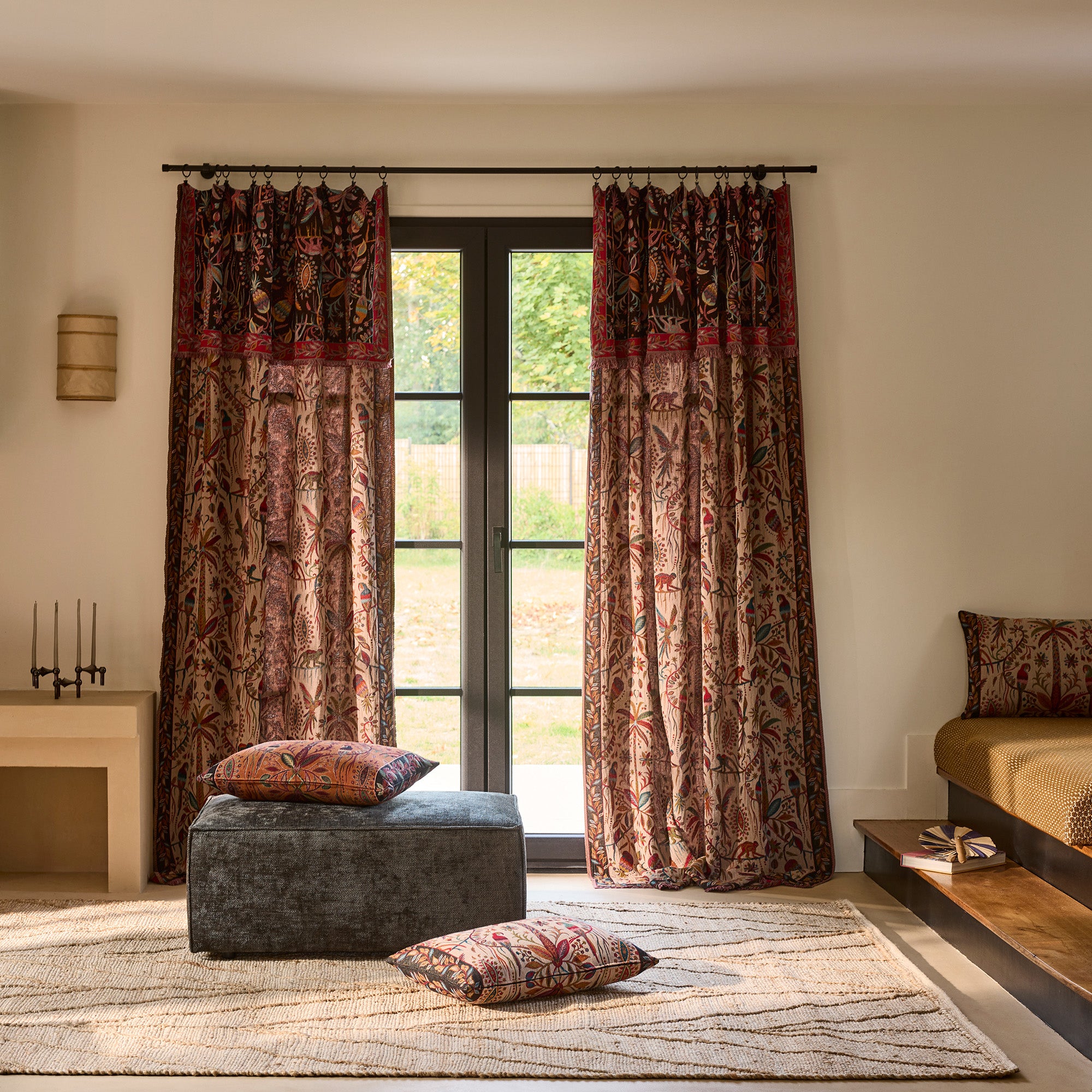
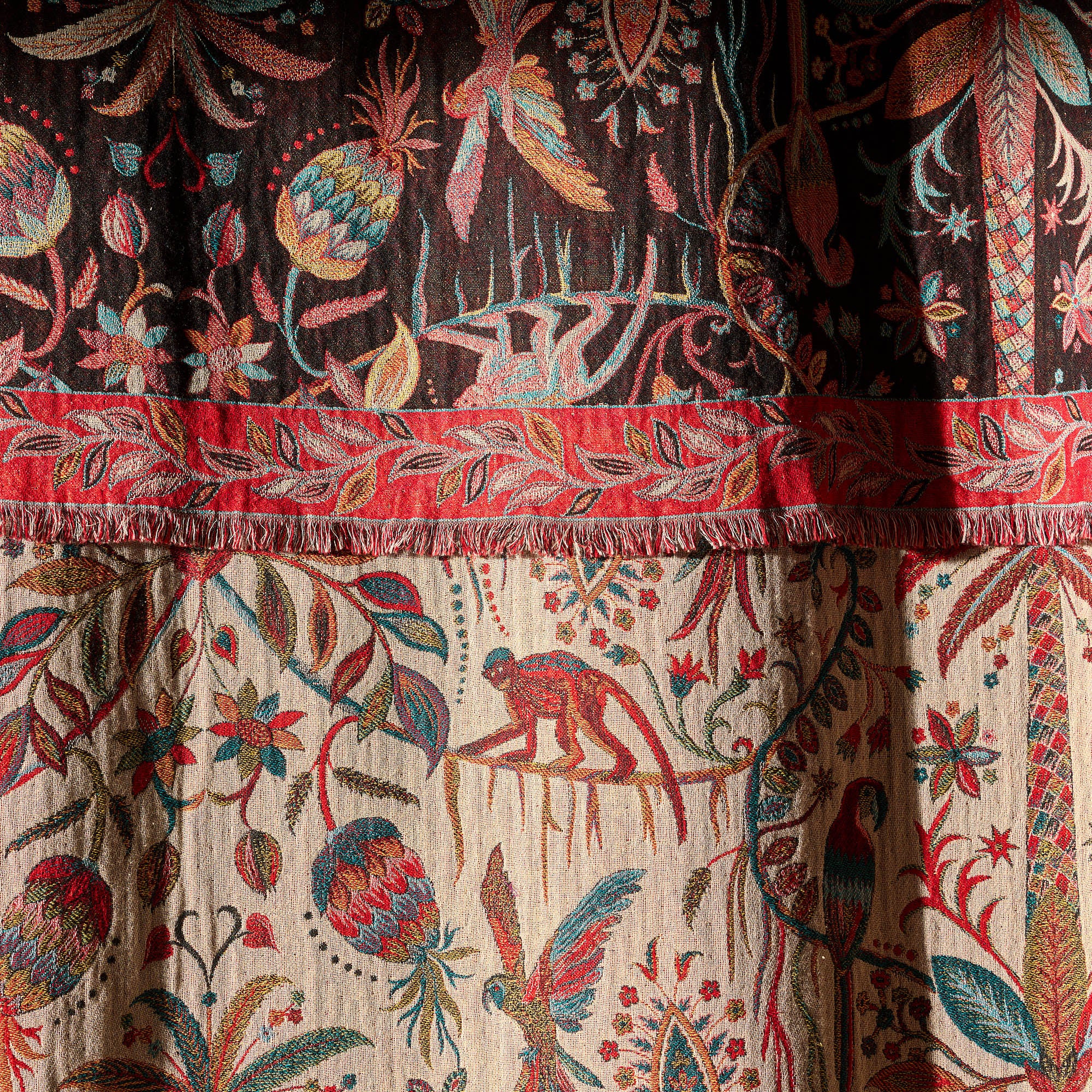
Velvet is a thick fabric with a soft feel and a shiny appearance. It can be made from cotton, linen, silk, or synthetic fibers like polyester.
Its density makes it an excellent thermal and acoustic insulator. Thick velvet curtains can reduce thermal losses through windows by 30 to 40%, representing significant savings on heating bills in homes with single glazing.
Velvet also offers excellent blackout capabilities. It is an ideal curtain for bedrooms and rooms where a cozy atmosphere is desired.
Conversely, velvet is heavier, more delicate to maintain, and can attract dust and pet hair. It requires a sturdy curtain rod to support its weight.

The choice of material depends primarily on the room's function and orientation.
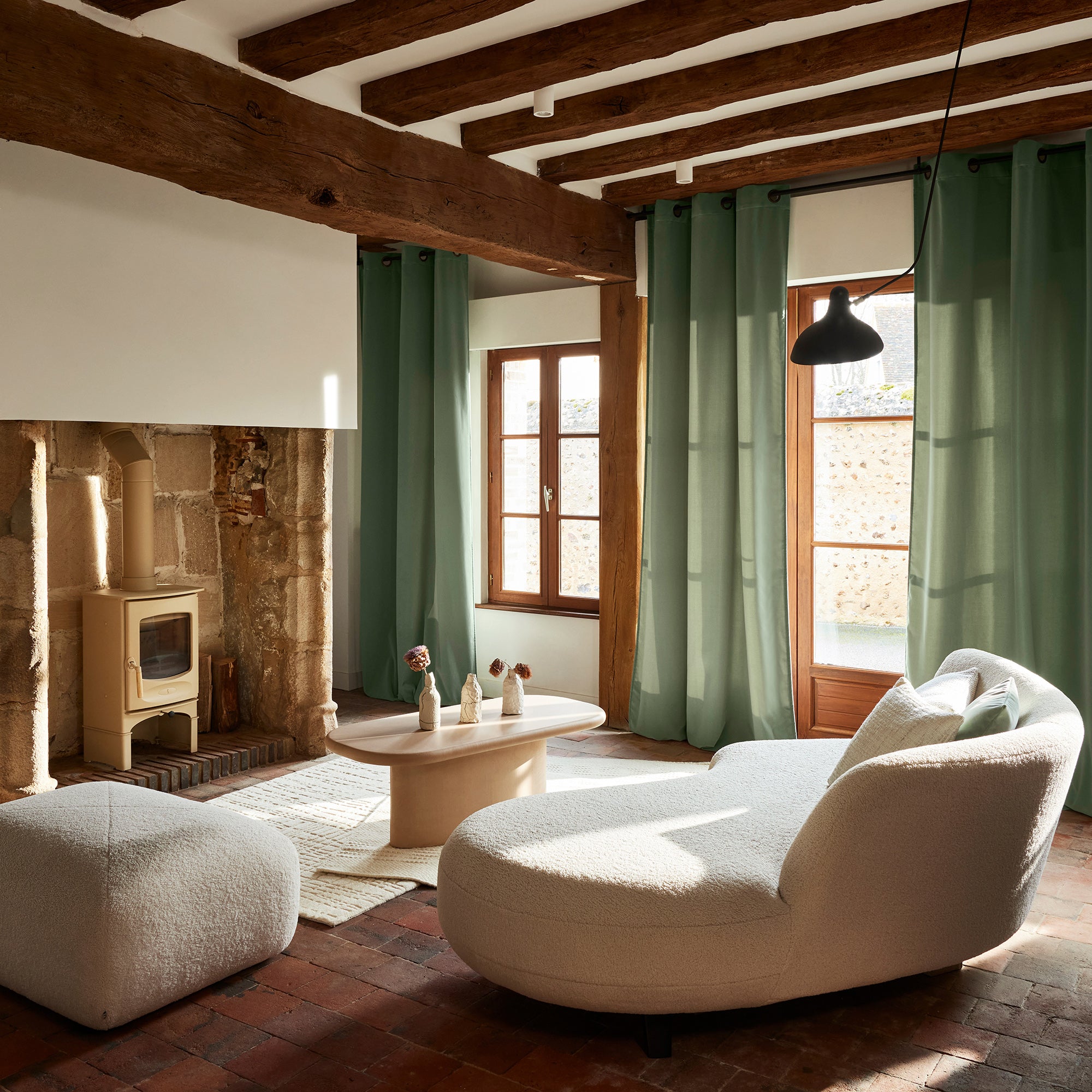
Living room: For a bright living room facing south or west, linen filters light while maintaining an airy atmosphere. For a north-facing living room, velvet provides warmth and insulation.
Bedroom: Velvet is the preferred choice for a bedroom: its opacity promotes quality sleep. For children's bedrooms, opt for machine-washable velvet.
Kitchen: Linen is recommended for the kitchen due to its durability and ease of maintenance. Avoid velvet, which absorbs cooking odors.
Office: Linen creates a serene and contemporary ambiance, ideal for concentration. Velvet is suitable if you need to reduce outside noise.
Veranda or bay window: Choose linen, which allows natural light to pass through while filtering UV rays. Velvet would be too heavy and block out light.
Prices vary depending on fabric quality, dimensions, and manufacturing.
Linen curtain — Expect to pay between €50 and €120 per panel for quality linen. Washed, pre-shrunk linen falls into the higher price range but avoids surprises after washing.
Velvet curtain — Prices range from €80 to €180 per panel depending on the composition (cotton velvet, synthetic velvet). Cotton velvet is more expensive but offers a superior drape and feel.
In both cases, investing in quality material pays off in the long run: a well-maintained curtain lasts 7 to 10 years.

Linen: Machine wash at 30°C, delicate cycle, spin at a maximum of 400 rpm. Linen withstands repeated washing well and softens over time. Iron it while still damp for a smooth finish, or leave it naturally wrinkled.
Velvet: Regular vacuuming (with a brush attachment). Hand wash in a bathtub of lukewarm water or dry clean. Cotton velvet can sometimes withstand a machine wash at 30°C without spinning, but always check the label.
Recommended frequency: dust your curtains 1 to 2 times a month and deep clean them 1 to 2 times a year.

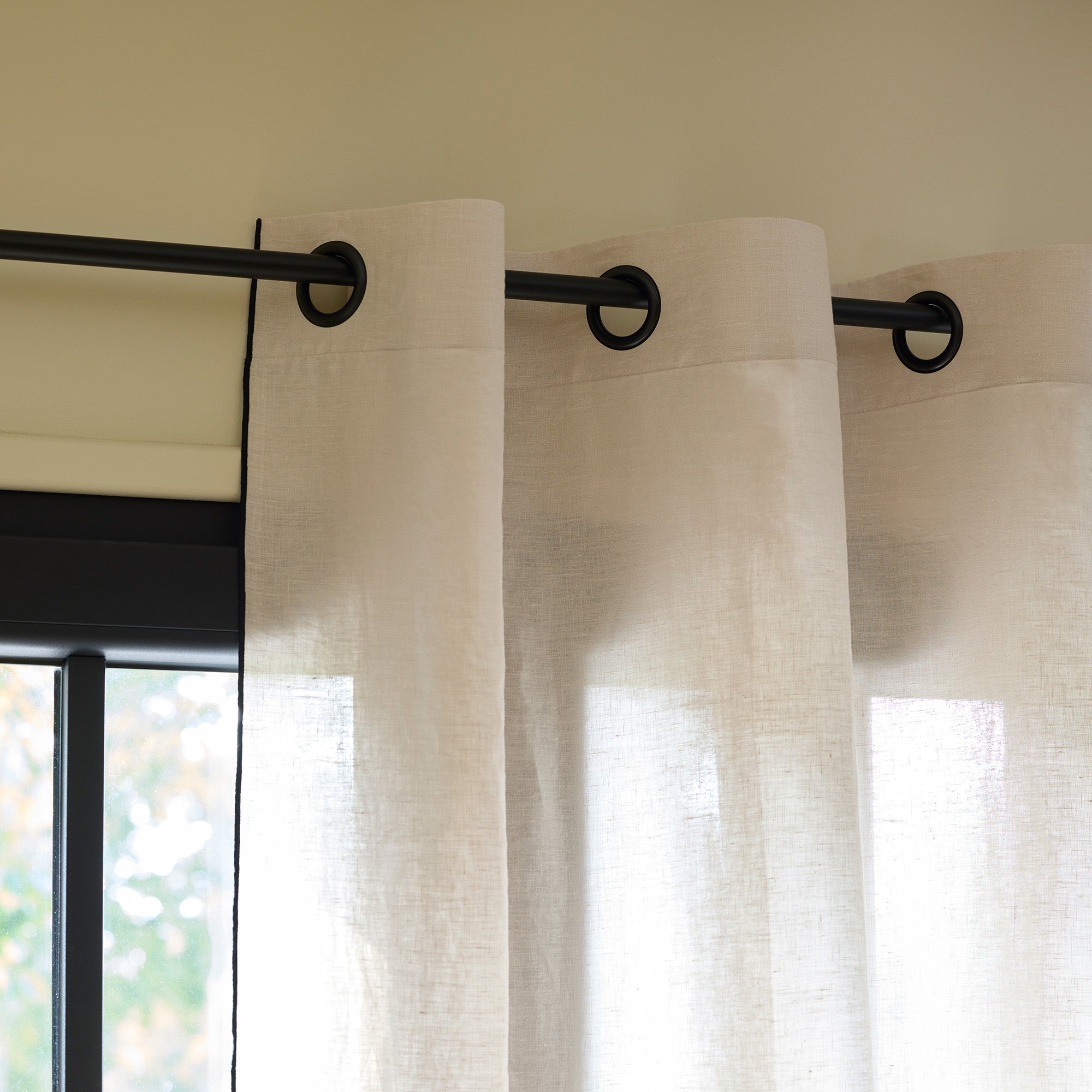
For over 50 years, Madura has selected quality raw materials for its curtains. The collections of washed linen and cotton velvet curtains are designed to combine aesthetics and functionality. Each curtain is available in multiple dimensions, with a choice of suitable curtain headings (eyelets, pencil pleat tape, hidden tabs). In-store advisors can help you choose the ideal material and color based on your room and decorative style.

Is linen a good material for curtains?
Yes, linen is an excellent material for curtains. It naturally filters light, regulates temperature (coolness in summer, moderate insulation in winter), and improves with each wash. It is also an ecological fiber, with France being the world's leading producer.
Does velvet really insulate against the cold?
Yes. A thick velvet curtain can reduce heat loss through windows by 30 to 40%. According to ADEME, windows account for 10 to 15% of a home's thermal loss, making velvet curtains particularly useful in older homes.
Can velvet curtains be used in a kitchen?
It is not recommended. Velvet absorbs cooking odors and suspended grease. For the kitchen, choose linen or cotton, which are easier to maintain and resistant to frequent washing.
Which curtain to choose for a bright living room?
For a sun-drenched living room, linen is ideal: it filters light without darkening the room. If the living room is north-facing and lacks warmth, velvet in warm tones will create a cozy atmosphere while insulating against the cold.
Does linen wrinkle a lot?
Yes, wrinkling is a natural characteristic of linen. This is also part of its charm. Washed linen has a more controlled and natural wrinkle. If you want a smooth look, iron the curtain while still damp after washing.
Sommaire
Our last articles
Conseils et astuces •8 min
Correctly measuring your curtains is the first step to achieving a neat and harmonious result. This guide explains how to...
Conseils et astuces •8 min
Proper care for each material — linen, cotton, percale — helps preserve the softness, colors, and durability of your home...