


Conseils et astuces •8 min
How to properly measure for curtains?
Correctly measuring your curtains is the first step to achieving a neat and harmonious result. This guide explains how to...

Madura customer service
Available on WhatsApp, by chat or by phone at 01 42 34 99 59

All the tips and tricks from our team, just like in store, delivered straight to you.
All articlesMost searched articles
Conseils déco

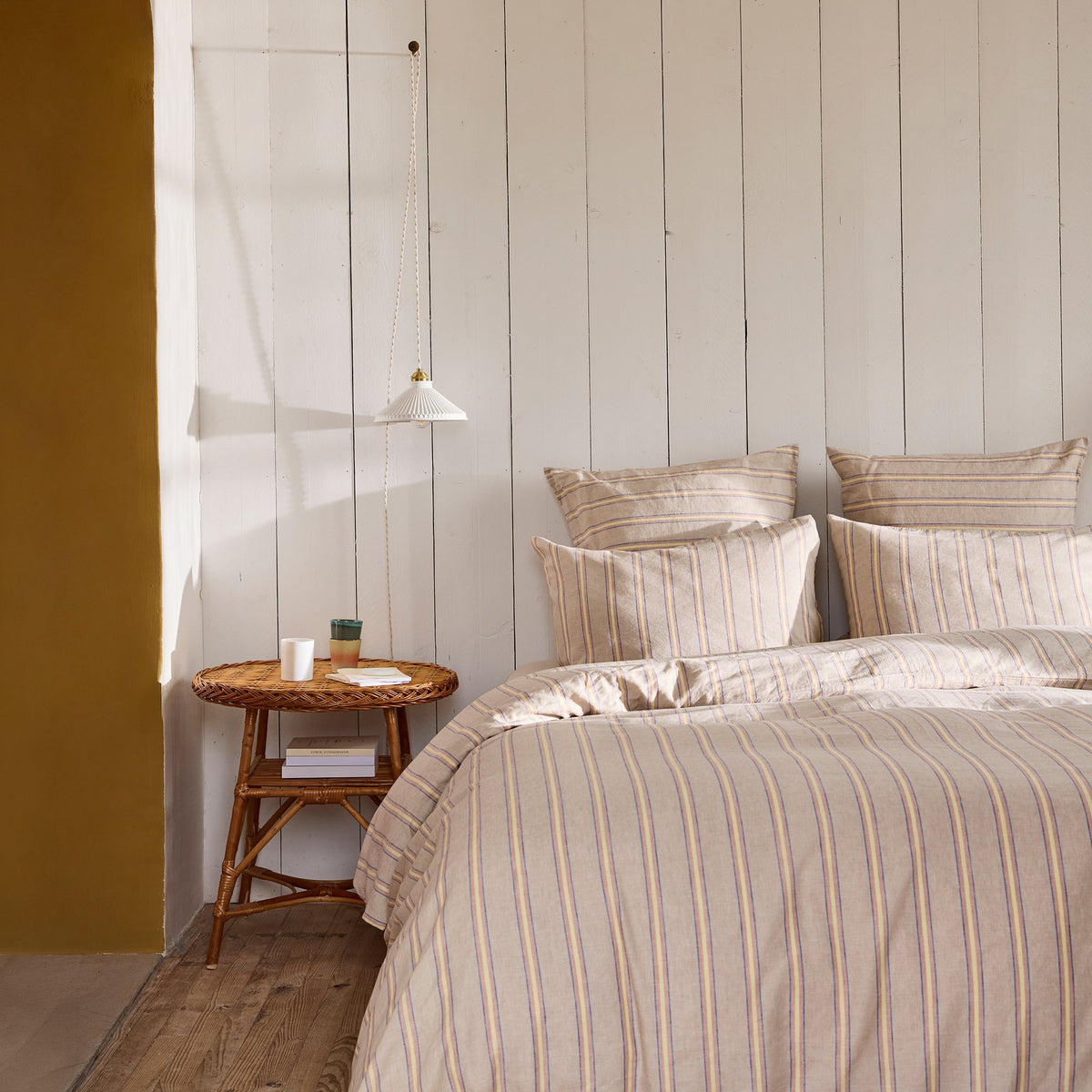
To sleep well, it's not enough to have a good mattress: the material of your bed linen influences the feel, temperature regulation and durability. The most common fabrics – cotton, linen, percale and satin – each have particular qualities. This article explains their differences, indicates what type of sleeper they are made for and gives practical advice for choosing the ideal set.

Cotton is the queen material for bed linen. It is a soft and breathable plant fiber, appreciated for its resistance and easy maintenance. The different ranges of cotton sheets vary mainly in the weave (percale or satin) and the number of threads per square centimeter. The longer the fiber and the tighter the weave, the more durable and pleasant the fabric is to the touch.
Percale is not a material but a method of weaving. Each horizontal thread passes perpendicularly over a vertical thread, which gives a matte, fresh and very breathable fabric. Percale sheets have a smooth, crisp feel; they soften and become more flexible with each wash. This tight structure (200 to 300 threads per inch for high-end versions) ensures great resistance and a long lifespan. According to the Anne de Solène guide, percale is ideal for sleepers who are hot because it regulates the temperature and lets air circulate. Care is simple: machine wash at 40°C with mild detergent and dry at low temperature. The only downside is that it creases easily and may require ironing to maintain its crisp appearance.
Like percale, satin is a long-strand cotton weave; each wire passes under one wire and then over three or four wires, creating a smooth, shiny surface. This heavier weave makes the sheets more fluid and silky; they drape well and offer a slight satin effect. The high density (between 120 and 200 threads/cm²) gives them a warm and enveloping feeling, ideal for people who are cold or in cold seasons. Satin sheets are naturally wrinkle-resistant and retain their luster after washing. However, they retain more heat and may be less suitable for sleepers who sweat a lot. Satin remains less durable than percale and requires delicate maintenance to avoid snags and pilling.
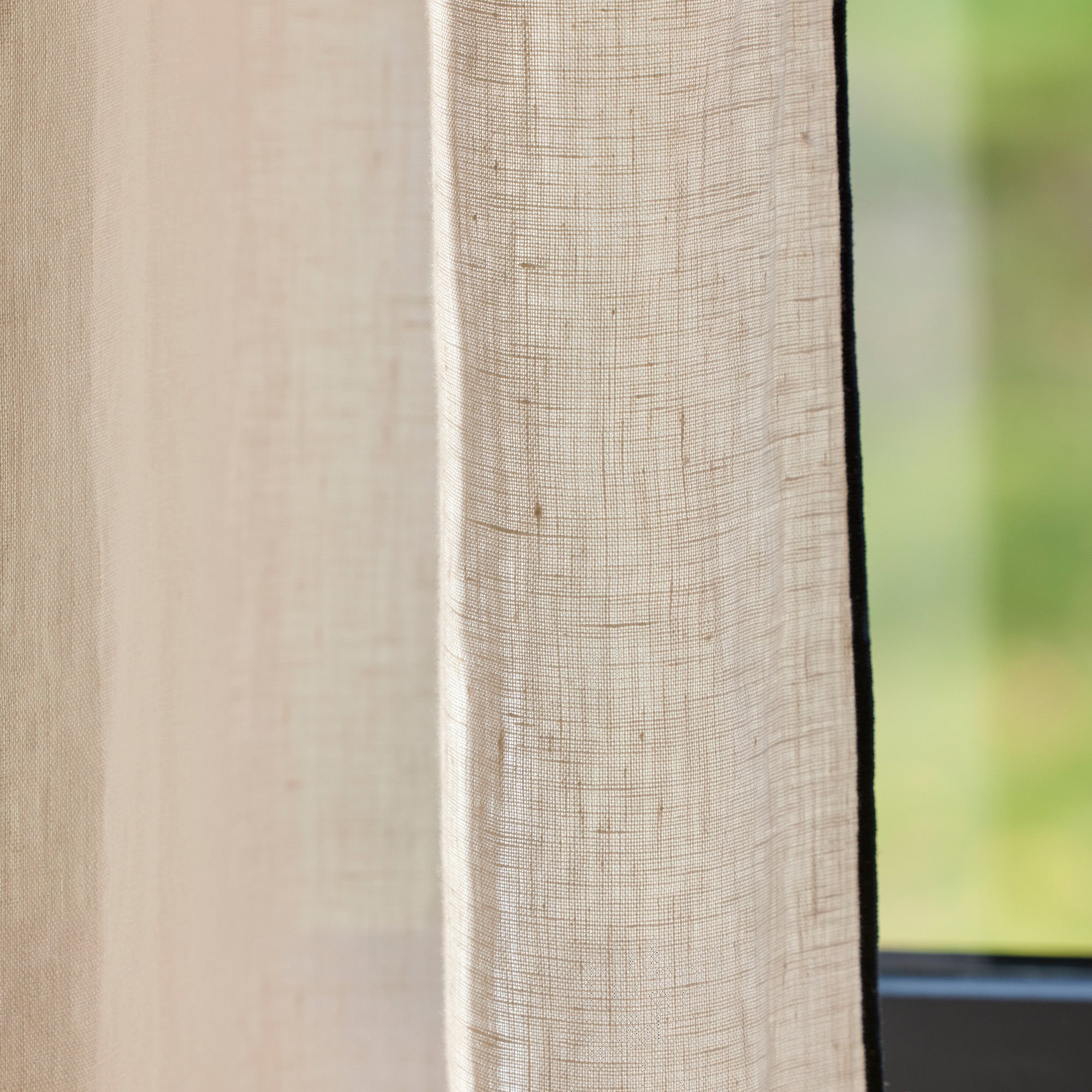
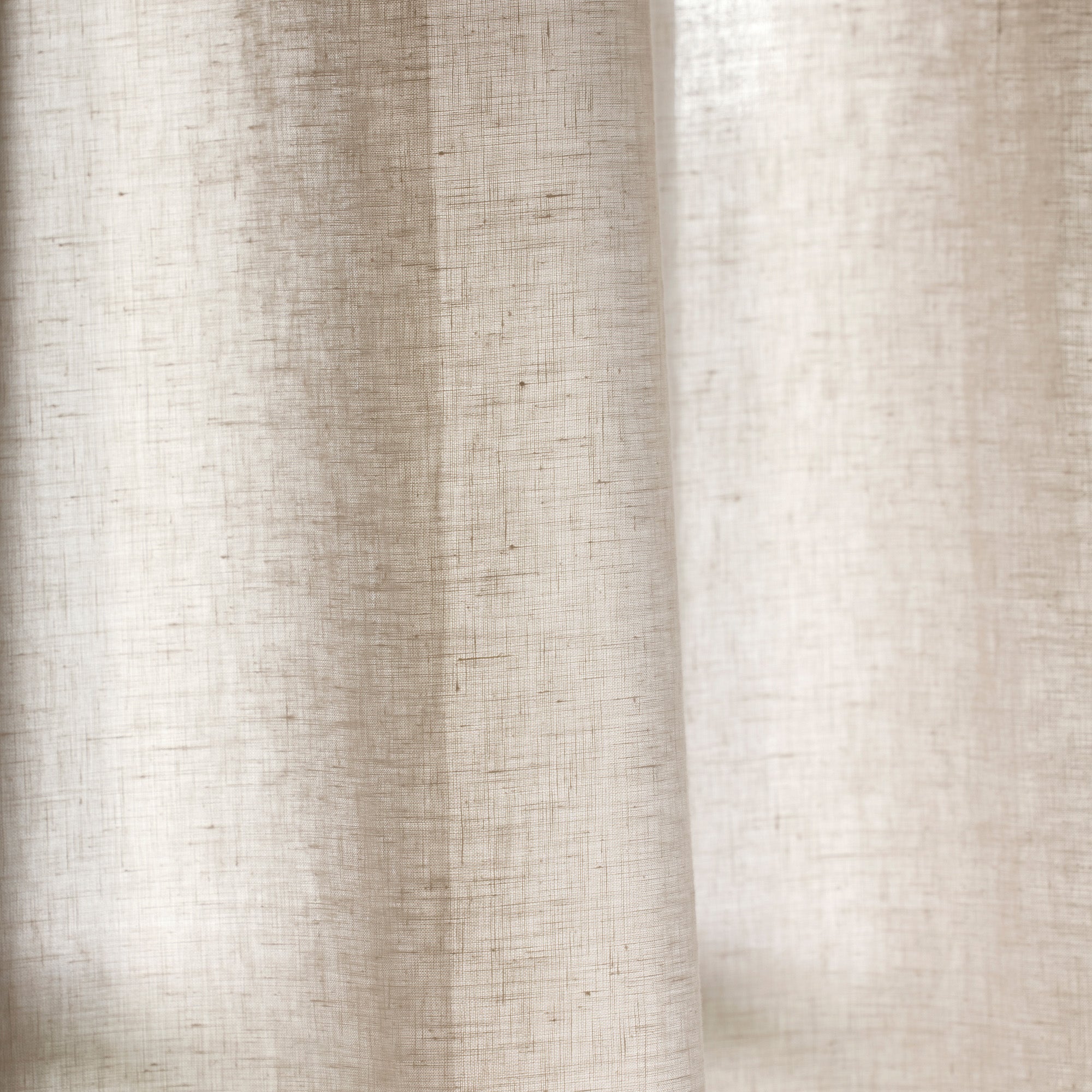
Made from flax stems, this textile is known for its resistance and lightness. Unlike cotton, it naturally regulates temperature: it keeps you cool in summer and warm in winter. Linen can absorb up to 20% of its weight in moisture without appearing damp, making it an ideal choice for people who sweat at night. Its long, strong fibers ensure great durability and become more supple with each wash. Linen is also naturally antibacterial and hypoallergenic. Environmentally, it requires little water and pesticides; all parts of the plant are used, reducing waste. Aesthetically, it has a crinkled appearance and an authentic texture that brings a casual charm. Its higher price is justified by its longevity and reduced ecological impact.
Although cotton, percale, satin and linen are the most common, other materials exist. Silk is luxurious, hypoallergenic and temperature-regulating, but requires delicate maintenance. The flannel, in brushed cotton, offers cozy warmth ideal for winter. Fibers such as bamboo or Tencel (eucalyptus) are appreciated for their softness, their absorbency and their antibacterial properties. These options can complement your bed linen according to the season and your needs.

Comfortable bed linen depends on your body temperature, tactile preferences and ethics. Here are some typical profiles:
You feel hot at night : choose cotton percale or linen. The percale weave ensures good air circulation and a feeling of freshness, while the linen absorbs moisture and regulates temperature.
You are chilly : opt for cotton satin or flannel. The satin weave retains heat and offers an enveloping touch, and the flannel is soft and warm.
You are looking for an ecological material : choose linen, GOTS certified organic cotton or natural fibers like bamboo. Linen consumes little water and does not use pesticides, and organic cotton reduces the environmental footprint.
You have sensitive skin : prefer cotton satin or silk. Their smooth surface limits irritation and marks on the skin and hair.
You want a fabric that is durable and easy to maintain : percale and linen are your allies. Their resistance and ease of maintenance make them ideal for daily use.

|
Material / Weaving |
Touch feeling |
Breathability & warmth |
Maintenance |
Ideal for |
|
Cotton percale |
Fresh, matte, crisp feel; softens with each wash |
Excellent breathability, ideal for warm nights |
Machine wash at 40°C; may require ironing |
Sweaty sleepers, people looking for durability and easy care |
|
Cotton sateen |
Silky, fluid, slightly shiny |
Retains more heat; suitable for those who are cold |
Gentle wash, tumble dry low; risk of pilling |
Chilly sleepers, lovers of elegance and softness |
|
Linen |
Natural texture, chic crinkle look |
Thermoregulating: cool in summer, warm in winter |
Wash in lukewarm water; becomes softer with time |
Eco-friendly sleepers, sensitive skin, all-season use |
|
Silk |
Very soft, shiny |
Hypoallergenic, good thermoregulation |
Delicate maintenance; hand wash recommended |
Sensitive skin, occasional luxury |
|
Flannel (brushed cotton) |
Fluffy and warm |
Excellent insulation; less breathable |
Wash at low temperature; can fluff |
Winter, cold sleepers |
|
Bamboo/Tencel |
Very soft, silky |
Absorbent and antibacterial |
Gentle wash; higher price |
Eco-responsible and sensitive skin |

Check the thread count : a percale weave of at least 80 threads/cm² and a satin of at least 120 threads/cm² offer softness and durability. Tighter weaves provide better strength but increase weight and heat.
Choose long, certified fibers : long combed fibers result in a stronger and softer fabric. Choose Oeko-Tex or GOTS certifications to guarantee the absence of chemicals.
Adapt the material to the season : percale and linen for summer, satin, flannel or silk for winter. Consider mixed sheets (linen/cotton) for mid-season.
Consider the interview : percale and linen are easily washed, while satin and silk require a delicate cycle or hand wash.
Harmonize with your decoration : choose a material whose appearance (matte, shiny, wrinkled) matches your style. Neutral colors (white, beige, gray) and natural textures go well with a stylish interior.

Confusing material and weaving : Percale and sateen are cotton weaves, not separate fibers.
Ignore thread density : a weave that is too loose will wear out quickly and be less comfortable. Conversely, a weave that is too tight could be heavy for summer.
Neglecting maintenance : using hot water or harsh detergents can damage the fibers and dull the colors.
Sacrifice quality for price : low-end bed linen will wear out quickly. Investing in long fibers and certified fabrics guarantees better value for money over time.
Forgetting the environmental impact : choose linen and organic cotton to reduce your ecological footprint.

Founded in 1971, Madura revolutionized textile decoration by offering “ready-to-hang” curtains and household linen. The French brand is recognized for the quality of its materials, its creativity and its know-how. Its bed linen collections use long fibers and quality weaves, combining percale and cotton satin with careful finishes. Madura favors sustainable and natural materials, such as washed linen and Oeko-Tex certified cotton, in order to offer products that are both responsible and aesthetic.
Choosing Madura means opting for jewelry made by experienced craftsmen, with a refined and timeless design. The brand offers varied ranges of duvet covers, fitted sheets and pillowcases that fit easily into your decoration. It also offers an advice and personalization service to harmonize your bed linen with your curtains and cushions, in order to create a coherent interior effortlessly.

What is the difference between percale and cotton sateen?
Percale and satin are two weaves made with long cotton fibers. Percale uses a classic “one thread on one thread” weave, which gives a matte, fresh and durable texture. The cotton sateen goes under one thread then over three threads, providing a shiny look and silky feel but retaining more heat.
Is linen suitable for people with allergies?
Yes. Linen is naturally antibacterial and hypoallergenic; its ventilated structure limits the proliferation of dust mites and allergens.
How to choose the number of threads?
For durable and comfortable bed linen, choose percale with at least 80 threads/cm² and satin with more than 120 threads/cm². Denser weaves offer more softness and strength, but they may be warmer.
What bed linen for summer?
In summer, favor cotton percale and linen. Their breathability and freshness help regulate temperature. You can also choose linen/cotton blends or Tencel for a lightweight feel.
How do I care for my satin or silk sheets?
Wash your satin or silk sheets at low temperature (delicate cycle) with a mild detergent. Avoid drying on high heat and iron on low heat if necessary. Silk may require hand washing.
Does eco-friendly bed linen cost more?
Ecological materials such as linen or organic cotton have a higher cost due to their environmentally friendly production. However, their durability and low ecological impact compensate for the long-term investment.
Also discover our other articles:
- How do I choose sheers for my living room?
- What types of blinds to choose (Venetian, roller, pleated, boat, etc.)?
- What curtain to put in a living room with white walls?
Sommaire
Our last articles
Conseils et astuces •8 min
Correctly measuring your curtains is the first step to achieving a neat and harmonious result. This guide explains how to...
Conseils et astuces •8 min
Proper care for each material — linen, cotton, percale — helps preserve the softness, colors, and durability of your home...