



Conseils déco •7 min
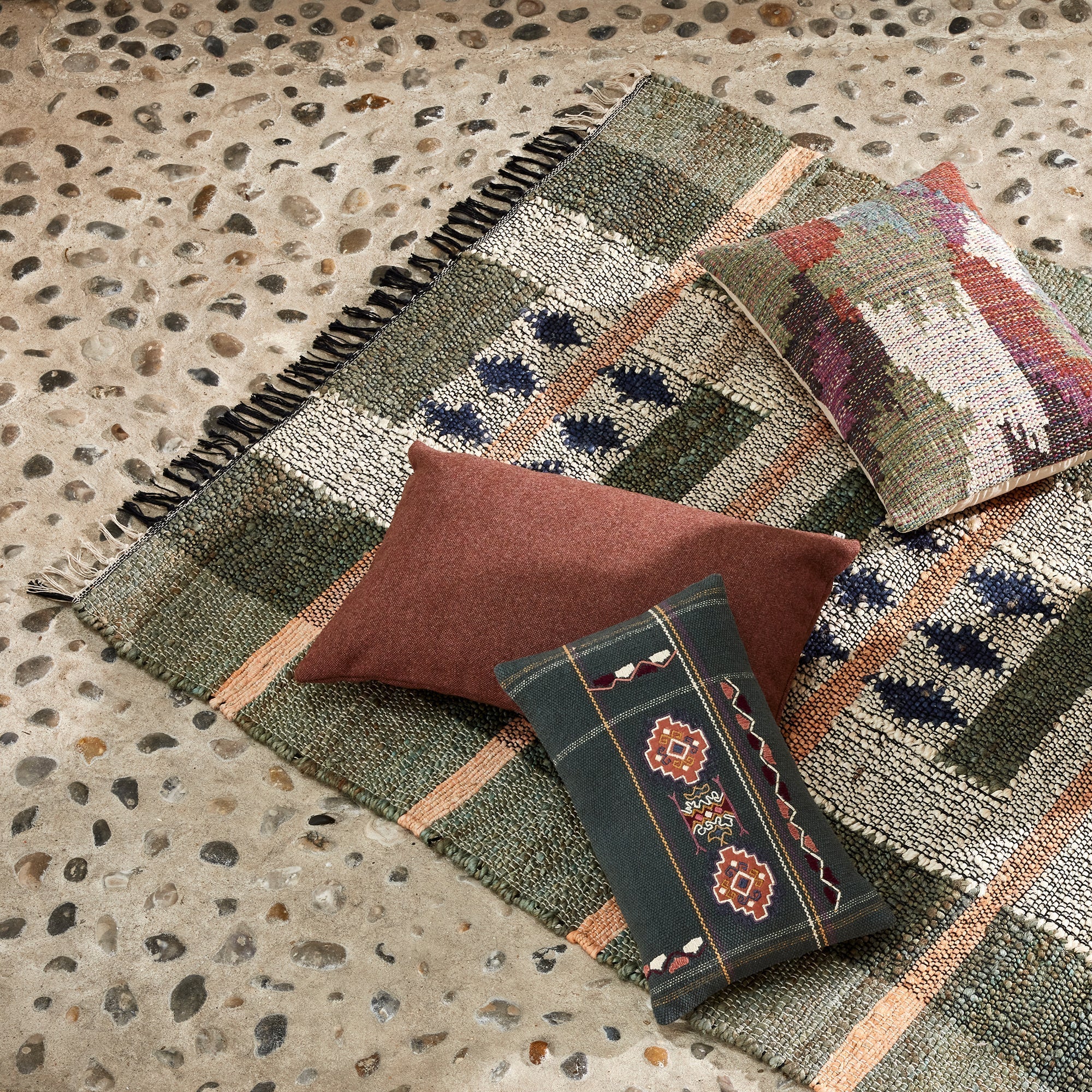
Which rug for summer: natural fibers that stay cool underfoot
In summer, the choice of carpet directly influences the feeling of freshness and comfort on the floor. Seagrass, jute, cotton:...

Madura customer service
Available on WhatsApp, by chat or by phone at 01 42 34 99 59

All the tips and tricks from our team, just like in store, delivered straight to you.
All articlesMost searched articles
Conseils déco
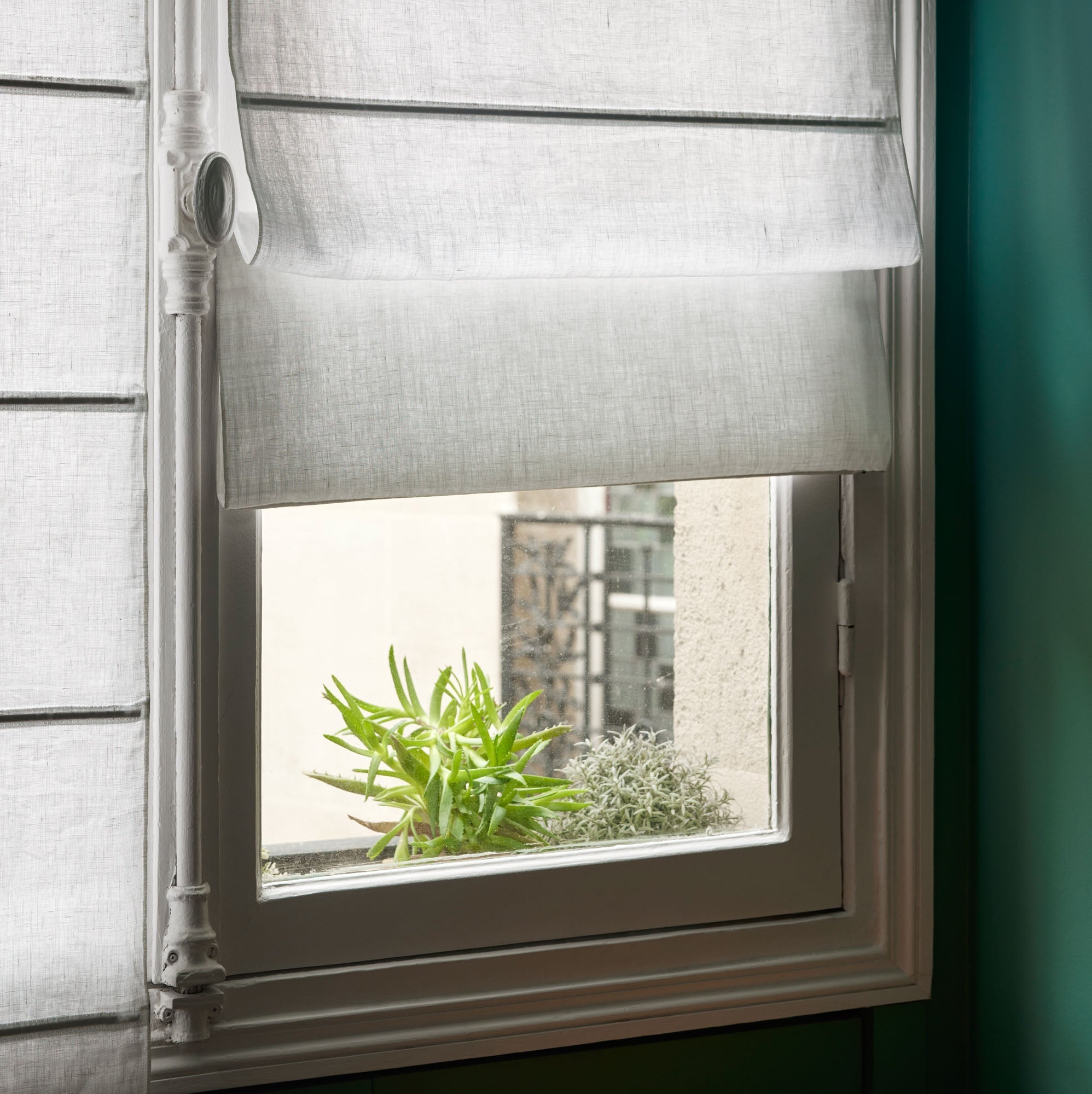
The Roman blind and the roller blind are two types of window blinds which are distinguished by their lifting mechanism, their visual rendering and their level of concealment. The Roman blind folds in harmonious folds upwards, creating a soft and architectural draping effect. The roller blind wraps discreetly around a tube at the head of the window for a clean and minimalist line. In summary: the first brings character and texture, the second favors sobriety and functionality. To compose your window according to your light and your style, discover all of our collection of blinds.
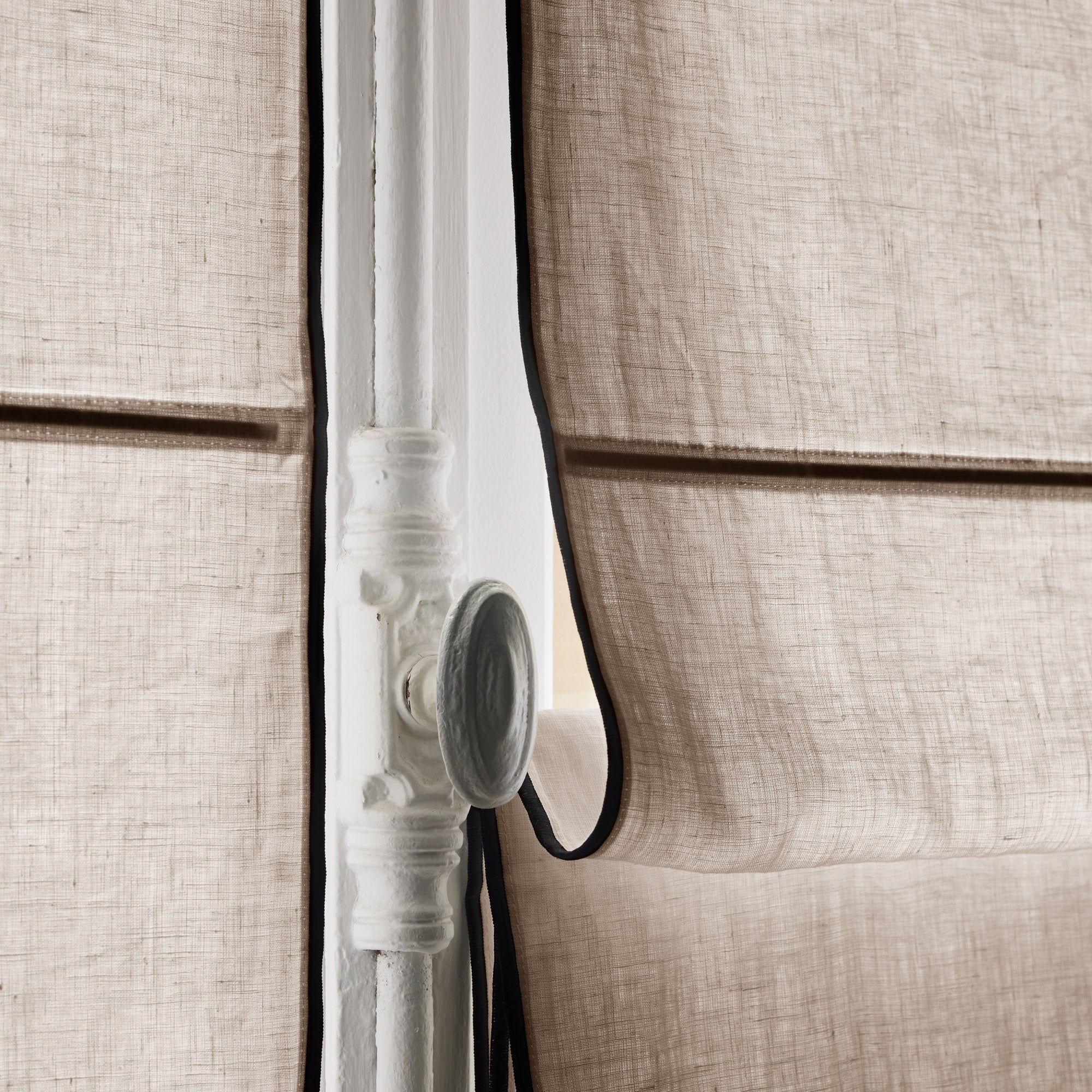
The Roman blind is a fabric window blind that is raised using cords sliding in rings sewn to the back of the panel. When the cord is pulled, the fabric rises, forming regular, swelling folds, similar to the sail of a boat, hence its name.
This mechanism leaves the fabric permanently visible, even when the blind is raised. This is precisely what makes it a decorative element in its own right: it dresses the window in any position and highlights the material, pattern or color of the chosen fabric.
The Roman blind is particularly suitable for windows with a square or low proportion, because the draping effect is fully expressed in this format. It can be installed on the wall or on the window frame.
The roller blind consists of a panel of fabric attached to a motorized or manual tube positioned at the top of the window. When pulled up, the fabric wraps around the tube and almost completely disappears, clearing the window without visual clutter.
Its rendering is clean and contemporary. Lowered, it offers a flat and continuous surface, ideal for controlling light with precision. It is the preferred window blind in refined interiors, kitchens, bathrooms or spaces where functionality takes precedence over decor.
The roller blind exists in several blackout levels, which should not be confused: sieving (it filters the light without completely obscuring, in the spirit of a sheer), occulting (it blocks most of the daylight, ideal for a bedroom) and obscuring (it conceals almost completely, sought after for a home cinema or sleepers who are very sensitive to light). Some fabrics add a function thermal, which also limits temperature variations.

The most immediate difference is aesthetic. The Roman blind creates volume, movement and depth thanks to its folds. He values rich materials: linen, thick cotton, jacquard and graphic or floral patterns. It is part of a decoration that uses textiles as a central element.
The roller blind, conversely, disappears in favor of the window itself. Its flat surface highlights the color or texture of the fabric in a sober way. It fits effortlessly into a Scandinavian, industrial or minimalist interior.

In terms of concealment, the roller blind wins. In blackout or darkening version, its coated canvas and its side fixing (rails or cassette) greatly limit light infiltration on the sides. The Roman blind, with flexible attachment, lets more through at the bottom and on the edges: it is therefore more screening than obscuring, unless combined with a lined curtain.
This issue goes beyond visual comfort. According to Inserm, darkness triggers the secretion of melatonin, the hormone that regulates falling asleep; INSV recommends as complete darkness as possible in the bedroom to promote quality sleep. A blackout or darkening blind contributes directly to this.
The thermal dimension also matters. According to ADEME, windows represent 10 to 15% of heat loss in a home, and closed protection provides additional thermal resistance to the glass wall. A canvas placed against the window, or a lined roman blind, slows down heat exchange in winter as in summer.
For maximum darkness, sleeping or home cinema, the blackout roller blind remains the most effective solution. The Roman blind seduces with its decorative qualities and its way of pleasantly filtering natural light. To reinforce occultation, it can be associated with a curtain doubled.

For a roman blind, mid-weight to heavy fabrics work best: they form beautiful folds and hang naturally. Linen, basketweave cotton, jacquard or velvet give the blind a strong decorative presence. Geometric, botanical or checkered patterns are particularly suitable.
For a roller blind, we favor fabrics with a regular surface, treated to resist repeated rolling: coated polyester, anti-UV technical fabrics, light linen fabrics. Consistency of color across the entire surface is essential, as the flatness of the finish exposes every irregularity.
For indoor air quality, we can favor certified textiles: the label OEKO-TEX STANDARD 100 certifies that the fabric has been tested for the absence of harmful substances, a useful benchmark for a fabric in daily contact with your interior.
The proportion of the window is a determining criterion. A wide, low window better accommodates a Roman blind, whose folds are expressed across the width. A high and narrow window, or a bay window, is more suitable for the roller blind, which covers the height without cluttering the view.
The depth of the recess also plays a role: the roller blind is installed inside the recess with minimal space (a tube of 4 to 6 cm in diameter in general). The Roman blind requires a little more distance so that the folds can form freely.

The roller blind is generally quicker to install, as it only requires two mounting brackets for the tube. The Roman blind requires more attachment points (rings, cleats) and careful alignment of the cords. Both remain accessible for amateur installation with equipment adapted to the support.
This is possible provided you choose a moisture-resistant fabric, such as treated cotton or polyester. Avoid untreated linen which absorbs moisture and can become moldy. The technical fabric roller blind remains more suitable for damp rooms thanks to its water-repellent coating.
The roller blind is often less expensive to manufacture, especially in series. The Roman blind, made with careful finishes (trim, lining, rings), represents a more significant investment. The price varies mainly depending on the fabric chosen and the width of the window.
Yes, in many configurations. The Roman blind dresses the window with the same decorative presence as a curtain, while taking up less space on the sides. It is less suitable for very large windows or rooms requiring total blackout, where a lined curtain remains more effective.
A cotton or linen roman blind can be removed and machine washed at 30°C according to the fabric care symbols. A technically coated roller blind can be cleaned with a damp sponge without removing it, with a mild product. Avoid rubbing the coatings, which can deteriorate when machine washed.
Both types of blinds can be motorized. Motorization is particularly appreciated for large windows, verandas or overhead blinds that are difficult to access. It is more common on roller blinds due to the standardization of the mechanism, but it also exists tailor-made for Roman blinds.
Sommaire
Our last articles
Conseils déco •7 min
In summer, the choice of carpet directly influences the feeling of freshness and comfort on the floor. Seagrass, jute, cotton:...
Conseils déco •8 min
With a low ceiling, the mounting height and curtain length play a decisive role in making the room feel larger....