


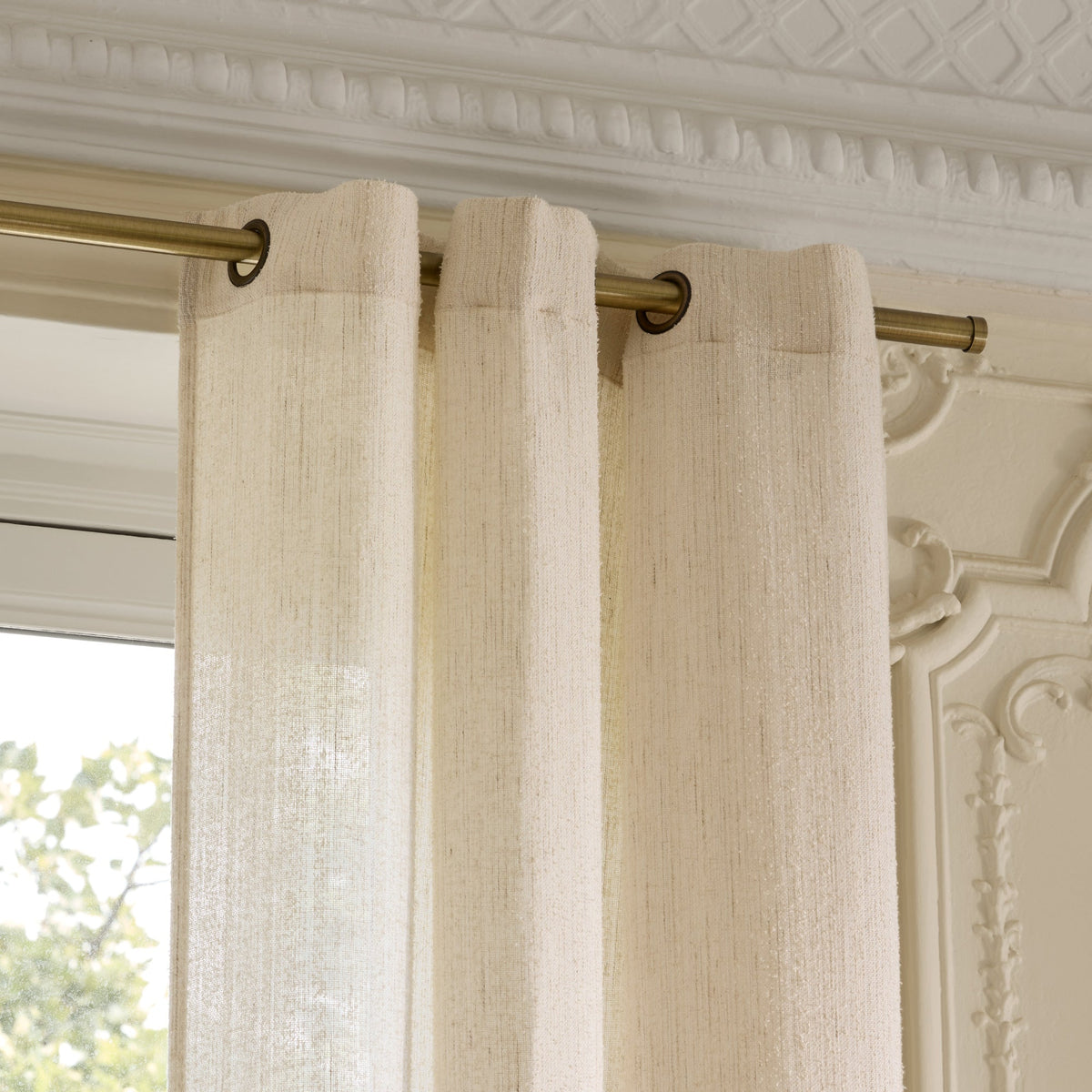
Conseils et astuces •8 min
How to properly measure for curtains?
Correctly measuring your curtains is the first step to achieving a neat and harmonious result. This guide explains how to...

Madura customer service
Available on WhatsApp, by chat or by phone at 01 42 34 99 59

All the tips and tricks from our team, just like in store, delivered straight to you.
All articlesMost searched articles
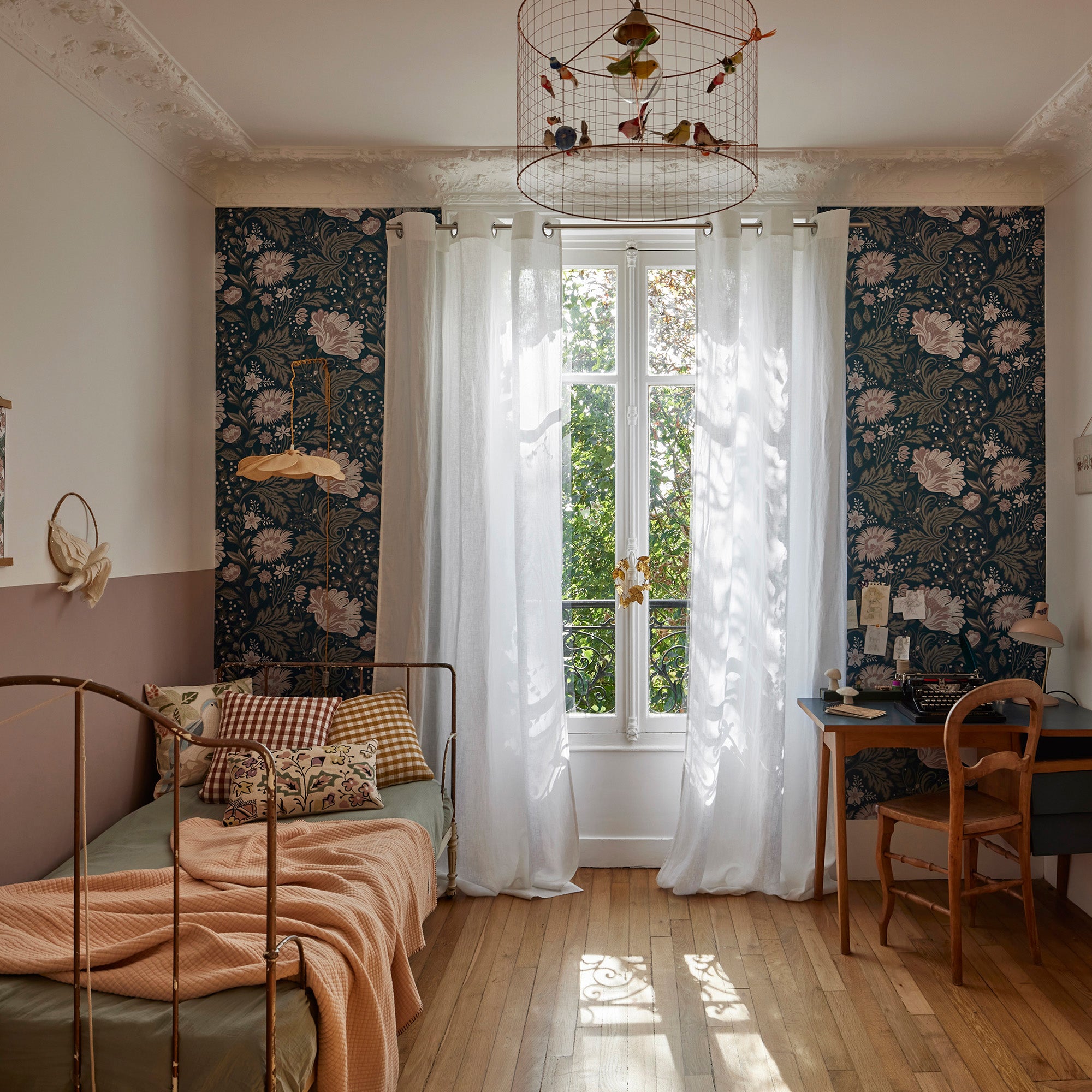


Conseils déco
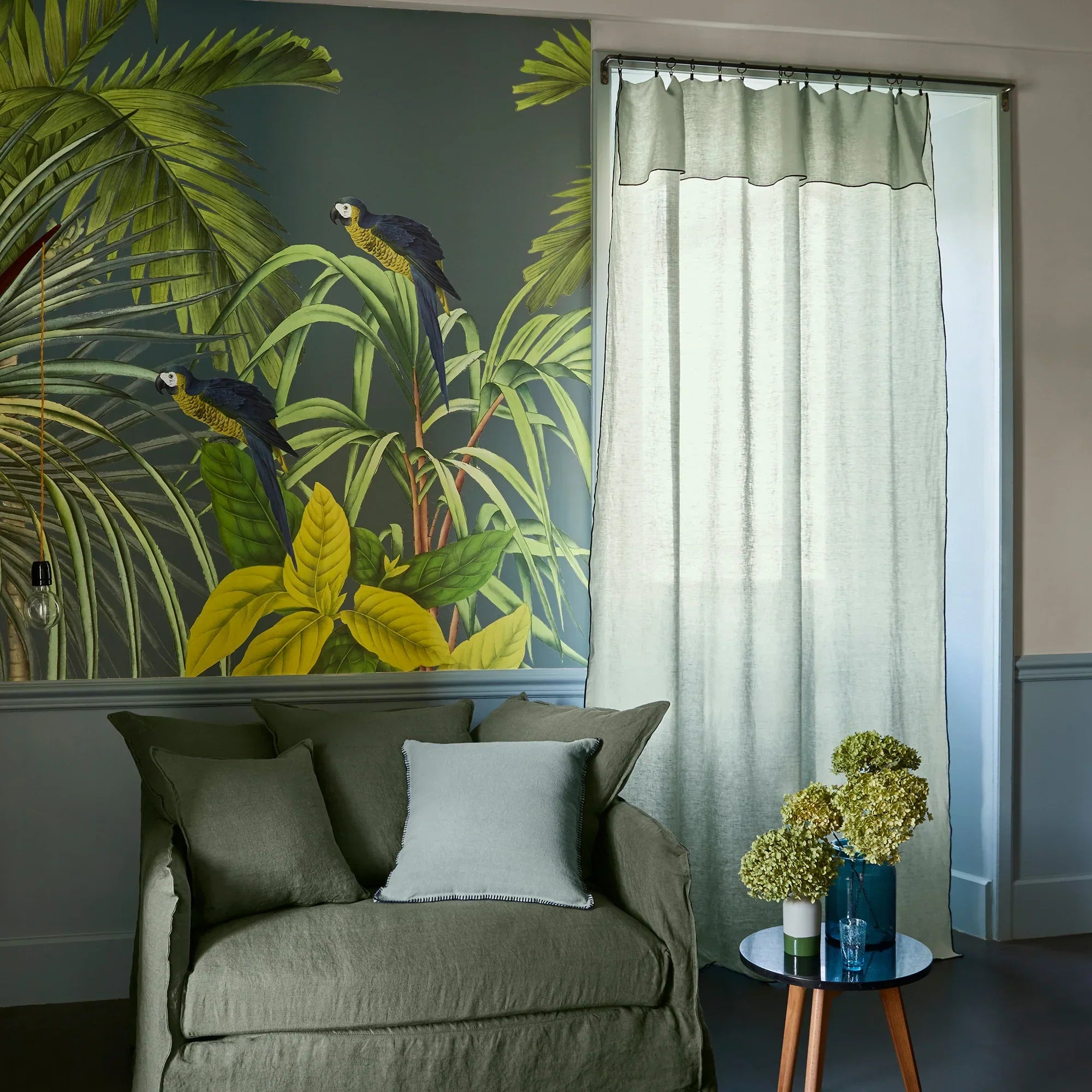
A blackout curtain blocks almost 100% of outside light, while a thermal curtain reduces heat loss in winter and limits heat penetration in summer. One targets light management, the other temperature regulation. Hybrid models combine both functions.
According to ADEME, windows account for 10 to 15% of a dwelling's heat loss. A high-performance thermal curtain can reduce these losses by 30 to 80% depending on the quality of the lining and the type of glazing.

The blackout curtain is made with a dense fabric, often coated or woven with black thread, which prevents light rays from penetrating. It plunges the room into near-total darkness.
This characteristic makes it essential for bedrooms, children's rooms, night offices, or home cinema areas. A quality blackout curtain blocks 95 to 100% of outside light.
Due to its thickness, a blackout curtain often offers moderate thermal and sound insulation, but this is not its primary function.
A thermal curtain incorporates an insulating lining (acrylic foam, polyester, or reflective film) that creates a barrier against temperature exchanges between inside and outside.
In winter, it retains heat inside. In summer, it blocks outside heat and can lower the indoor temperature by 3 to 7°C depending on the models.
The most efficient thermal linings reduce heat loss at windows by up to 80%. According to simulations based on ADEME data, the use of high-performance thermal curtains allows an average gain of 5 to 10% on heating bills in older homes.

Blackout curtain — Main function: block light (95-100%). Thermal insulation: moderate. Materials: coated polyester, black weave fabric. Ideal rooms: bedroom, office, home cinema. Average price: 30 to 120 € per panel.
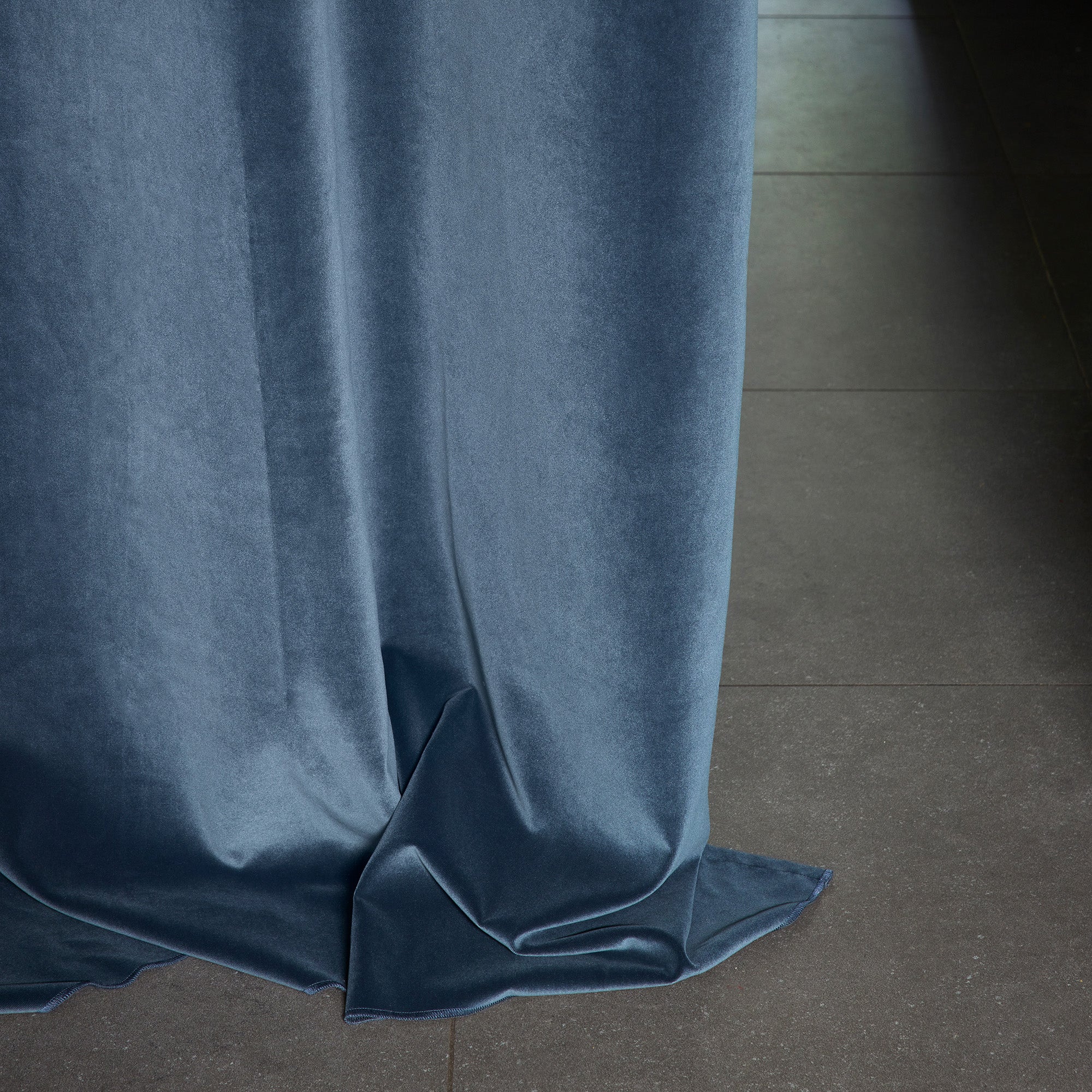
Thermal curtain — Main function: insulate from cold and heat. Light blocking: partial (except hybrid models). Materials: velvet, thick cotton + acrylic or aluminized lining. Ideal rooms: living room, lounge, rooms with single glazing. Average price: 50 to 150 € per panel.
Thermal blackout curtain — Combines both functions. Total light blocking + enhanced insulation. Ideal room: east or south-facing bedroom. Average price: 60 to 180 € per panel.
Choose a blackout curtain if your priority is darkness: a bedroom without shutters, night work, or a baby napping during the day.
Choose a thermal curtain if your priority is thermal comfort: an older home, single-glazed windows, a cold north-facing room, or to reduce your energy bill.
Choose a hybrid model (thermal blackout) if you need both functions: for example, a cold bedroom exposed to urban lights.

No. A thermal curtain is a complementary solution, not a substitute. It does not compensate for very old windows, a lack of sealing, or deficient structural insulation.
Its effectiveness is maximal in front of single-glazed windows, where the gain is immediately noticeable. In front of recent double or triple glazing, the contribution is marginal.
To optimize its performance, the thermal curtain must cover the entire window with a margin of 20 to 30 cm on each side and extend to the floor.
Madura offers custom-lined curtains, with a choice of thermal, blackout, or thermal-blackout linings. Each curtain can be personalized in terms of dimensions, curtain heading, and lining type. In-store advisors conduct a room-by-room diagnosis to recommend the most suitable solution.

Does a blackout curtain insulate from the cold?
Moderately. Its thickness offers a slight thermal barrier, but it is not designed for this. For true thermal insulation, opt for a thermal curtain or a hybrid blackout-thermal model.
How much can you save with a thermal curtain?
According to ADEME, high-performance thermal curtains can save 5 to 10% on heating bills in older homes with poorly insulated windows. The gain is lower with recent double glazing.
Can you combine a blackout curtain and a thermal curtain?
Yes, it's even recommended in some cases. Install sheer curtains + a thermal curtain for the day, and draw the blackout curtain at night. Another option: a hybrid curtain that combines both functions.
Which curtain for a south-facing bedroom?
A thermal blackout curtain is the ideal choice: it blocks light for sleeping and prevents heat from entering in summer, with an internal temperature reduction of up to 3 to 7°C.
Sommaire
Our last articles
Conseils et astuces •8 min
Correctly measuring your curtains is the first step to achieving a neat and harmonious result. This guide explains how to...
Conseils et astuces •8 min
Proper care for each material — linen, cotton, percale — helps preserve the softness, colors, and durability of your home...