




Conseils et astuces •8 min
How to properly measure for curtains?
Correctly measuring your curtains is the first step to achieving a neat and harmonious result. This guide explains how to...

Madura customer service
Available on WhatsApp, by chat or by phone at 01 42 34 99 59

All the tips and tricks from our team, just like in store, delivered straight to you.
All articlesMost searched articles
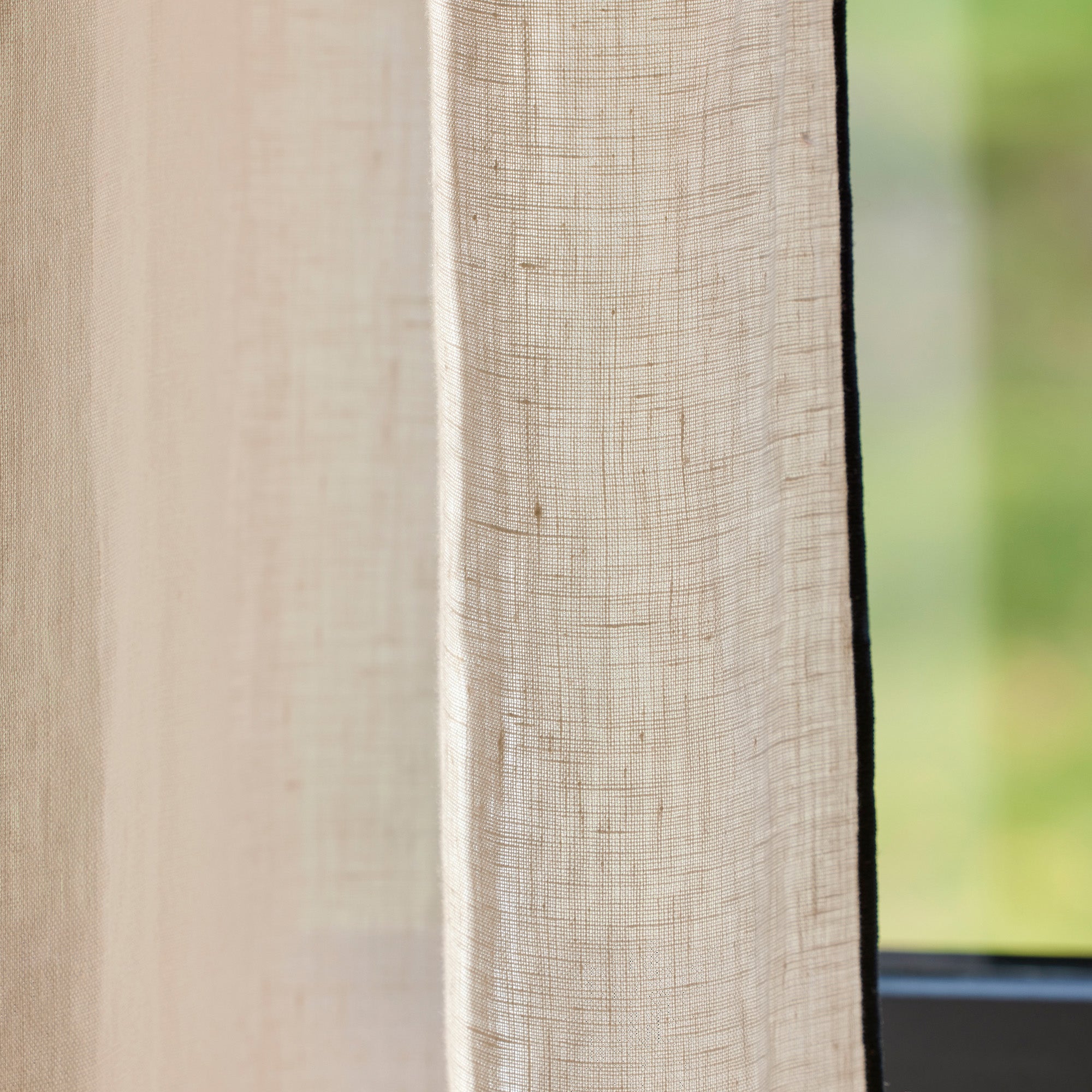
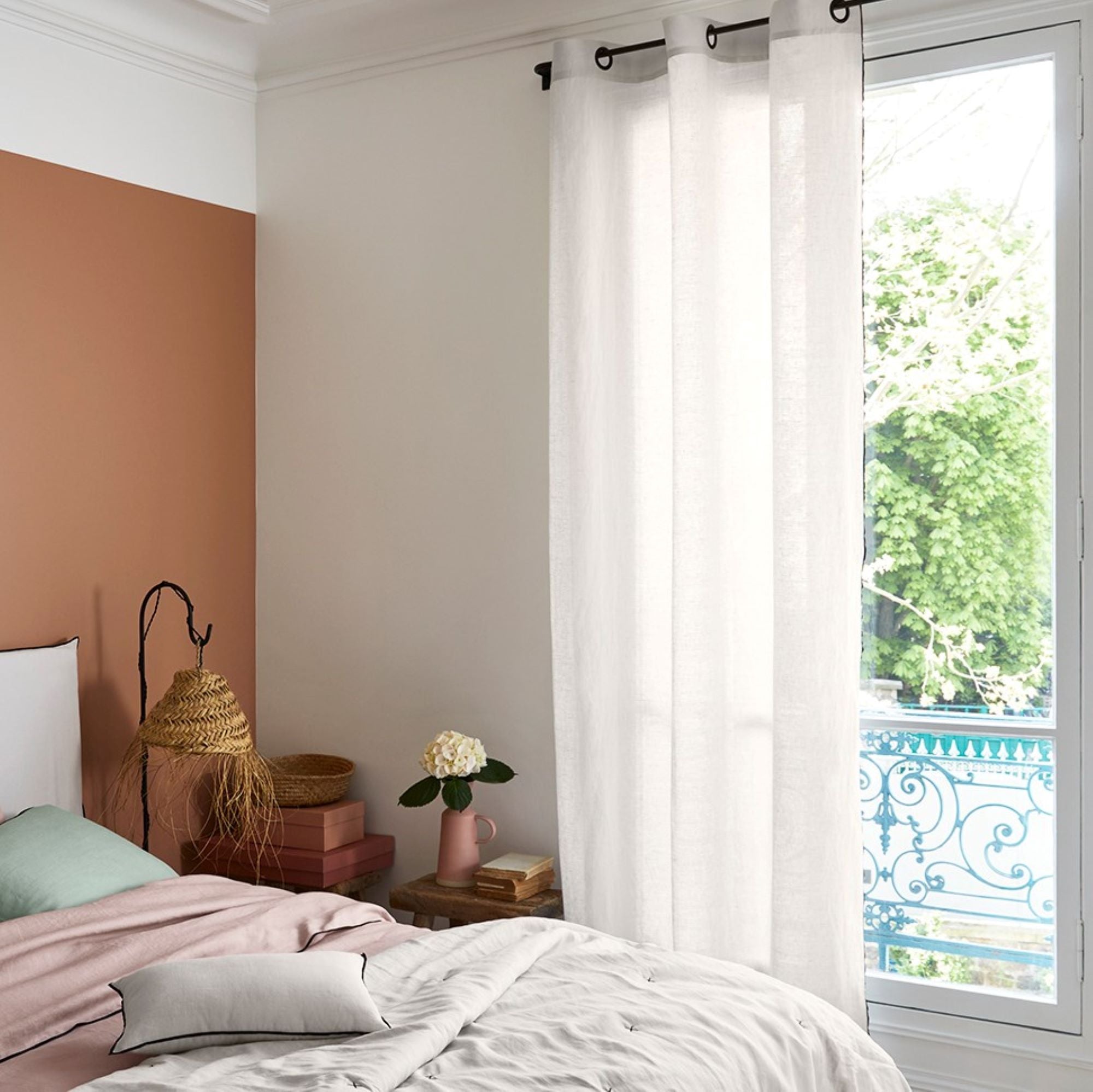

Conseils déco

Choosing the right blind for your windows is not an easy task: should you choose a screening blind, which filters light, or a blackout blind, which plunges the room into darkness? The answer depends on the desired brightness, the need for privacy and the type of room. This mini‑introduction answers the question in a few lines: a blind sieving lets in soft light while protecting from view, while a blind occulting blocks almost all light and insulates more. To choose well, you must understand their characteristics, their materials and the spaces for which they are intended.

A screening blind is designed for dim the light. Its micro-perforated or woven fabric filters only part of the exterior rays; the room remains bright while benefiting from a soft brightness and partial privacy protection. Sieving cloths can be light or dark; the darker the color, the more UV they block. Some manufacturers offer opening degrees ranging from 1% to 10%, which allows you to adjust the amount of light filtered. These blinds are ideal in living rooms, kitchens or offices, because they let in pleasant light while protecting against glare.
In practice, a filtering blind:
Filter the light : its openwork canvas reduces the intensity of the sun's rays, avoiding glare and preserving visual comfort.
Maintain some privacy : it protects from prying eyes during the day and can be combined with a curtain or a day‑night blind for more discretion in the evening.
Available in many styles : plain, patterned, in linen, cotton or polyester, and tailor-made according to the width and height of the windows.
Is not completely obscuring : at night, passers-by can distinguish silhouettes if the lights are on; It is therefore advisable to provide curtains or a double blind for total privacy.

A blackout blind is made from a thick, opaque fabric that blocks almost all light. According to Stores‑discount, blackout shades interrupt 90% to 95% of UV rays. IDMarket specifies that this type of blind allows a room to be plunged into total darkness and blocks 95% to 100% of the light, offering real blackout effect. It is therefore particularly suitable for rooms, photo studios or rooms where you want to sleep during the day.
Blackout blinds have several advantages:
Complete darkness : they create total black which promotes sleep and recovery.
Thermal and sound insulation : the thick canvas, sometimes lined with an aluminum side, helps to reduce heat exchange and limit drafts. Some “anti‑heat” models use polyester and aluminum fibers to reject 65% to 85% of solar rays, which helps cool the room in summer while protecting against the cold in winter.
Total eye protection : no vis‑à‑vis is possible, even at night; this offers absolute privacy, especially in rooms without shutters.
Wide choice of colors and finishes : contrary to popular belief, the color of the fabric does not influence the concealment (it is the coating which provides the opacity), but it contributes to the aesthetics. Dark colors absorb heat while light colors reflect it.

To choose between these two types of blinds, several criteria must be analyzed:
|
Criterion |
Screening blind |
Blackout blind |
|
Light management |
Partially filters light. Provides soft brightness and reduces glare without completely darkening the room. |
Blocks 90%-100% of light and UV to create complete darkness. |
|
Privacy protection |
Protects from view during the day, but allows silhouettes to be glimpsed in the evening; often requires an additional curtain. |
Ensures total privacy day and night thanks to the opaque canvas. |
|
Thermal insulation |
Moderate limitation of solar radiation; certain screen or anti-UV filter fabrics reduce heat and protect the furniture. |
Excellent insulation: certain blackout and anti-heat fabrics reject up to 85% of solar energy and act as a barrier against thermal bridges. |
|
Aesthetics and choice |
Large choice of colors, patterns and materials (linen, cotton, polyester, screen). Allows you to create a soft and decorative atmosphere. |
Often plain, but available in many colors. Blackout depends on the lining, not the color. Fabrics can be coated with PVC or aluminized polyester. |
|
Recommended Parts |
Living rooms, kitchens, offices, living rooms where you want light and a little privacy. |
Bedrooms, home cinema, photo studios, rooms without shutters or facing south where you want to sleep during the day. |
|
Maintenance |
The canvas is often removable; dusting with a vacuum cleaner and delicate cleaning depending on the fabric. |
More rigid coated canvas; regular dusting and cleaning with a damp cloth. |

The choice of blind depends on use of the room, its exposure and your lifestyle habits. Here are some practical tips:
In a living room, the objective is to maintain a natural light pleasant and to protect oneself from being overlooked. Opt for one screening blind : it filters light, reduces glare and lets in soft brightness. For rooms very exposed to the sun, choose a heat-resistant screening fabric or a store screen : screen fabrics made of polyester and fiberglass reject UV rays while allowing a view to the outside and reducing glare. Optionally combine a day‑night blind or a blackout curtain for the evening.
Sleep requires darkness; a blackout blind is therefore recommended. Its thick canvas blocks the sun's rays and ensures total privacy. For a south-facing bedroom, you can combine a blackout blind with a heat-resistant fabric or an exterior shutter to limit the heating of the windows. Models with cassette and side slides further reinforce concealment.
These rooms require light while resisting humidity and heat. The screen screening blinds or aluminum venetian blinds are suitable: they filter light and are easy to clean. The Venetian blind, made up of adjustable slats, allows you to modulate the light while protecting from view. Choose aluminum for damp rooms like the bathroom.
Offices require precise light control to avoid reflections on the screens. Filtering blinds with a low opening degree (1% to 3%) or screen blinds are ideal: they reduce glare, protect against UV rays and allow you to work comfortably. For a projection room or home cinema, opt for a blackout blind in order to obtain total darkness.
Large openings can be covered with California blinds (vertical bands) or Japanese panels. These blinds exist in filtering, blackout or screen versions and adapt to large surfaces. Japanese panels allow you to modulate the light and partition the space. For a south-facing bay window, an anti-heat screen blind can reflect up to 85% of the sun's rays.

Measure accurately : measure the width of the window and add a few centimeters to ensure optimal coverage, especially for blackout blinds. For installation under a lintel, allow 0.5 cm to 1 cm of clearance across the width and check the size of the mechanism.
Choose the fixation : roller blinds can be fixed to the wall, to the ceiling or directly to the sash without drilling. For complete concealment, choose a cassette model with side slides to avoid gaps on the sides.
Take color into account : for filtering blinds, the color influences the atmosphere; light shades diffuse soft light while dark shades create a more intimate atmosphere and filter more UV rays. For blackout blinds, color mainly affects aesthetics, opacity being linked to the coating.
Schedule maintenance : dust the canvas regularly with a soft cloth or vacuum cleaner. Screen and PVC fabrics are easily cleaned with a damp sponge. Linen or cotton shades can be more delicate and require dry cleaning.
Combine solutions : to gain in modularity, combine a filtering blind with a blackout curtain or opt for a blind day‑night whose alternating bands allow you to switch from a sifting mode to a blackout mode in a single gesture.

Choosing a filtering blind for a bedroom : Filtered light can interfere with sleep. Choose blackout for rest areas or complete your filtering blind with thick curtains.
Ignore room orientation : a south-facing room requires a heat-resistant fabric, such as a heat-resistant blind or screen, to avoid overheating.
Undersize the blind : a blind that is too small lets light pass through to the sides; measure correctly and take into account the size of the mechanism.
Forget aesthetics : a blind must harmonize with the interior decoration. The sifting models offer a wide choice of patterns and materials to personalize your interior.
Do not anticipate the interview : some fabrics require delicate cleaning or frequent dusting. Adapt the type of canvas to your lifestyle.

Created in 1971, the French brand Madura invented the concept of ready-to-hang and has been offering high-quality curtains, blinds and sheers for over fifty years. The company combines craftsmanship and contemporary design, favoring sustainable and natural materials. Choosing a Madura blind means benefiting from:
Accessible tailor-made : roller, Venetian, pleated or Californian blinds are made to order, to the exact dimensions of your windows.
A wide variety of fabrics : sifting, blackout, thermal or screen collections, available in a multitude of colors and textures to match each decor.
Of lasting quality : the use of natural or technical fibers and careful manufacturing guarantee resistant and easy-to-maintain blinds.
Expert advice : the Madura teams support customers in choosing the canvas, taking measurements and installation. This human and creative approach has forged the brand’s reputation as a benchmark in interior design.

1. What is the difference between a filtering blind and a blackout blind?
The filtering blind filters light and reduces glare while allowing soft brightness to pass through. It protects from view during the day, but does not provide total darkness. The blackout blind, on the other hand, blocks 90% to 100% of the light thanks to its thick canvas and ensures complete privacy.
2. Can we use a filtering blind in a bedroom?
It's possible, but sleep may be disrupted by filtered light. For a bedroom, it is preferable to install a blackout blind or combine a filtering blind with heavy curtains to reinforce the blackout.
3. What type of blind to choose for a south-facing bay window?
South-facing bay windows can overheat. An anti-heat screen blind or a filtering blind made of reflective fabric will be effective in rejecting up to 85% of solar rays. For total darkness, add a blackout blind or curtains for the night.
4. How do I clean and maintain my blind?
Dust regularly using a vacuum cleaner fitted with a soft brush. Screen and PVC fabrics can be cleaned with a damp sponge. Avoid abrasive products which could damage the coverings. For fabric blinds, follow the manufacturer's recommendations or opt for dry cleaning.
5. Are filtering blinds effective against heat?
Classic filtering blinds limit glare, but do little to combat heat. Choose screen or heat-resistant fabrics (polyester/aluminum) which reflect 65% to 85% of the sun's rays and reduce the interior temperature.
6. What solution to combine soft light and complete darkness?
The day‑night blind combines sifting and blackout strips that slide to switch from one mode to another. It offers great flexibility and avoids installing two separate blinds.
Also discover our other articles:
- What bed linen for summer/winter?
- What types of blinds to choose (Venetian, roller, pleated, boat, etc.)?
- What bed linen material is the most comfortable (cotton, linen, satin, percale)?
Sommaire
Our last articles
Conseils et astuces •8 min
Correctly measuring your curtains is the first step to achieving a neat and harmonious result. This guide explains how to...
Conseils et astuces •8 min
Proper care for each material — linen, cotton, percale — helps preserve the softness, colors, and durability of your home...