


Conseils déco
How to clean a fabric sofa?
Cleaning a fabric sofa involves three steps: regular vacuuming (once a week), targeted stain removal with Marseille soap or baking...

Madura customer service
Available on WhatsApp, by chat or by phone at 01 42 34 99 59

All the tips and tricks from our team, just like in store, delivered straight to you.
All articlesMost searched articles
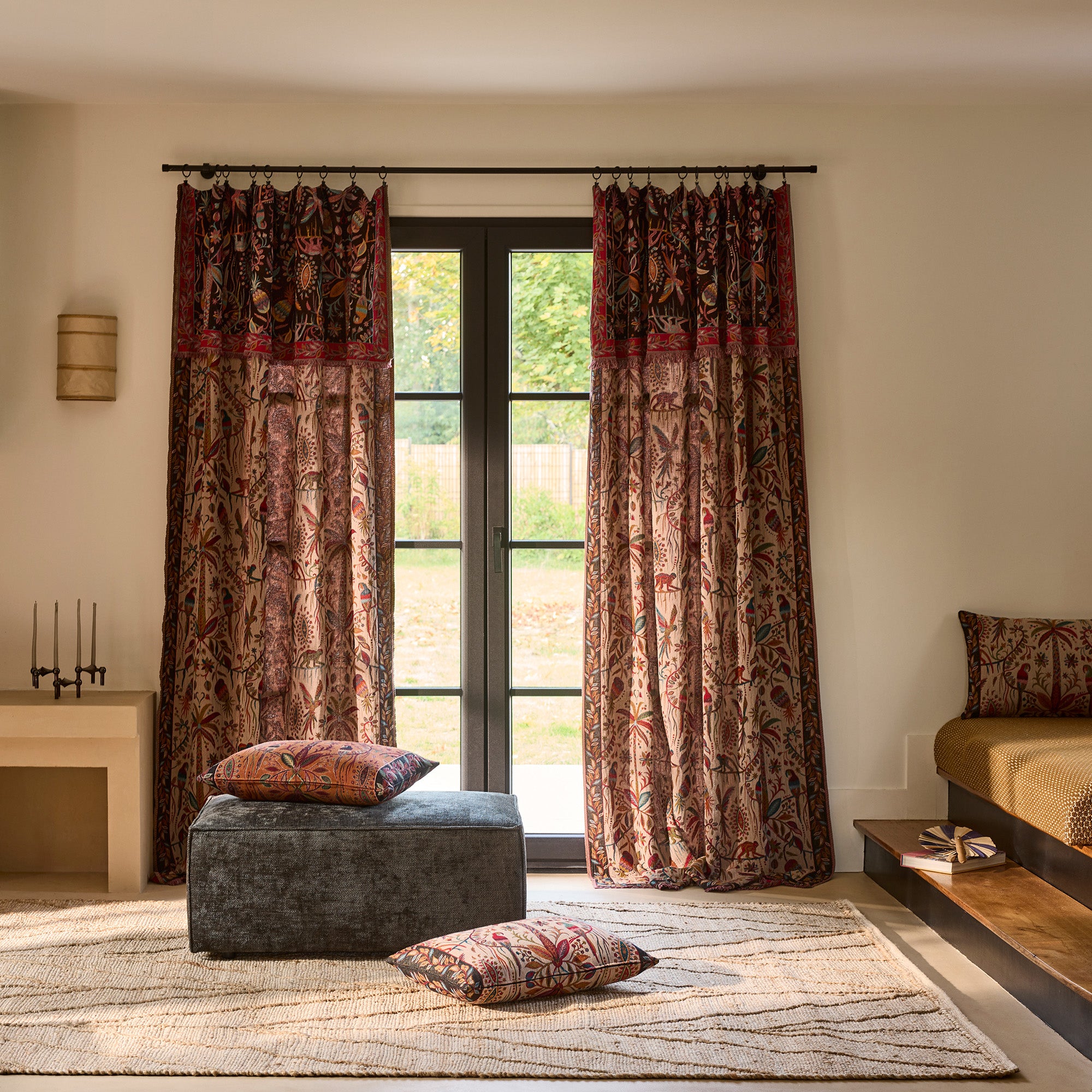
Conseils déco

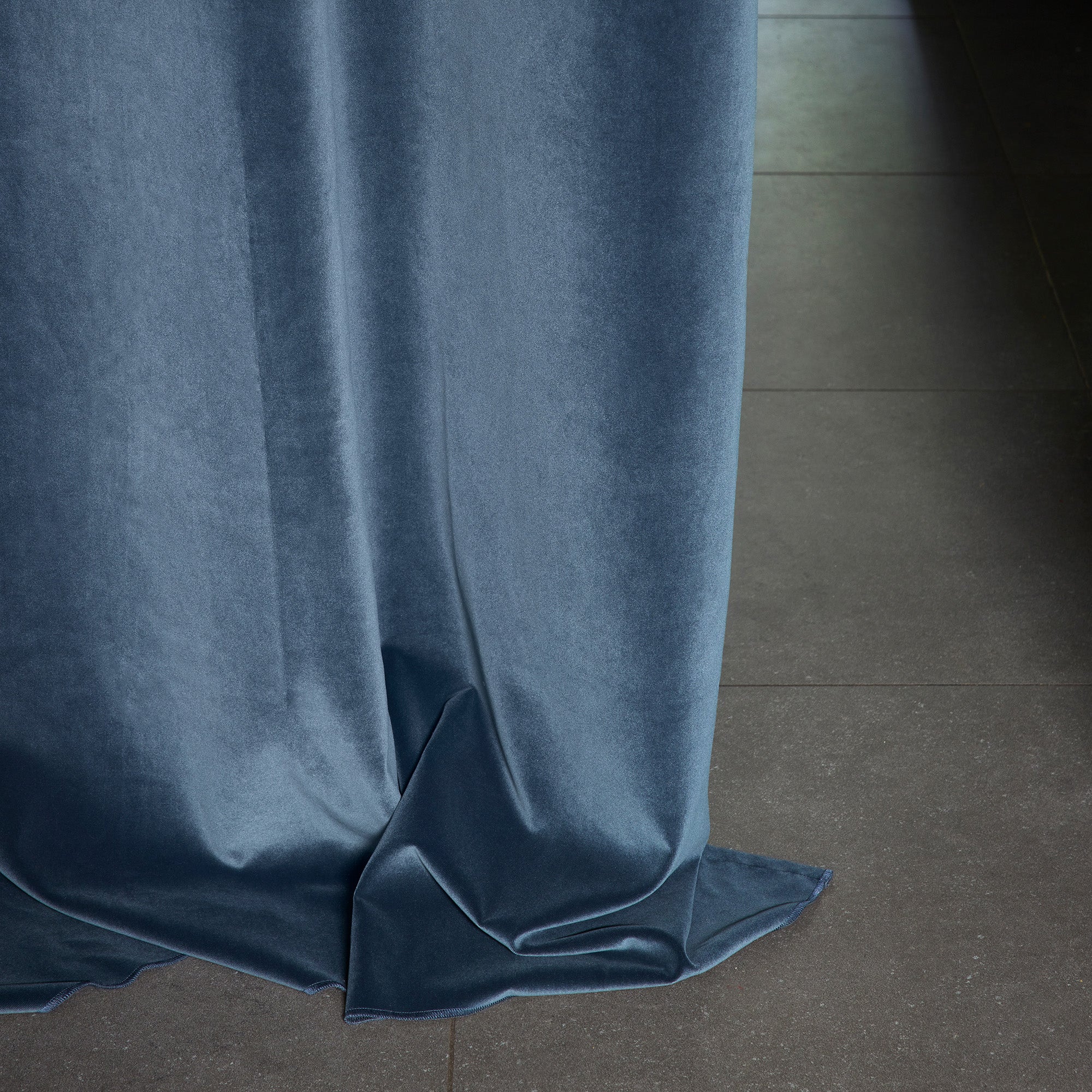
Velvet brings a luxurious and cocooning touch to an interior, but this delicate material requires special care. Unlike other fabrics, its tight fibers easily retain dust and stains. A bad gesture can tarnish its shine or crush its relief. Fortunately, with suitable methods: regular brushing, gentle vacuuming, dry or wet cleaning depending on the composition, it is possible to keep an impeccable velvet pouf without damaging it. In this article, find out how to maintain, detach and protect your beanbag so that you can enjoy it for a long time.

Velvet is not a fiber strictly speaking, but a type of weaving. Loops of thread are cut to create a dense, silky pile. There are several categories of velvet:
Silk velvet : very luxurious and fragile. This material does not tolerate humidity and requires dry cleaning.
Cotton velvet : close to silk velvet in appearance but more water resistant. Delicate wet cleaning is possible.
Linen velvet : offers a matte and raw appearance. Linen absorbs moisture but tolerates water better than silk, provided you do not saturate the fabric.
Synthetic velvet : made of polyester or nylon, it is more affordable and water resistant, but it is still careful not to flood the surface too much.
Knowing the composition of your pouf is the first step in choosing the right maintenance method. Check the label for cleaning codes: “W” (water wash), “S” (dry clean), “WS” (water or solvent), or “X” (vacuum only). Following these instructions will prevent discoloration, shrinkage or deformation of the fabric.
Before applying a product, dust and prepare the environment carefully. Set up your beanbag on an easy-to-clean, well-lit floor, protecting the area with a tarp or old sheets. Then dust thoroughly with a vacuum cleaner fitted with a soft brush, paying particular attention to the folds, seams and under the pouf. This step prevents dust from turning into mud during wet cleaning. Also gather:
A soft brush with soft bristles to straighten fibers and remove crumbs.
Absorbent microfiber cloths.
A mild detergent (Marseille soap, textile shampoo).
A dry cleaning product for fabrics with the “S” code.
Warm or cold water according to the label.

Daily maintenance is essential to preserve the shine of velvet. Brush the ottoman weekly with a soft-bristled upholstery brush, following the direction of the hair. This gesture straightens the fibers and prevents dust from becoming embedded. Once or twice a month, vacuum at low power with a suitable nozzle, always in the direction of the pile. This simple ritual maintains the softness and shine of the fabric.
For silk velvet poufs or any material marked “S” or “X”, choose dry cleaning. Two natural methods are recommended:
The Land of Sommières : sprinkle this absorbent powder on the surface, rub gently with gloves, leave for several hours or overnight, then vacuum. It absorbs excess grease and restores shine without dampening the fabric.
Talc : for lighter stains, proceed in the same way as with Terre de Sommières. Talc is less powerful but suitable for additional maintenance.
These natural powders respect the fibers and avoid creating halos. After each treatment, brush gently to straighten the hairs and vacuum up any residue. Avoid steam cleaners, which add too much humidity and risk causing the velvet to curl.
If the label says “W” or “WS”, light washing is possible. However, humidity must be limited:
Pre-test : Apply the chosen solution to a hidden area and wait for it to dry completely to check for discoloration.
Prepare a mild solution : mix lukewarm water with a little Marseille soap or textile shampoo. For greasy or odorous stains, a mixture of baking soda and water or lukewarm water with a few drops of white vinegar is effective. You can also add a little lemon juice to neutralize odors and revive the color.
Application by dabbing : Soak a microfiber cloth in the solution and wring it out so that it is only damp. Gently dab the stain from the outside towards the center without rubbing. Avoid vigorous circular movements that could stretch or crush the fibers.
Light rinse and dry : with another cloth lightly dampened with clean water, dab to remove soap residue. Dry in the open air, away from direct sunlight or any heat source that could discolor the velvet. To speed up drying, a fan or hair dryer in cold mode can be used.
Bicarbonate and lemon : ideal for grease stains. Mix baking soda with lemon juice to make a foam, apply it and leave for 1 to 2 hours. Then remove with a damp cloth.
Diluted ammonia : to restore vibrancy to colors. Mix lukewarm water, ammonia and a few drops of dishwashing liquid, wring out a cloth well, pat the surface then rinse and dry. Always wear gloves, mask and glasses, and ventilate the room.
White vinegar and water : effective in neutralizing odors and removing soap residue. Apply this mixture by dabbing, then rinse.

Certain tasks require special attention:
Red wine : Immediately dab excess with a dry cloth, then sprinkle liberally with salt to absorb liquid. Then vacuum up the salt and clean with a mixture of cold water and dishwashing liquid.
Grease (oil, butter, cosmetics) : Remove the excess with a spoon, then apply talcum powder, cornstarch or baking soda to absorb the grease. Leave on for 30 minutes, vacuum and dab with soapy water.
Mud : let dry completely, brush gently then vacuum. Then clean with a damp cloth and mild soap.
Coffee or tea : Dab with a dry cloth, then apply a solution of cold water and white vinegar (1:1). Rinse and dry.
Acting quickly limits penetration and facilitates stain removal. Always proceed from the gentlest to the strongest gesture, testing on a hidden area.
Once cleaning is complete, restore volume to the fabric by brushing the velvet in the direction of the pile. If areas are flattened, use a steamer a few centimeters from the surface: the light steam moistens the fibers, which can then be brushed to raise them. Allow to dry completely before use.
To revive dull colors, wipe with a slightly damp cloth dampened with lemon water or spray with a diluted solution of vinegar and water, then wipe with a soft cloth. Apply a water-based waterproofing and stain repellent spray to your new or clean ottoman to create a protective barrier. Avoid direct exposure to sunlight and keep the beanbag away from heat sources, as UV rays and heat can discolor the fibers.
Use a steam cleaner or saturate the fabric : steam and excess humidity may distort and discolor the velvet.
Scrub a stain vigorously : Rubbing can crush the fibers and spread the stain. Always dab gently.
Use aggressive products : alcohol, bleach or strong solvents should be avoided as they discolor the velvet.
Washing machine : Even though the cover is removable, check the label before washing it in the machine. Some covers must be washed by hand or by a professional.
Do not test the products : always test in a hidden area to avoid unpleasant surprises.
|
Velvet type |
Recommended method |
Recommended products |
Precautions |
|
Silk velvet |
Dry clean only |
Sommières earth, talc |
Do not wet, avoid steam and solvents |
|
Cotton velvet |
Wet cleaning possible |
Warm water + mild soap; water/vinegar mixture; bicarbonate + lemon |
Do not saturate the fabric, air dry and brush after |
|
Linen velvet |
Light wet cleaning |
Cold water + mild soap |
Linen absorbs moisture; use little water and dry quickly |
|
Synthetic velvet |
Wet or dry cleaning |
Warm water + mild soap; anti‑stain products |
Water resistant but avoid complete immersion |

Founded in 1971, Madura revolutionized textile decoration by offering curtains, sheers and accessories ready‑to‑install. The brand is distinguished by the quality of its materials, washed linen, carefully selected velvet, thick cotton and by its artisanal know-how. Its collections of velvet poufs offer a choice of timeless colors and elegant finishes. Madura favors natural and sustainable fibers and is committed to manufacturing that respects artisans. By choosing a Madura pouf, you benefit from removable covers, clear care instructions and attentive customer service to preserve the beauty of your furniture. The brand also offers you suitable impregnation sprays and personalized advice to extend the life of your beanbag.
How do I remove a wine stain from my velvet pouf?
Immediately dab excess with a dry cloth, cover with salt to absorb liquid, then vacuum. Then clean with a mixture of cold water and dishwashing liquid. Never use hot water, which will set the stain.
Can I use water to clean a velvet ottoman?
Yes, only if your pouf is made of cotton or synthetic velvet (code “W” or “WS”). Use lukewarm water mixed with mild soap, wring the cloth well and dab without rubbing. Silk or “S” velvets require dry cleaning.
Should you machine wash a velvet pouf?
Machine washing is not recommended, unless the cover is removable and clearly marked as machine washable. Check the label and use a gentle cycle on low heat. Otherwise, prefer cleaning by hand or call a professional.
How to restore softness to velvet after cleaning?
Brush gently in the direction of the hair with a soft brush. To straighten flattened fibers, use a steamer a few inches away and brush lightly. You can also revive the color with a cloth soaked in lemon water or diluted vinegar.
What products should you avoid on a velvet pouf?
Avoid harsh solvents, alcohol, bleach and steam cleaners. These products can discolor and permanently damage the fibers.
Should I waterproof my velvet ottoman?
Yes. Applying a water-based stain and waterproofing spray to a new or clean ottoman creates a barrier that repels liquids and makes cleaning easier.
Our last articles
Conseils déco
Cleaning a fabric sofa involves three steps: regular vacuuming (once a week), targeted stain removal with Marseille soap or baking...

Conseils déco
A 2-seater sofa measures between 140 and 180 cm wide and is suitable for small spaces (studios, small living rooms,...