


Conseils et astuces •8 min
How to properly measure for curtains?
Correctly measuring your curtains is the first step to achieving a neat and harmonious result. This guide explains how to...

Madura customer service
Available on WhatsApp, by chat or by phone at 01 42 34 99 59

All the tips and tricks from our team, just like in store, delivered straight to you.
All articlesMost searched articles
Conseils déco

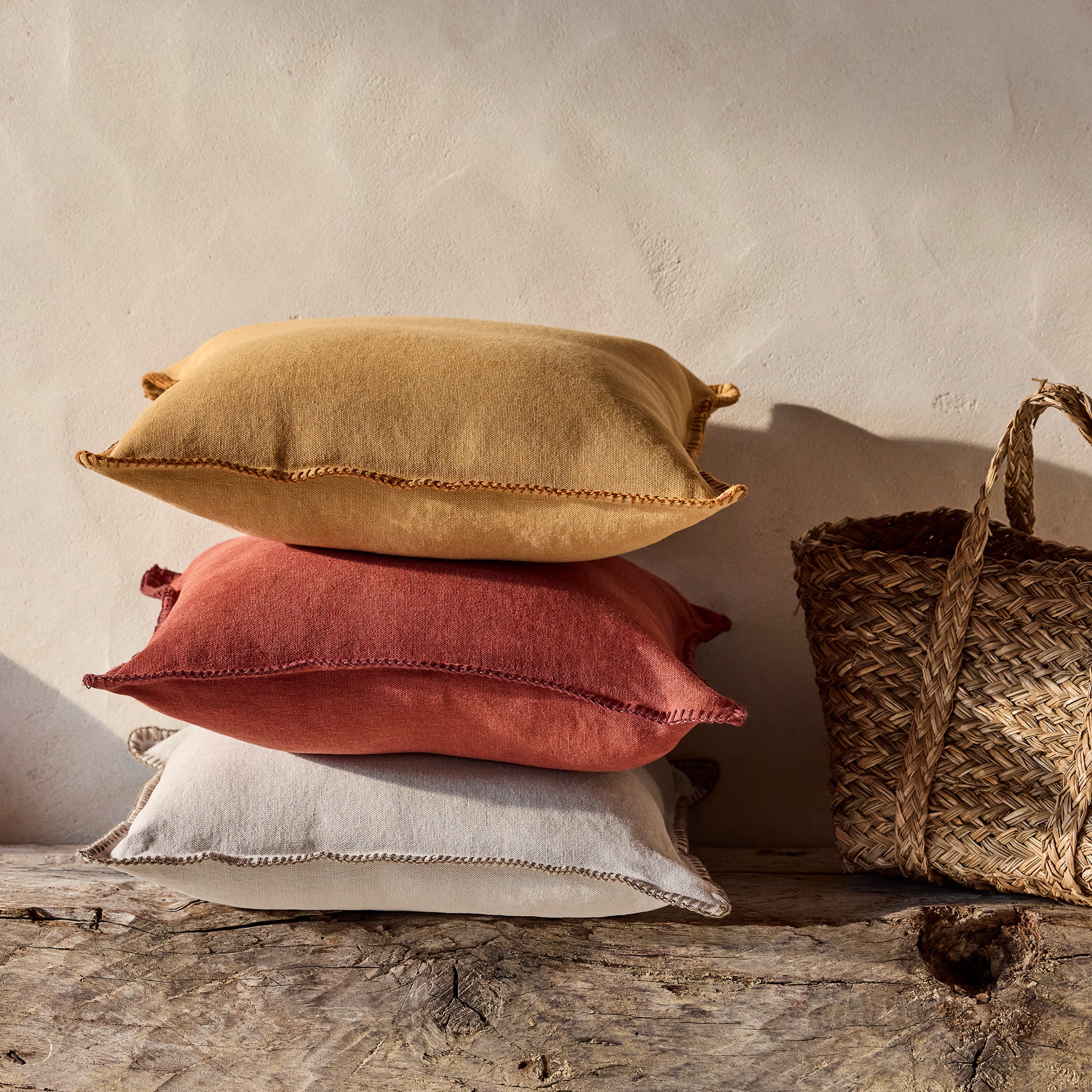
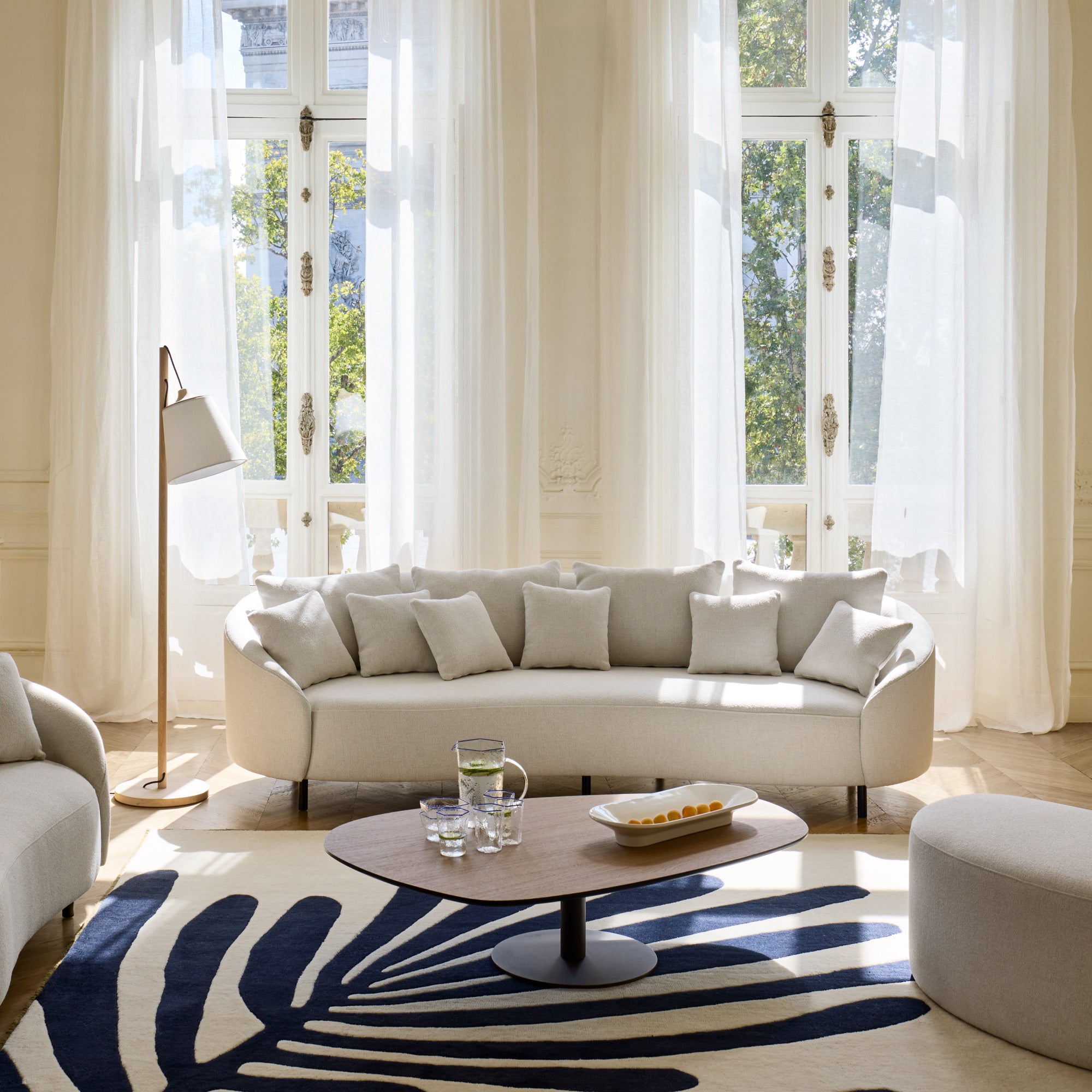
In a living room, a few well-chosen cushions are enough to transform the atmosphere. The trick is to match colors, sizes and textures to create a harmonious whole without sacrificing comfort. To match cushions, you must observe the existing palette (sofa, rug, curtains), select two or three consistent colors, vary the formats and mix the materials. These principles allow you to personalize your space while maintaining visual unity.

Choose a consistent palette
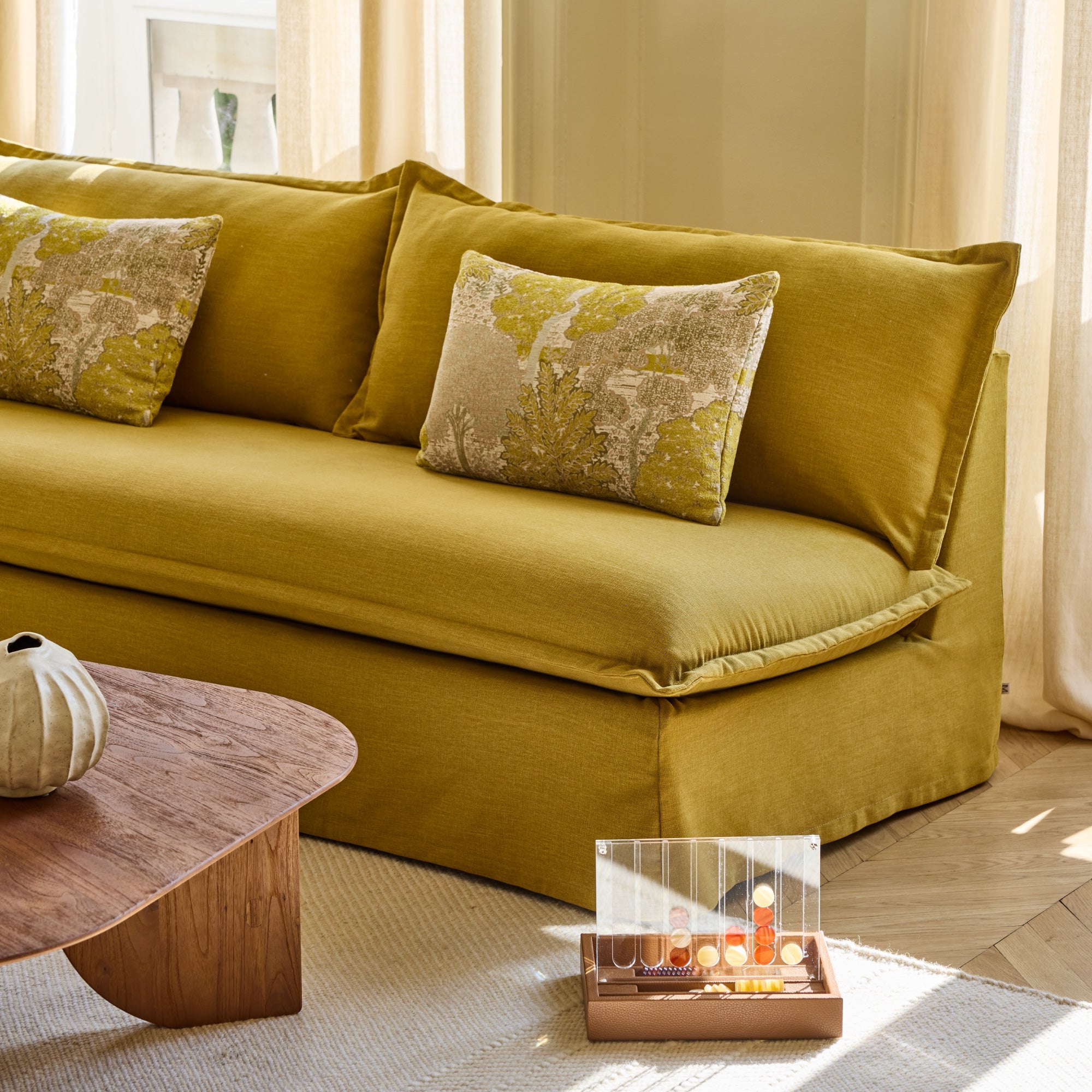
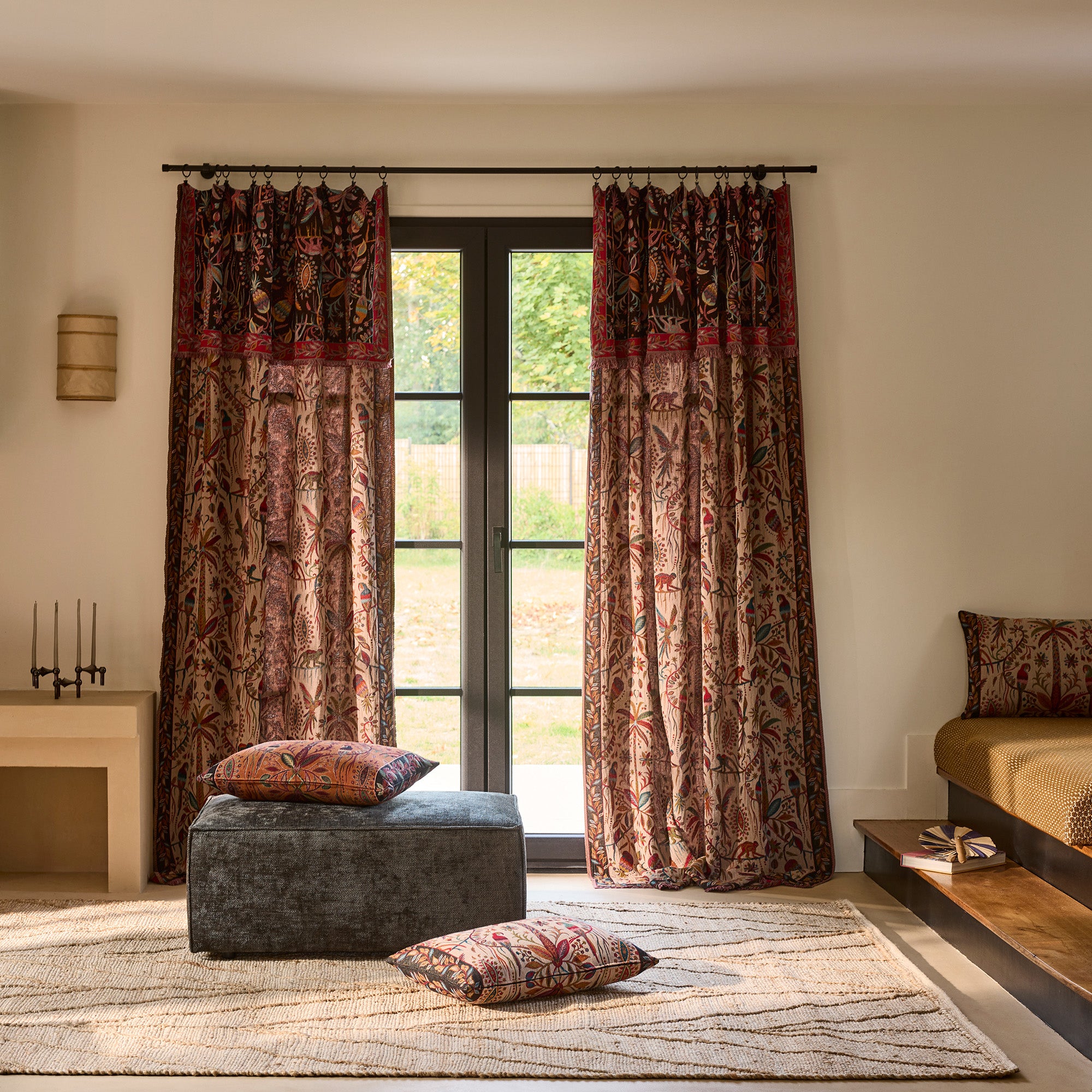
The cushion is the ideal accessory for integrating color into a living room because it is easy to replace at a lower cost. According to the Joli Place website, there is no point looking for exactly the same shade for all the cushions; The important thing is to choose a palette and stick to it. Before selecting your cushions, analyze the tones already present: color of the sofa, the wall, the carpet or the curtains. Opt for two or three complementary or similar shades.
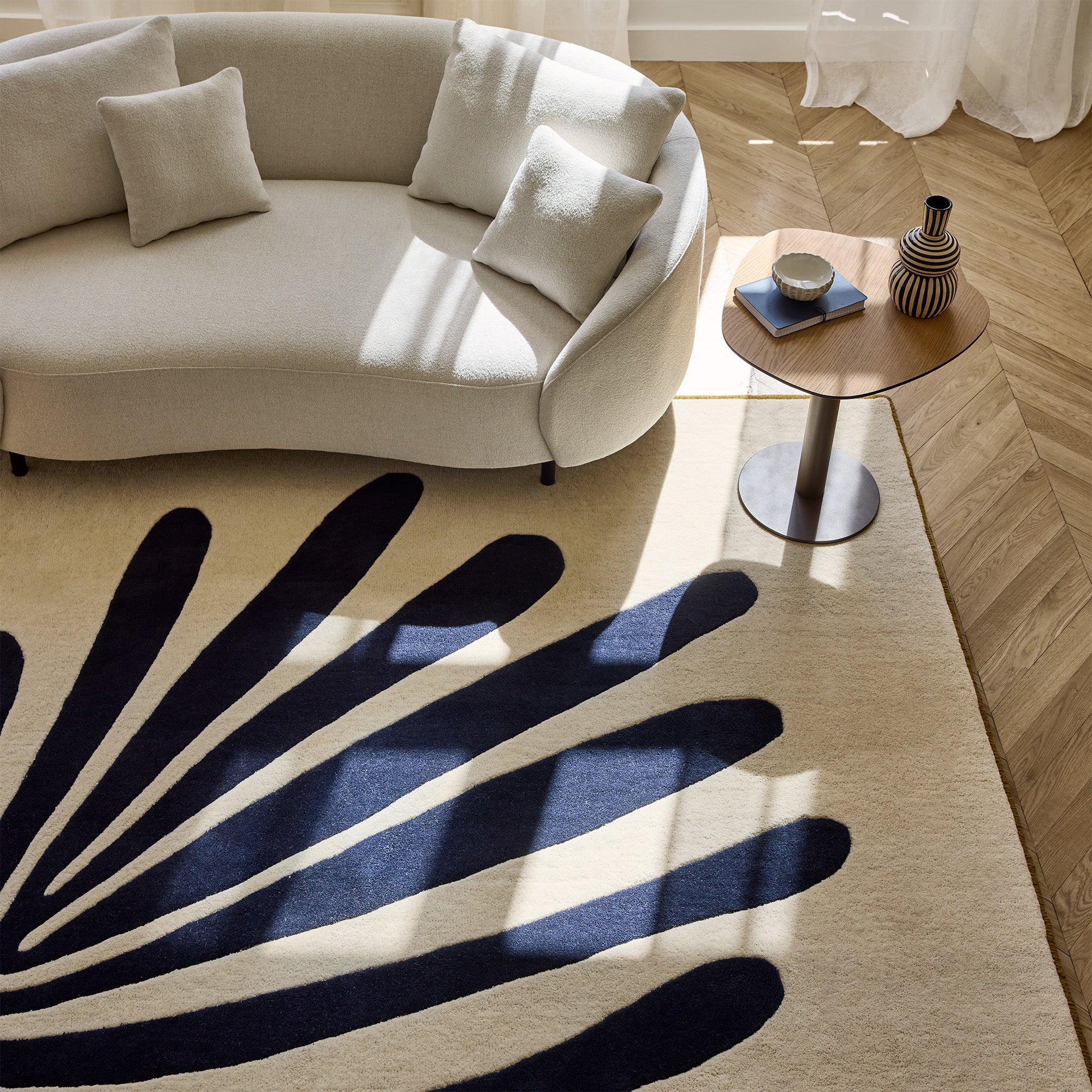
Camaieu and soft tones: the Maison‑Blog site reminds us that a monochrome harmony (or monochrome) creates a soft and sophisticated atmosphere. For example, using different shades of beige or blue brings depth without multiplying the colors.
Controlled contrast: To energize a neutral living room, combine two opposite colors on the color wheel, such as terracotta and peacock blue. The main color can represent 60% of the composition, the secondary 30% and an accent shade 10% (60/30/10 rule).
Psychological effect: warm colors (red, orange, yellow) warm up the space, while cool colors (blue, green, purple) soothe and optically enlarge a room. Neutral tones (beige, gray, white) bring sobriety and serve as a common thread.
Number of cushions and arrangement
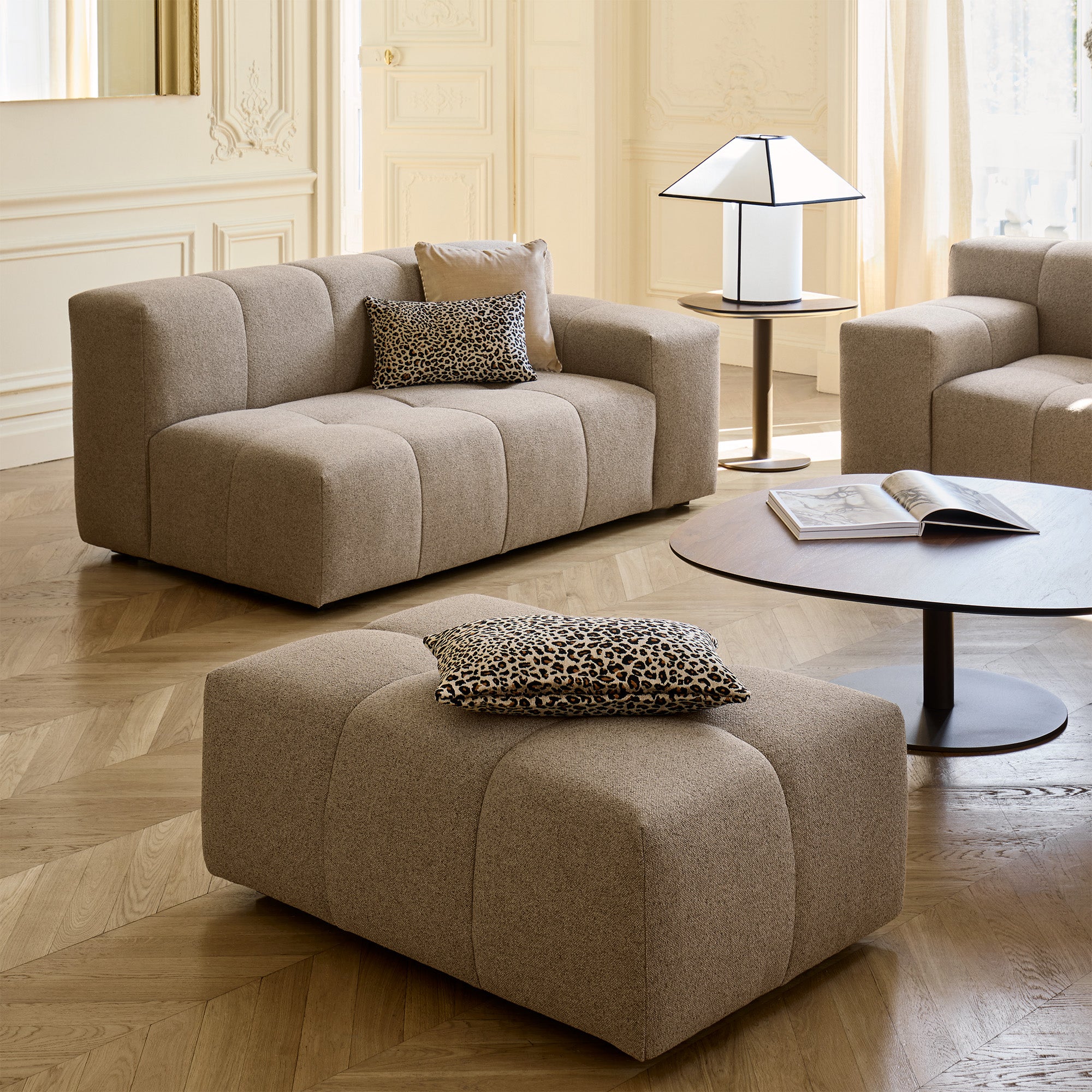
A living room appears more balanced when the cushions are arranged in odd numbers. Decorating guides generally recommend three or five cushions on a three-seater sofa. The principle is to alternate the formats: place a large cushion (50 × 50 cm) or two large ones in the corners, a medium cushion (40 × 40 cm) in the center and complete with one or two small models (30 × 30 cm or rectangular) for the final touch. The important thing is to leave enough space to sit; the cushions should not invade the sofa.
Mix shapes and sizes
To soften the straight lines of a sofa, the Joli Place website recommends mixing squares, rectangles and round cushions. A rectangular cushion provides appreciated lumbar support, while a round cushion adds a soft and organic note. Be sure to vary the sizes: a 50 cm square cushion creates a visual cue, a 40 cm size structures the composition and a small 30 cm or cylindrical one finishes the row with finesse.

Patterns: creating rhythm
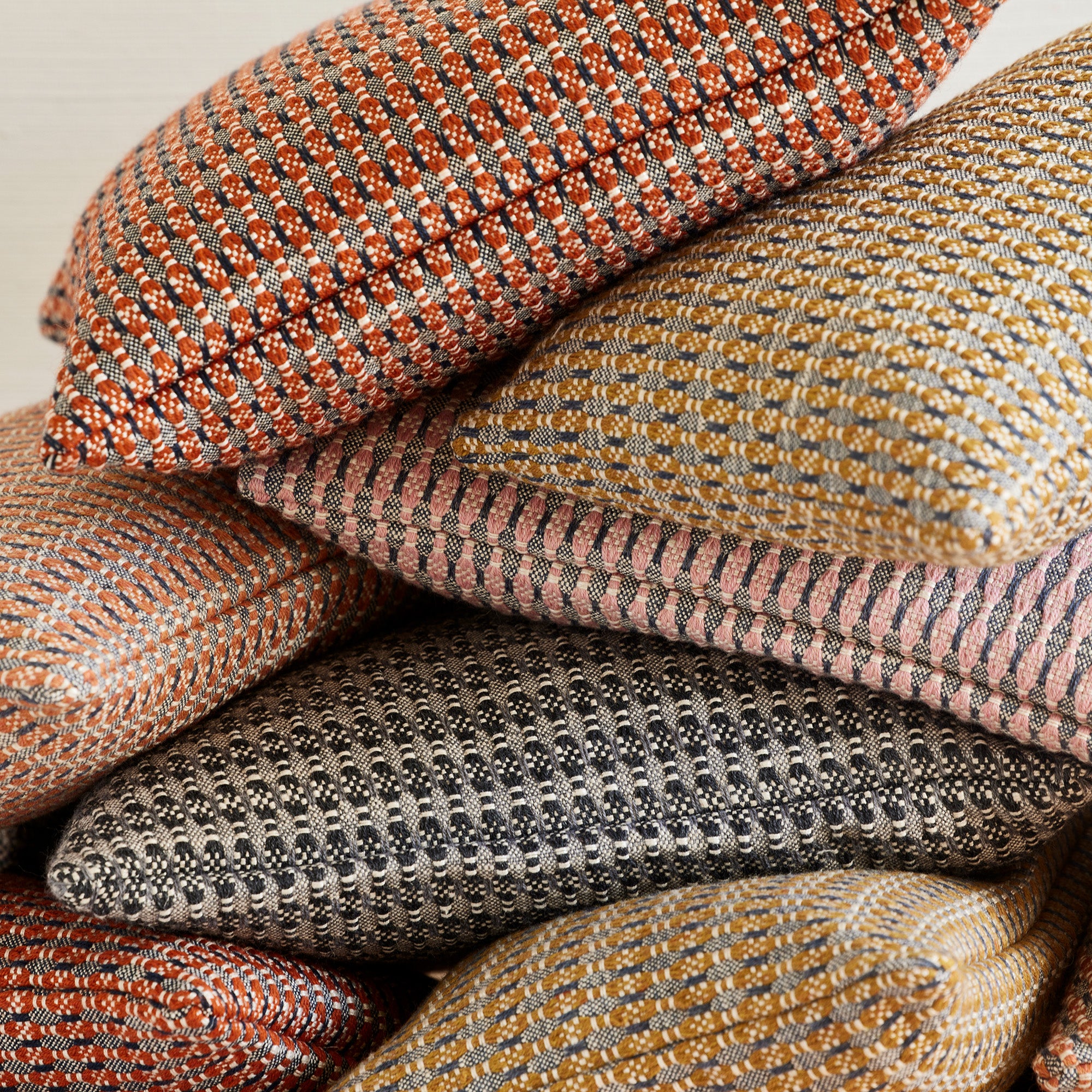
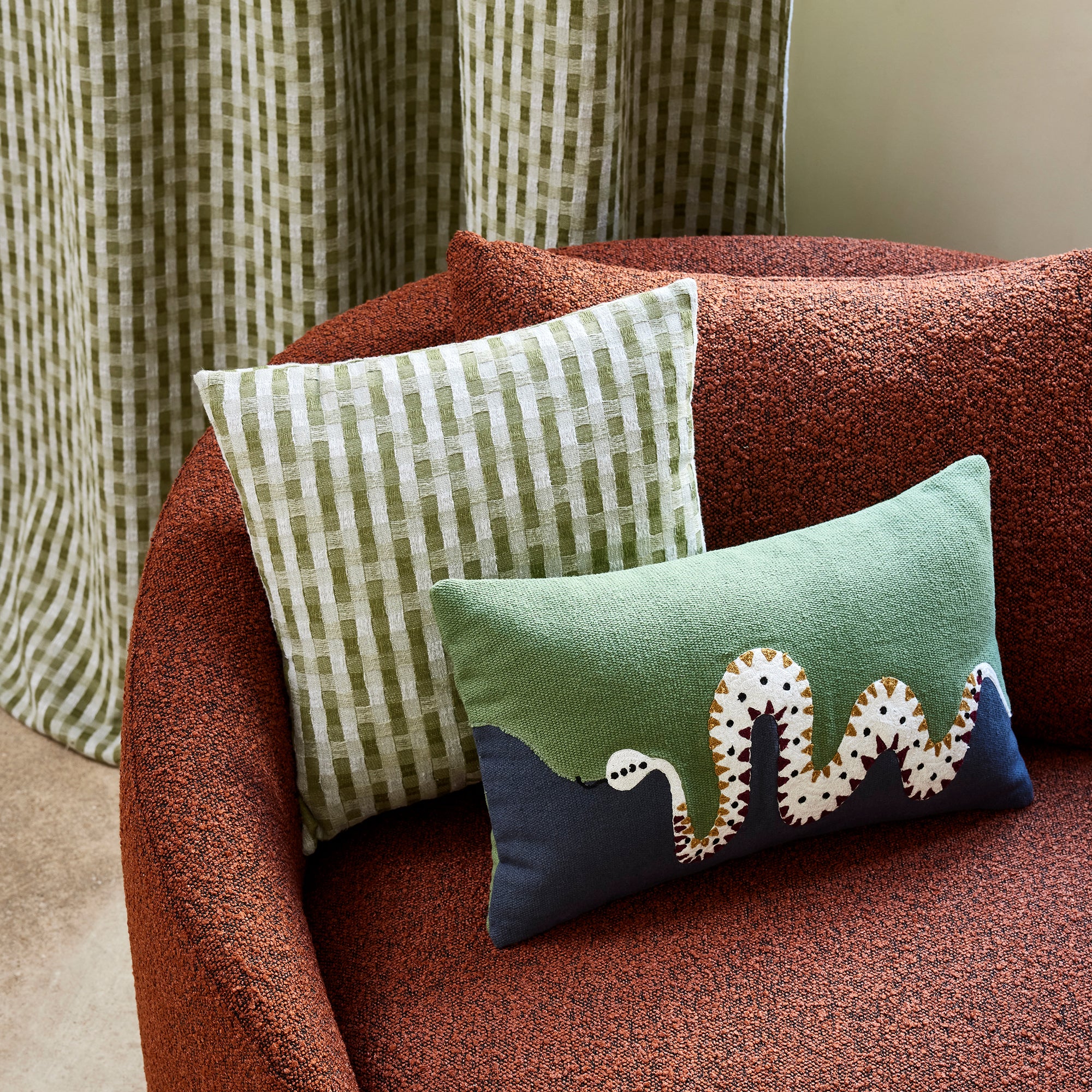
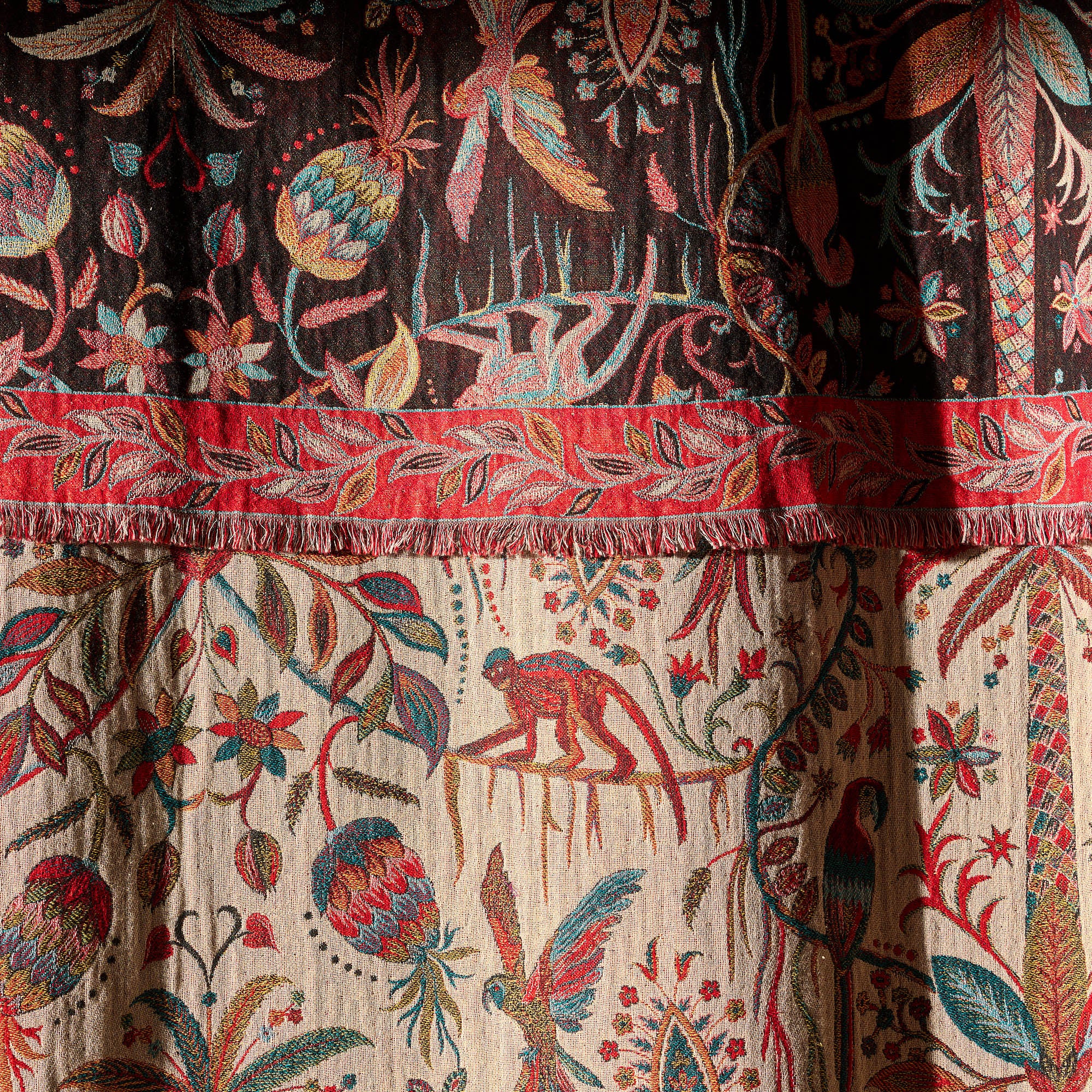
Mixing a plain cushion with one or two patterned cushions structures the decoration without overwhelming it. The Maison-Blog article emphasizes that it is preferable to use only one strong pattern (geometric, floral or ethnic) and to combine it with plain cushions using the colors of the pattern. The recommended proportion is 70% patterns and 30% plain cushions to obtain a balanced set. According to Joli Place, you should not hesitate to mix prints (flowers, stripes, geometric figures) for a “mismatched” effect as long as you keep the same range of colors.
Some winning combinations:
Stripes + floral + plain: a striped cushion sets the rhythm, a floral cushion brings a romantic touch and a plain color recalls one of the main shades.
Graphic + textured + neutral plain: a graphic cushion in black and white combines with a woven cushion (jacquard, embroidery) and a plain beige or gray cushion.
Ethnic pattern + velvet: a colorful tribal print is balanced with plain corduroy for a bohemian chic spirit.
Cushions are an opportunity to introduce varied materials that enrich the decoration. The variation in textures brings relief and makes the whole look warmer. The table below summarizes the characteristics of the main materials:
|
Material |
Visual and tactile effects |
Usage advice |
|
Linen |
Natural appearance, matte, visible fibers, light feel |
Ideal for a refined or Scandinavian style. Mix with velvet for a chic contrast. |
|
Corduroy |
Soft and warm touch, reflections depending on the orientation of the fabric |
Creates a cozy and luxurious atmosphere. Combine it with graphic patterns or linen to avoid the overloaded effect. |
|
Curly wool / faux fur |
Soft and cocooning texture |
Perfect for winter or mountain style. Mix with smooth materials to balance. |
|
Thick cotton |
Versatile, durable fabric, neutral feel |
Suitable for daily use. Available in plain or small stripes. |
|
Microfiber |
Soft synthetic, suede look, resistant to wear and light |
Offers good value for money and easy maintenance. |
For a harmonious result, limit yourself to two or three different textures and combine a textured material (looped, embroidered) with smooth materials (linen, cotton). In winter, introduce wool or faux fur cushions and, in spring, opt for airy textiles like linen or cotton gauze.

Step by step method
Determine the use of the living room: number of seats, style and desired level of comfort. A welcoming sofa in a family room requires durable and comfortable cushions; a purely decorative living room can afford more fantasy.
Choose the dominant color: identify the main shade of the sofa or rug. Choose it in monochrome or add a complementary color depending on the desired effect (soothing or dynamic).
Select 2 or 3 cushion formats: combine squares 50 × 50 cm, 45 × 45 cm, 40 × 40 cm and rectangles 30 × 50 cm. Optionally add one or two round cushions to break the rigidity.
Compose with the patterns: choose a dominant pattern (geometric, floral, ethnic) and vary it. Respect the proportion 70% patterns / 30% plains.
Mix textures: alternate warm materials (velvet, looped wool) and cool materials (linen, cotton), taking care to harmonize the colors.
Arrange the cushions: start with the largest ones at the ends of the sofa, place the medium sizes in the center, then overlap the smallest or round ones in the foreground. The assembly must remain functional; keep a third of the sofa free for seating.
Palette: light gray (color of the sofa), duck blue and terracotta.
Formats: two 50 × 50 cm cushions in duck blue velvet, two 45 × 45 cm cushions in terracotta linen, a 30 × 50 cm rectangular cushion in gray/white jacquard fabric and a small 35 cm round cushion in cream curly wool.
Reasons: the jacquard cushion has a geometric pattern reminiscent of blue and terracotta shades and the plain cushions reflect these colors. The composition follows an odd number (5 cushions) and alternates smooth and textured textures.

Practical advice
Choose removable covers: Choose cushions whose covers can be removed and washed. According to the guides, cotton or linen fabric covers can be machine washed, while velvet and microfiber can be cleaned on a delicate program or in the dry cleaners. Turn the cushions regularly to prevent the filling from sagging on one side.
Choose a suitable filling: the feathers offer soft comfort but require frequent fluffing. Synthetic fibers (polyester) provide firm support and easy maintenance, while foam can be suitable for decorative cushions. A good cushion must retain its shape and density over time.
Adapt textures to the seasons: in fall/winter, choose warm materials (velvet, wool, faux fur). In spring/summer, opt for linen or light cotton.
Respect the spirit of your decor: a Scandinavian living room values neutral shades (white, beige, pastel) and natural materials. A bohemian spirit likes warm colors (ochre, terracotta) and ethnic patterns, while an industrial interior adopts dark colors and raw textures.
Common mistakes to avoid
Excessive uniformity: matching all the cushions in the same color and size makes the decoration monotonous. On the contrary, decoration experts recommend mixing formats, patterns and textures.
Palette too varied: using more than three colors can create a messy patchwork effect. Limit yourself to a limited range and play with the shades of this palette.
Cushion overpopulation: too many cushions prevent you from sitting and make the look heavier. Keep an odd number adapted to the length of the sofa (for example 3 cushions for a two-seater and 5 for a three-seater).
Neglecting comfort: some decorative pillows just look good, but a friendly living room should offer ergonomic support. Choose quality fillings, shapes adapted to the back and favor fabrics that are soft to the touch.
Skip the interview: a silk or light velvet cushion requires more attention than a dark cotton cushion. Take your lifestyle (children, pets) into account to choose materials that are durable and easy to clean.

Madura is a French textile decoration brand recognized for its know-how. Created in 1971, it introduced the concept of “ready to hang” by offering ready-to-use curtains and cushions. The brand stands out for its quality fabrics, often composed of natural fibers such as linen, cotton and wool, which ensure strength and durability.
The Madura collections reflect a wide diversity of styles: cushions in neutral shades for minimalist interiors, rich velvets for a warm atmosphere, embroideries and prints inspired by world cultures for a bohemian spirit. According to the Franchise Observatory, Madura offers a wide range of curtains, sheers and accessories, promoting the authenticity and durability of the materials. The brand highlights careful manufacturing, the use of natural fibers and an eye for detail which gives each product an artisanal touch. By choosing Madura, you benefit from French know-how combined with creations that are both trendy and timeless.
How many cushions for a three-seater sofa?
It is advisable to place five cushions on a large sofa. The trick is to choose two large cushions for the corners, two intermediate sizes and one smaller or round cushion to break up the whole.
Is it absolutely necessary to respect the odd number rule?
The odd rule (3, 5 or 7 cushions) creates a natural and dynamic visual balance. However, nothing prevents you from having four cushions if your sofa is very long or if you prefer perfect symmetry. The main thing is to maintain consistency in colors and formats.
What size cushion should I choose for a two-seater sofa?
On a compact sofa, choose cushions measuring 45 × 45 cm and 40 × 40 cm. Two large cushions and one medium cushion are enough. The 30 × 50 cm rectangular cushions add lumbar support without taking up space on the seat.
How to combine cushions with different patterns?
Start by choosing a main pattern (flowers, stripes, geometry) and then select plain cushions in the colors of this pattern. You can add a second, more discreet pattern (polka dots or small stripes). Just make sure the patterns share a common palette so as not to blur the look.
How do I maintain my cushions?
Choose cushions with removable covers: cotton and linen covers can be washed at 30°C, while velvet and microfiber require a delicate cycle or dry cleaning. The feather filling should be patted regularly to maintain its volume.
Can you mix plain cushions and very different prints?
Yes, provided you maintain a common thread: either a common color or a shared graphic theme. For example, a blue floral cushion will go well with a blue and white striped cushion and a plain dark blue cushion. The Joli Place website advises not to look for perfection in matching shades.
Sommaire
Our last articles
Conseils et astuces •8 min
Correctly measuring your curtains is the first step to achieving a neat and harmonious result. This guide explains how to...
Conseils et astuces •8 min
Proper care for each material — linen, cotton, percale — helps preserve the softness, colors, and durability of your home...