


Conseils déco •7 min
Which rug for summer: natural fibers that stay cool underfoot
In summer, the choice of carpet directly influences the feeling of freshness and comfort on the floor. Seagrass, jute, cotton:...

Madura customer service
Available on WhatsApp, by chat or by phone at 01 42 34 99 59

All the tips and tricks from our team, just like in store, delivered straight to you.
All articlesMost searched articles
Conseils déco
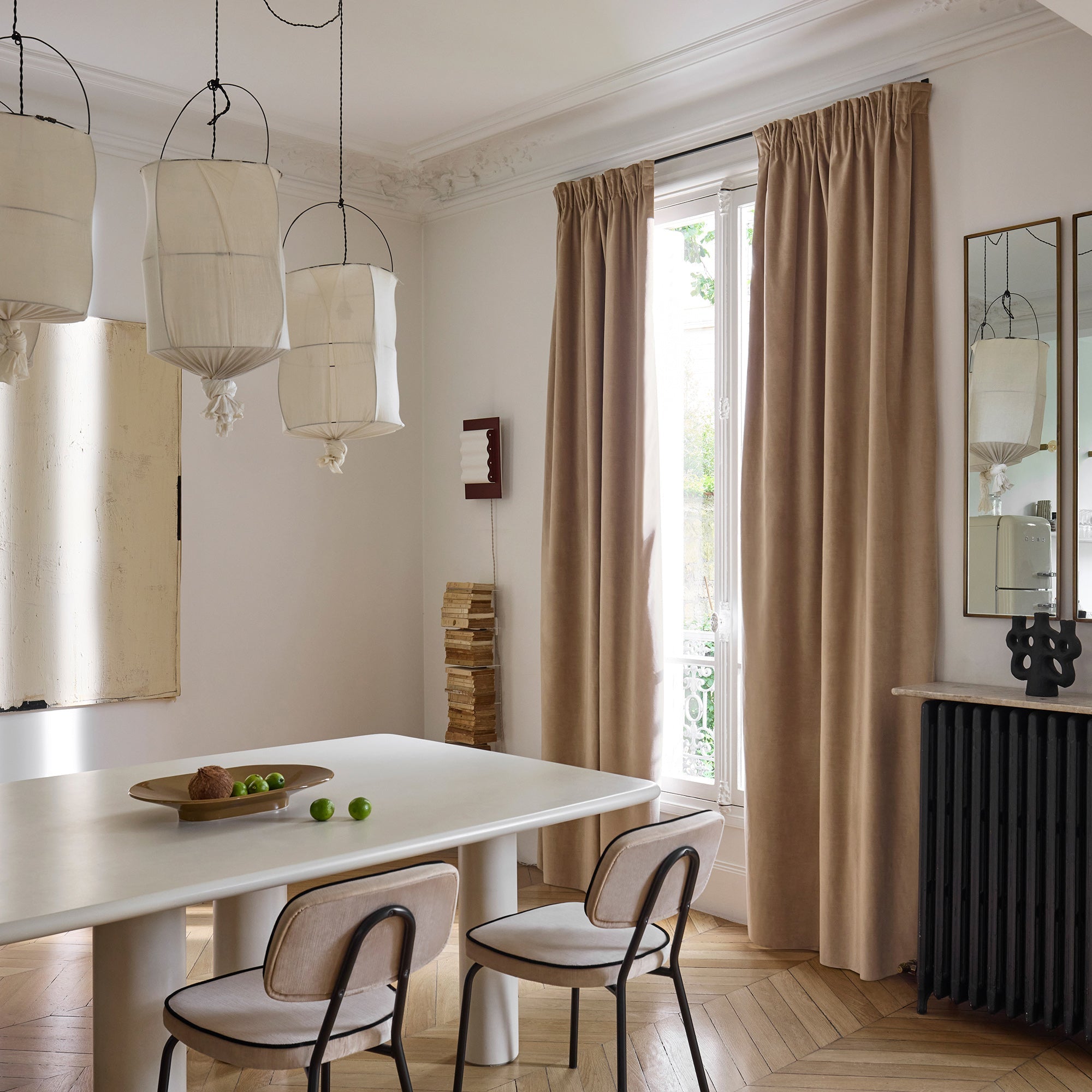
The linen or velvet curtain is a choice of material which determines both the visual ambiance of a room and its functional performance. Linen provides lightness, filtered light and natural character, while velvet offers warmth, thickness and significantly greater blackout capacity. For a living room bathed in light, linen will often be preferred; for a bedroom or an intimate space, velvet is essential. The choice therefore depends as much on your needs in terms of insulation and light as on the decorative style you wish to create in your home.
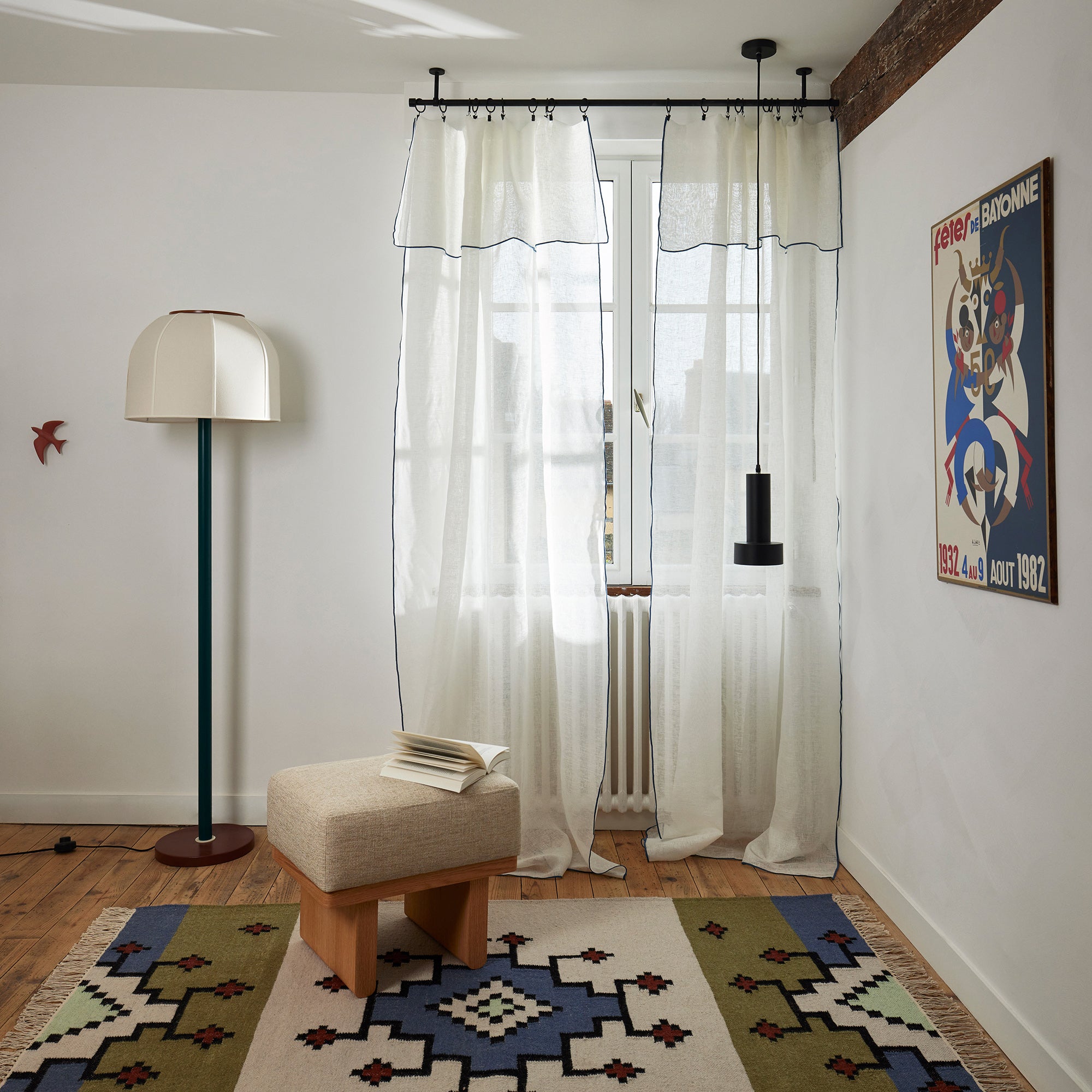
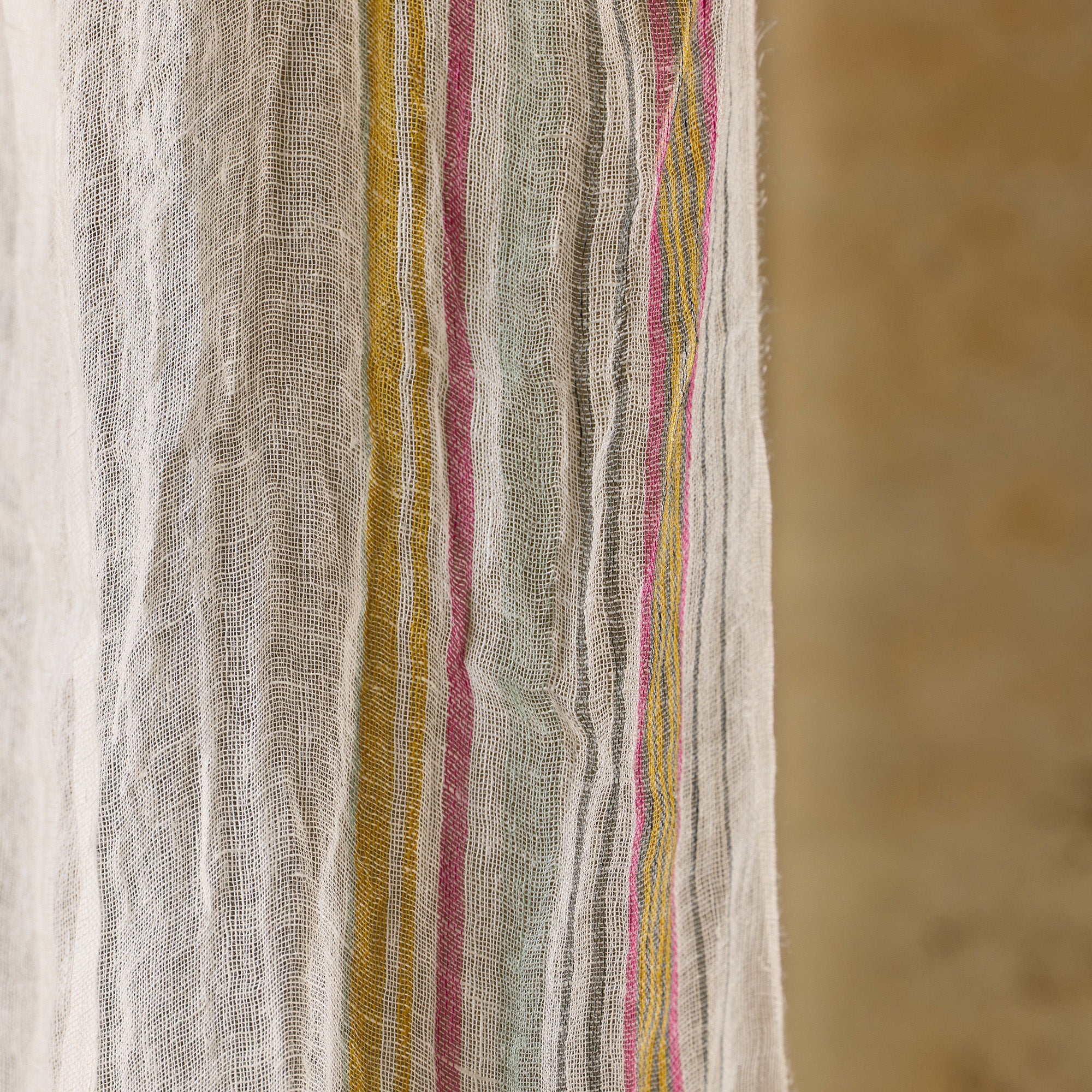
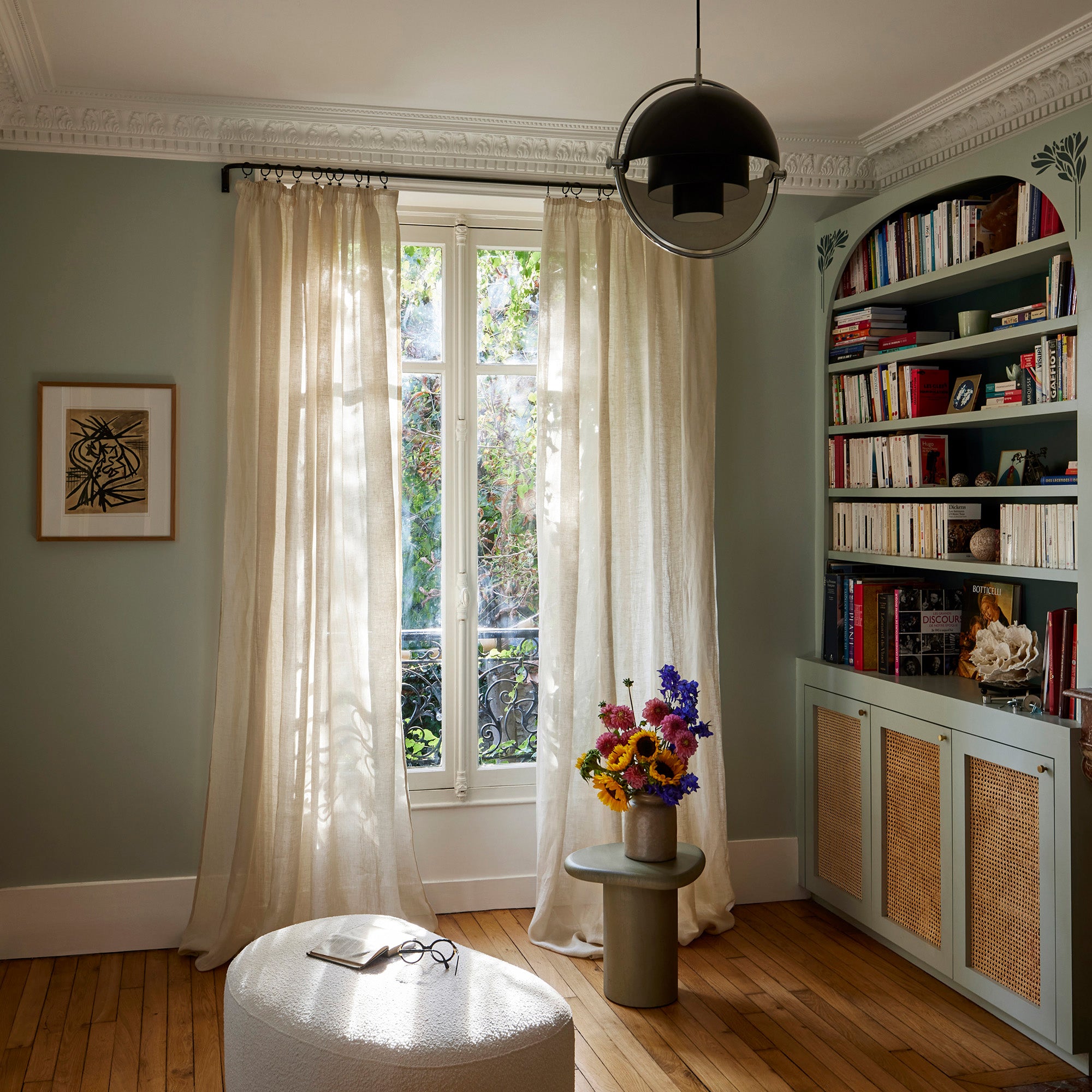
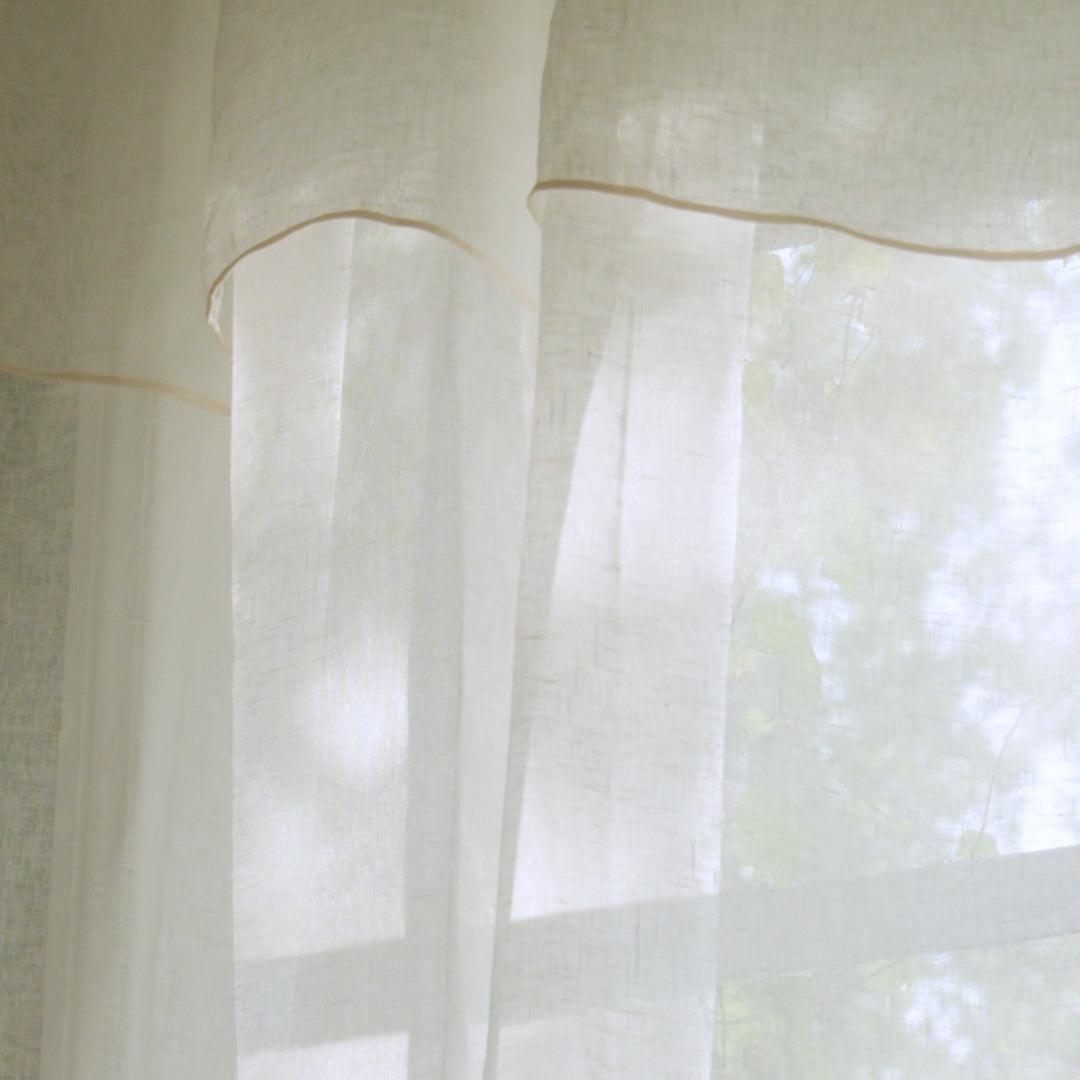
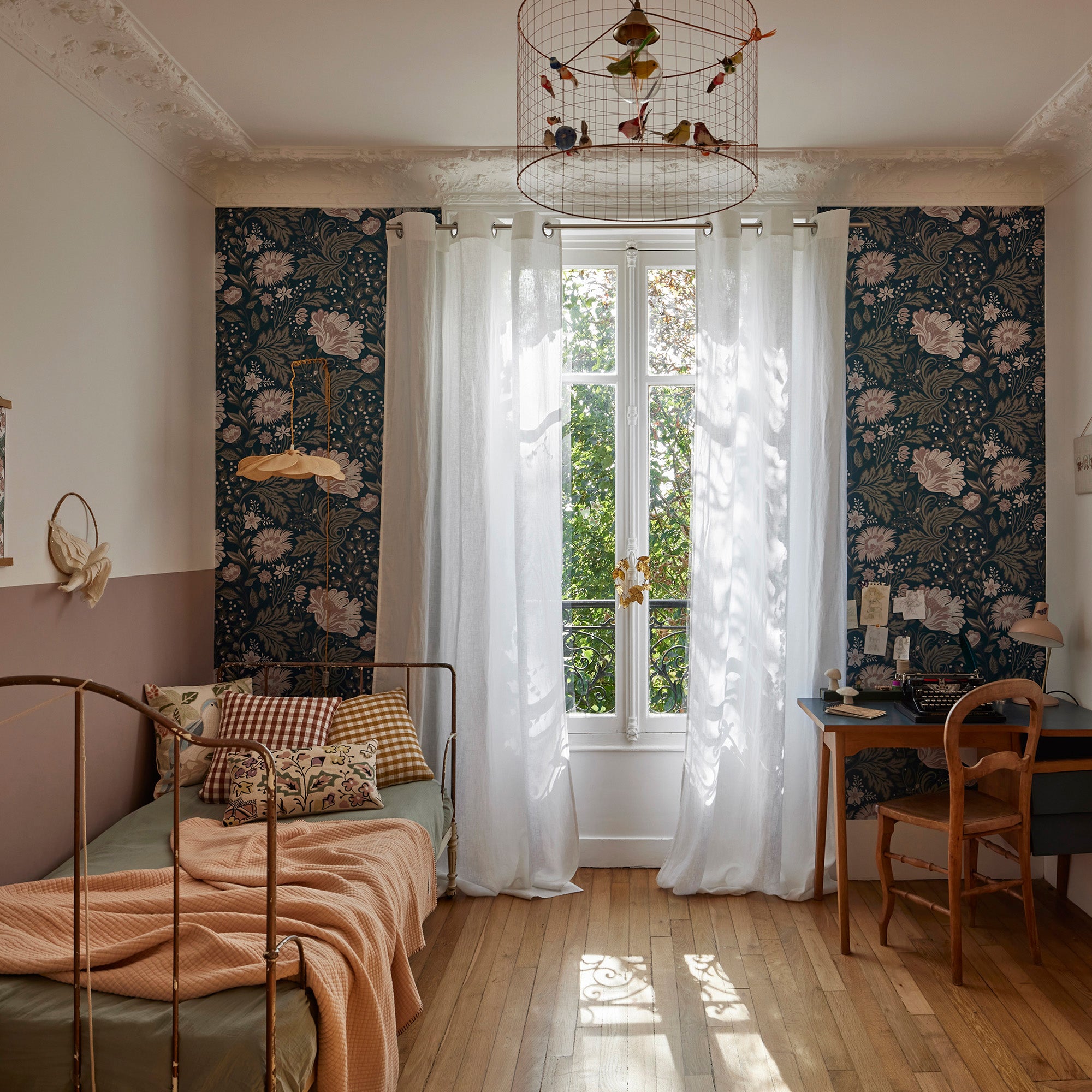
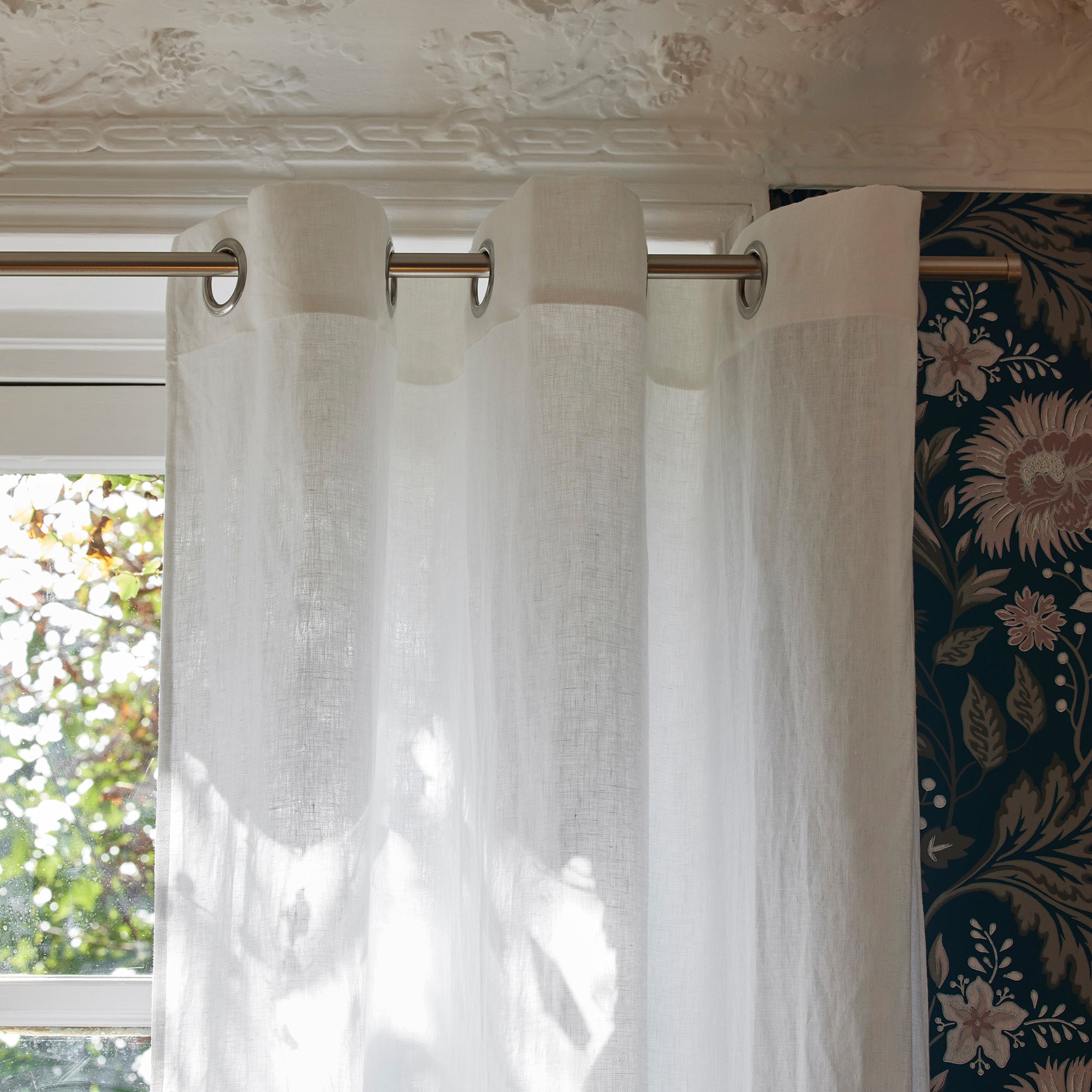
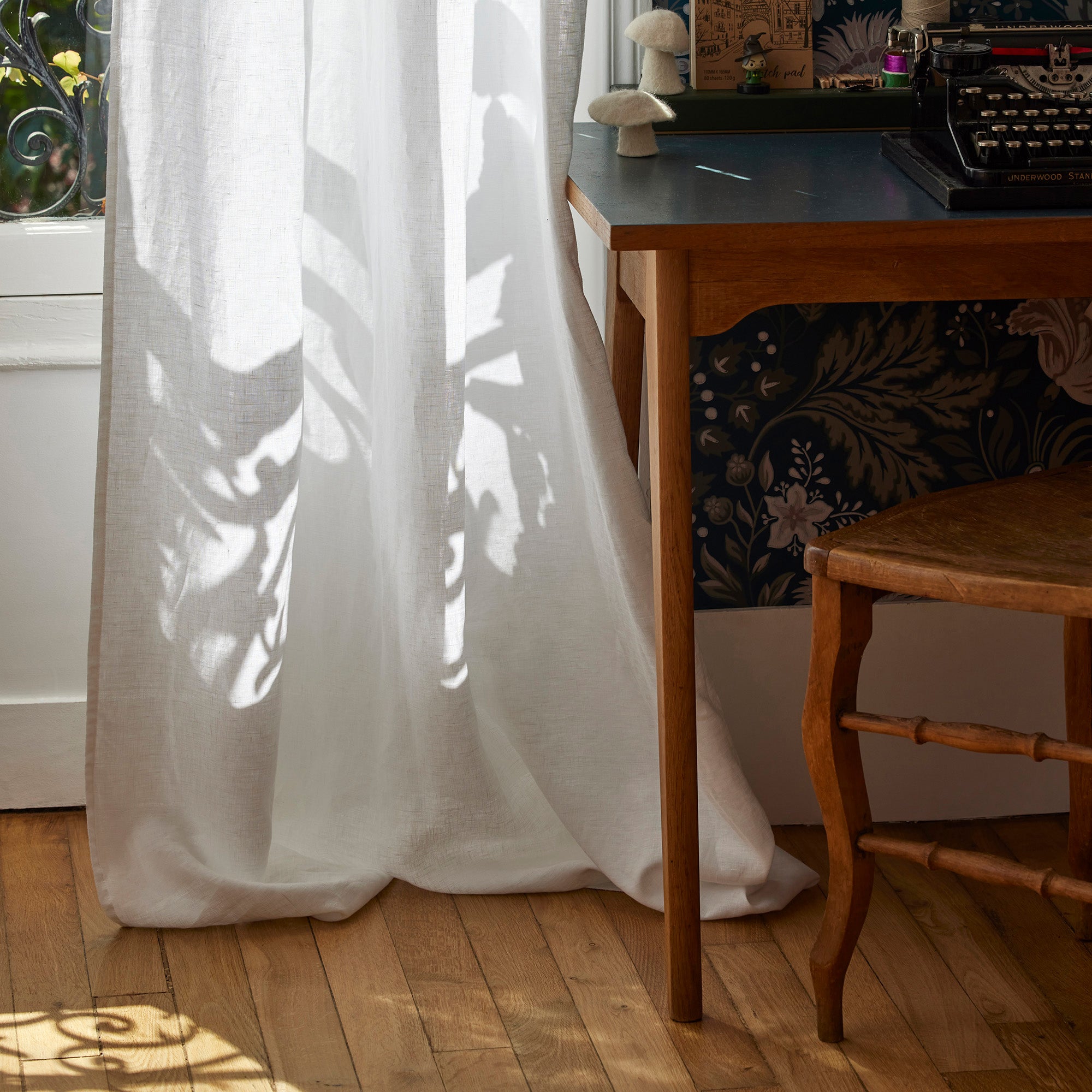
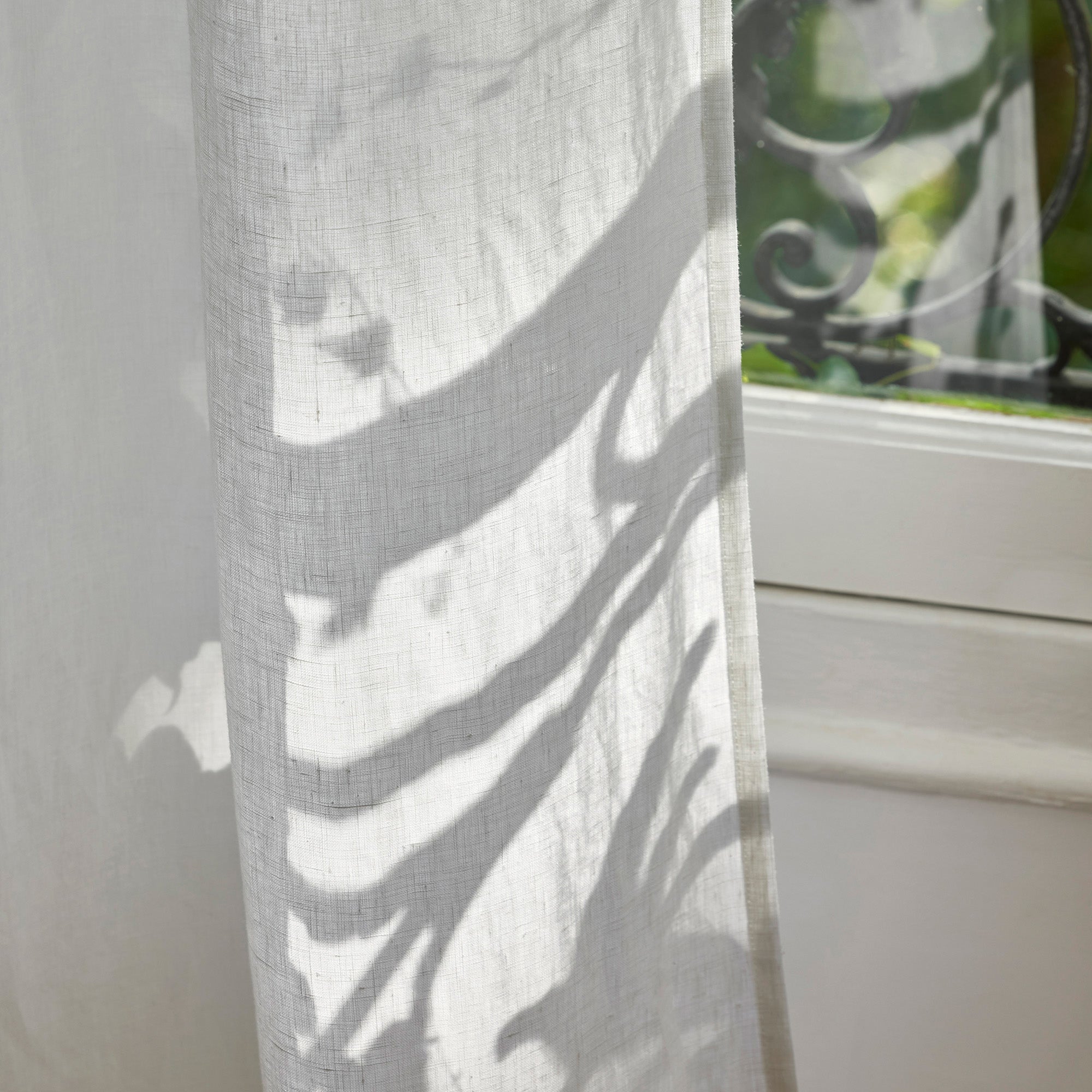
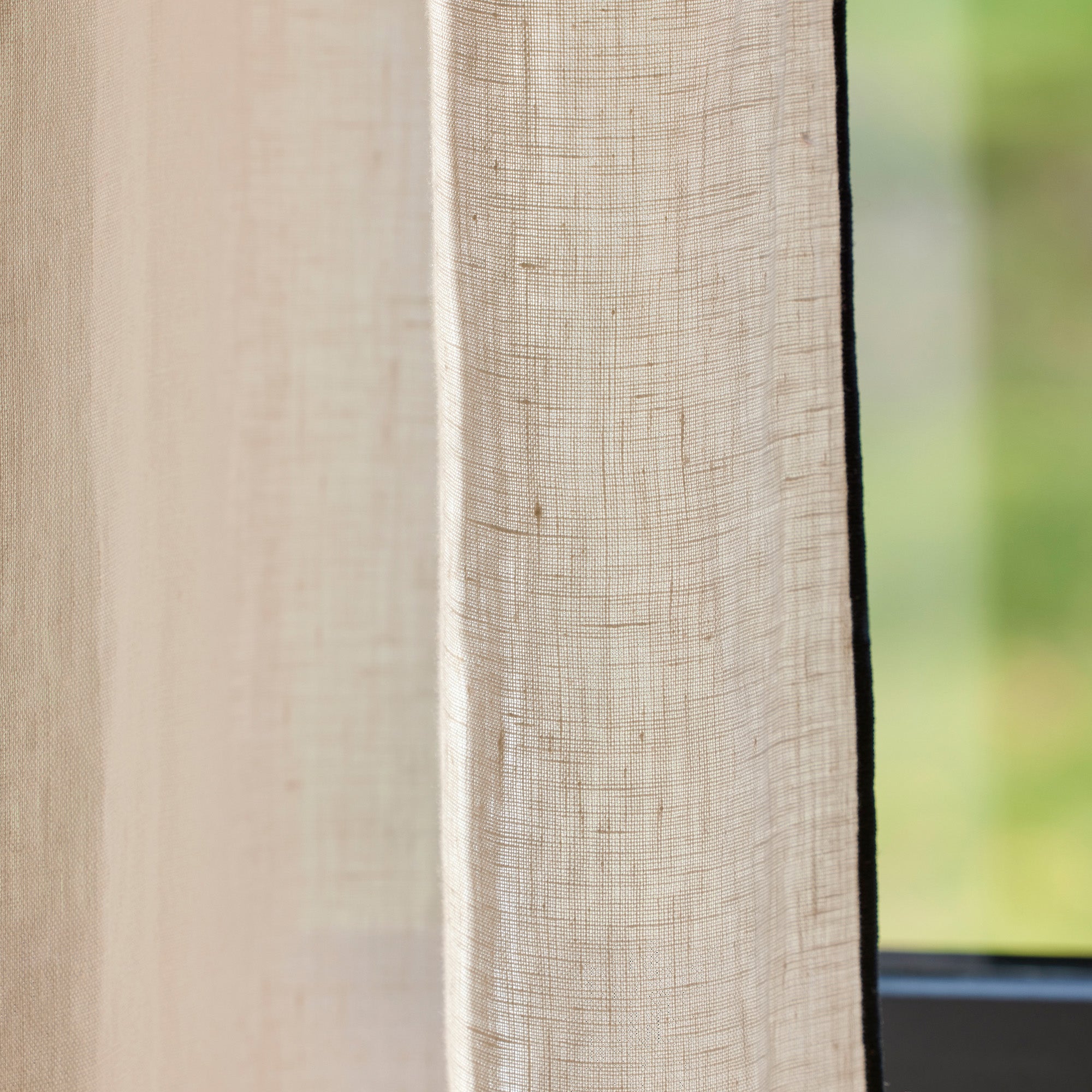
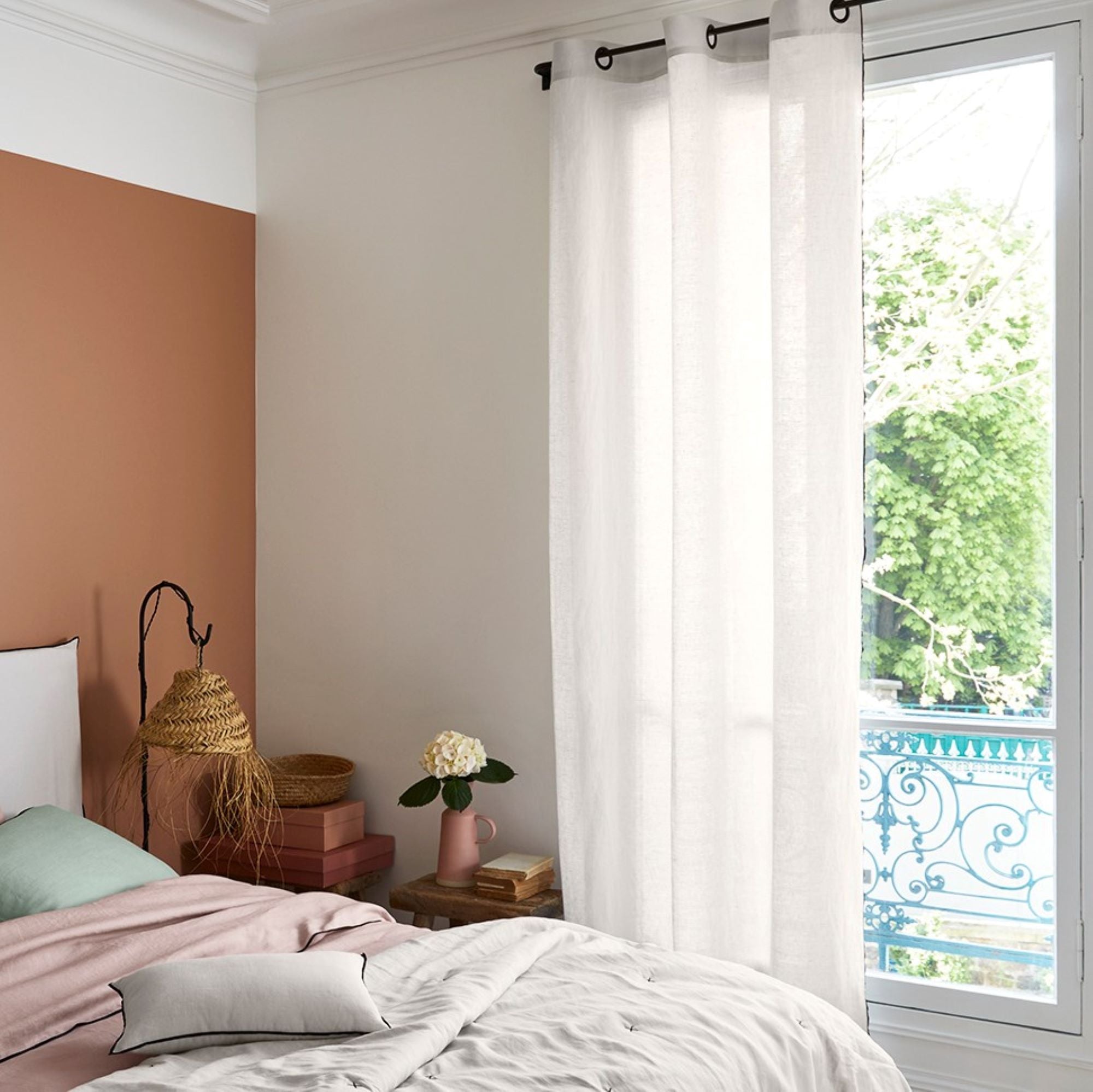
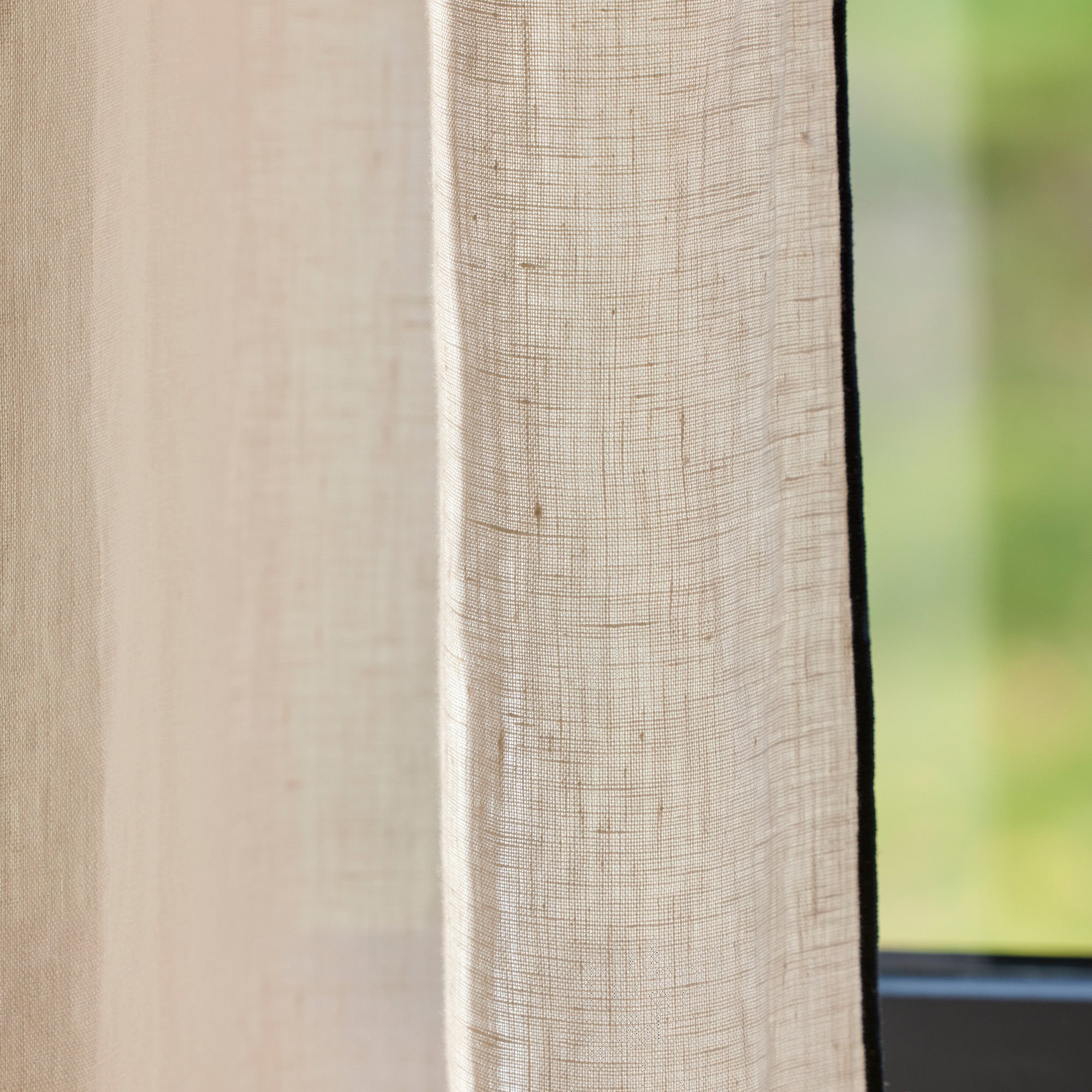
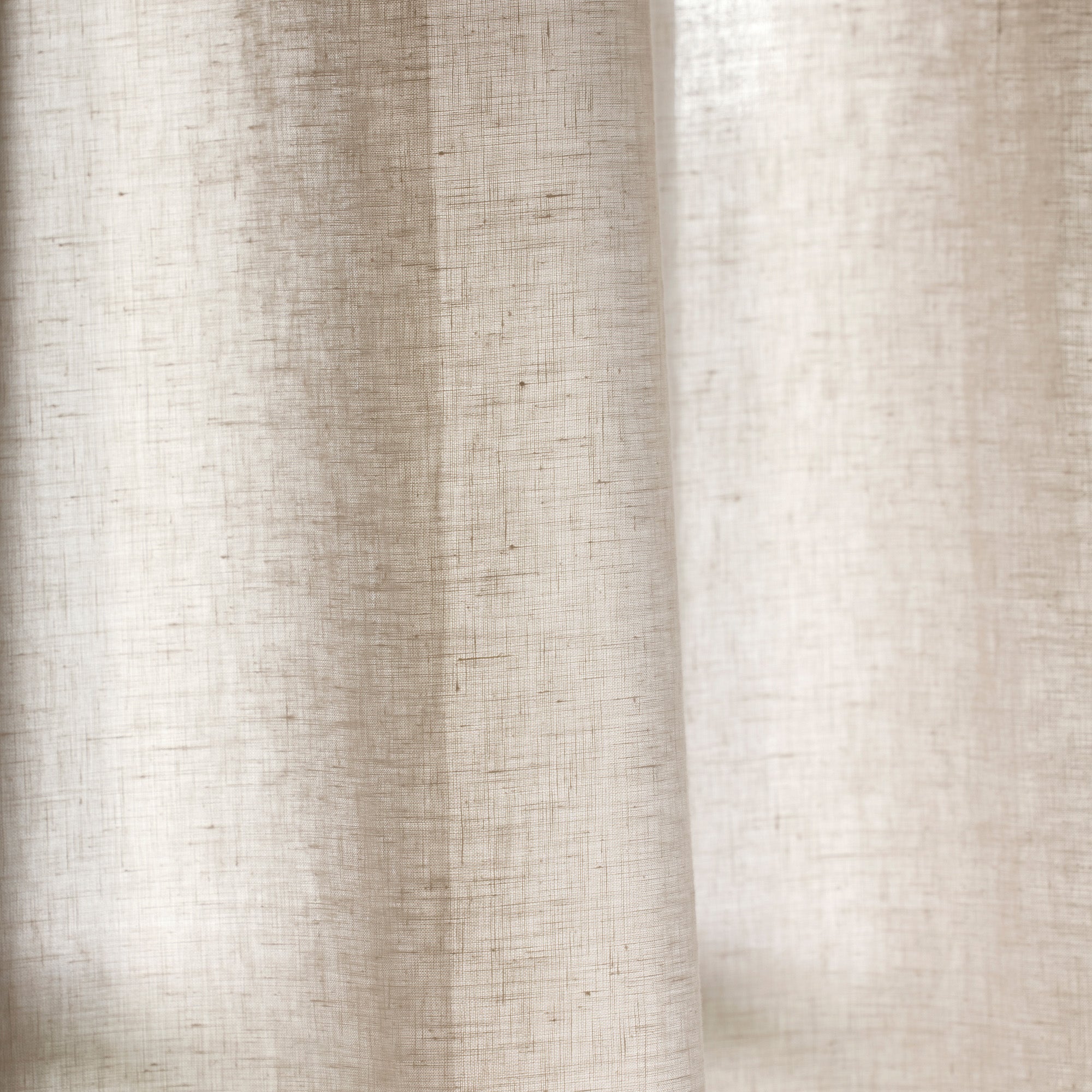
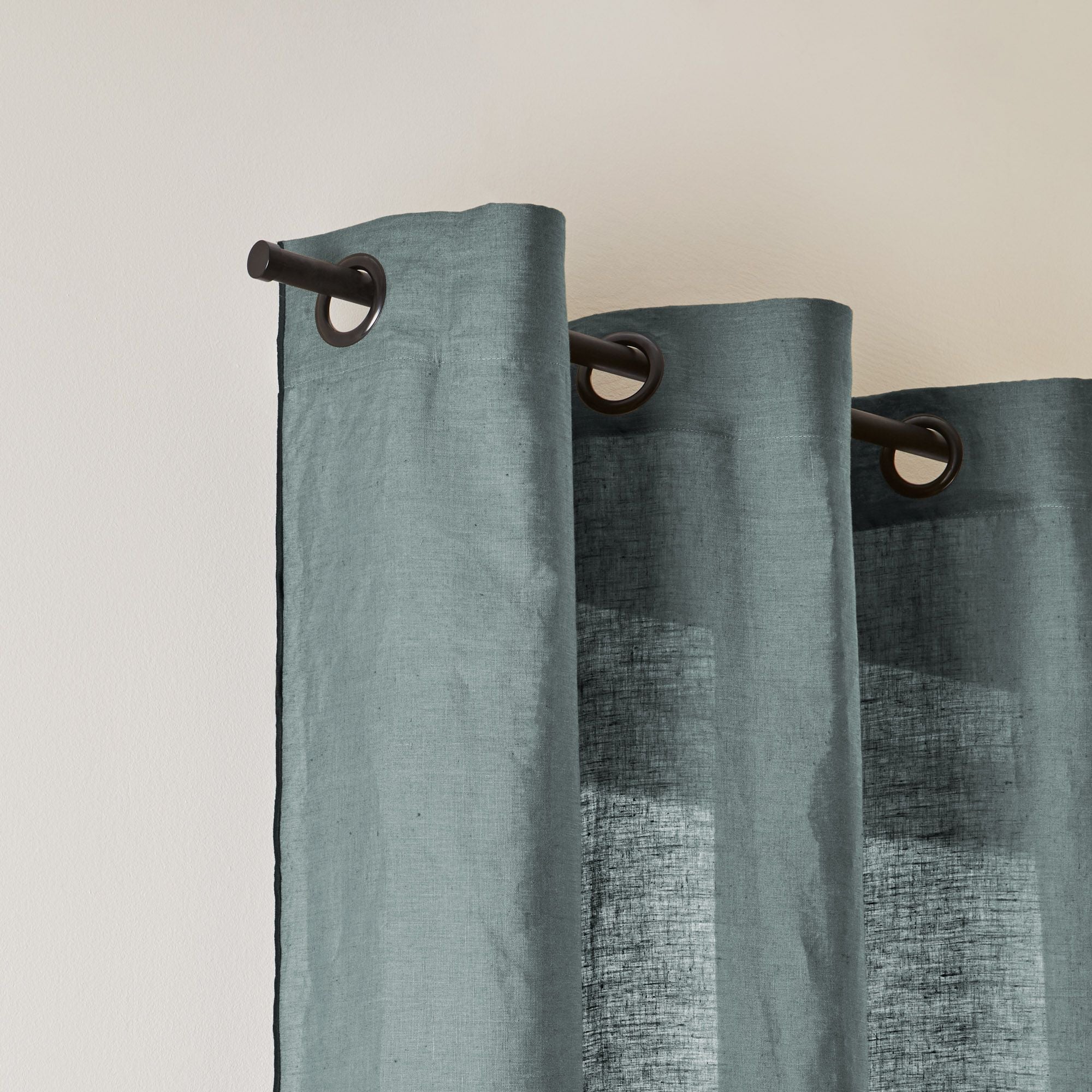
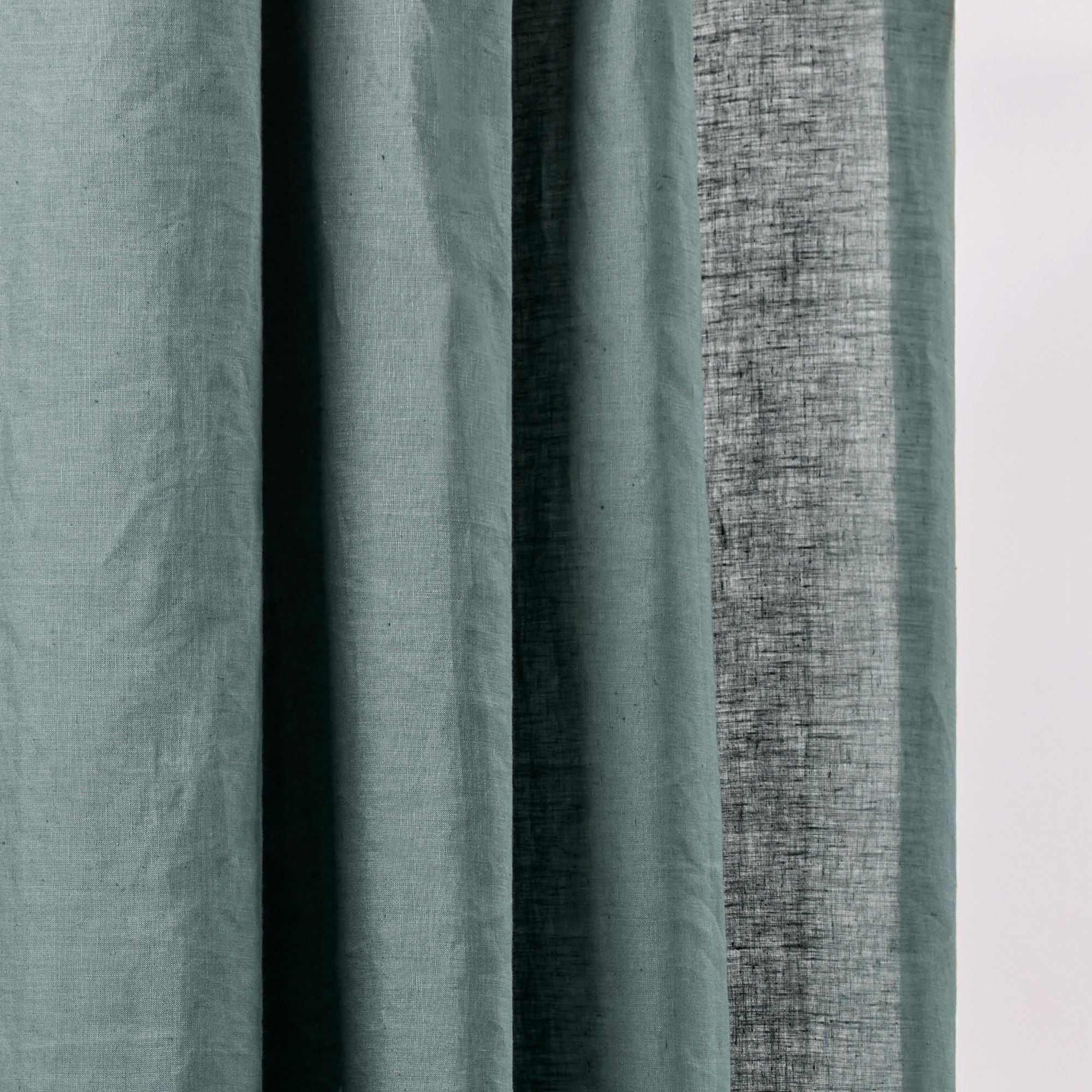
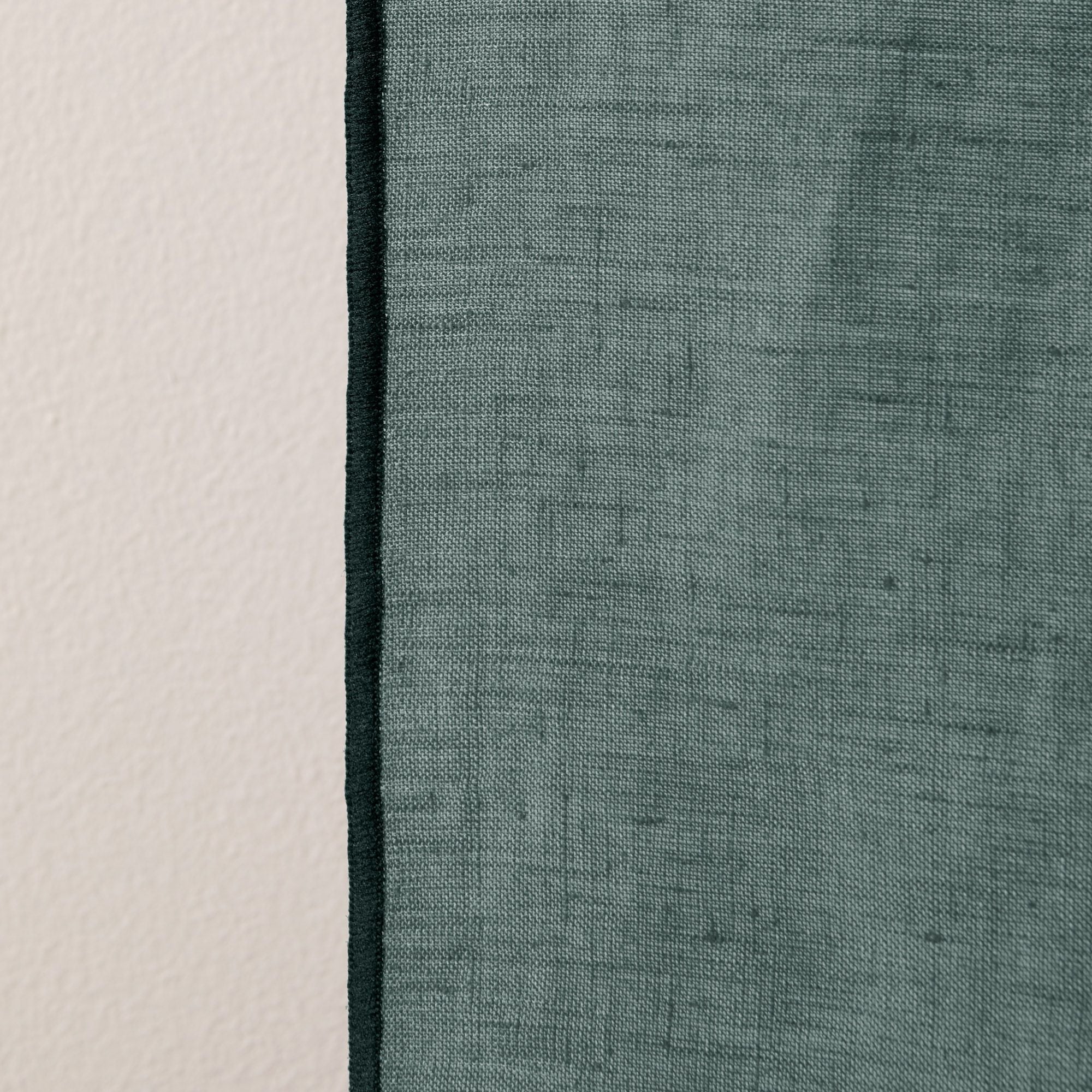
Linen is a natural fiber grown mainly in Northern Europe, recognized for its robustness and slightly irregular texture which gives it a unique charm. A linen curtain lets in soft, subdued light, creating a soothing and warm atmosphere in a living room or dining room.
Its natural breathing makes it particularly suitable for living rooms. It discreetly regulates room temperature and stands up well to repeated washing. Over time, linen develops a pleasant patina, gaining flexibility and character.
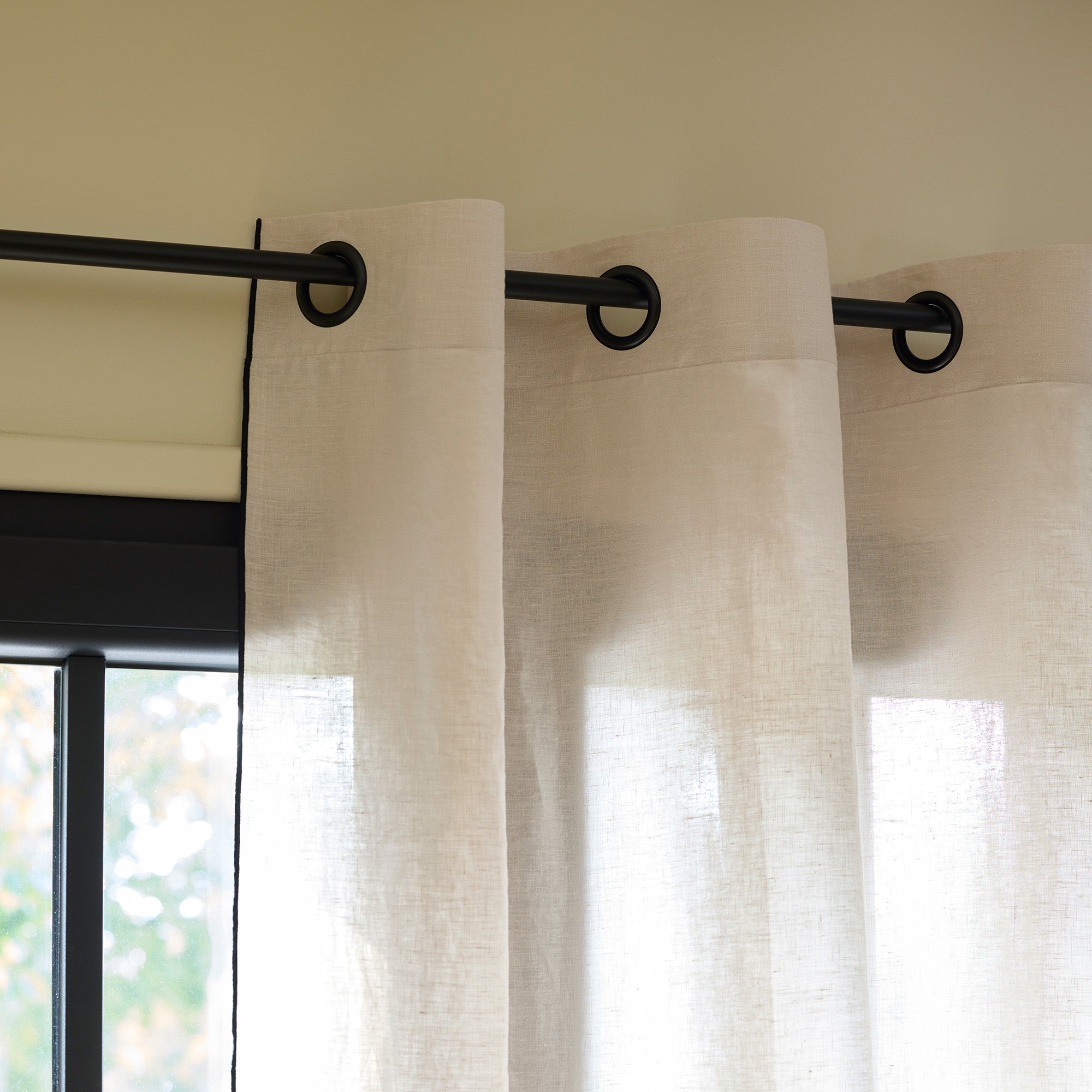
In terms of concealment, unlined linen remains translucent. To achieve partial blackout, it is advisable to combine a linen curtain with a lining or sheer curtain underneath. Its natural, ecru, sand and terracotta color palette harmonizes with many interior styles.
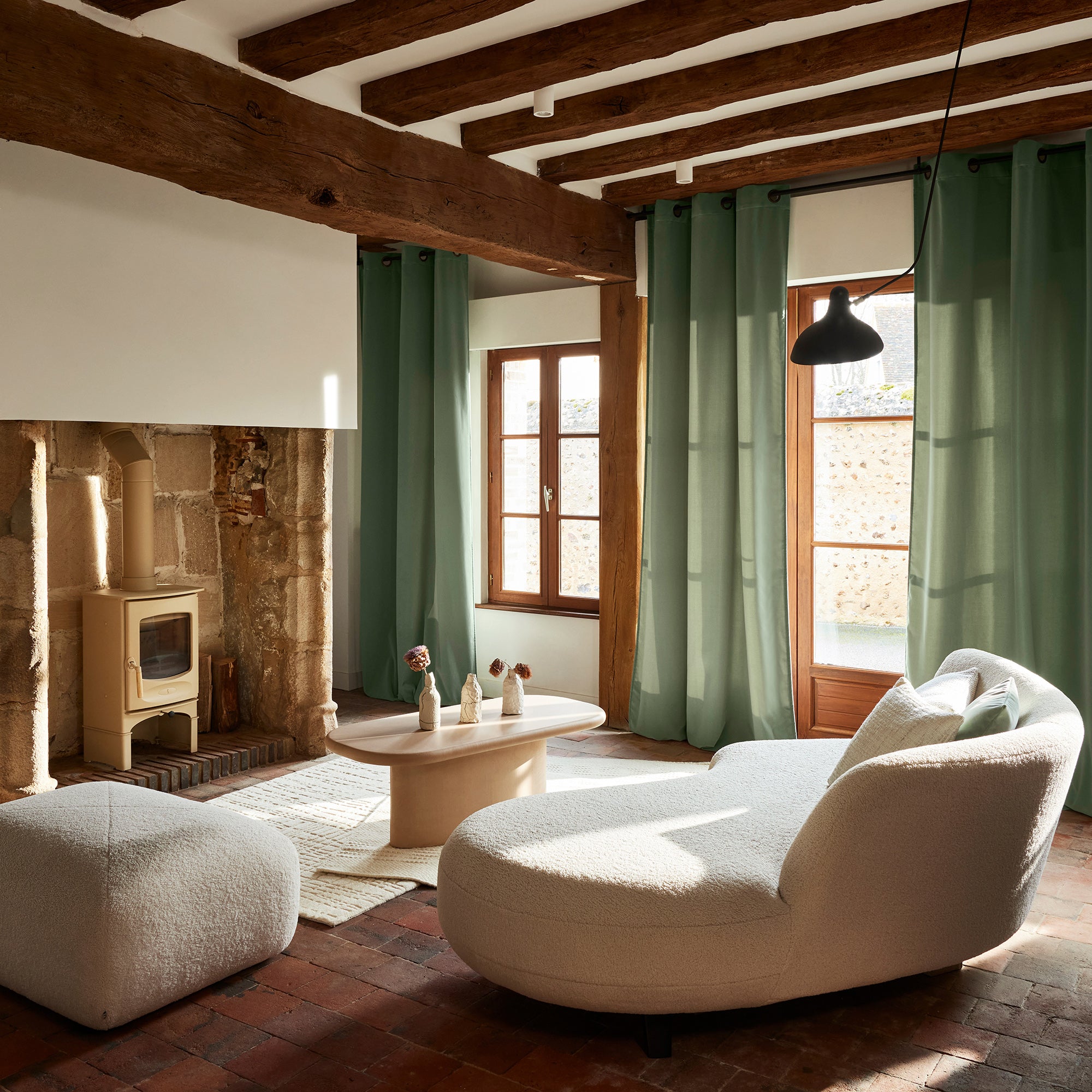
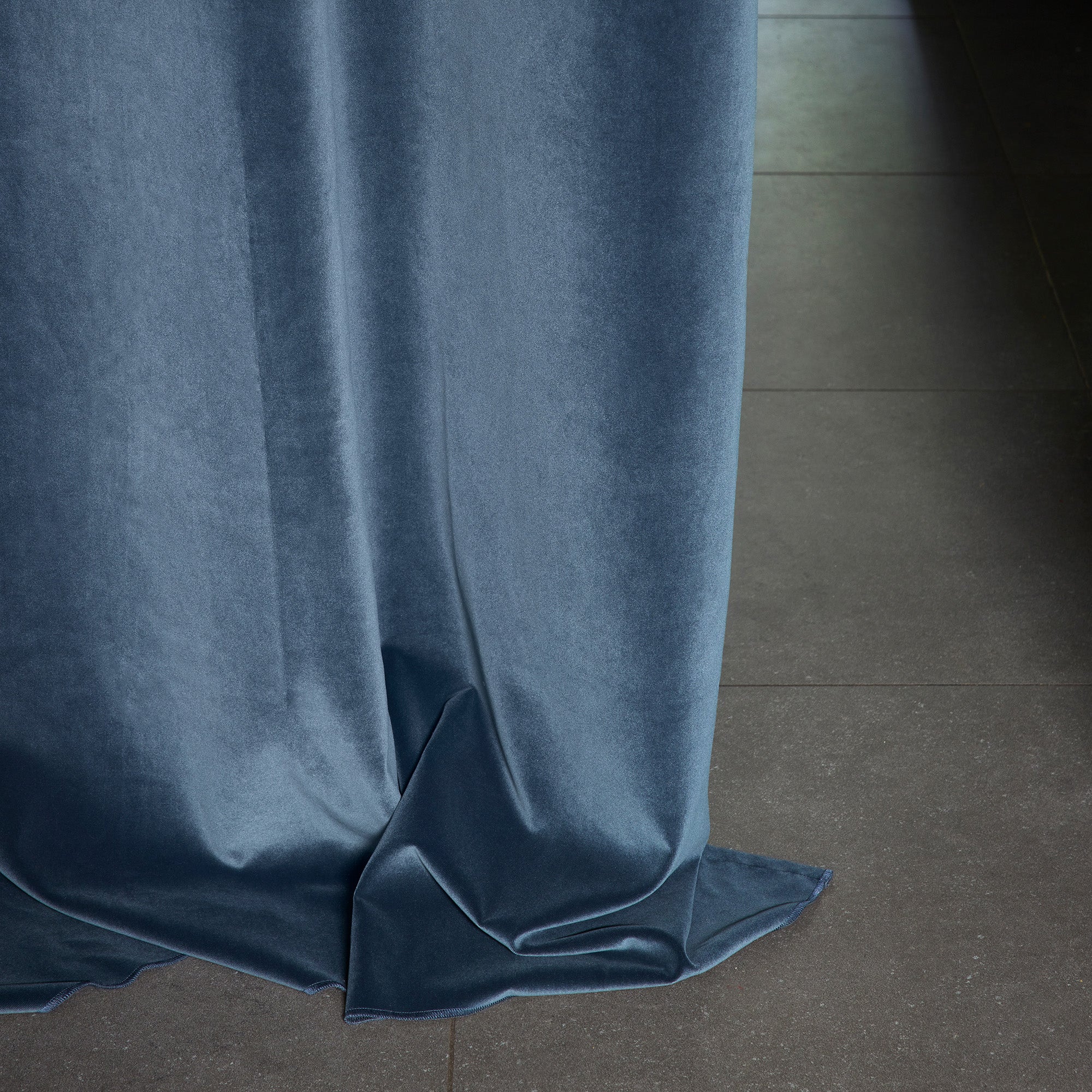
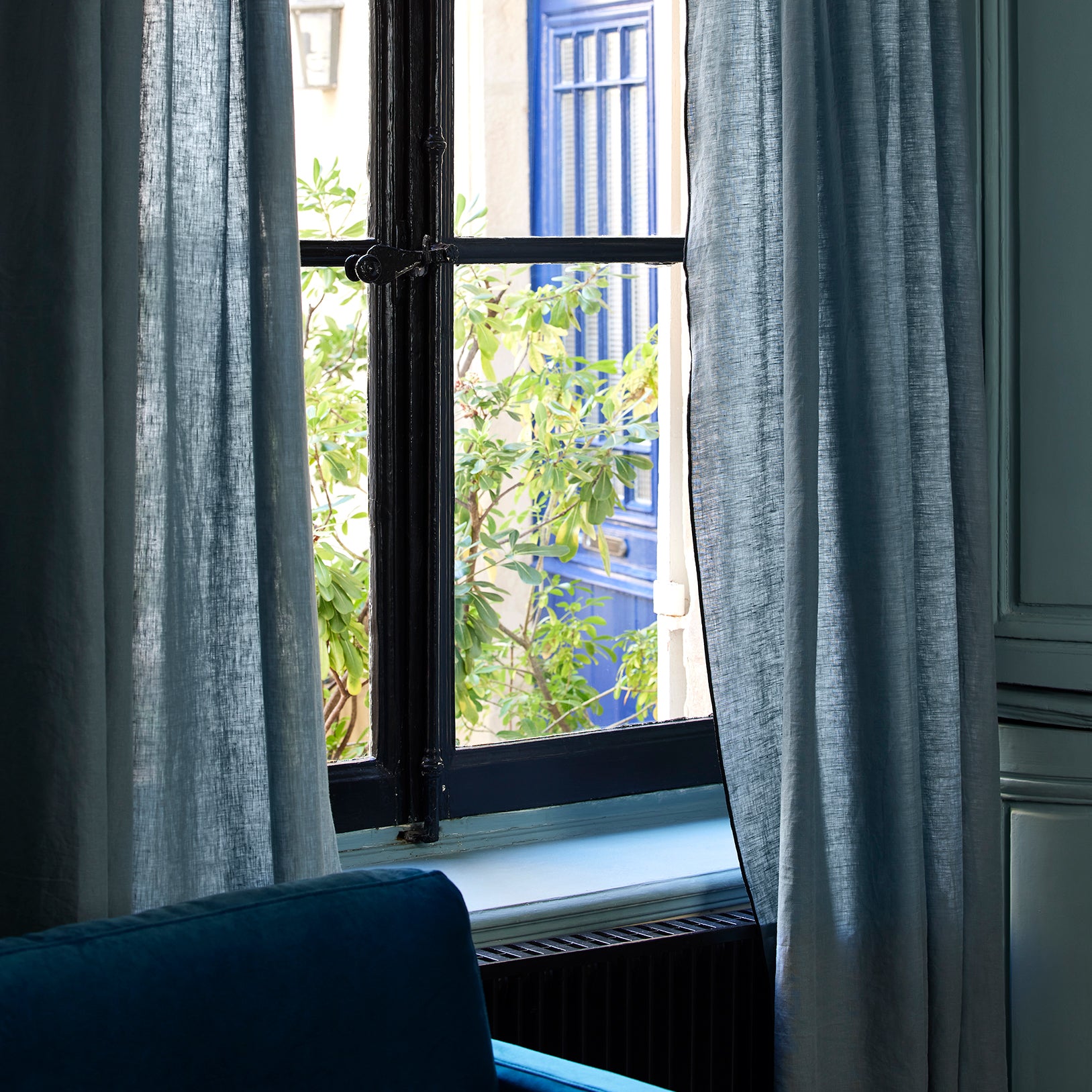
Velvet is a thick, short-pile fabric that absorbs light and creates incomparable visual depth. A velvet curtain instantly brings warmth and character to a room: it thickens the lines, enriches the palette and dresses the windows with an assertive presence.
Its density makes it a valuable ally for thermal and sound insulation. According to ADEME, 25 to 30% of heat loss from a home passes through openings. A thick velvet curtain, correctly placed down to the floor and falling slightly against the walls, contributes significantly to limiting these losses.
Velvet also offers much better concealment than linen, especially when lined. It is ideal for bedrooms, screening spaces or north-facing rooms where visual warmth is also important.
In a living room, the choice between linen and velvet depends above all on the orientation of the room and the desired atmosphere. A south-facing living room will benefit from a linen curtain which tempers the light without making it darker. A dimly lit or north-facing living room will be enhanced by warm-colored velvet which will visually compensate for the lack of natural light.
Ceiling height also plays a role. A thick velvet curtain, placed from ceiling to floor, amplifies the feeling of height and grandeur. Linen, lighter and more fluid, is better suited to contemporary interiors or spaces where fluidity is desired.

Concealment is often the decisive criterion, especially for bedrooms. There are three levels: filtering (allows light to pass through), partial blackout (filters without completely obscuring) and total blackout (blocks daylight).
For living room curtains where you want to retain natural light, linen remains the reference solution. For a bedroom, opt for lined velvet, or even combine the two materials: a velvet curtain for insulation and a sheer curtain for the day.

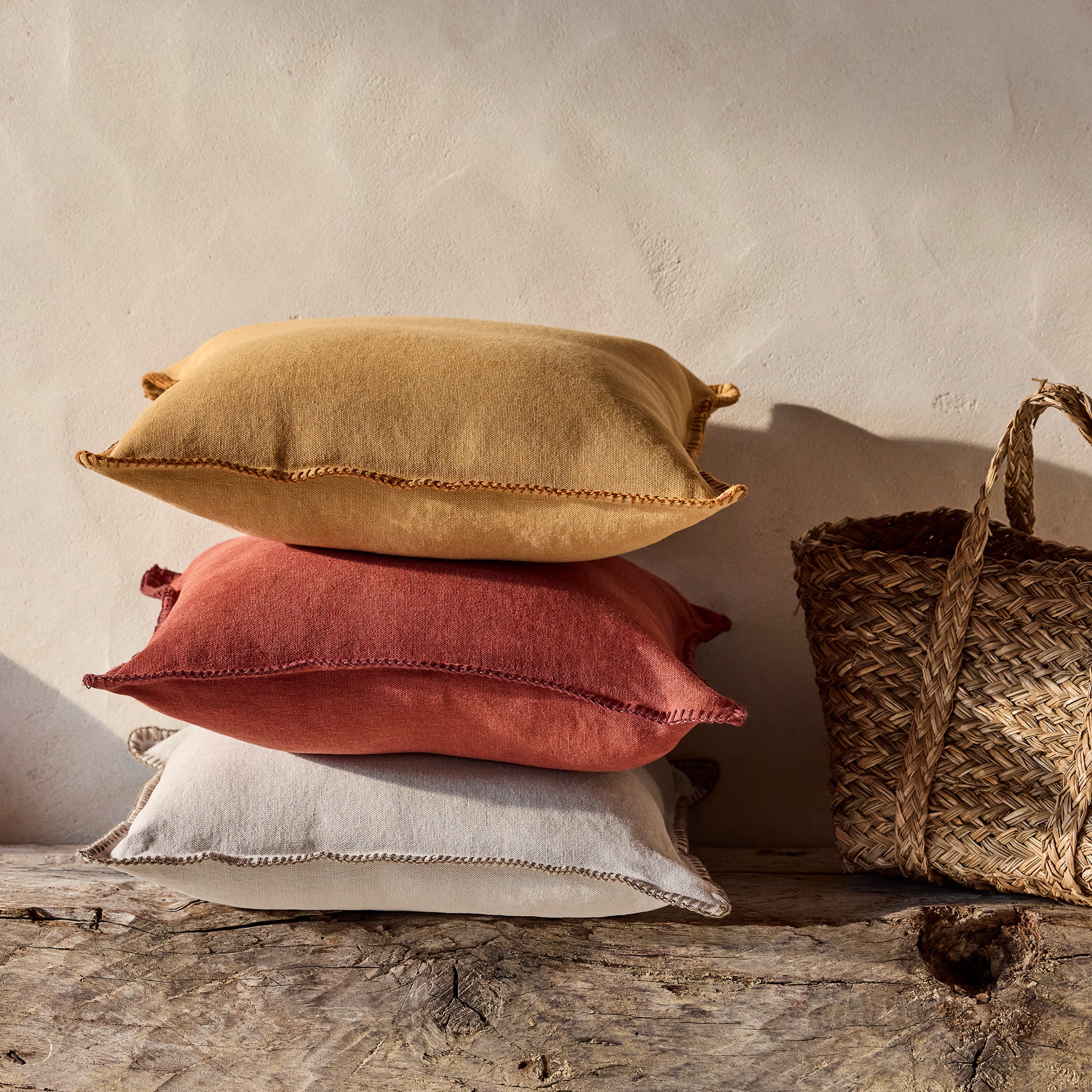
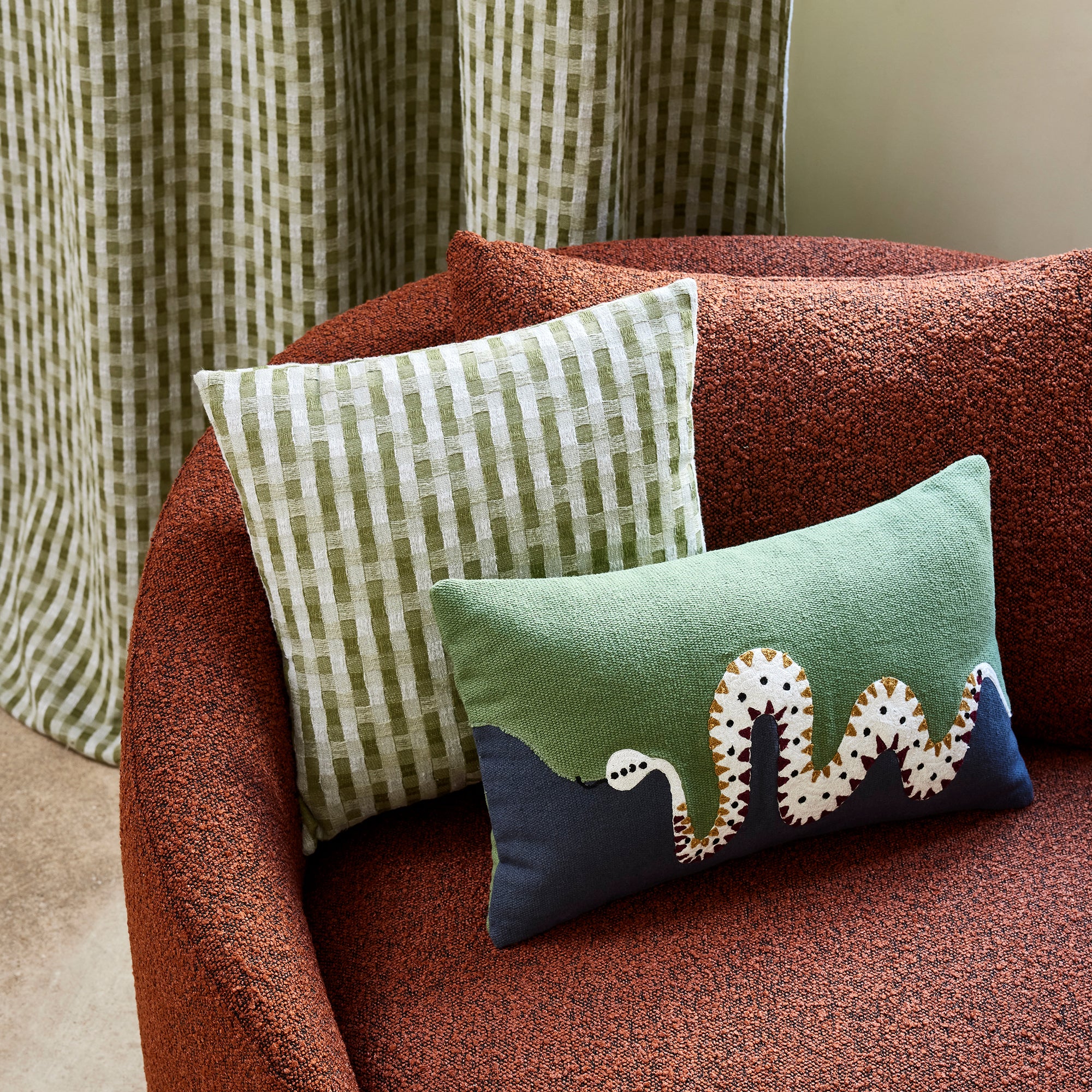
Coordinating textiles is essential for a harmonious interior. A linen curtain in natural tones: ecru, sand, terracotta goes easily with a cotton or rattan sofa, cushions in printed fabric and accessories in natural wood or wicker.
A velvet curtain in deep colors requires more balance. Combine it with neutral surfaces (off-white walls, light parquet floors) to avoid the cluttered effect. The velvet cushions plain or embroidered, linen tablecloths and the linen in coordinated tones form a coherent whole.
Length is the first parameter to control. A curtain should ideally fall to the floor, or even slightly beyond for an elegant effect and better insulation. The common rule is to allow between 1 cm and 3 cm of drape for linen, and up to 5 cm for velvet which floats slightly on the parquet floor.
In width, the recommended gathering coefficient is 2 to 2.5 times the width of the window for linen, and 2.5 to 3 times for velvet in order to maintain the visual richness of the folds. Velvet that is too loosely gathered loses its character.
Find our Size guide for curtains for a perfect drape.

Velvet is significantly more thermally insulating than linen, thanks to its thickness and fiber density. A thick lined velvet curtain significantly limits heat loss through the windows. Linen, which is lighter, offers moderate insulation, improved by the addition of a thermal lining.
No, an unlined natural linen curtain is filtering: it lets light through while filtering it. To obtain partial or total blackout with linen, you must combine an opaque lining or an obscuring lining. Without lining, linen is ideal for living rooms but insufficient for bedrooms.
Most light velvet curtains are machine washable at 30°C on a delicate cycle. Thick or jacquard velvets require dry cleaning to maintain their structure and poise. In all cases, check the care label and avoid strong centrifugal spinning which crushes the hairs.
Yes, and it’s even a very successful combination in a travel or bohemian chic style. A thick velvet curtain for blackout at night, combined with a linen sheer for the day, combines functionality and aesthetics. The important thing is to coordinate color palettes to maintain overall harmony.
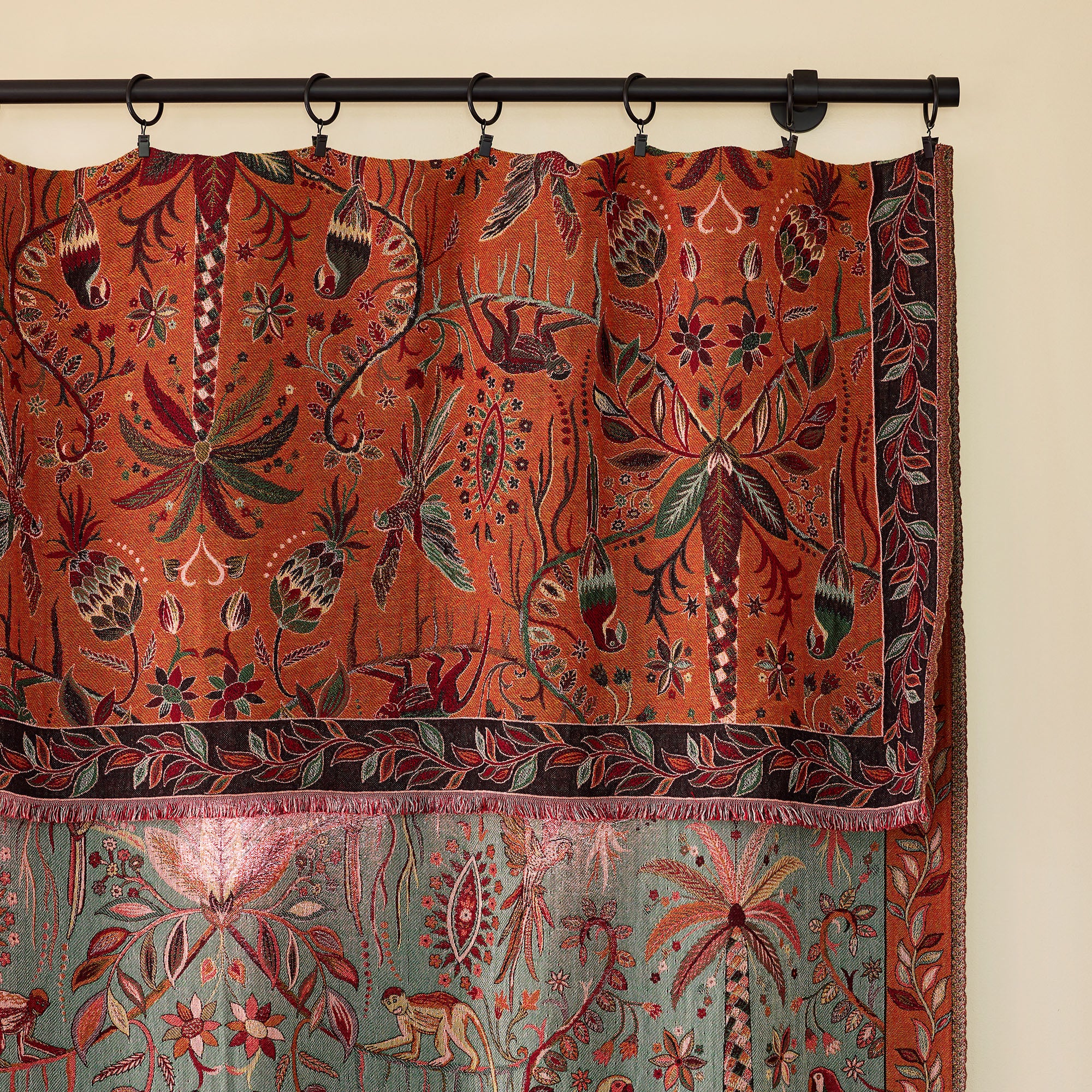
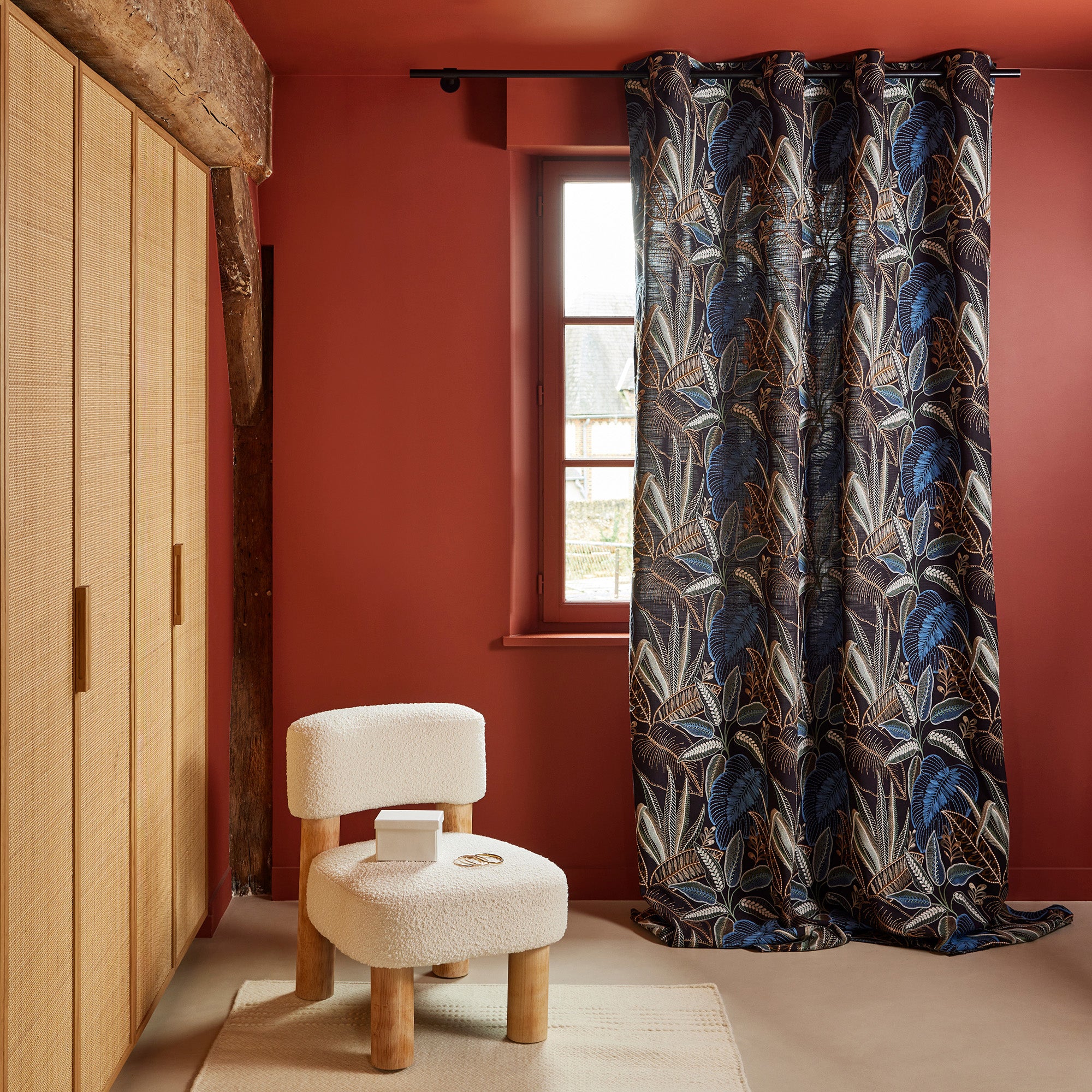
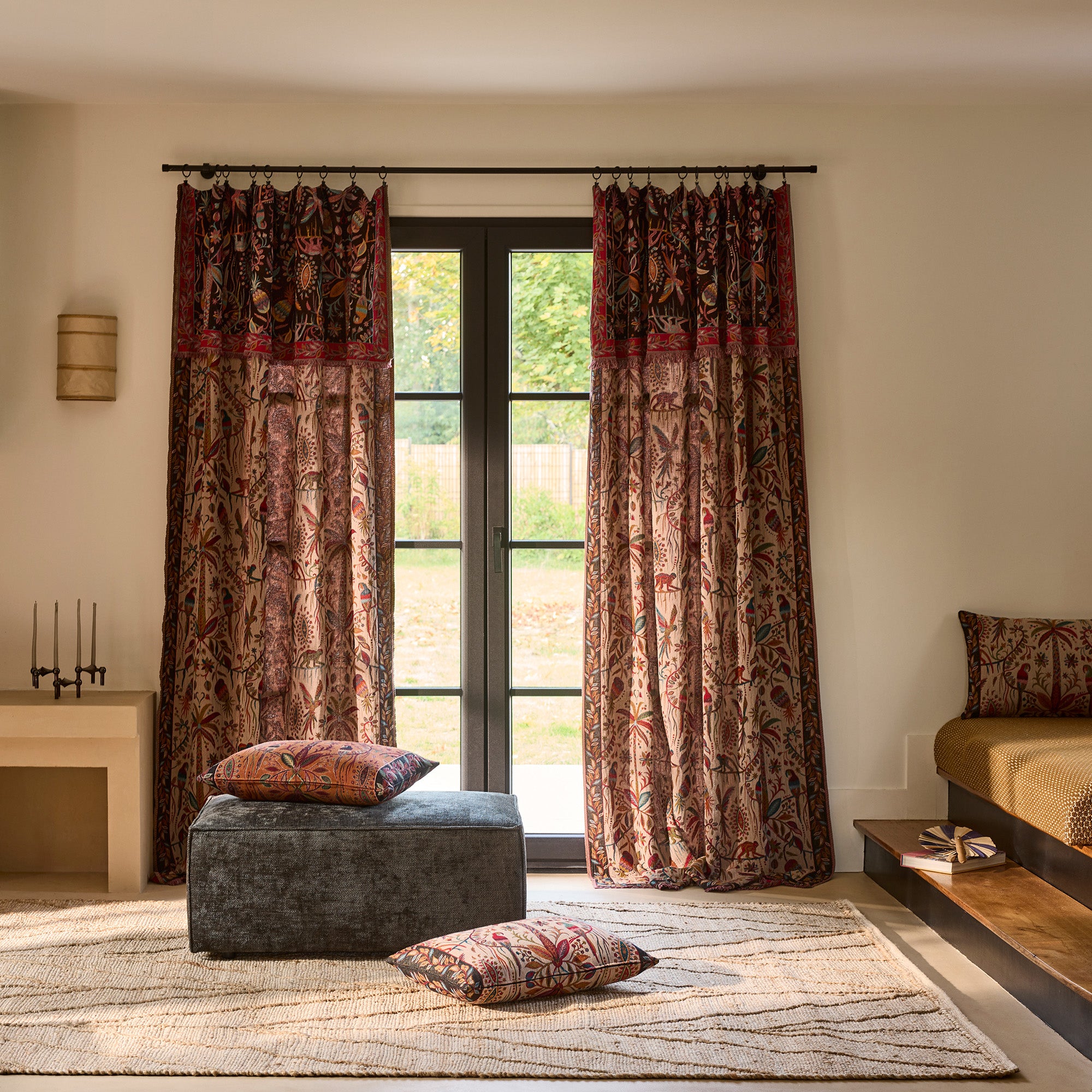
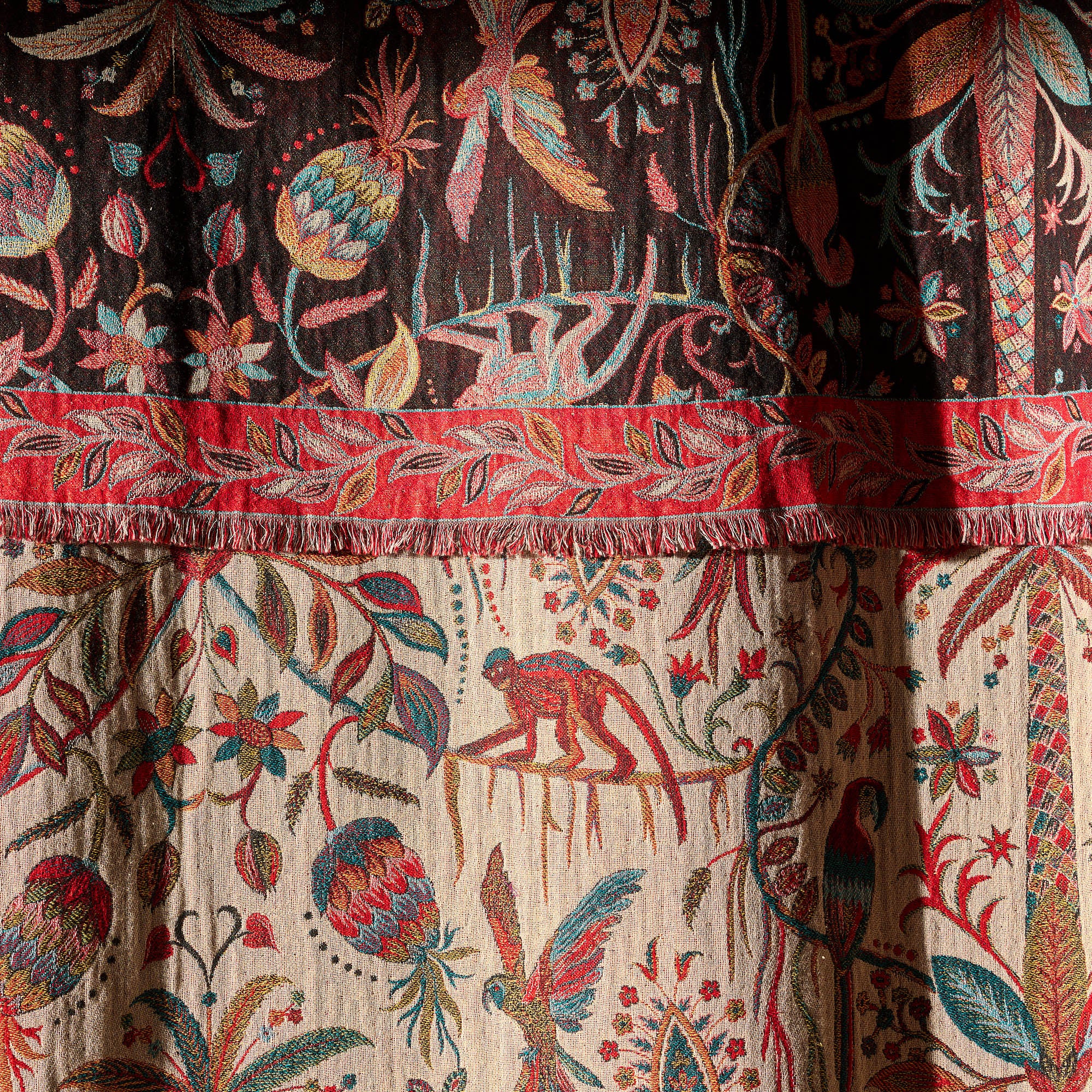
For an interior inspired by Marrakech, velvet in deep burgundy, forest green, saffron and midnight blue tones is ideal for the richness of colors. Linen printed with geometric or floral patterns fits perfectly into a more airy register. The Madura curtain collection offers both registers in coordinated palettes.
To maintain the visual richness of the velvet, allow 2.5 to 3 times the width of the window. Insufficiently gathered velvet loses its depth and character. For a 120 cm wide window, plan on at least 300 to 360 cm of fabric, divided into one or two panels depending on your rod.

By Laurine Didier
In charge of content and decoration advice at Madura.
Sommaire
Our last articles
Conseils déco •7 min
In summer, the choice of carpet directly influences the feeling of freshness and comfort on the floor. Seagrass, jute, cotton:...
Conseils déco •9 min
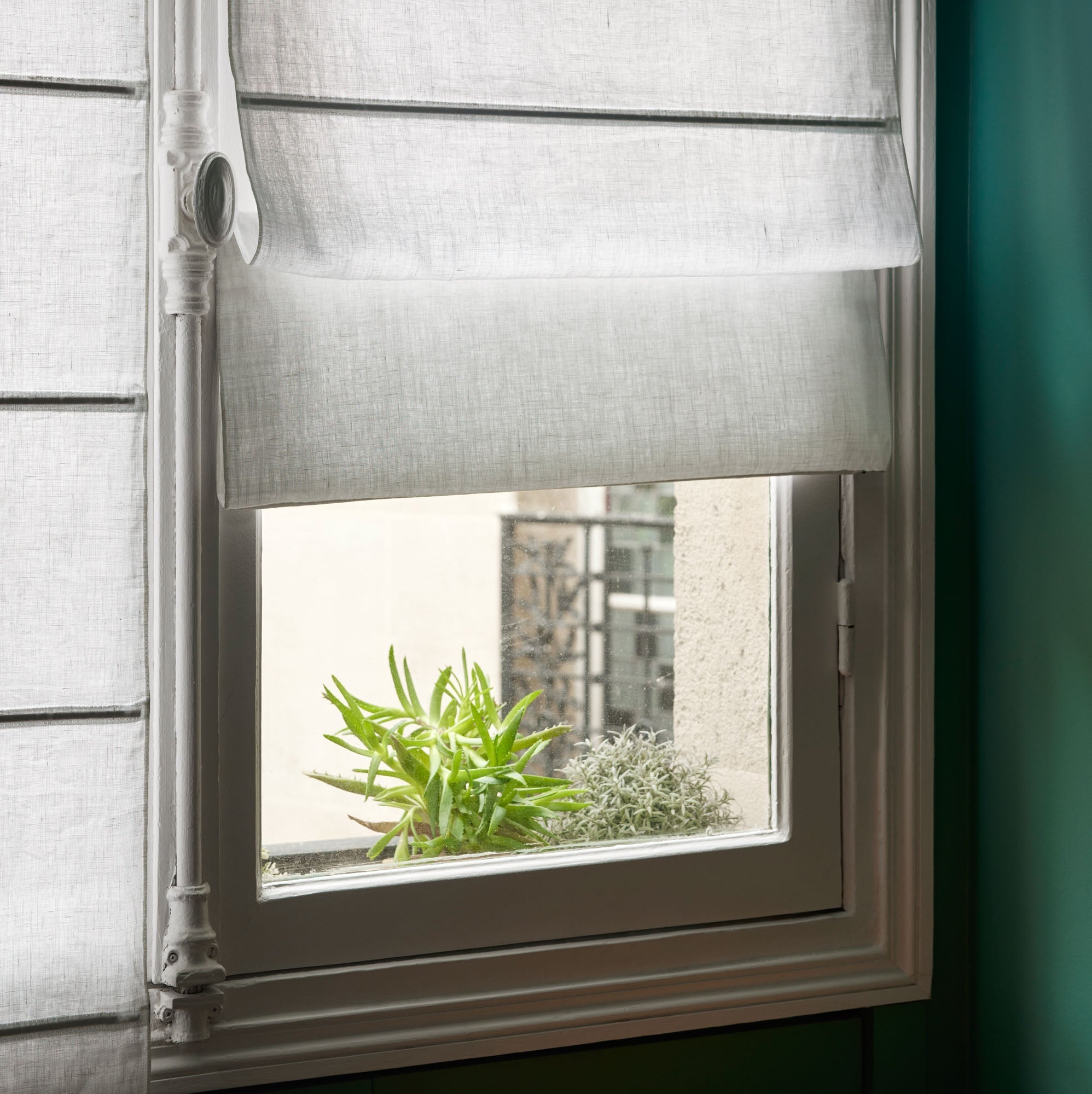
Roman blinds and roller blinds are two types of window coverings with very distinct mechanisms and aesthetics. This article will...