







Conseils déco •7 min
Which rug for summer: natural fibers that stay cool underfoot
In summer, the choice of carpet directly influences the feeling of freshness and comfort on the floor. Seagrass, jute, cotton:...

Madura customer service
Available on WhatsApp, by chat or by phone at 01 42 34 99 59

All the tips and tricks from our team, just like in store, delivered straight to you.
All articlesMost searched articles


Conseils déco
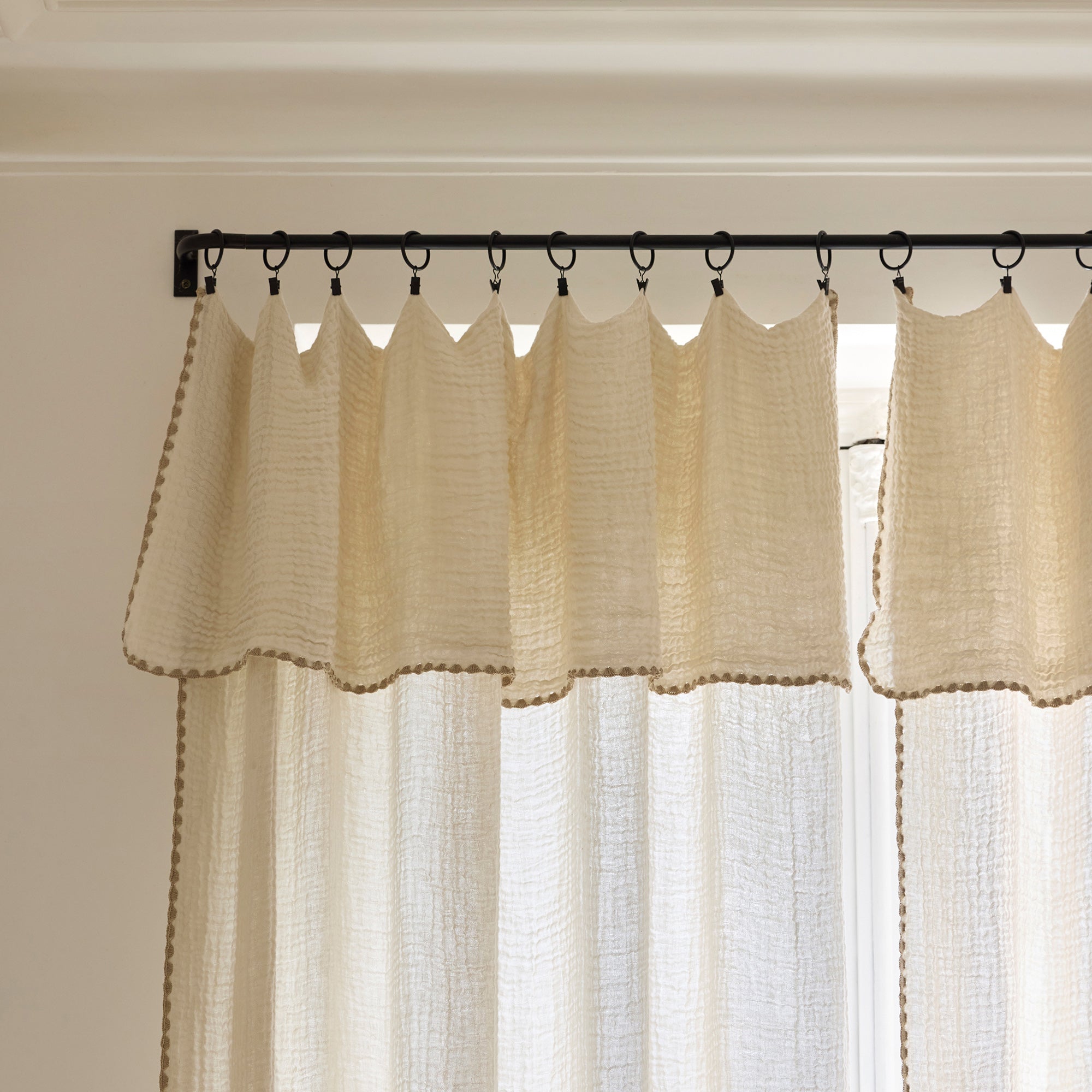
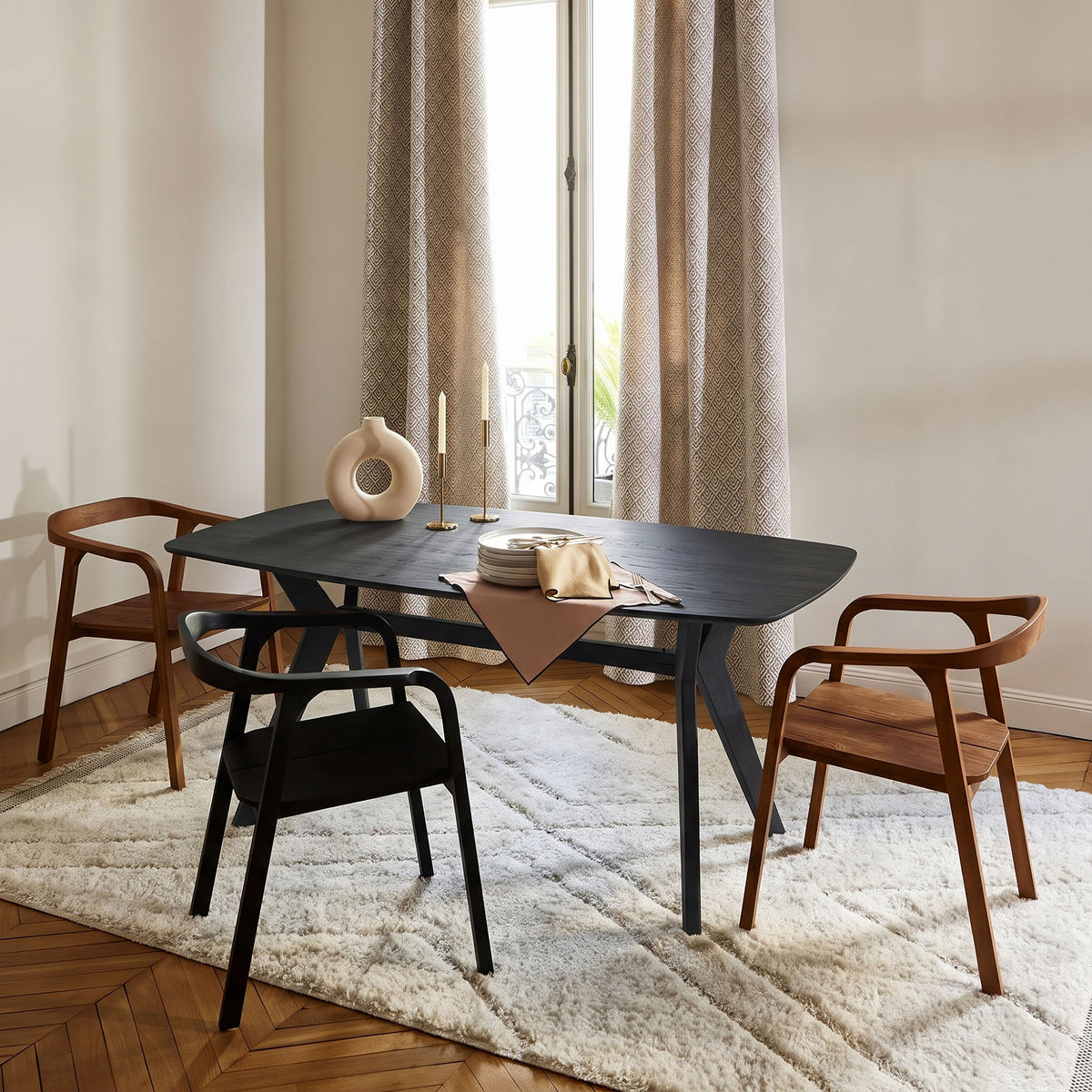
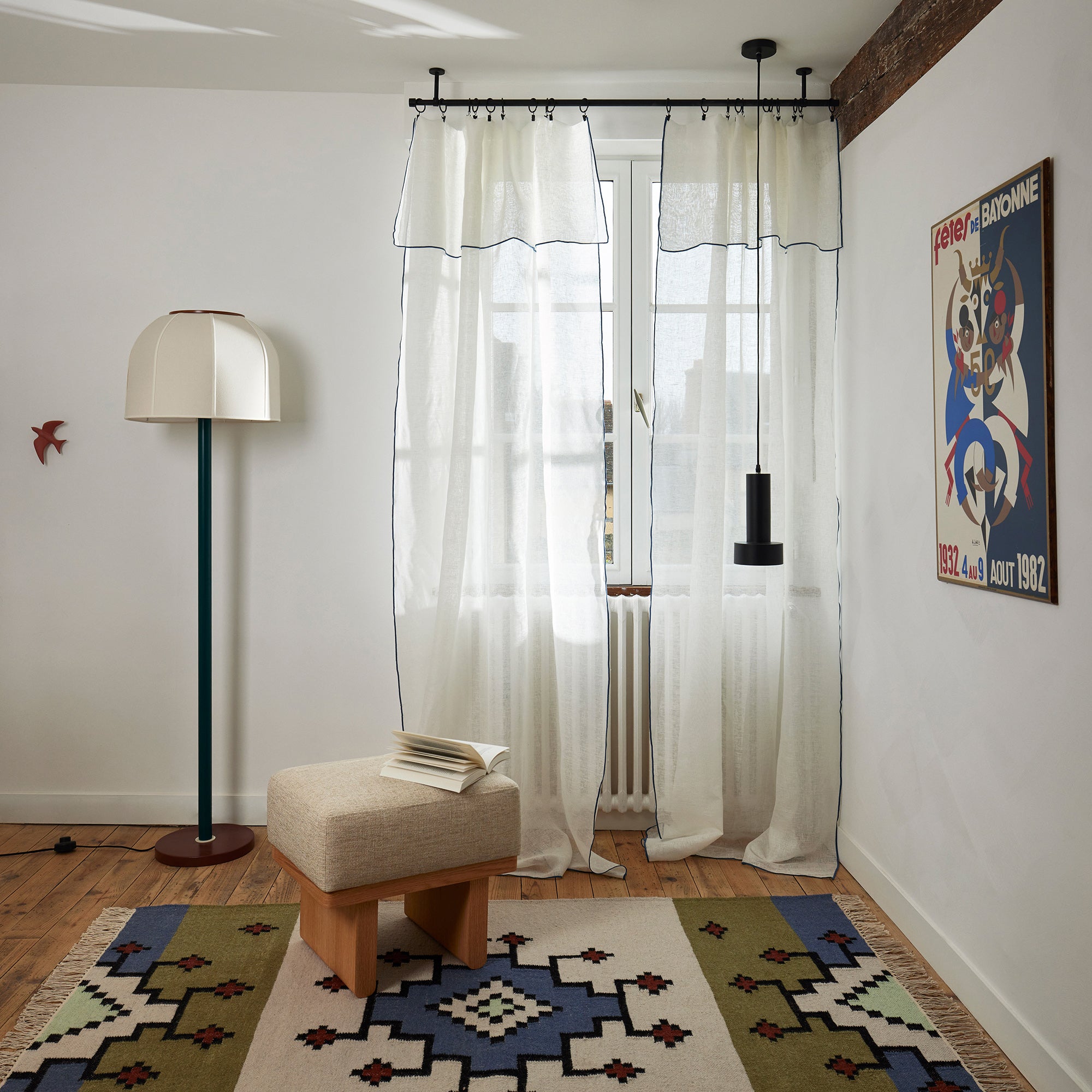
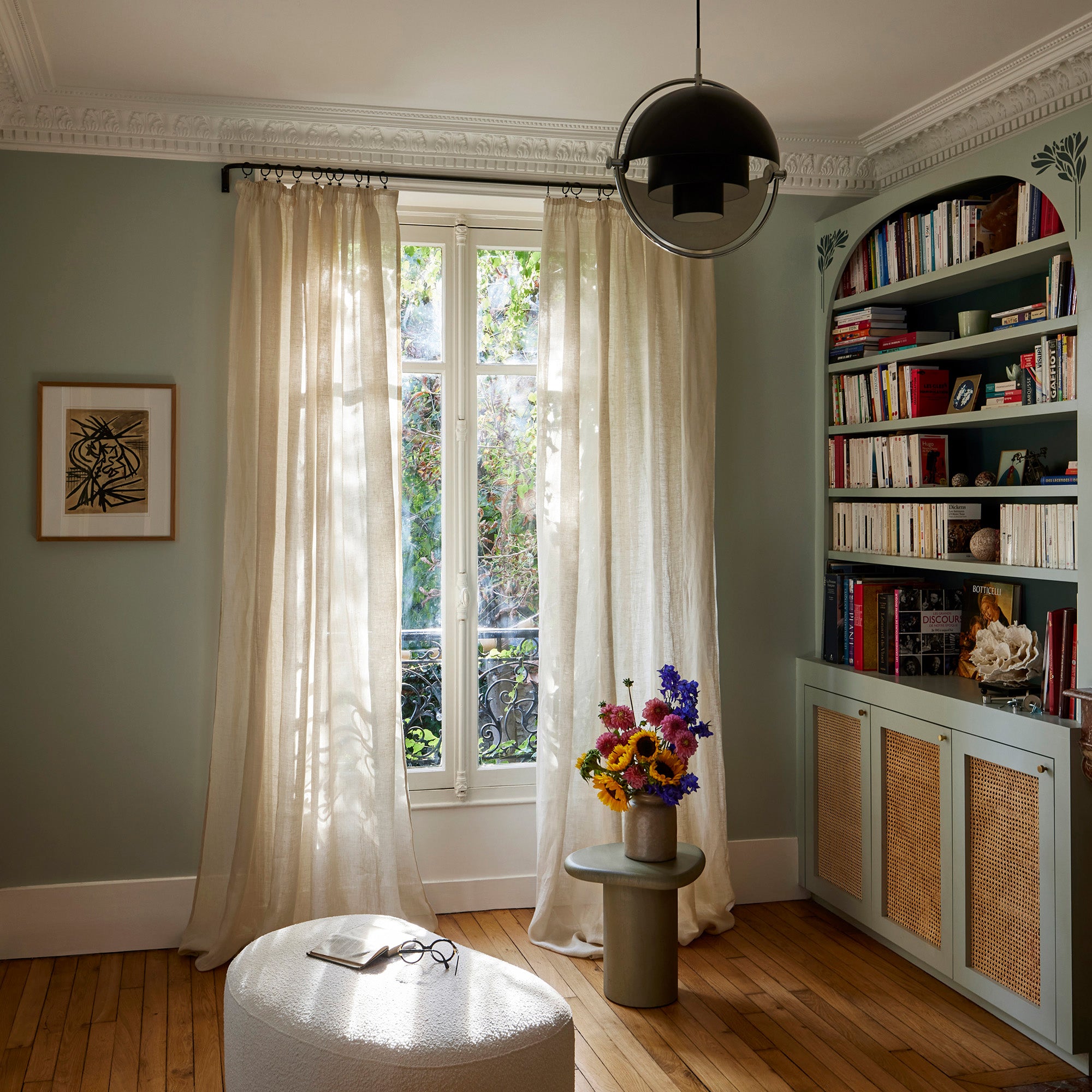
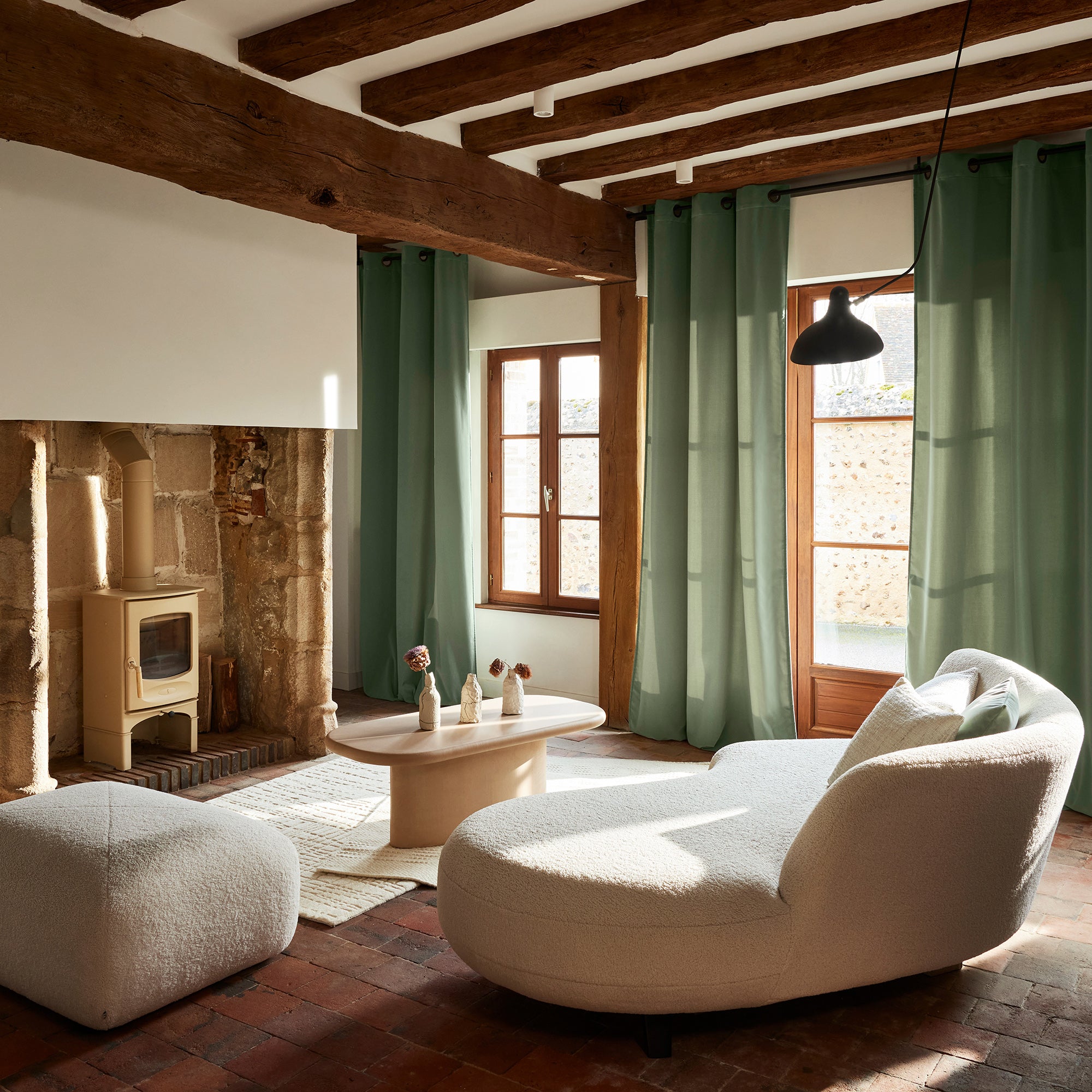
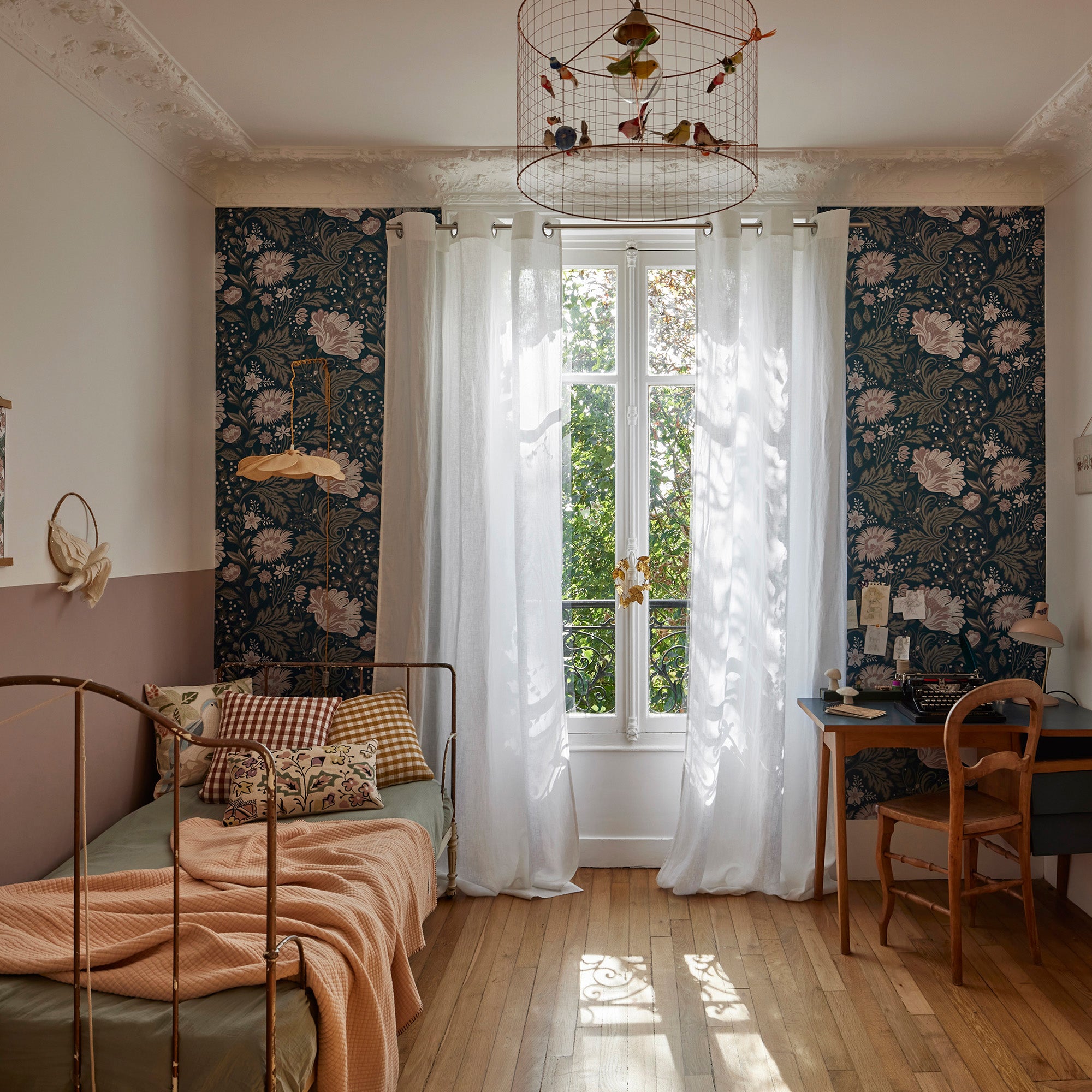
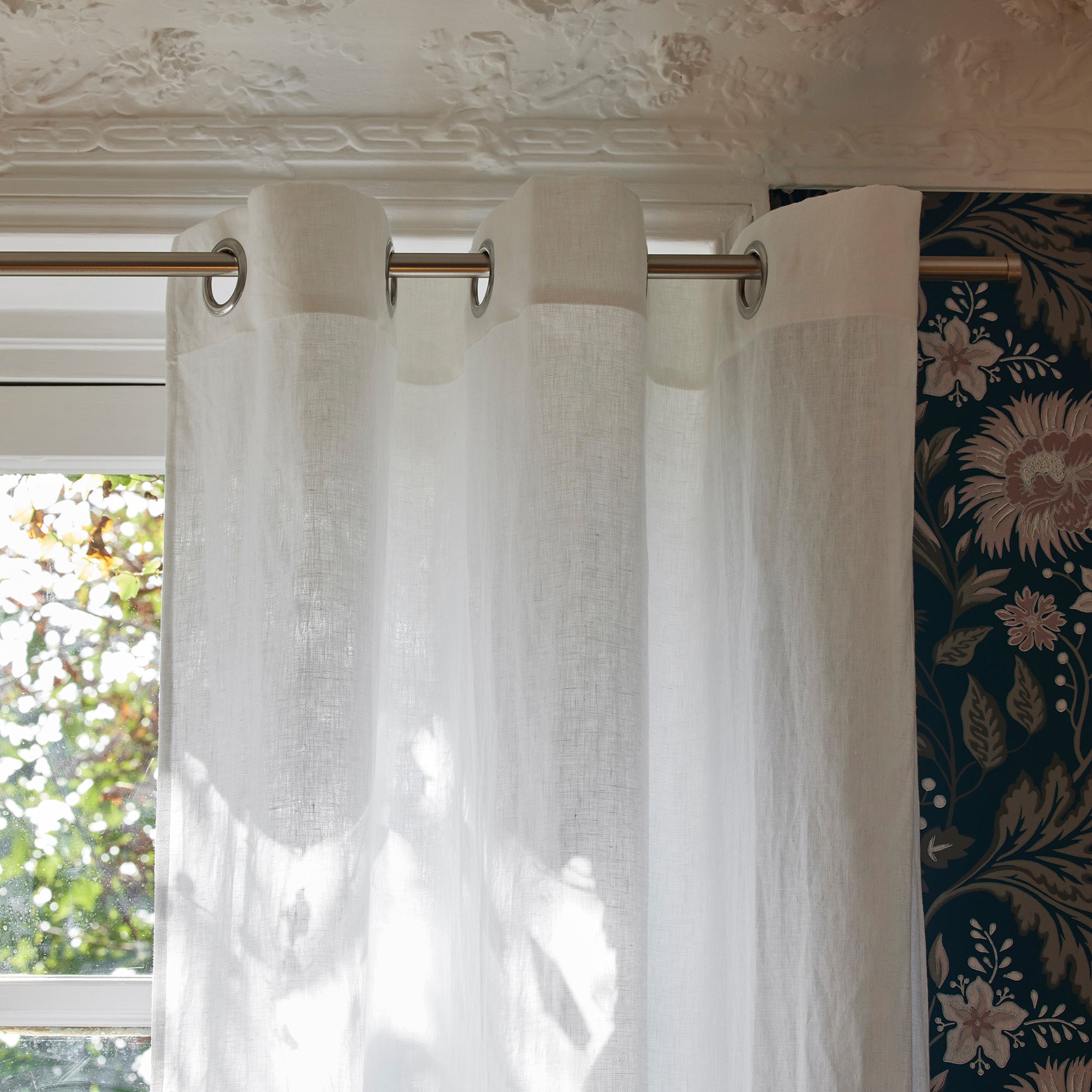
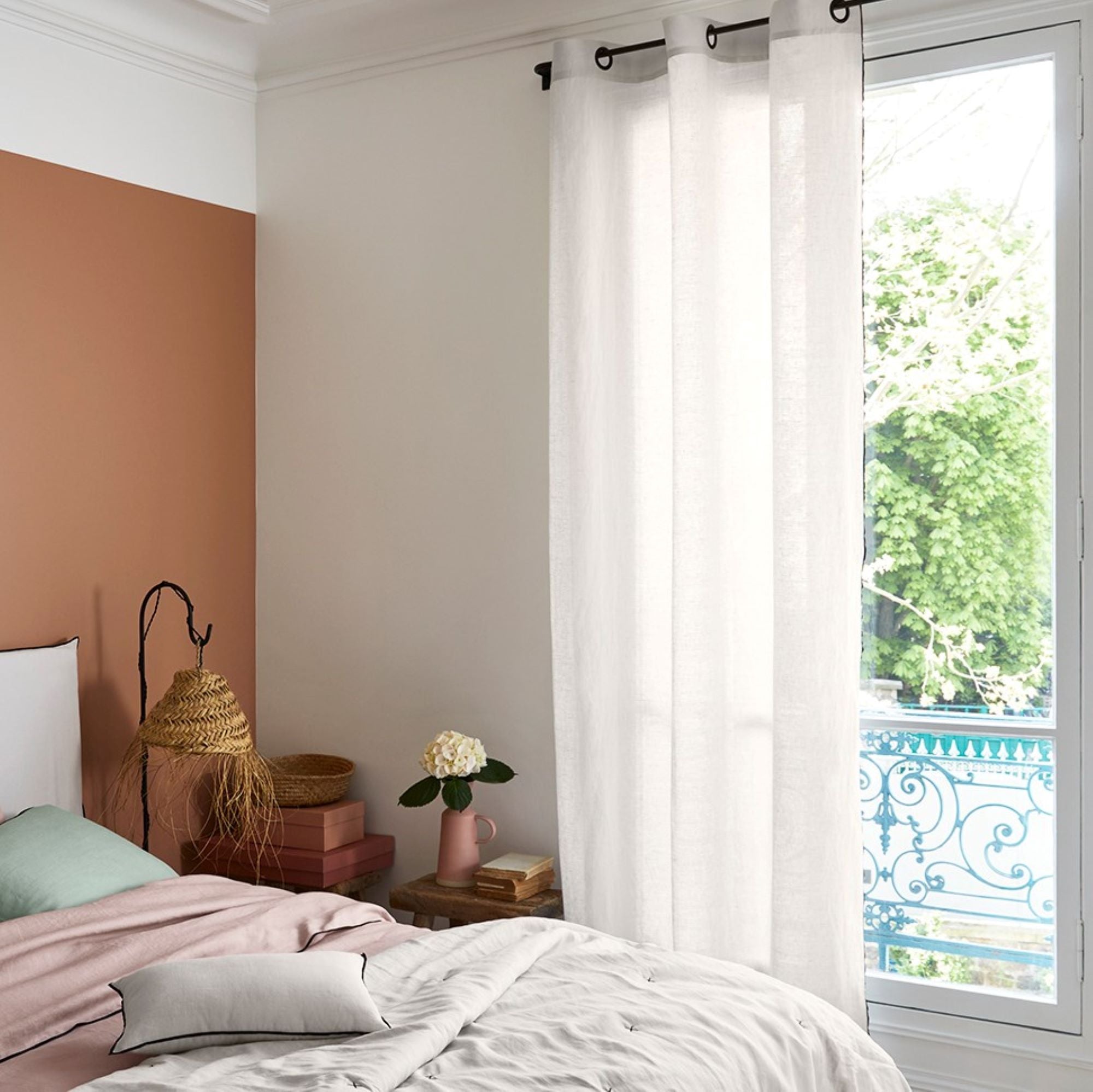
The curtain height for a low ceiling is the key parameter that transforms a cramped room into an airy and generous space. The fundamental rule: place the rod as high as possible: ideally 10-15 cm from the ceiling and let the curtain fall to the floor, or even with a slight drop of 2 to 5 cm. This combination creates a powerful vertical optical illusion that visually “raises” the ceiling. Whatever the type of room or window, it is the installation height that makes all the difference, much more than the width or material of the fabric.
The human eye naturally follows vertical lines upward. When a rod is placed near the ceiling, the gaze goes up along the curtain and perceives the room as higher than it really is. This is the basic principle of all optical illusions in interior decoration.
Conversely, a rod placed just above the window frame, as is often done by reflex, accentuates the feeling of a low ceiling. It visually shortens the wall and immediately betrays the low ceiling height.
The universal recommendation of decorators: place the rod 10 to 15 cm from the ceiling, or directly to the ceiling if the profile allows it. This decision alone can visually “gain” 20 to 30 cm in perceived height.
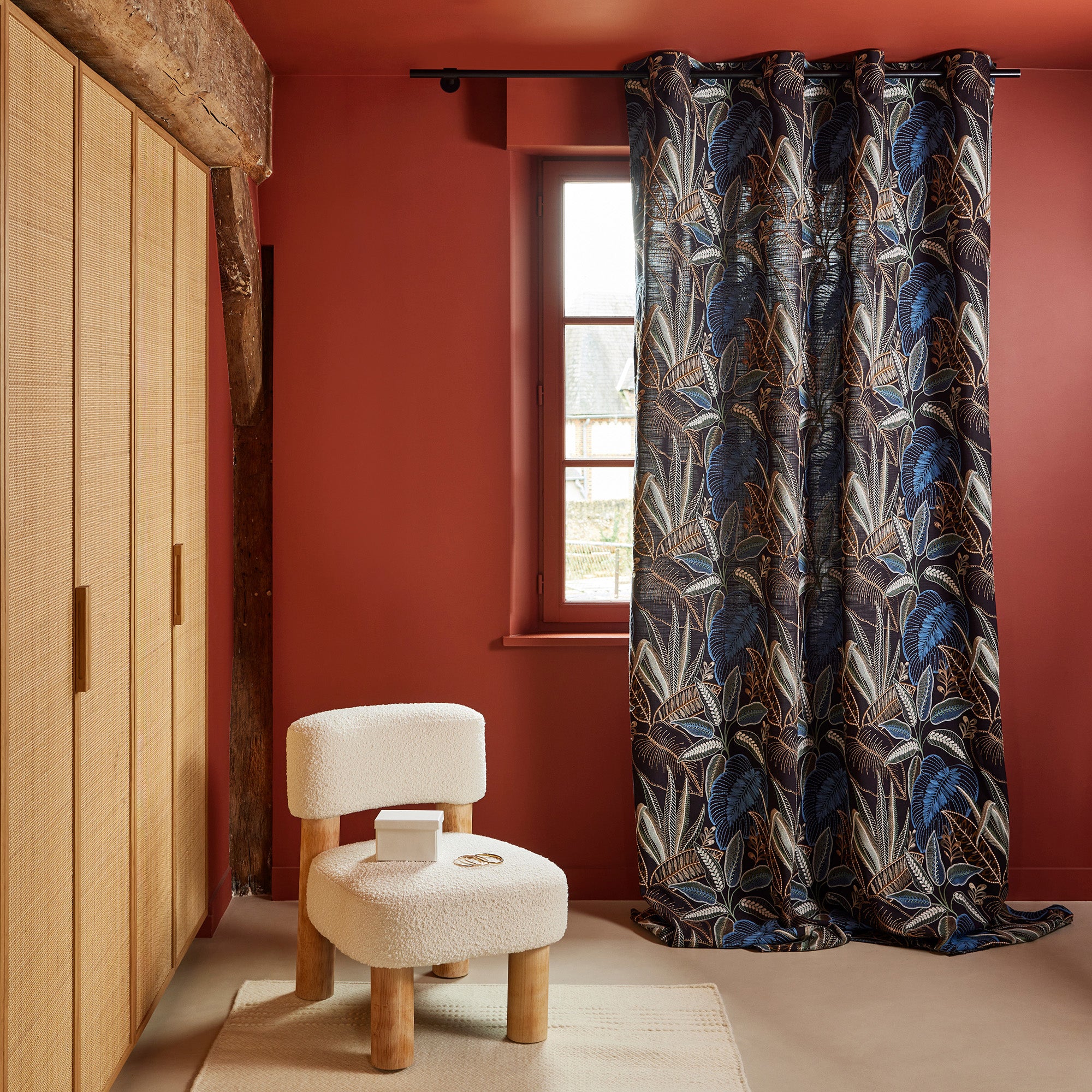
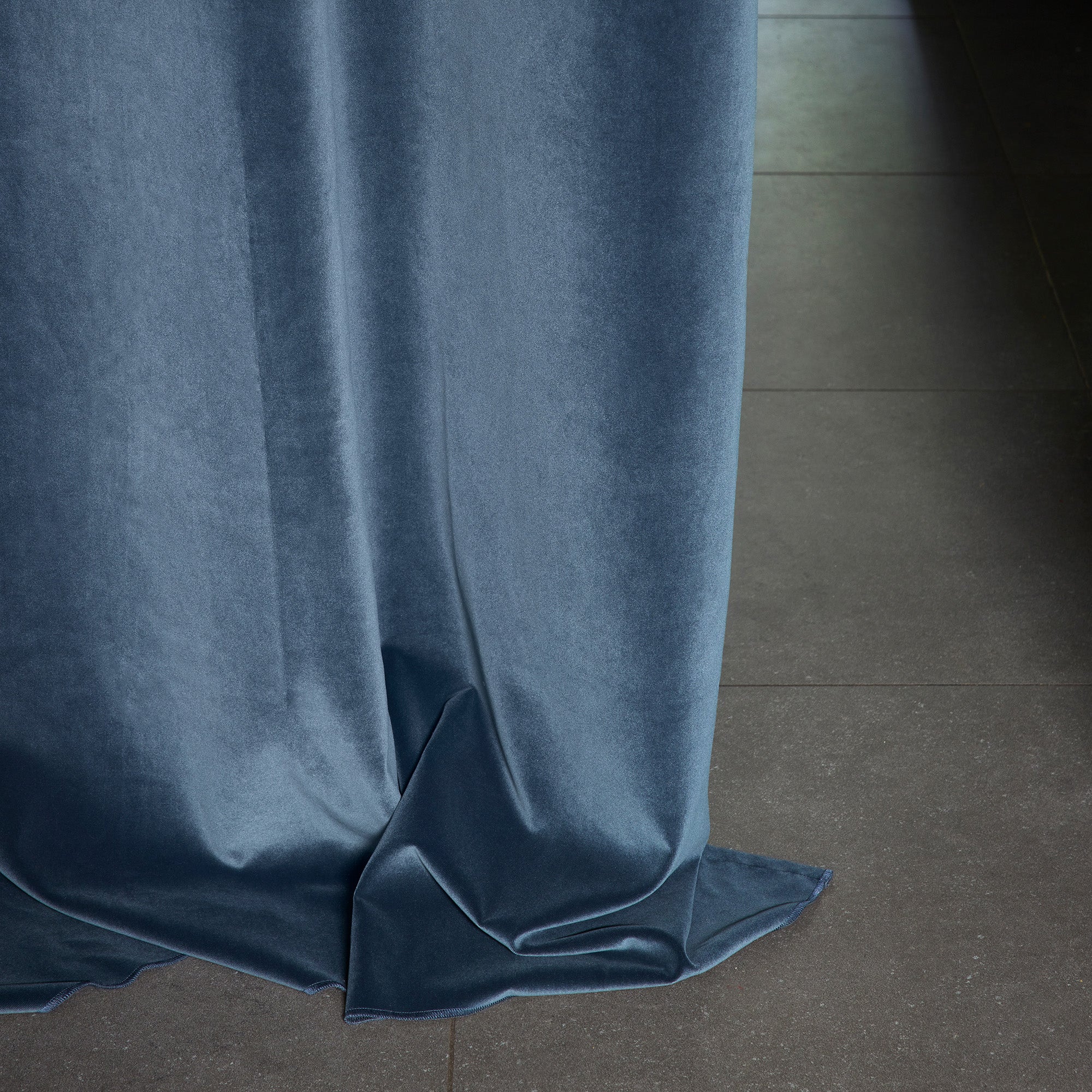
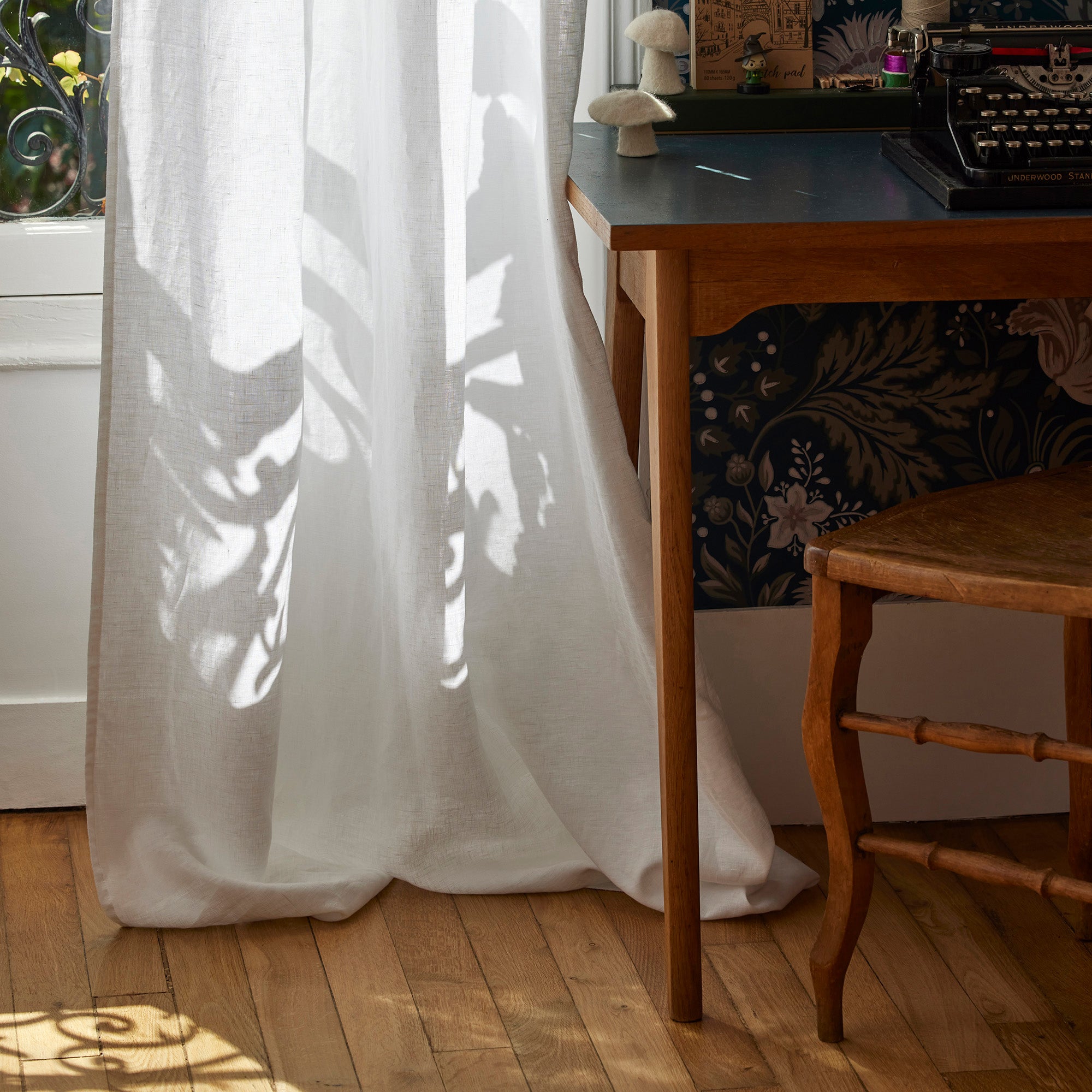
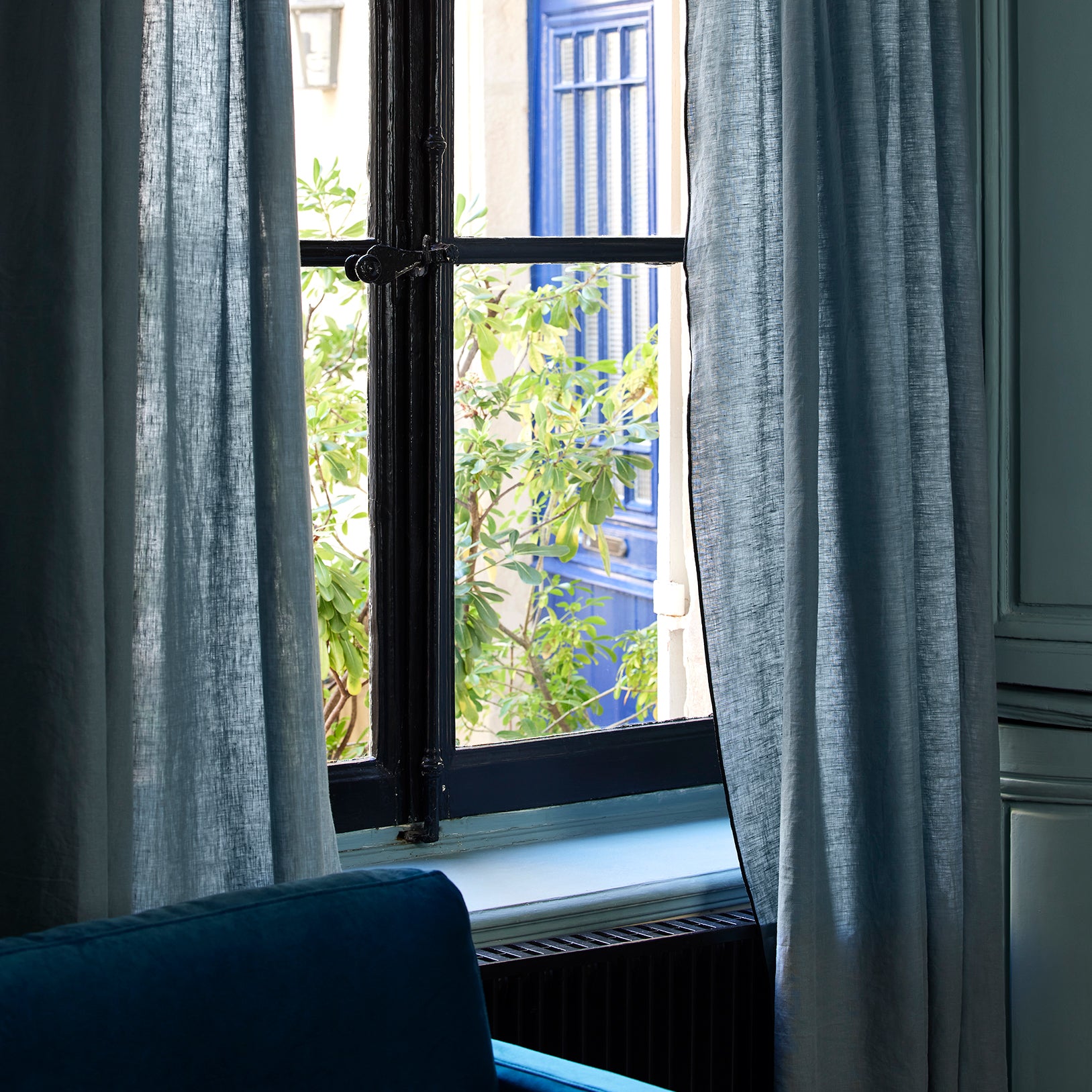
To maximize the height effect, the curtain must go down to the floor. A short curtain, half-height or half-height curtain, interrupts the vertical line and gives the impression that the ceiling is even lower.
The three lengths to know depending on the desired effect:
In all cases, avoid the "floating" length which stops 5-8 cm from the ground without touching: this in-between betrays a measurement error and cuts the vertical dynamic.
The calculation is done in three simple steps, to be carried out before any order or sewing:
Concrete example: rod placed 15 cm from the ceiling (ceiling at 2.40 m), or rod 2.25 m from the floor. Curtain with eyelets (loss of 8 cm at the head) + slight drop of 3 cm: the finished height of the curtain will be 2.25 - 0.08 + 0.03 = 2.20 m.
The installation height is essential, but the choice of fabric and color amplifies or contradicts the desired effect. Some principles to remember to intelligently coordinate your decoration.

Yes, systematically. Extending beyond the window frame on each side (usually 15 to 30 cm) allows the open curtain not to obscure the glazing, maximizing natural light and giving the impression of a larger window.
This additional width, combined with the maximum installation height, creates an architectural frame that enhances even a small window. The result: an opening that looks majestic, even in a room with a standard height of 2.40 m.
Some common reflexes make the feeling of reduced space worse instead of correcting it. Here are the most common pitfalls:
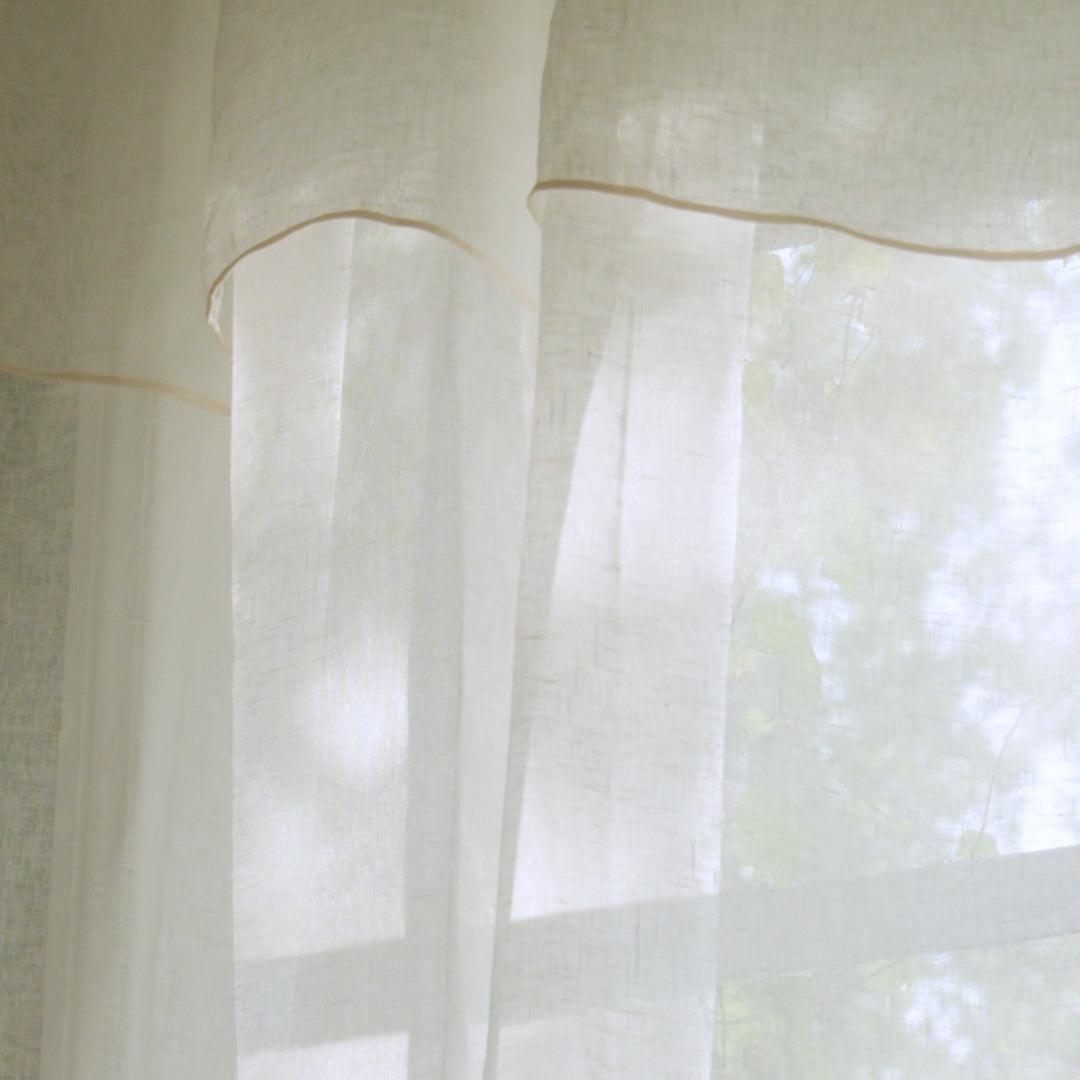
The curtain + sheer combination is particularly effective for low ceilings. The curtain, placed on a rod or a separate cable, filters the light during the day and gives depth to the window, the space appears more airy.
For maximum visual consistency, both elements should start at the same height (the same double rod or two rods aligned) and go down to the floor. This uniformity of line reinforces the vertical architecture of the room.
For a 2.40 m ceiling, place the rod between 2.25 m and 2.35 m from the floor, or 5-15 cm from the ceiling. The taller the rod, the more effective the illusion of height. The curtain should then descend to the floor to complete the vertical effect.
Yes. A curtain that descends from the ceiling to the floor creates a continuous vertical line that visually adds height to the room. This is one of the most effective decorating tips for expanding a space without work.
Choose a color close to that of the wall or slightly lighter. This visual continuity erases the border between curtain and wall, which enlarges the room. Neutral colors, white, ecru, beige, light gray, are particularly effective for this effect.
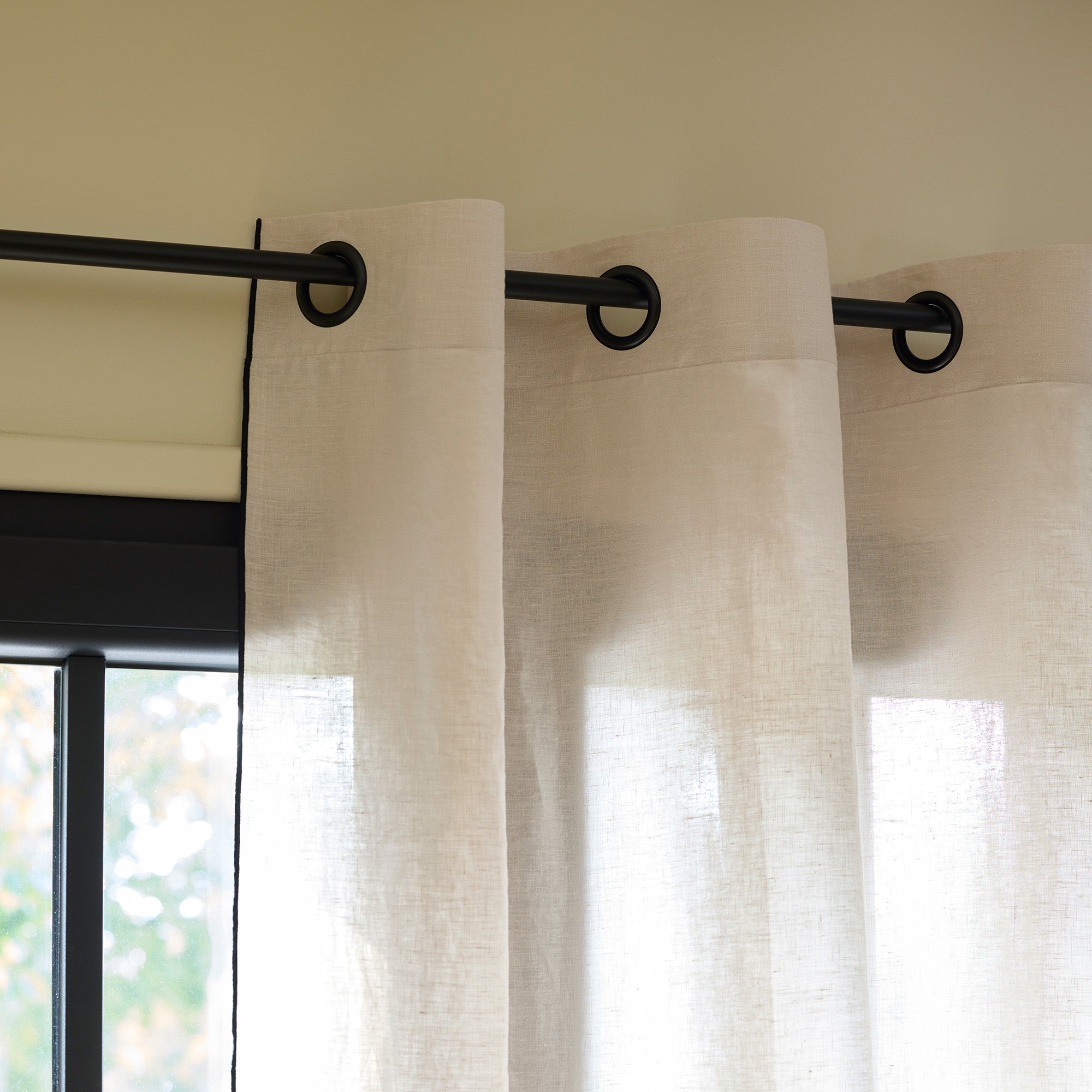
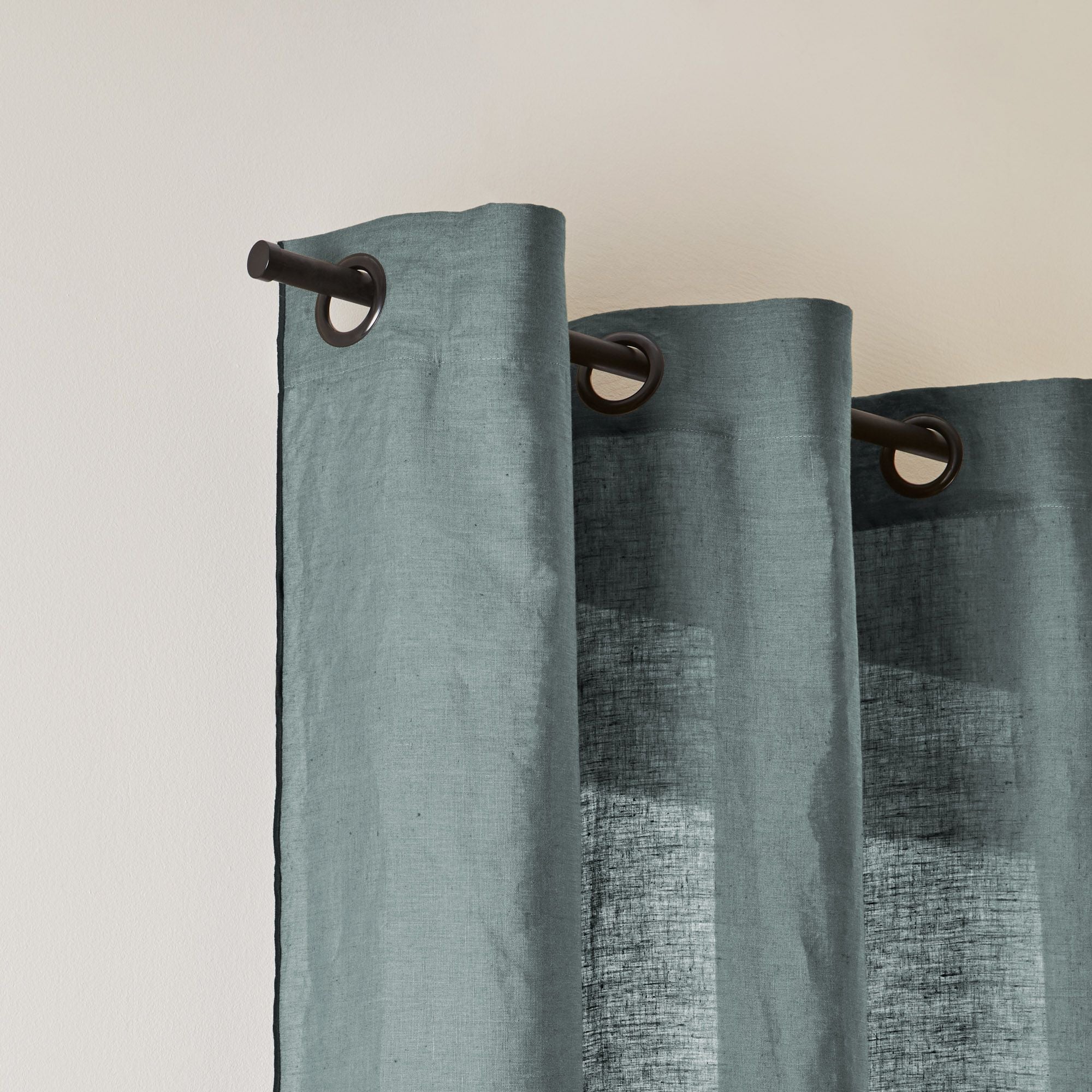
The eyelets create beautiful regular waves and a clean vertical fall, very effective for low ceilings. Clip pliers offer a more graphic rendering. Classic gathers work too. The main thing remains the installation height, whatever the head chosen.
Yes, a single sheer curtain placed high and falling to the ground is an excellent option. It lets light in, which visually enlarges the room, while creating the necessary vertical line. It's a lightweight and stylish solution for small spaces.
Plan for a total curtain width representing 2 to 2.5 times the width of the rod for a beautiful drape. And extend the rod 15 to 30 cm on each side of the frame to maximize light and give the illusion of a larger window.
Sommaire
Our last articles
Conseils déco •7 min
In summer, the choice of carpet directly influences the feeling of freshness and comfort on the floor. Seagrass, jute, cotton:...
Conseils déco •9 min
Roman blinds and roller blinds are two types of window coverings with very distinct mechanisms and aesthetics. This article will...