



Conseils déco •7 min
Which rug for summer: natural fibers that stay cool underfoot
In summer, the choice of carpet directly influences the feeling of freshness and comfort on the floor. Seagrass, jute, cotton:...

Madura customer service
Available on WhatsApp, by chat or by phone at 01 42 34 99 59

All the tips and tricks from our team, just like in store, delivered straight to you.
All articlesMost searched articles
Conseils déco
Choosing the right covering for your sofa is not limited to a question of aesthetics: it is a real investment in the comfort and longevity of the piece of furniture. The 2025-2026 guides emphasize that the choice of fabric must take into account resistance to wear, ease of maintenance and the use of the sofa (family, decorative, guest room, etc.). In particular, microfiber and polyester are among the most durable materials while natural fibers like cotton and linen provide an authentic touch but require more care. This introduction will give you a quick overview of the essential criteria for selecting the best fabric.

Natural fibers: comfort and authenticity
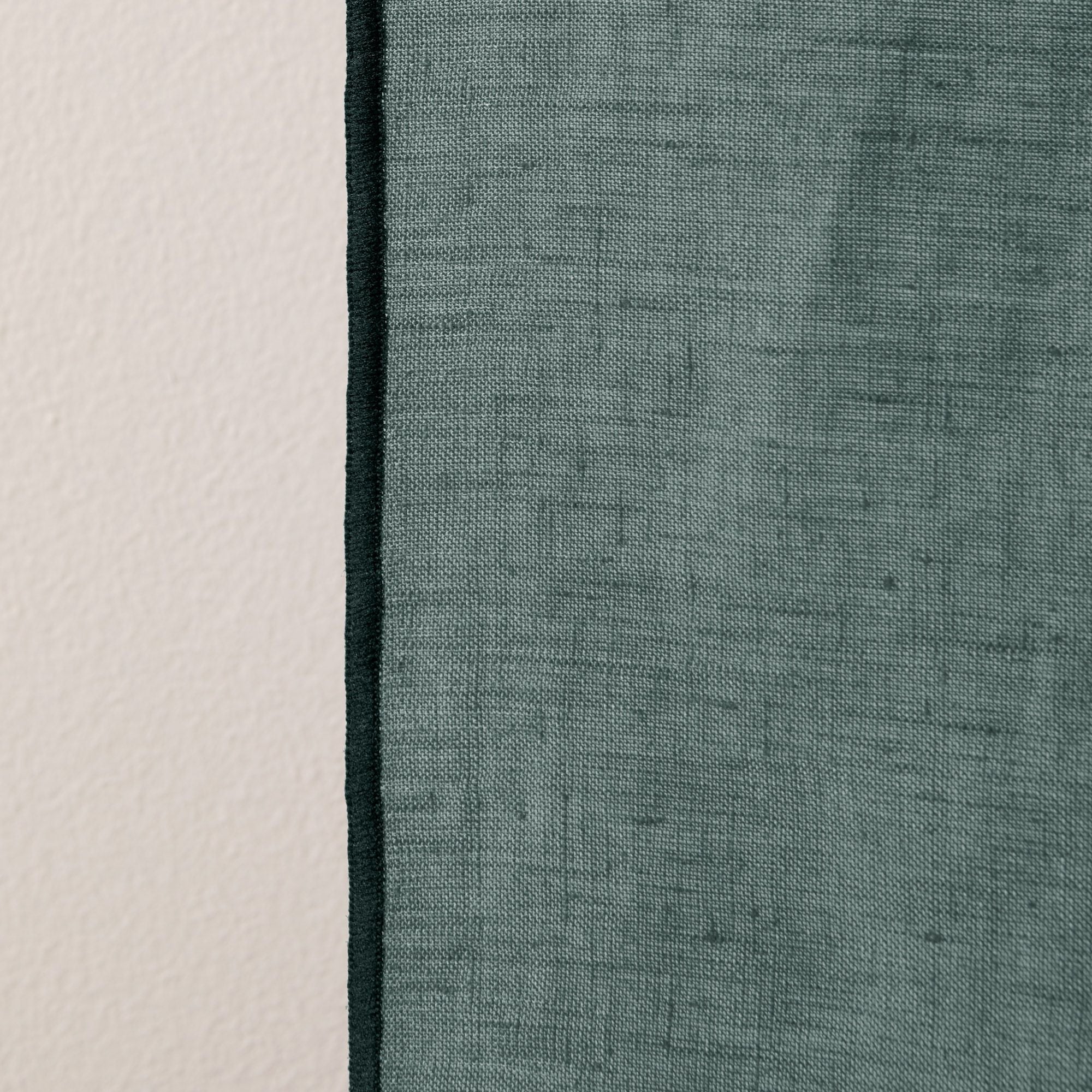
Natural fibers include cotton, linen and sometimes wool. Natural materials offer breathability and a pleasant feel. The cotton is the most common fiber for sofas: it is affordable and available in many colors. However, it absorbs stains and odors easily; It is therefore advisable to favor models with removable covers for machine washing. The linen brings natural elegance and a feeling of freshness; it resists heat well and ages well, but creases easily. Linen is ideal for warm climates or airy interiors and goes perfectly with refined decorations.
Synthetic materials: resistance and ease of maintenance
Among synthetic fabrics, polyester and the microfiber dominate the market. Polyester is known for its durability, resistance to UV rays and color fastness. It is lint-free and tolerates repeated washing, making it a practical choice for everyday use. The microfiber, composed of ultrafine fibers woven very tightly, prevents liquids from quickly penetrating into the textile. This compacted structure makes the material resistant to stains and animal scratches and allows easy cleaning: a simple damp cloth is enough for small accidents. Microfiber is therefore considered the best option for families with children or animals.
Technical blends and fabrics: an alliance of qualities
Blends combine the benefits of natural and synthetic fibers. A mixture linen‑cotton offers a compromise between comfort and durability, while a composition polyester‑viscose maintains the vibrancy of colors and often benefits from anti-stain treatments. Some textiles incorporate permanent treatments such as AquaClean or FiberGuard, which make the surface hydrophobic: liquids remain in drops and can be wiped off before becoming encrusted. Technical fabrics also include anti-UV properties to prevent fading, an important advantage for sofas placed near a bay window.

Velvet: softness and timeless elegance
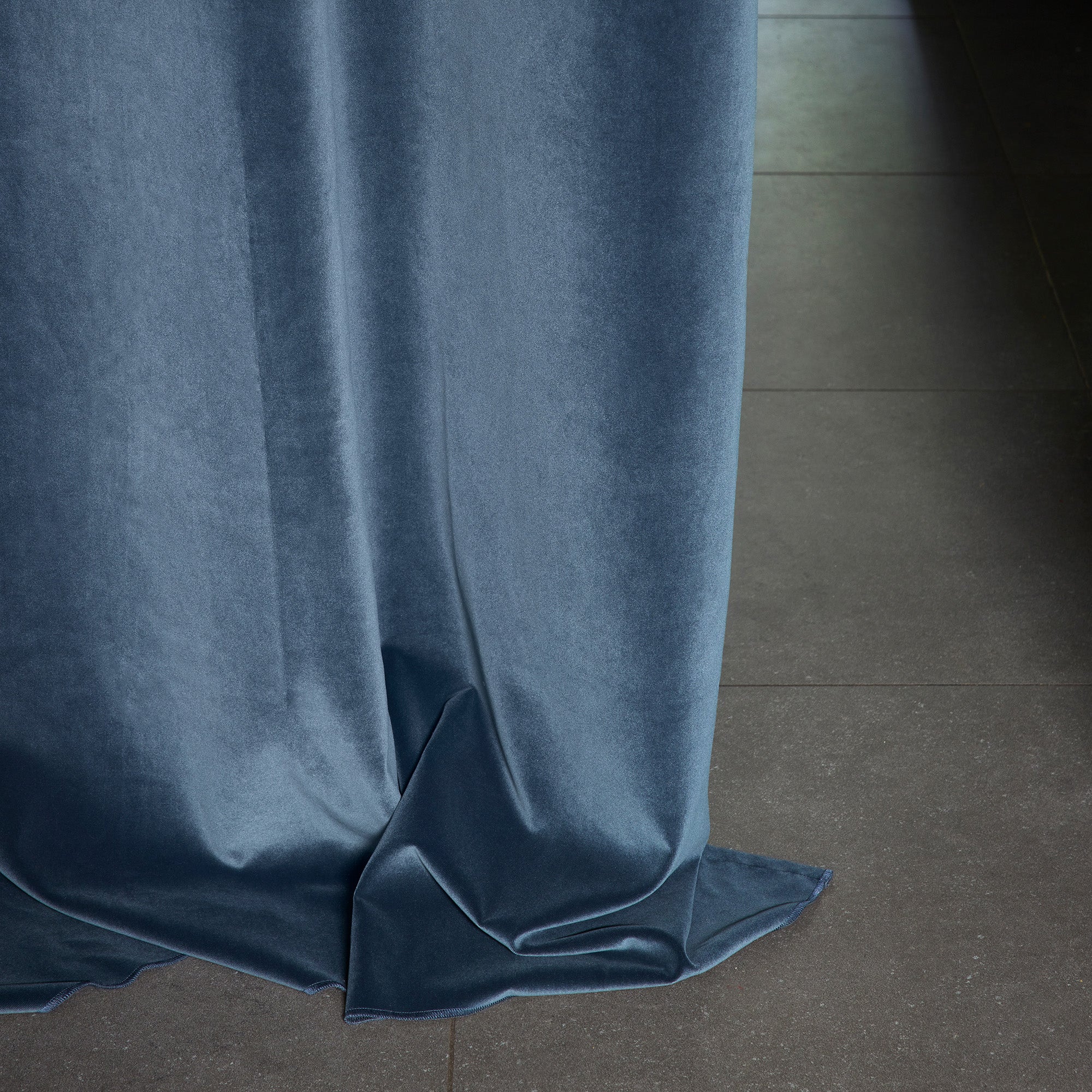
The velvet is a short pile weaving technique that produces a soft, luminous surface. It creates a cocooning and sophisticated effect, ideal for a chic living room. However, velvet retains dust and requires regular brushing. To combine elegance and practicality, the guides recommend choosing a short-pile microfiber velvet, which is easier to maintain. In terms of trend, corduroy is very popular for its graphic texture which better hides marks and resists rubbing. A quality velvet must have a Martindale score of at least 25,000 cycles to guarantee a lifespan of 8 to 12 years.
Microfiber: the champion of active homes
Microfiber is distinguished by its ultrafine fibers and its tight weave. This structure acts as a barrier to liquids; you have a few seconds to wipe away a stain before it sinks in. Guides note that it resists pet hair and scratches and is hypoallergenic. A Martindale test of more than 25,000 cycles ensures a longevity of 8 to 12 years even with intensive use. Maintenance is simple: vacuum weekly with a soft brush and blot stains with a damp cloth. Families appreciate this fabric for its robustness and affordable price.
Cotton and cotton canvas: versatility and accessibility
The cotton is breathable, comfortable and economical. It offers a wide variety of colors and patterns and suits a wide range of styles. However, it absorbs stains and odors easily. Specialists advise opting for a sofa cover with removable covers so that you can machine wash the covers. Untreated cotton has an abrasion resistance (Martindale test) of less than 15,000 cycles and therefore requires moderate use or protective treatment.
Linen: natural freshness and refinement
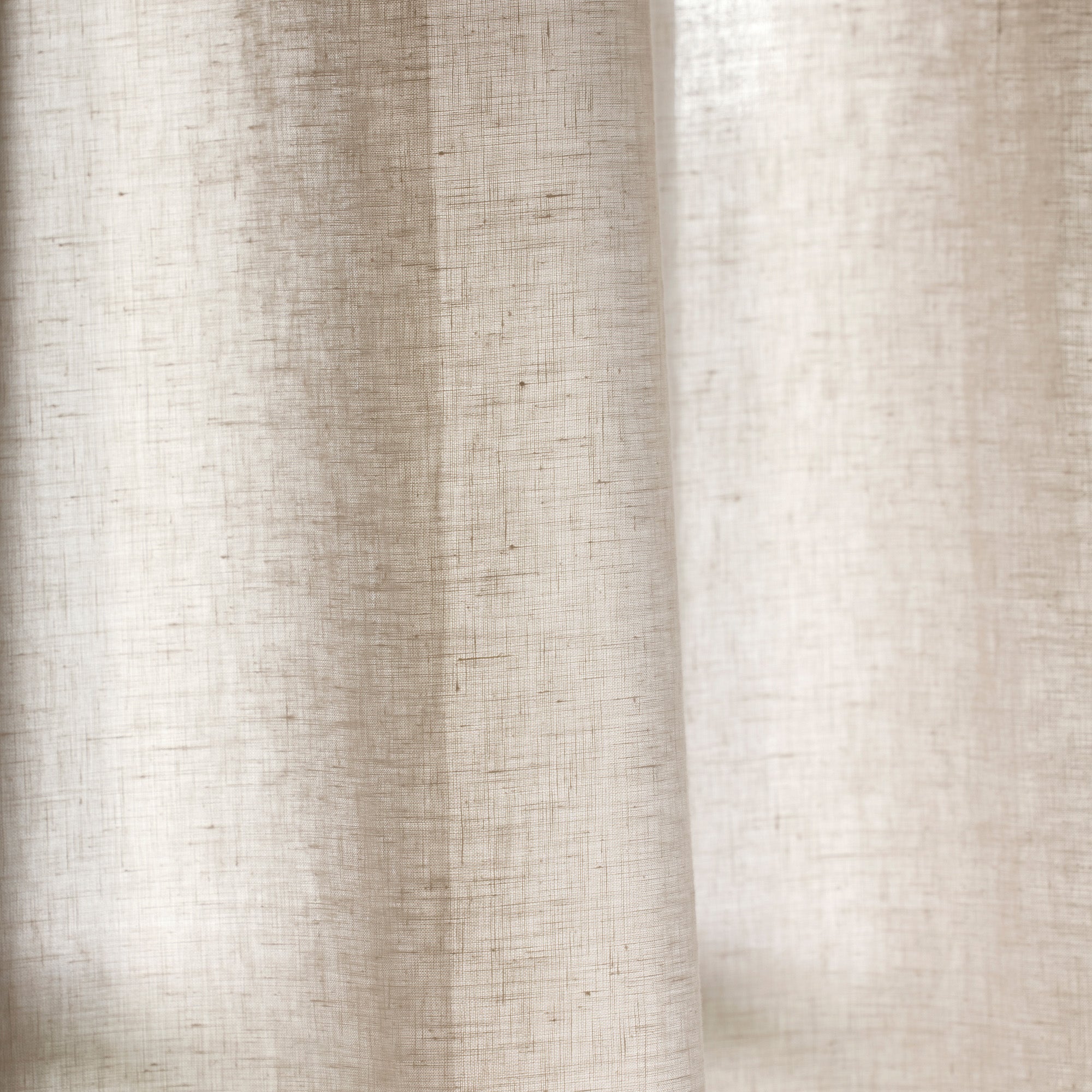
The linen is characterized by its light and luxurious texture. It remains cool to the touch even in summer and breathable for hot climates. This durable fiber can last 7 to 10 years. However, linen wrinkles easily and requires delicate maintenance: cleaning by hand or dry cleaning depending on the model. Minimalist and Scandinavian styles particularly appreciate this noble fabric.
Polyester: durability and UV resistance
The polyester is extremely durable and resists fading caused by UV rays well. It maintains its vibrant colors even when exposed to intense light and is lint-free. The guides recommend this fabric for daily use: it is easily maintained with a damp cloth and represents excellent value for money. In abrasion tests, polyester regularly exceeds 20,000 cycles and is therefore suitable for family use.
Imitation leather and leather: modernity and longevity
The faux leather, composed of polyurethane on a textile support, imitates the appearance of leather at a lower cost. It is easily cleaned with a damp sponge and does not attract dust or animal hair, making it practical for tight budgets. The genuine leather, for its part, is a lasting investment: with good maintenance, it can last more than 15 years. However, this material requires regular treatment (hydration with nourishing milk twice a year) and should be avoided if you have clawed animals.
Looped and textured fabric: cocooning trend
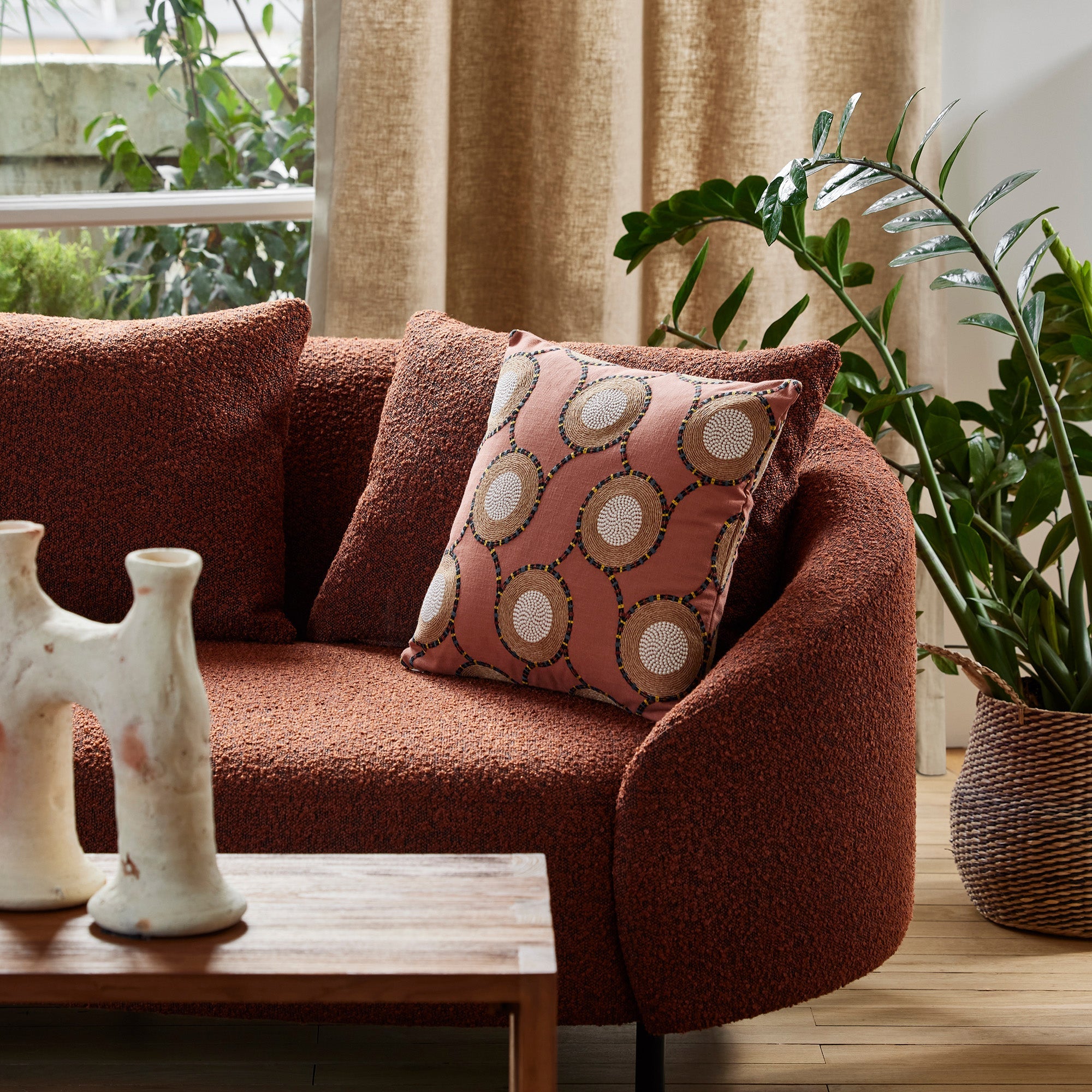
The French terry fabric stands out with a thick and cozy curly texture that creates a warm ambiance. It has been very trendy for a few seasons, but the fragile curls are easily snagged on claws and sharp objects. For a retro or Scandinavian look, you can opt for textured fabrics like tweed or the structured canvases. These fabrics add relief and wear less quickly than pure terry.

Martindale test: measuring abrasion resistance
The Martindale test is a standard that evaluates resistance to wear by simulating repeated friction. Guides recommend aiming at least 25,000 cycles for intensive family use. For occasional use (guest room), 10,000 to 15,000 cycles are sufficient. Microfiber and polyester typically exceed this threshold, while untreated cotton can cap around 15,000 cycles. Corduroy and technical blends often offer similar performance. Always ask the seller for this information, as a reputable manufacturer clearly indicates this.
Weight: thickness and robustness
Grammage corresponds to the weight of the fabric per square meter. For a durable cover, a weight between 300 and 600 g/m² is recommended. Below 300 g/m², the fabric is too thin and wears out quickly; beyond 600 g/m², the fabric gains strength but becomes more rigid. Quality upholstery fabrics usually indicate this parameter.
UV resistance and protective treatments
Fabrics placed near a window should resist fading. Manufacturers use a scale of 1 to 8 to measure this resistance; it is advisable to choose a level 4 or 5 for a living room exposed to the sun. Synthetic textiles, including polyester and microfiber, often benefit from built-in UV protection. Additional treatments like AquaClean or FiberGuard make the surface hydrophobic, which facilitates maintenance and prolongs the lifespan.

Family friendly with children and animals: favor the microfiber or synthetic fabrics with anti‑stain treatment. Check that the Martindale score exceeds 25,000 cycles and choose dark or heather colors that hide dirt. Removable, machine-washable covers will make maintenance easier.
Intensive daily use: opt for a thick fabric (weight greater than 300 g/m²) and a technical linen-polyester or cotton-synthetic blend. Look for waterproofing and anti-UV treatments to extend the lifespan.
Decorative or occasional use: let aesthetics guide you. Velvet, terry or fine canvases are suitable for lightly used sofas and add a sophisticated touch. Light colors brighten the room, but require delicate maintenance.
Hot climates or sunny rooms: choose breathable fabrics like linen or linen-cotton blends. Complete with anti-UV treatments to prevent fading.
Limited budget: polyester and faux leather offer a good compromise between price and durability. Don’t forget to check abrasion resistance and ease of maintenance.
Allergies and hygiene: choose hypoallergenic fabrics like microfiber and wash the covers regularly. Some microfibers are treated with anti-mites.
Mistakes to avoid
Choose based on color alone : a covering must first be adapted to your use. Do not choose a delicate fabric if your sofa is the center of family life.
Forgetting the Martindale test and weight : these indicators determine the resistance of the fabric. Don’t settle for a beautiful result without checking the robustness.
Neglecting maintenance : certain fabrics require regular brushing (velvet) or professional pressing (linen). Make sure you are prepared to follow maintenance recommendations.
Ignoring Animal Compatibility : leather is permanently scratched when scratched, while microfiber or tightly woven polyester resists it better.
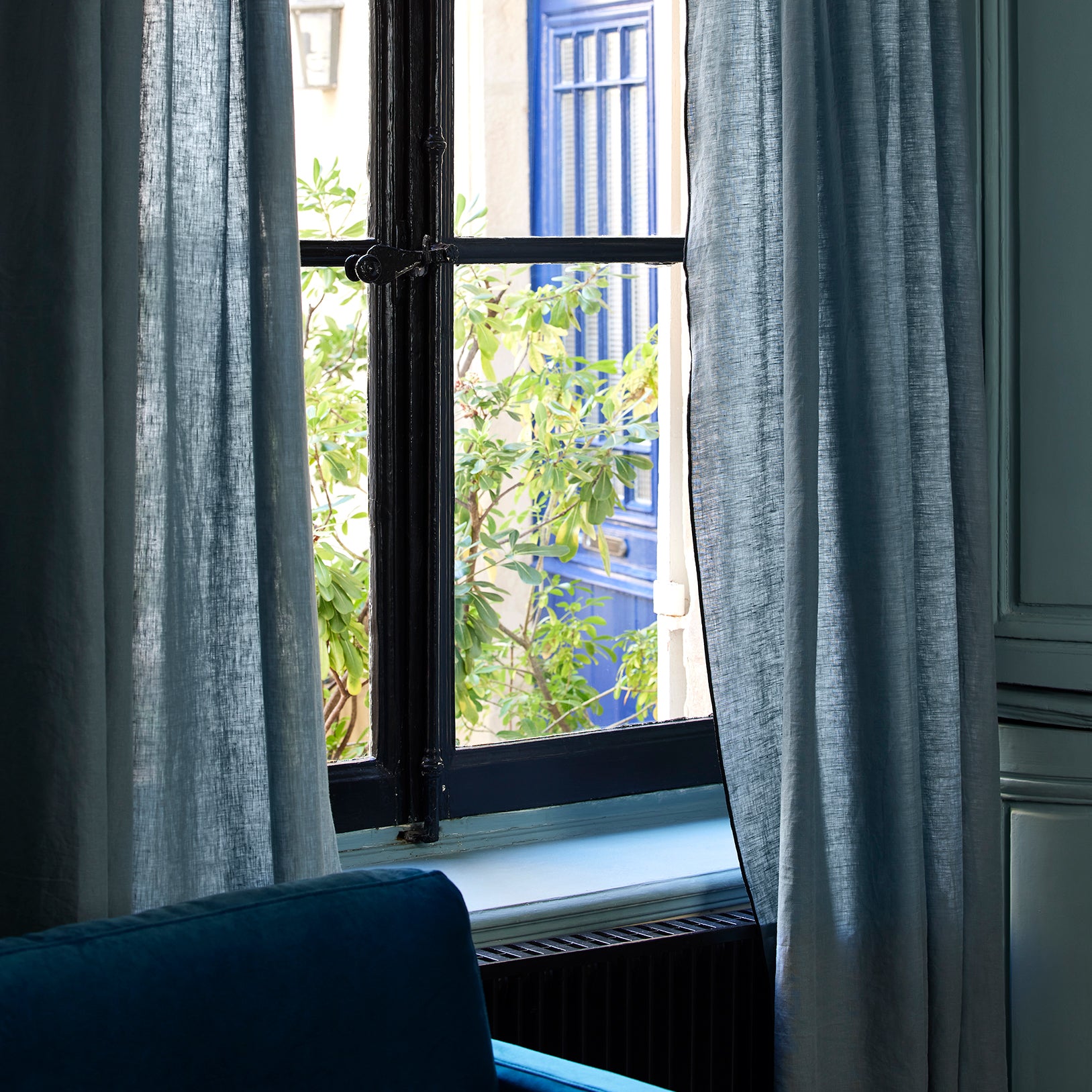
Underestimating the effects of the sun : a sofa placed near a window requires UV protection and curtains to avoid fading.
|
Fabric |
Durability (years) |
Maintenance |
Highlights |
Limits |
|
Microfiber |
8 – 12 |
Easy (vacuum cleaner, damp cloth) |
Resists stains, scratches and abrasion; hypoallergenic |
Less natural look; may seem less noble |
|
Velvet (microfiber) |
5 – 10 |
Regular brushing; vacuum cleaner |
Soft and elegant; captures light; corduroy hides marks |
Retains dust; more demanding maintenance |
|
Cotton |
5 – 8 |
Machine washable (removable covers) |
Breathable, accessible, available in many patterns |
Absorbs stains and odors; less resistant to friction |
|
Linen |
7 – 10 |
Delicate maintenance (dry cleaning) |
Cool to the touch, luxurious, breathable |
Creases easily; expensive |
|
Polyester |
8 – 12 |
Simple (damp cloth) |
Very resistant, anti‑UV, good value for money |
Less authentic feel than natural fibers |
|
Leatherette |
5 – 8 |
Damp cloth, mild soap |
Easy to clean, modern, budget controlled |
Less durable than leather; can crack over time |
|
Bouclelette |
5 – 8 |
Gentle vacuum cleaner |
Cozy and trendy texture; cocooning atmosphere |
Fragile curls; sensitive to scratches |

Historical know-how and carefully selected materials
Madura is a French textile decoration brand which revolutionized the market by inventing, in 1971, the concept of “ready-to-hang”. This innovation demonstrates unique know-how which can be found today in its ranges of curtains, cushions and sofas. Positioned in a premium segment, the brand collaborates with artisans around the world to offer products designed with sustainable and natural materials. It highlights creativity, quality and a fair price, offering sofas in velvet, linen or textured fabrics that combine comfort and design.
Collections adapted to every lifestyle
Madura offers its sofas in several formats (2 or 3 seats, modular) and offers different materials: corduroy for a retro style, terrycloth for a cocooning atmosphere, cotton or linen canvas for a natural decoration. Models are available in a rich color palette to harmonize your room. Matching cushions and throws allow you to personalize your sofa and add comfort.
A responsible approach
The brand pays particular attention to the origin of materials and respect for the environment. The collections favor natural fibers (linen, cotton) and recyclable fabrics, and the brand supports its customers in choosing the covering adapted to their lifestyle. This eco-responsible positioning and this expertise justify the choice of Madura for a durable and elegant sofa.

Which sofa fabric to choose for a family with children?
Microfiber is recommended for its resistance to stains and scratches. Choose a fabric with a Martindale test greater than 25,000 cycles and, if possible, a removable cover for easy maintenance.
What is the difference between velvet and corduroy?
Smooth velvet presents a plain, luxurious surface but retains dust; it requires regular brushing. Corduroy has ribbing that hides marks and resists friction better, while remaining elegant.
Is linen suitable for intensive use?
Linen is durable and breathable but wrinkles easily. It is more suitable for moderate or decorative use and requires delicate maintenance. For everyday use, choose a linen-polyester blend or a synthetic fabric.
How to know the resistance of a fabric?
Ask the seller Martindale score and the weight. A score greater than 25,000 cycles and a weight of 300 to 600 g/m² guarantee good durability.
What fabrics are suitable for sunny rooms?
Choose polyester, microfiber or anti-UV treated fabrics. Natural fibers like cotton and linen should be protected with UV-protective curtains or films to prevent fading.
Are terry fabrics practical with animals?
The loop creates a warm effect but its curls can get caught on animal claws. If you have cats or dogs, choose microfiber or corduroy instead.
Sommaire
Our last articles
Conseils déco •7 min
In summer, the choice of carpet directly influences the feeling of freshness and comfort on the floor. Seagrass, jute, cotton:...
Conseils déco •9 min
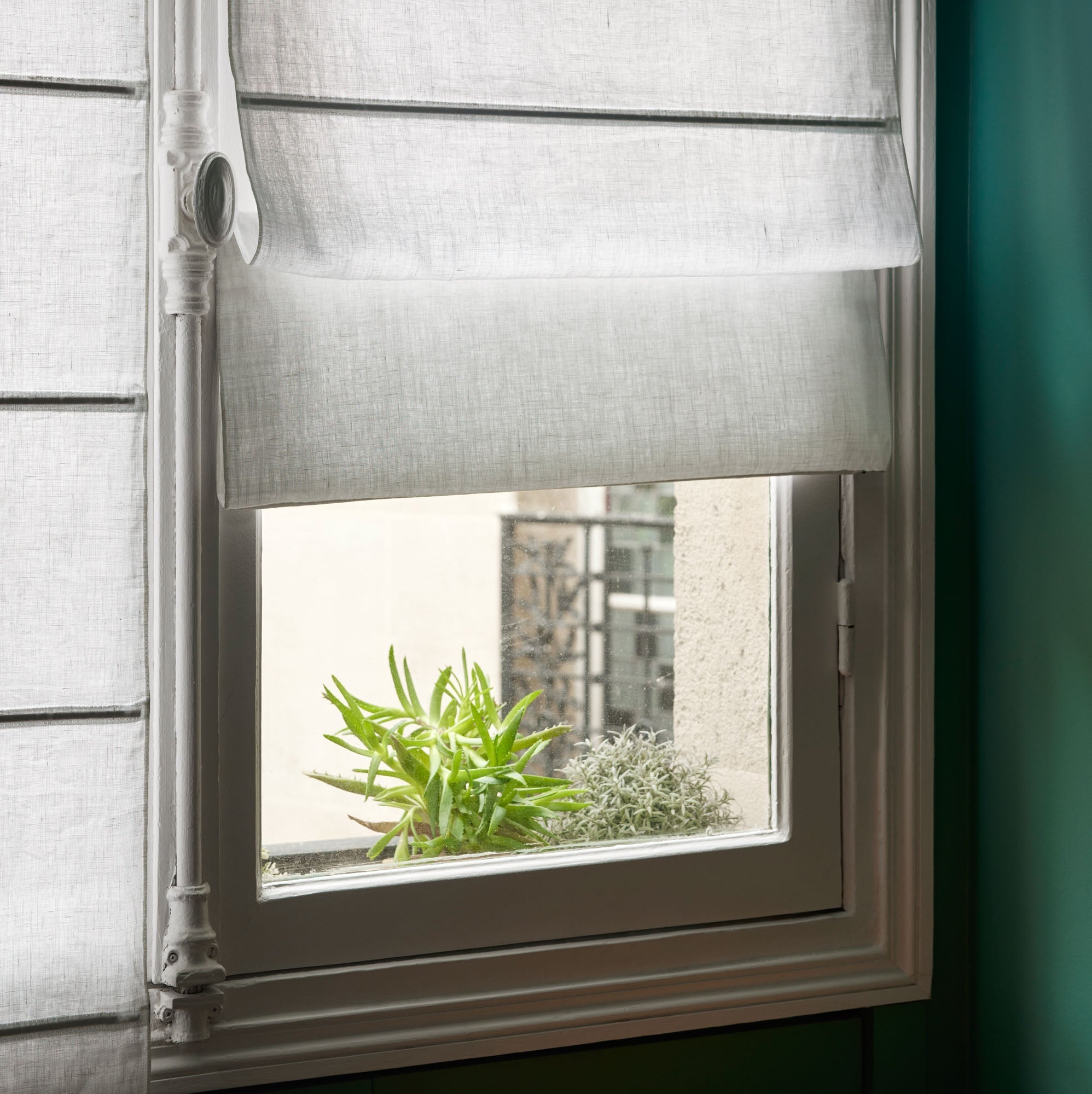
Roman blinds and roller blinds are two types of window coverings with very distinct mechanisms and aesthetics. This article will...