


Conseils et astuces •8 min
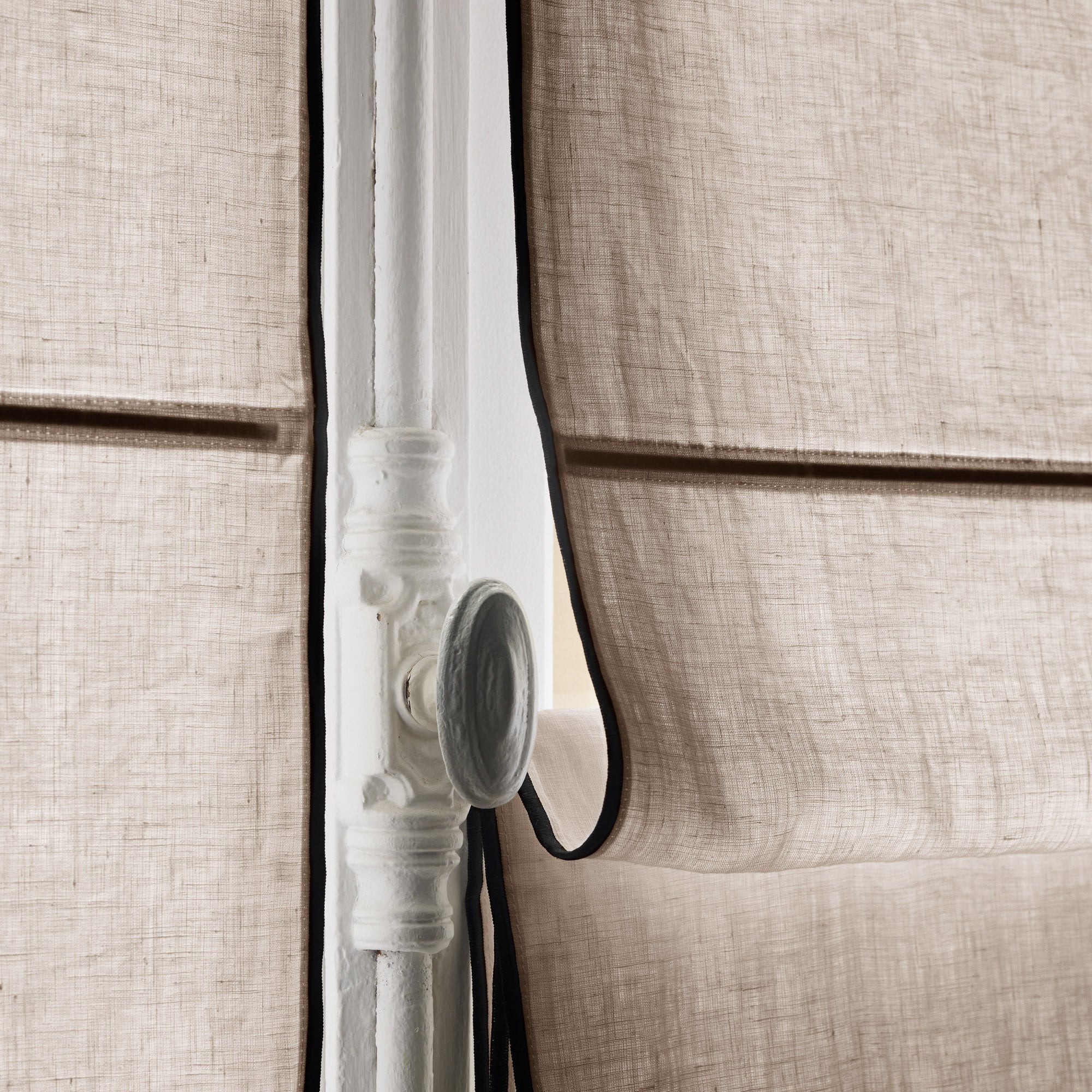
How to properly measure for curtains?
Correctly measuring your curtains is the first step to achieving a neat and harmonious result. This guide explains how to...

Madura customer service
Available on WhatsApp, by chat or by phone at 01 42 34 99 59

All the tips and tricks from our team, just like in store, delivered straight to you.
All articlesMost searched articles
Conseils et astuces
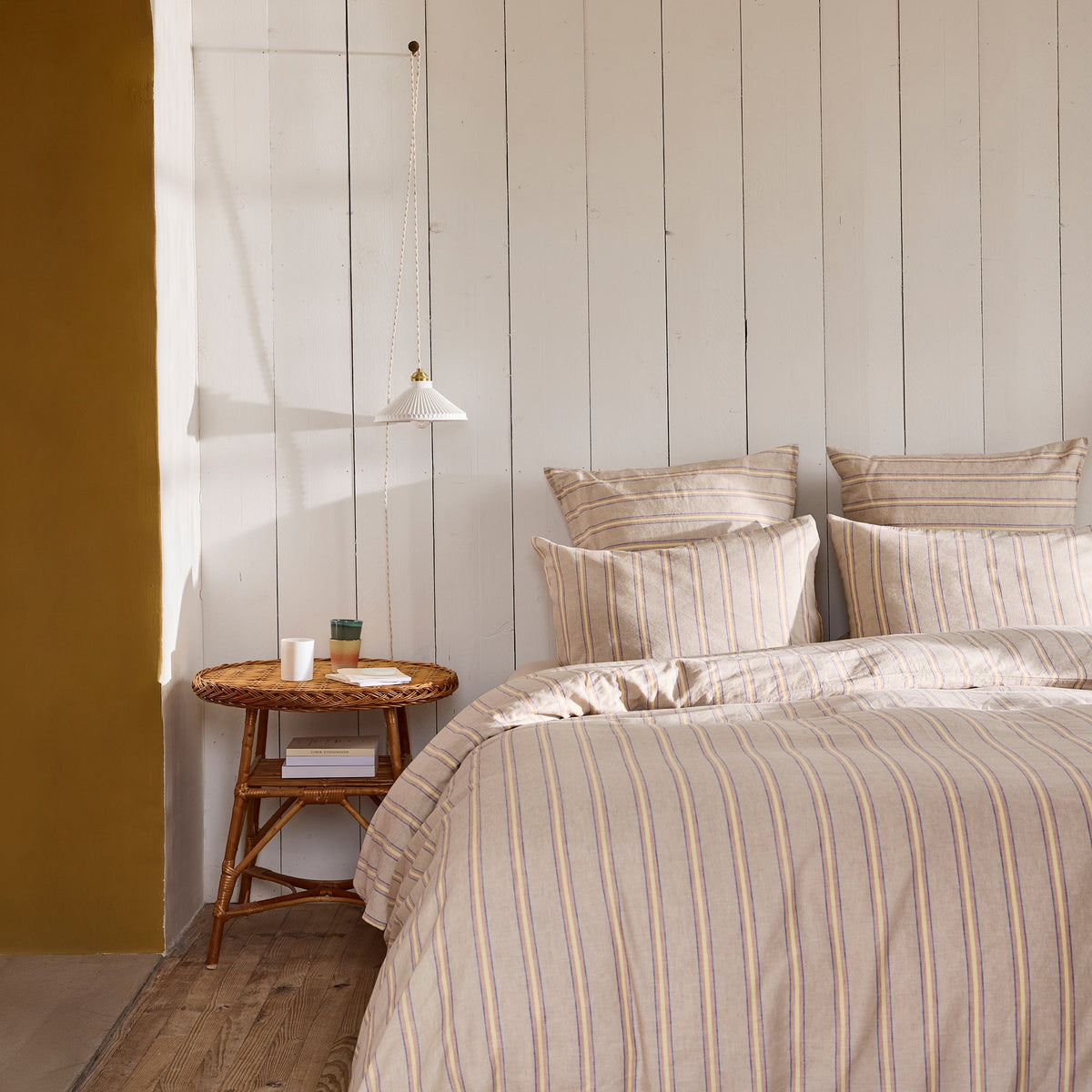
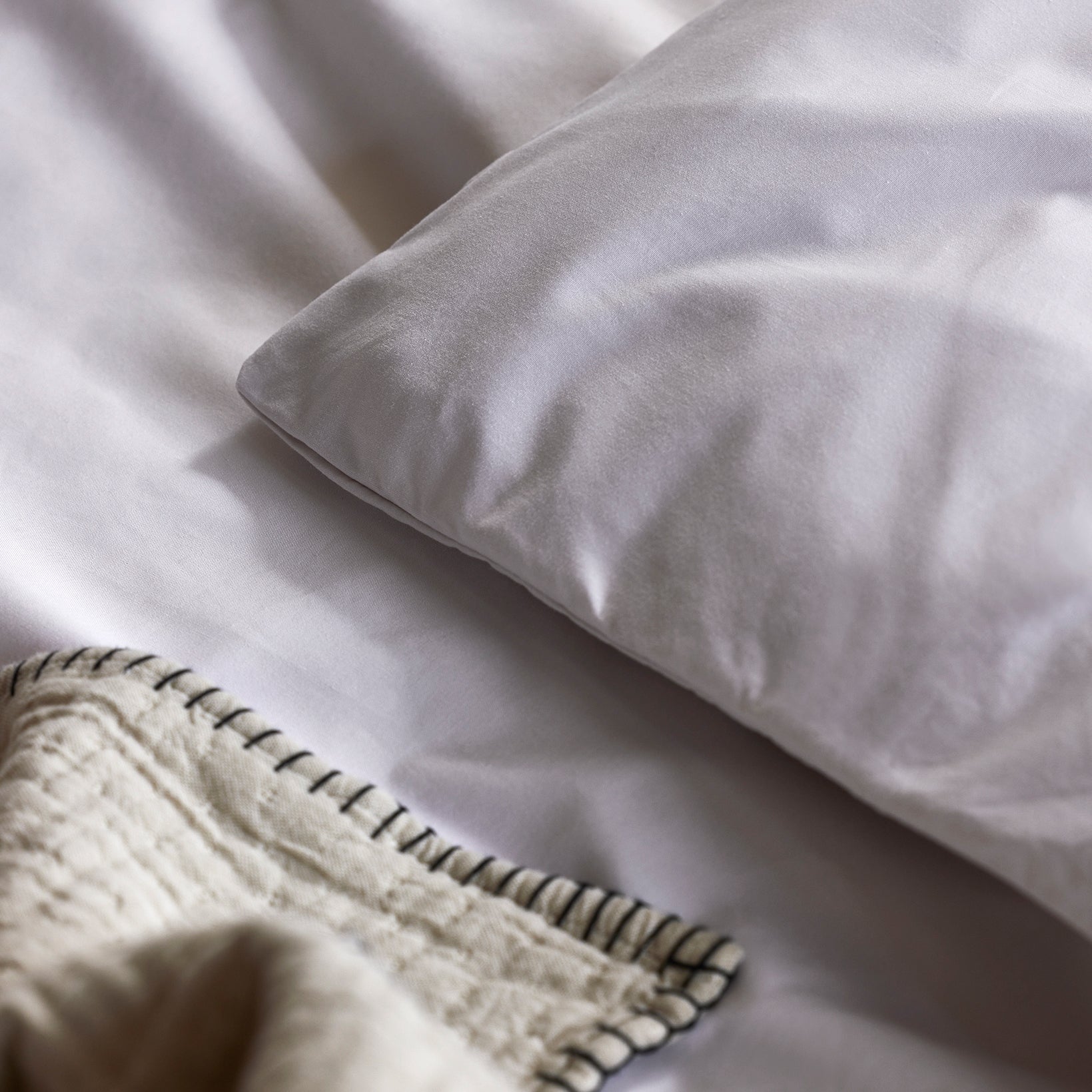
Linen care refers to all the washing, drying, and storage practices that preserve the quality, softness, and visual appearance of textiles over time. Well-maintained linen retains its colors, structure, and comfort long after its first uses. Common mistakes—too high a temperature, aggressive spinning, poor storage—accelerate the premature wear of fibers. By adapting each action to the specific material (linen, cotton, percale, or satin), you can easily double the lifespan of your textiles.
Each textile fiber has its own structure that reacts differently to heat, water, and chemical agents. Linen, for example, is a strong plant fiber but is sensitive to shrinkage if the water is too hot. Cotton, which is more common, tolerates heat better but can lose its shine if aggressive detergents are used.
Following the manufacturer's instructions on the label is the first golden rule. These symbols indicate the maximum temperature, permitted drying methods, and treatments to avoid. Ignoring them risks irreparably damaging the material from the first wash.
Linen is a noble and breathable material, ideal for bedding. To wash it without damaging it, opt for a delicate cycle at 30 °C or 40 °C maximum. Water that is too hot weakens the fibers and causes significant shrinkage, especially during the first washes.
Use a mild detergent, free from bleaching agents or aggressive enzymes. These substances attack plant fibers in the long term and dull colors. Linen is ideally washed alone or with similarly colored textiles to avoid color transfer.
Cotton is the most common material in household linen, appreciated for its softness and resistance. It tolerates slightly higher temperatures than linen—up to 60 °C for white sheets—but a daily wash at 40 °C is perfectly sufficient to ensure good hygiene without wearing out the fibers.
To preserve the softness of cotton over washes, avoid excessive fabric softeners: they leave a film on the fibers that gradually reduces their absorption capacity. Half a dose of natural fabric softener, such as diluted white vinegar, is enough to soften the fabric without weighing it down.
These three cotton weaves do not behave the same way when washed, even if they share the same basic material.
Percale — tight plain weave, matte and crisp appearance. Simple care: 40 to 60 °C depending on the color, easy drying, few wrinkles. Ideal for people who wash frequently.
Cotton sateen — shiny weave, silky feel. More delicate to care for: 40 °C maximum, limited spin to avoid snags, air drying recommended. Ironing at a moderate temperature preserves the fabric's characteristic luster.
Poplin — light and breathable weave. Washes at 40 °C, dries quickly, requires little ironing if removed from the dryer on time. Its lightness makes it particularly suitable for warm seasons.
Drying is an often-neglected step, yet it is crucial for textile longevity. Tumble drying at too high a temperature weakens the fibers and causes progressive shrinkage. Prefer a delicate program or air drying, in the shade to prevent UV rays from fading colors.
Storage also deserves attention. Linen stored damp or poorly folded develops mold or permanent creases that are difficult to remove. Make sure textiles are perfectly dry before folding them, and store them in an airy space, away from direct light.
Washing frequency directly influences the longevity of a textile. Washing too often wears out fibers; washing too rarely promotes the accumulation of grease and microorganisms that degrade the material from within.
These frequencies can be adjusted according to seasons, allergies, and household composition. In summer, increased perspiration justifies a systematic weekly washing of sheets.
Most premature damage to household linen is avoidable. Here are the most common pitfalls to identify and correct.
Responsible household linen care primarily involves reducing the frequency and temperature of washes. Washing at 30 °C instead of 60 °C significantly reduces energy consumption while being sufficient for routine care, according to ADEME recommendations.
Choosing certified detergents (Ecocert, Nordic Swan) limits the impact on fibers and the environment. These formulas, less chemically aggressive, preserve natural dyes and extend the lifespan of textiles.
Linen bedding should ideally be washed at 30 °C or 40 °C maximum on a delicate cycle. A higher temperature causes significant shrinkage of the plant fibers. Use a mild detergent, without bleach, and air dry on a drying rack away from direct sunlight.
Sheets and duvet covers should ideally be washed every one to two weeks. Pillowcases, in direct contact with the skin, deserve a weekly wash. In summer or in case of allergies, increasing the frequency is recommended for better hygiene.
Linen can be tumble dried provided a delicate program at low temperature is used. Removing the linen slightly damp limits creases and facilitates ironing. To preserve the fibers in the long term, air drying remains the gentlest method.
To prevent yellowing, wash white linen at 60 °C occasionally with a detergent suitable for whites. Avoid excessive fabric softeners that leave a yellowing film on the fibers. Store away from light and never in plastic covers that retain moisture.
Use a special color detergent, free from bleaching agents or aggressive enzymes. Wash at 30 or 40 °C maximum and turn covers inside out before washing. White vinegar, in addition to fabric softener, helps set dyes and naturally brighten colors.
Good quality bedding, properly maintained—washed at the right temperature, suitably dried, carefully stored—can last between 5 and 10 years. Materials such as cotton percale or washed linen, known for their strength, can last a decade without losing their shape.

By Laurine Didier
In charge of content and decoration advice at Madura.
Sommaire
Our last articles
Conseils et astuces •8 min
Correctly measuring your curtains is the first step to achieving a neat and harmonious result. This guide explains how to...
Conseils et astuces •10 min
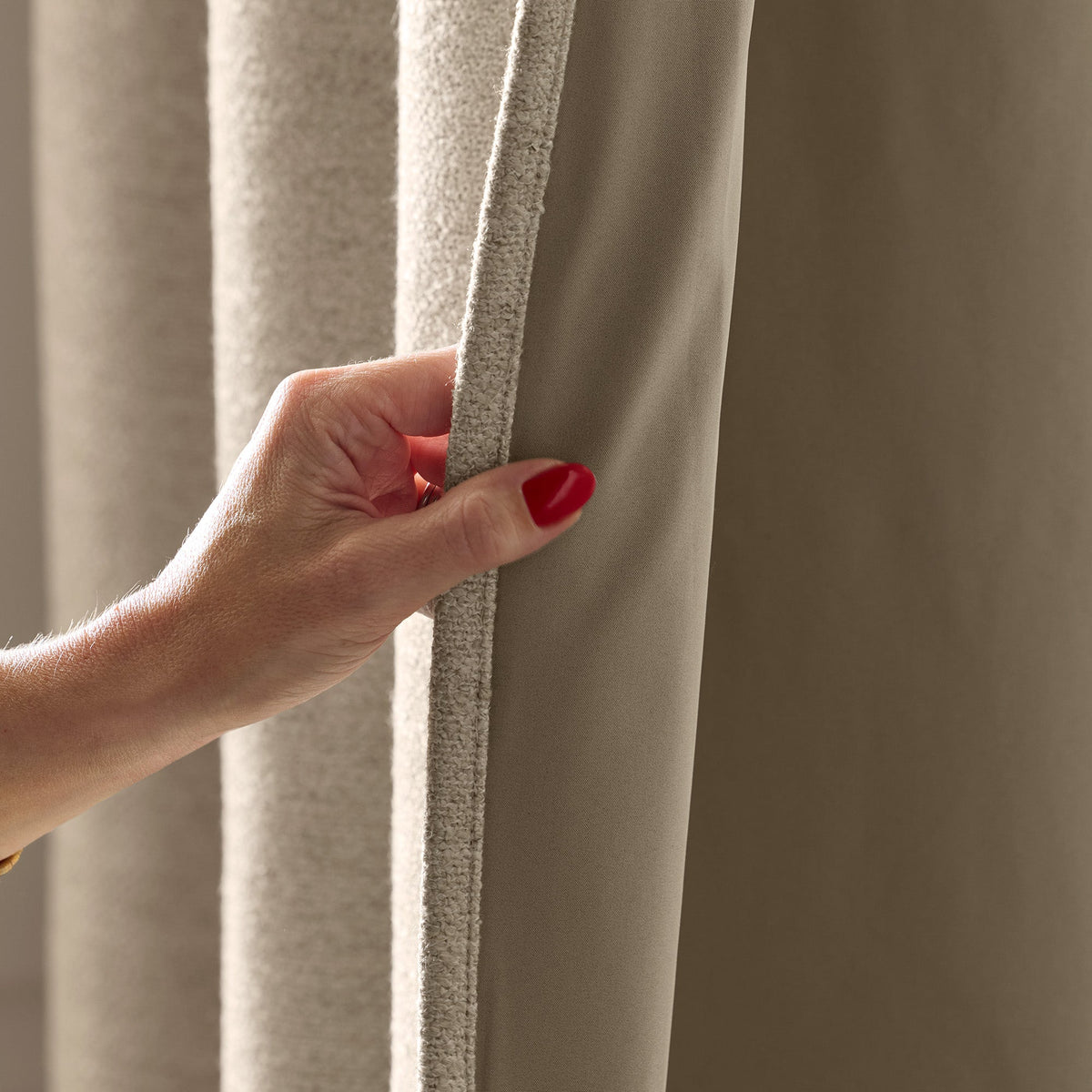
A blackout curtain blocks light, improves sleep and insulates against the cold. This guide helps you choose the right fabric,...