





Conseils et astuces •8 min
How to care for your household linen so it lasts longer?
Proper care for each material — linen, cotton, percale — helps preserve the softness, colors, and durability of your home...

Madura customer service
Available on WhatsApp, by chat or by phone at 01 42 34 99 59

All the tips and tricks from our team, just like in store, delivered straight to you.
All articlesMost searched articles

Conseils et astuces
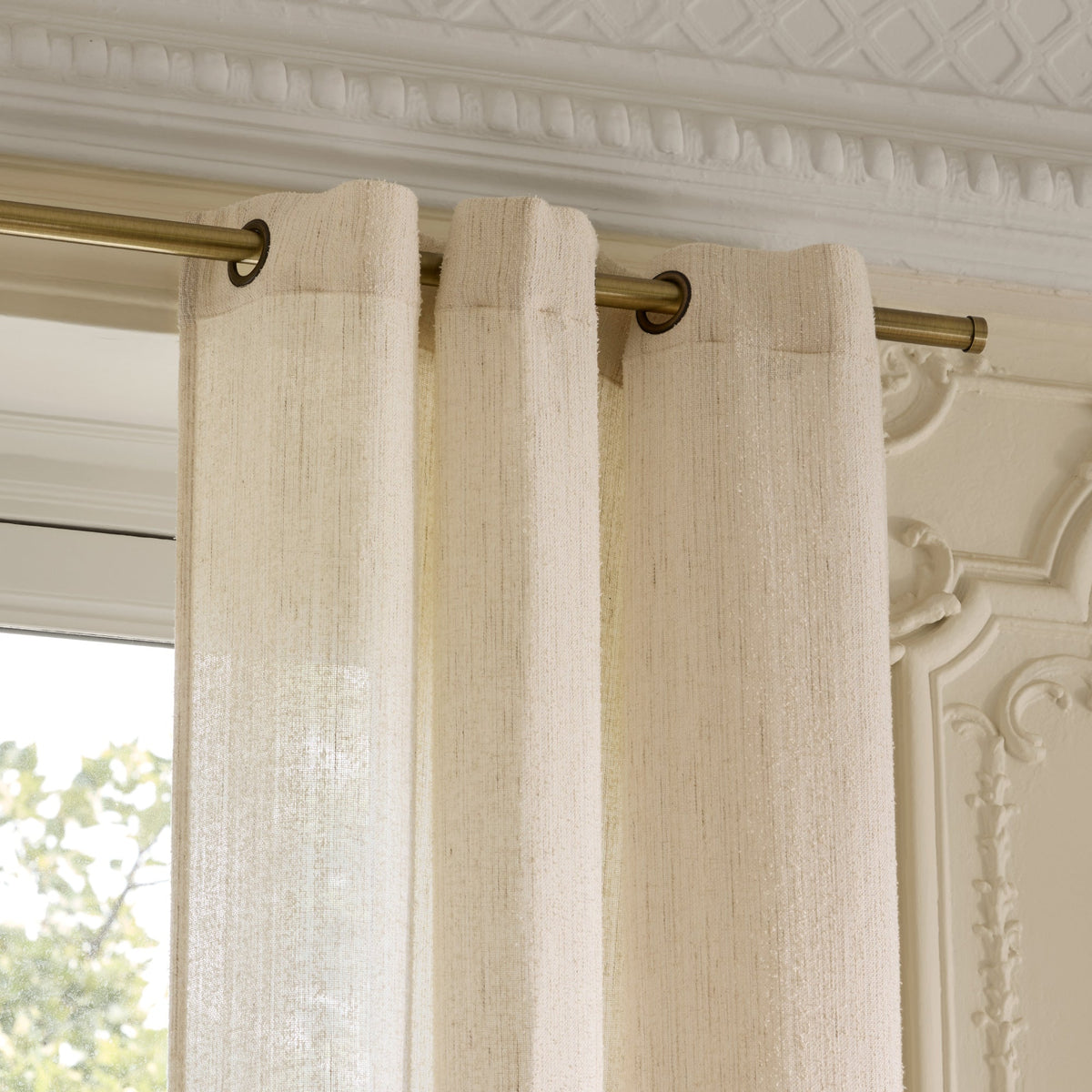
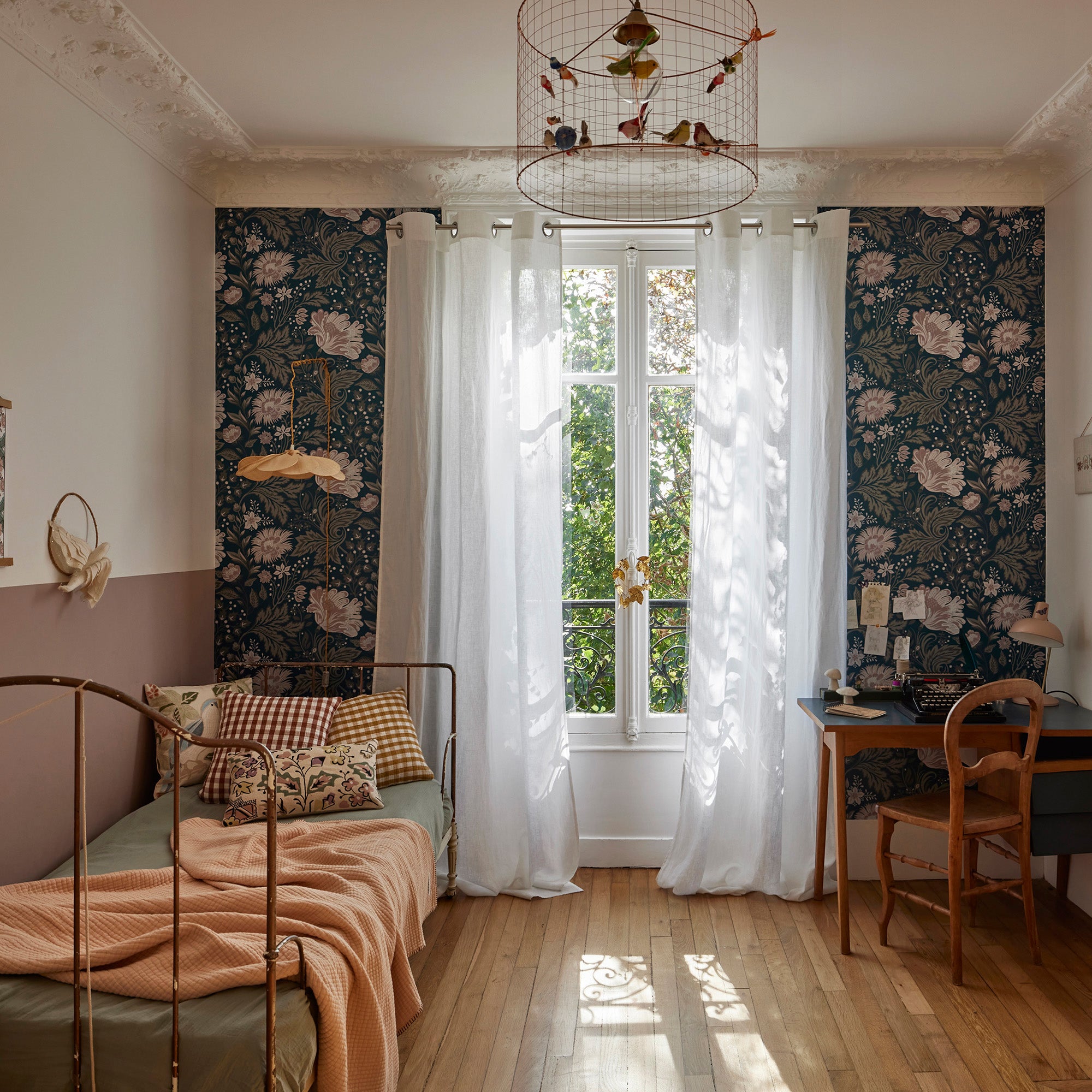
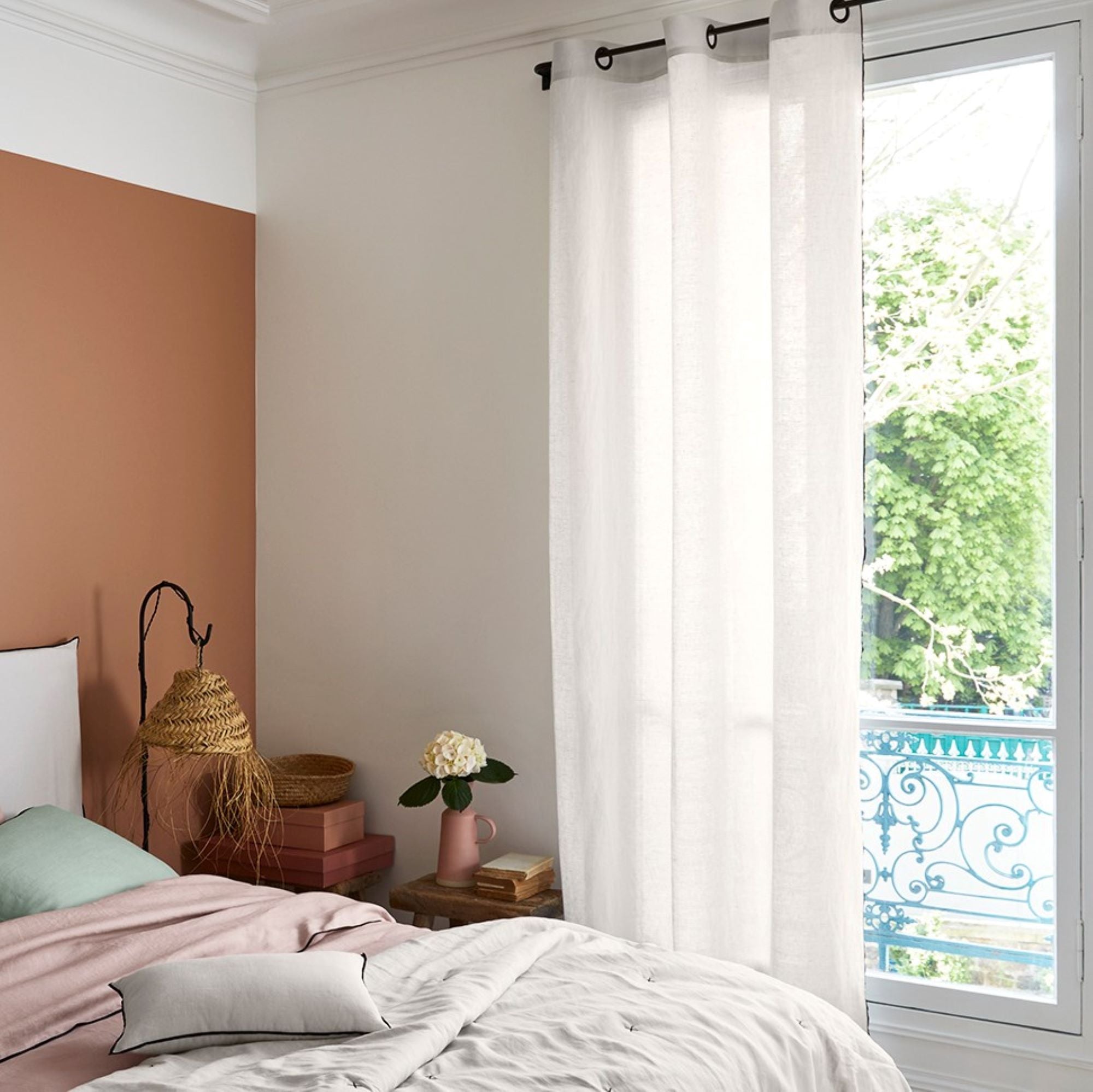
Measuring your curtains is the key step that determines the overall decorative effect of a room. Before choosing a fabric or a collection, you need to know two essential dimensions: the desired curtain height and the width of the window to be dressed. Accurate measurement, taken with a rigid tape measure (not a flexible one, which can distort values), helps to avoid unpleasant surprises during installation. As a general rule, always measure from the hanging point—rod or track—to the chosen end point: windowsill, ledge, floor, or a few centimeters below the floor for a cascade effect.
A rigid tape measure of at least two meters is essential. Flexible fabric tape measures can deform and lead to discrepancies of several centimeters, which is enough to ruin the installation of a floor-length curtain.
Note each measurement on paper, specifying: the window concerned, the height recorded, and the width of the support. It is recommended to measure twice to validate each value, especially if your wall or ceiling is not perfectly straight, which is common in older homes.
The height is measured from the hanging point to the desired level for the bottom of the curtain. This hanging point varies depending on the installation system: ring on a rod, clip, eyelet, or gallery on a track.
If the rod is not yet installed, first decide on its height. The usual recommendation is to place it 10 to 20 cm above the top edge of the window, or even up to the ceiling to visually enlarge the room, a technique widely used in contemporary interior design.
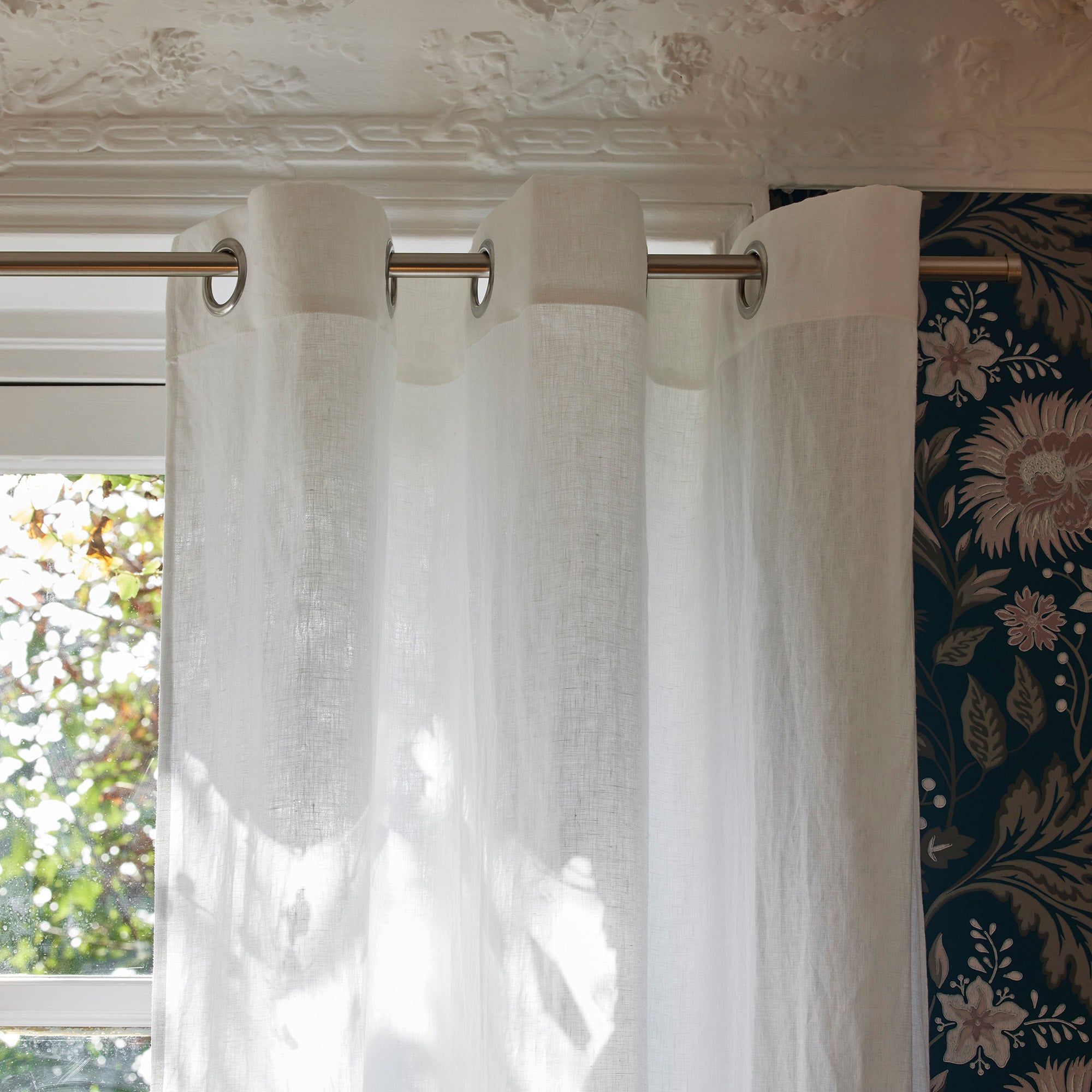
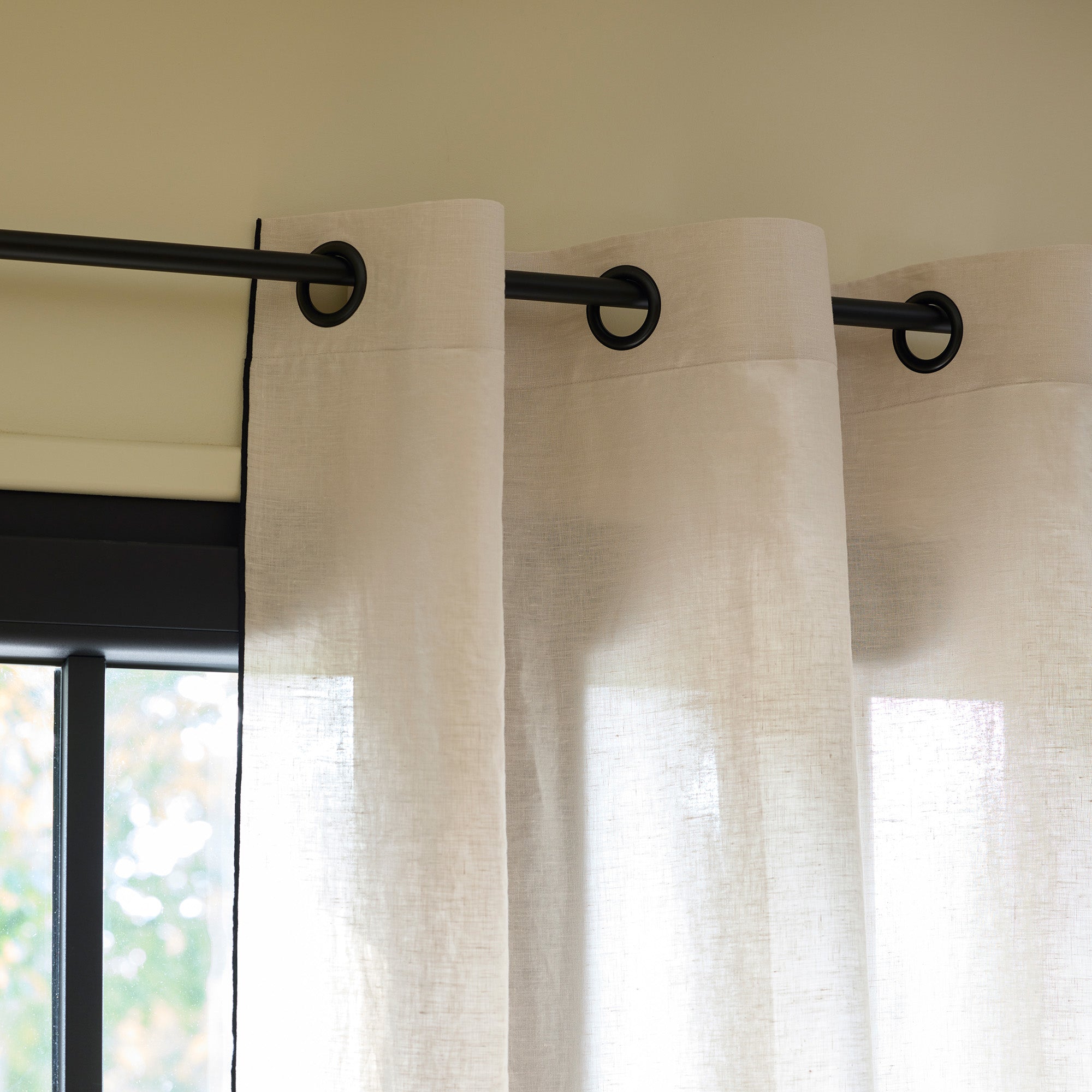
For eyelet or ring curtains, measure from the bottom of the rod (not from the top), as the curtain hangs below it. For track or clip curtains, measure from the bottom of the hanging support.
The width of the curtain does not correspond to the width of the window alone. To achieve a harmonious drape with well-formed pleats, you need to allow for a fabric width greater than the width of the rod or track. This is what professionals call the fullness or gather coefficient.
The basic rule: multiply the width of the rod or track by a coefficient that varies according to the type of curtain heading and the desired effect.
For two curtain panels covering the same window, divide the total required width by two to get the width of each panel. Don't forget to add 10 to 15 cm of overlap on each side of the window, to prevent any unwanted light leakage at the sides.
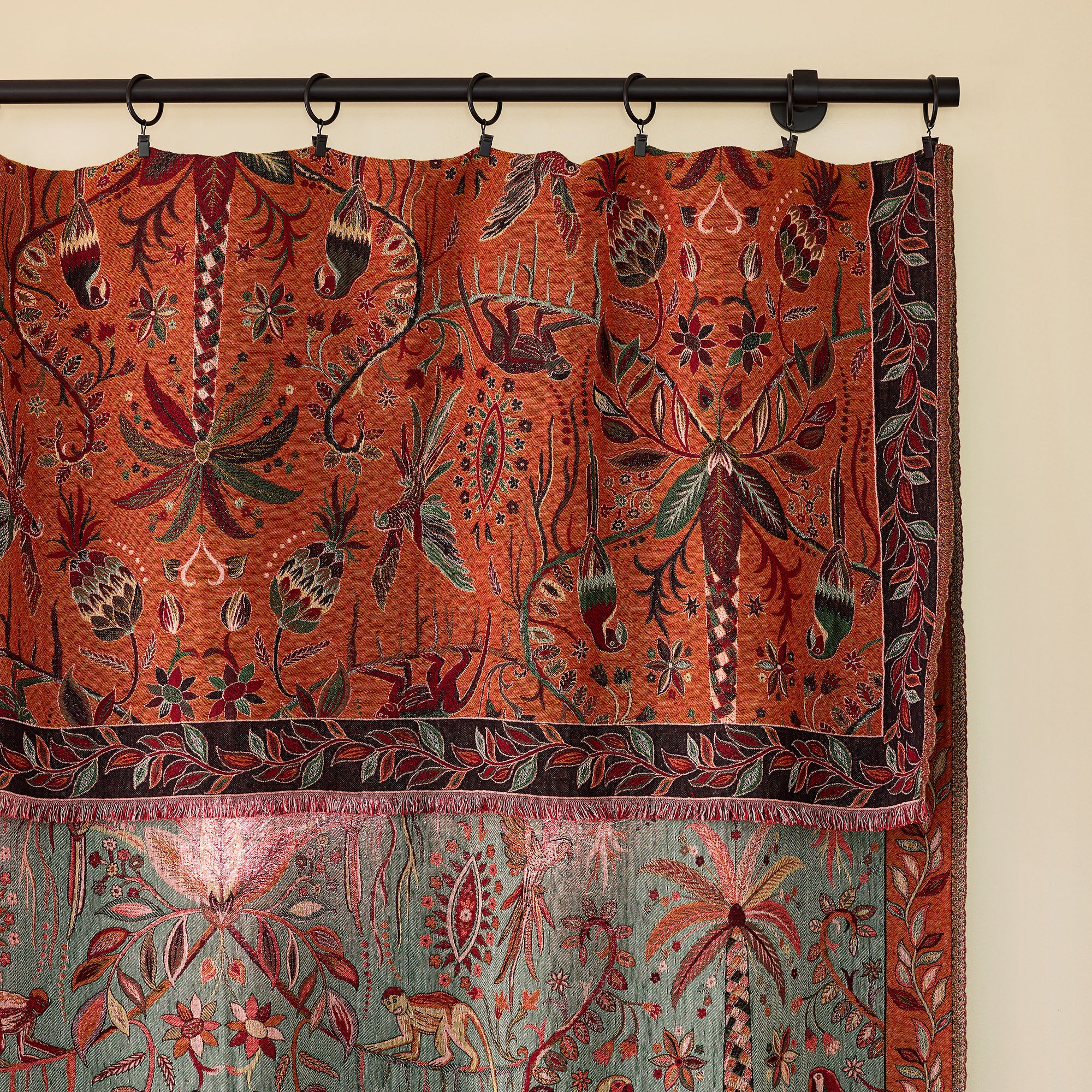
On a rod, the curtain hangs above or around the support depending on the hanging system (eyelet, sliding ring, clip). Height measurement starts from the bottom of the rod for rings and clips, or from the center of the rod for eyelets.
On a track, the curtain is hung via hooks or sliding carriers. Height measurement starts from the bottom of the track. Tracks generally offer a more discreet look and are particularly suitable for large windows or superimposed double curtains (curtain + sheer on a double track).
In both cases, measure the usable length of the support (without decorative finials for the rod) to calculate the necessary fabric width.
For home sewing, the fabric calculation includes several parameters: the finished curtain height, the curtain heading (allow an additional 15 to 20 cm at the top for the tape or hem), the bottom hem (5 to 10 cm depending on the desired finish), and the pattern repeat if the fabric has a repeating design.
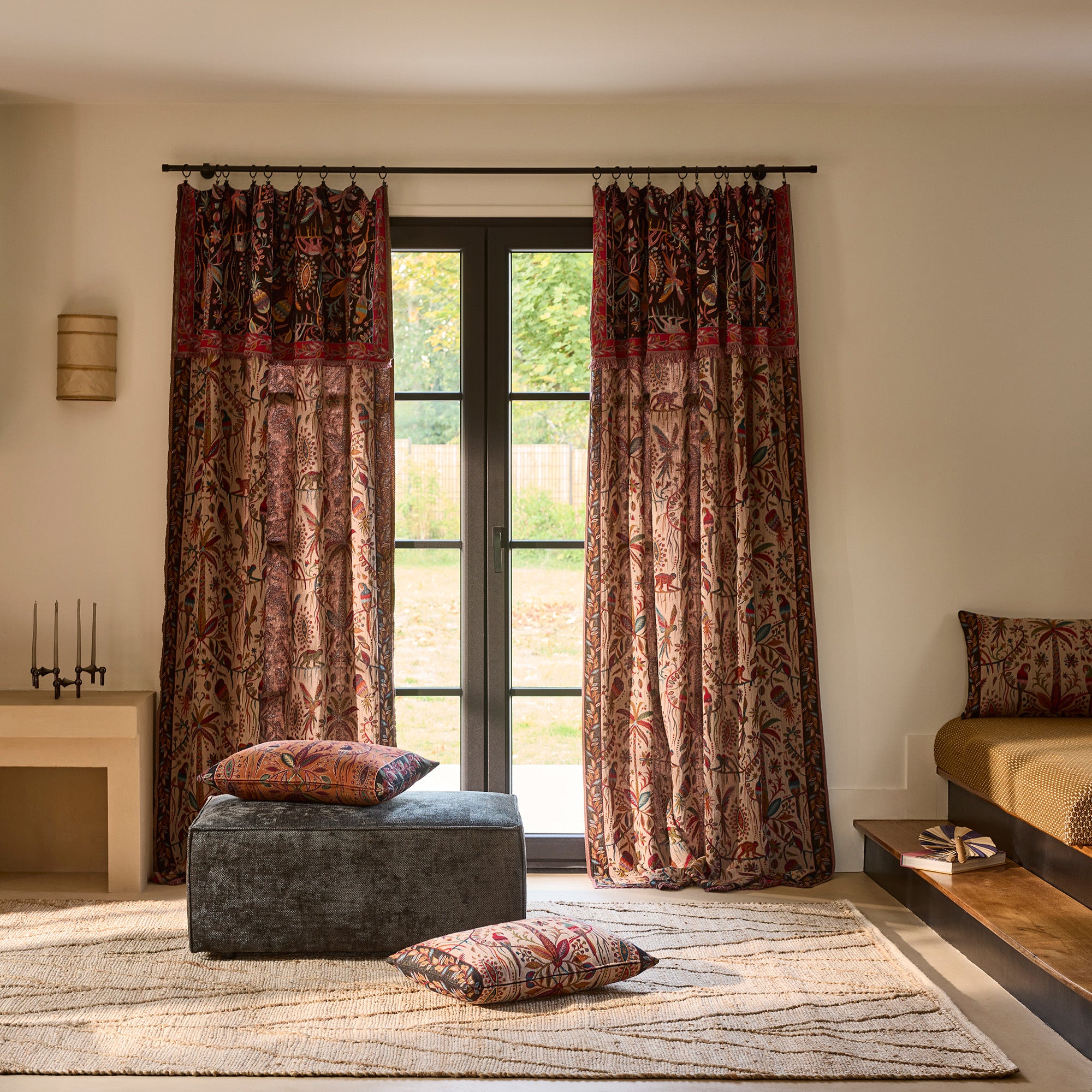
The pattern repeat is generally indicated on the fabric's technical sheet. For a fabric with a 32 cm repeat, each panel will be rounded up to the next repeat so that the patterns align perfectly between sections.
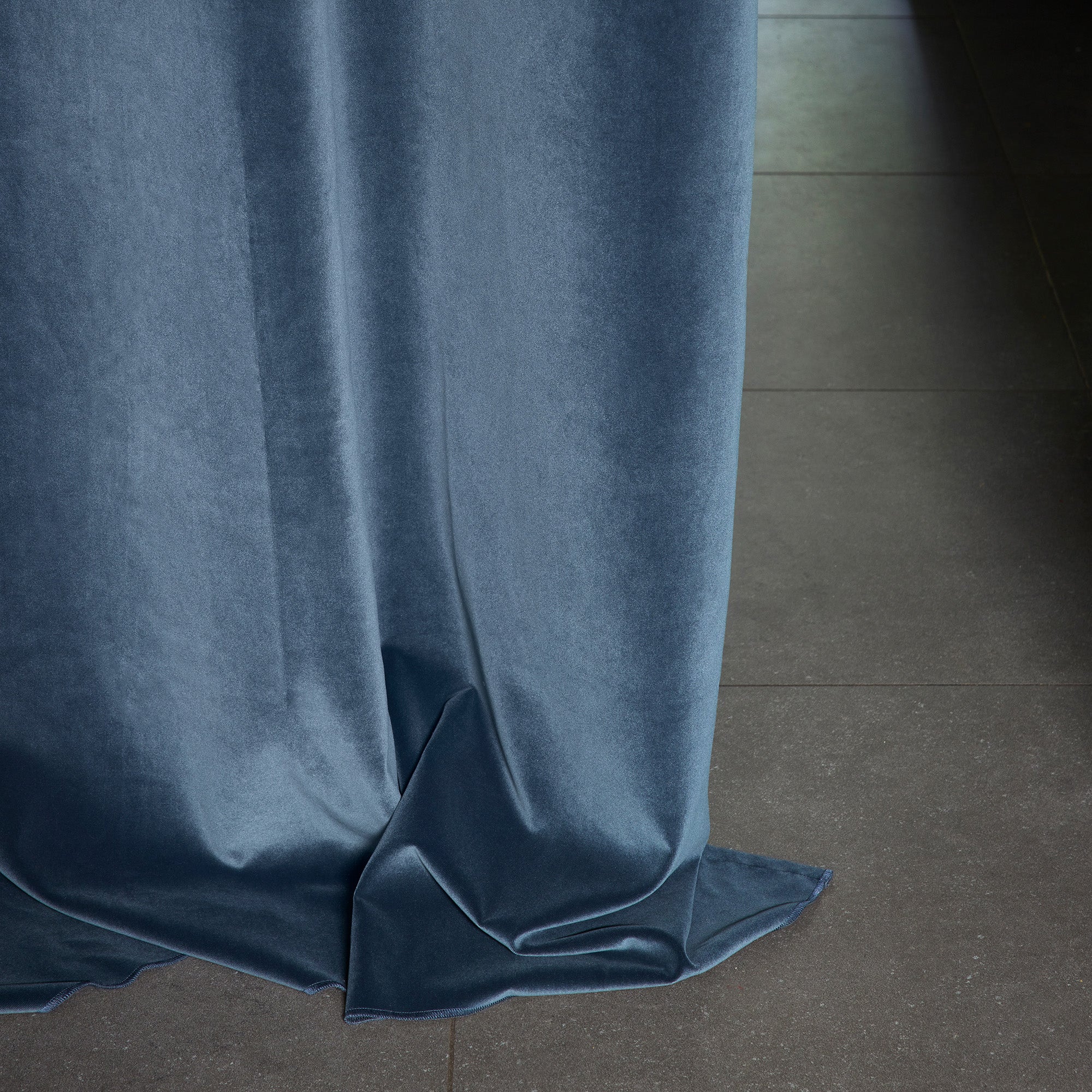
Measure from the bottom of the curtain rod or track to the floor, then subtract 1 cm to prevent the fabric from rubbing. If you want a cascade or puddling effect, add between 5 and 20 cm depending on the desired fullness. Measure at several points if your floor is not perfectly flat.
For a 120 cm window, the curtain rod usually extends 10 to 15 cm on each side, meaning approximately 140-150 cm of usable track. With a fullness coefficient of 2 (eyelet heading or pinch pleats), you need between 280 and 300 cm of total fabric, distributed over one or two panels.
When a blind or roller shutter is already in place, check the available depth space within the recess. Prefer an exposed curtain rod mounted on the wall so as not to obstruct the blind's operation, and measure the height from the wall-mounted rod to the floor or sill, depending on the desired effect.
Ideally, install the curtain rod first: you will have a real and precise hanging point from which to measure the height. If the rod is not yet installed, mark its final height on the wall (pencil mark) before taking your measurements, to avoid any calculation errors.
For an elegant drape with visible pleats, use a coefficient of 2 to 2.5: for 100 cm of rod, allow 200 to 250 cm of fabric. Eyelet headings work well at 1.5-2, while gathered headings require 2.5 to 3 for a voluminous and warm effect.
Add the finished height + 15-20 cm for the heading + 8-10 cm for the bottom hem. If the fabric has a repeating pattern, add one pattern repeat per panel. Multiply this total by the number of panels needed to cover the desired width. The fabric width determines the number of panels.

By Laurine Didier
In charge of content and decoration advice at Madura.
Sommaire
Our last articles
Conseils et astuces •8 min
Proper care for each material — linen, cotton, percale — helps preserve the softness, colors, and durability of your home...
Conseils et astuces •10 min
A blackout curtain blocks light, improves sleep and insulates against the cold. This guide helps you choose the right fabric,...


