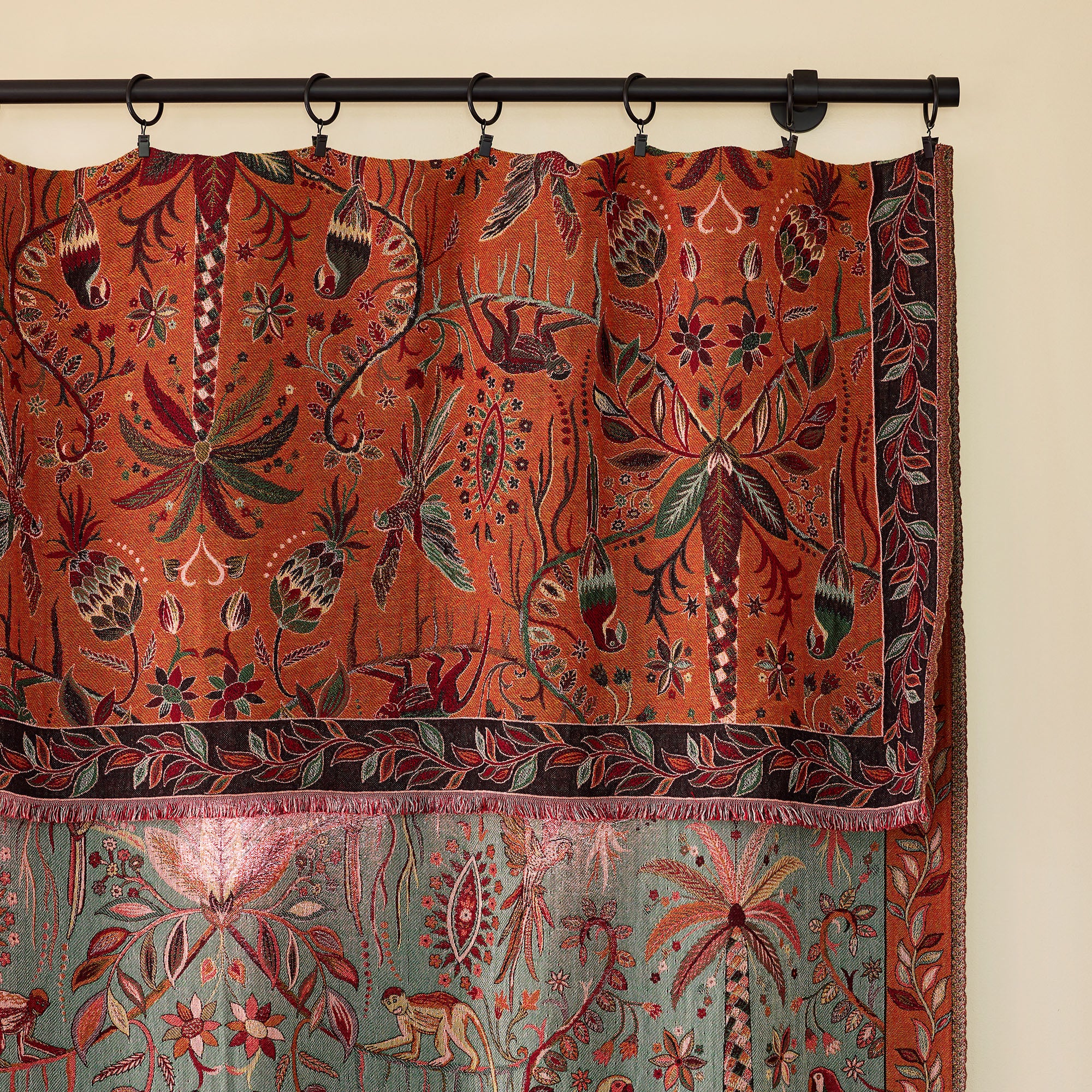
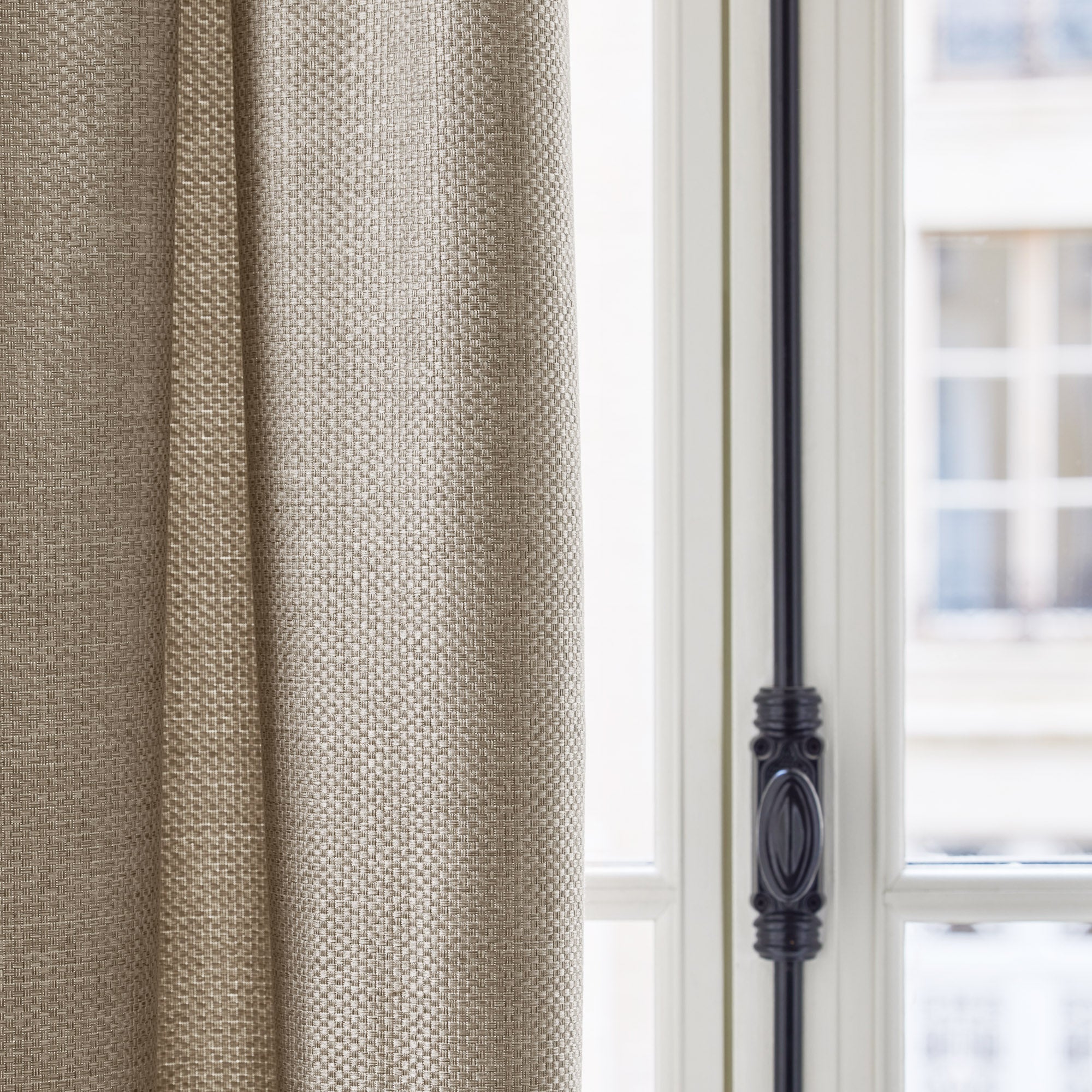

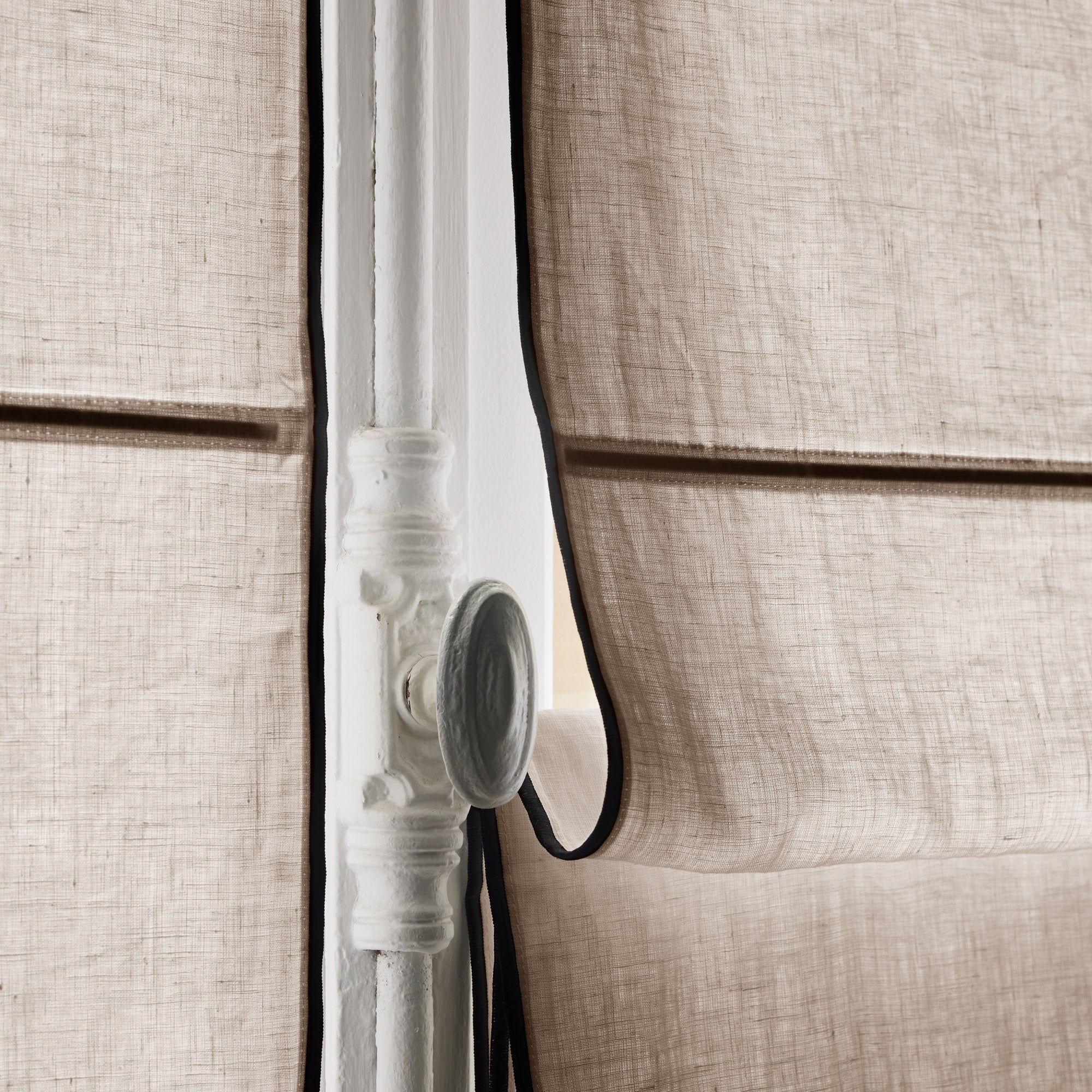
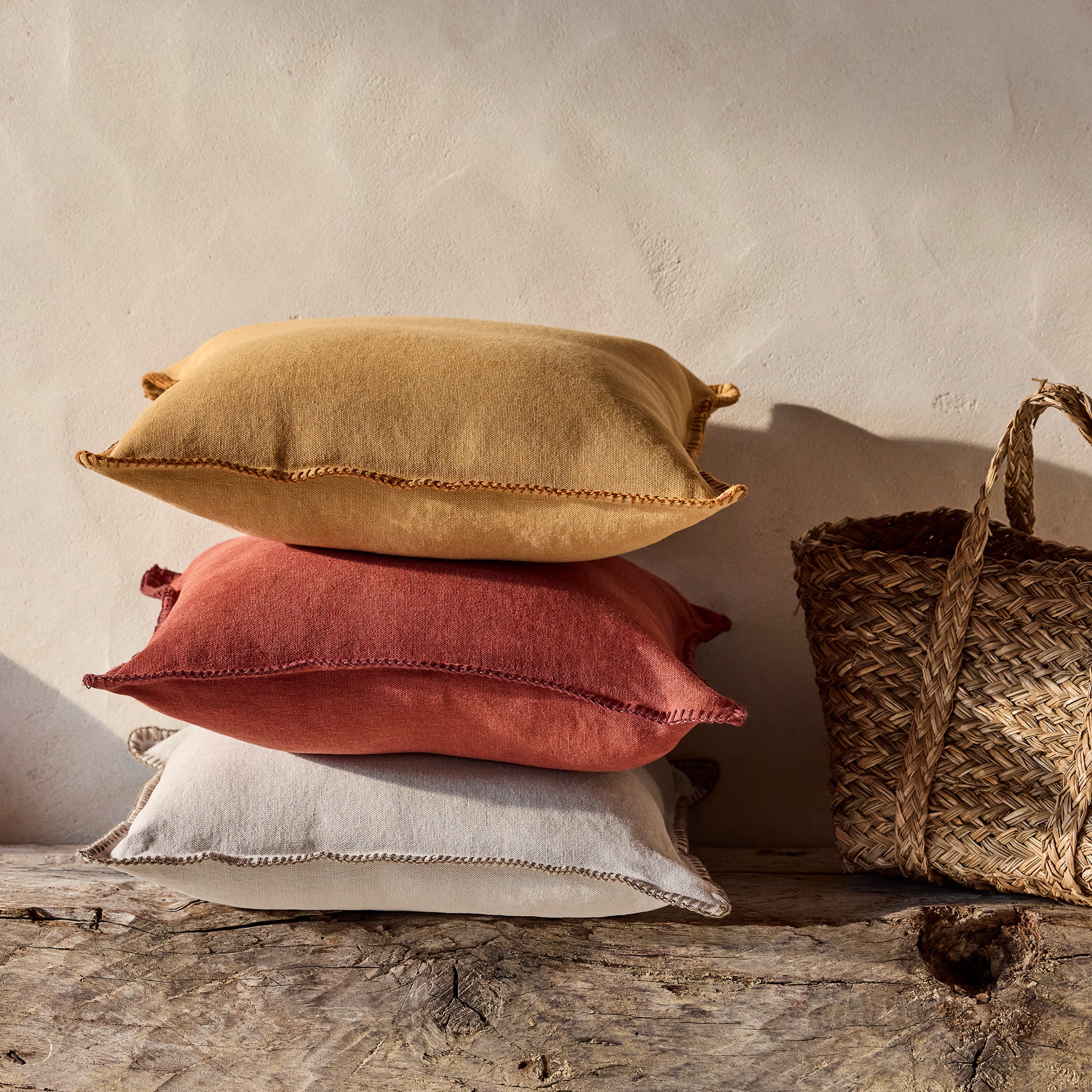


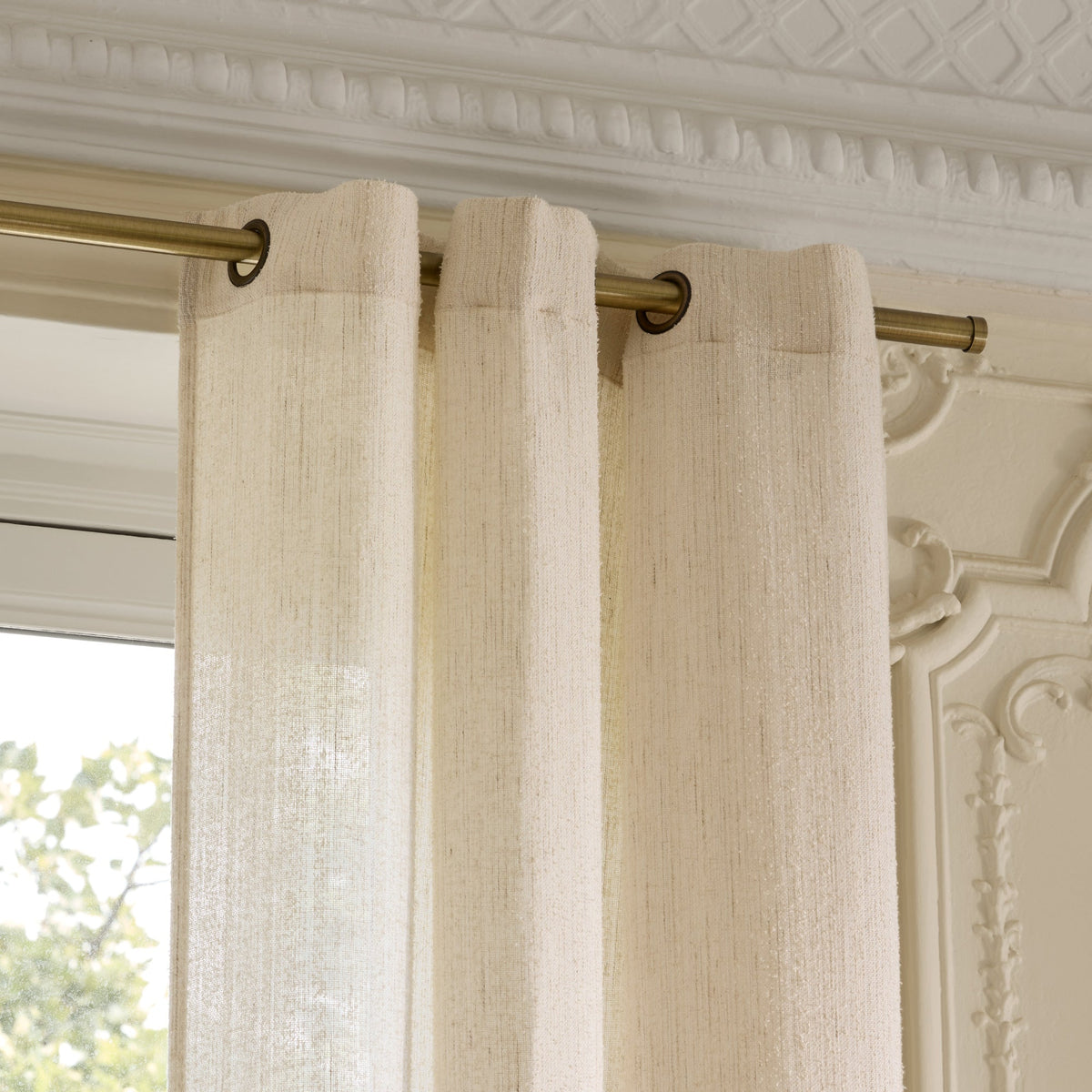
Conseils et astuces •8 min
How to properly measure for curtains?
Correctly measuring your curtains is the first step to achieving a neat and harmonious result. This guide explains how to...

Madura customer service
Available on WhatsApp, by chat or by phone at 01 42 34 99 59

All the tips and tricks from our team, just like in store, delivered straight to you.
All articlesMost searched articles
Conseils déco

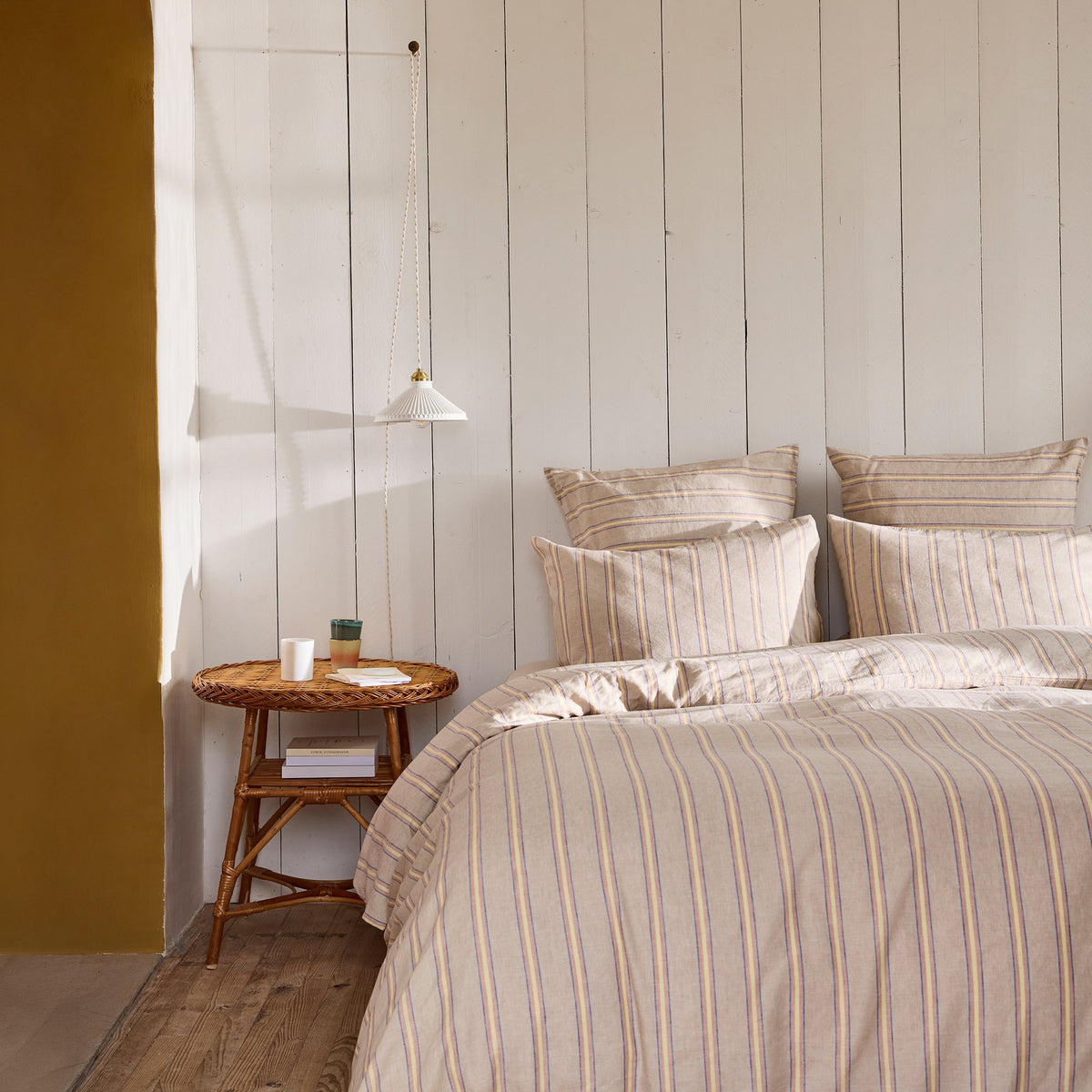
When temperatures change, our sleep quickly suffers. Poorly suited bed linen can make us sweat in summer or shiver in winter. To enjoy restful sleep all year round, it is essential to adapt the material of your sheets, duvet covers and pillowcases to the season. This article explains how to choose the most comfortable fabric depending on the period, based on technical criteria (weight, weaving), practical advice and the expertise of Madura. Natural fibers like cotton, linen or gauze, satin or flannel will no longer hold any secrets for you.

Each fabric has its own ability to regulate heat, absorb moisture and provide tactile feel. In summer, the objective is to promote the evacuation of heat and perspiration; in winter, you need to retain heat while maintaining a certain level of breathability. Choosing the right material also helps limit energy consumption: fresh sheets avoid having to turn on the air conditioning, while a cozy flannel allows you to turn down the heating without sacrificing comfort. Finally, well-chosen bed linen protects your skin and extends the life of your bedding.

During hot nights, choose light, breathable fabrics. Cotton percale is specially recommended for summer nights: this fabric woven with long, tight fibers (at least 80 threads/cm²) offers a soft feel and a matte, breathable appearance. It lets air circulate and wicks away moisture, which limits night sweating. Washed linen is another summer star: its hollow fiber naturally regulates temperature and absorbs moisture very well, providing freshness even after a scorching day. Cotton gauze, made from several layers of finely woven cotton, impresses with its lightness and high breathability. For sensitive skin, you can also opt for lyocell or bamboo viscose, which are very absorbent and silky.
When temperatures drop, the goal is to retain heat while maintaining some breathability. Cotton flannel, thanks to its loose weave and brushed surface, creates a fuzzy texture that retains heat while remaining breathable. It is ideal for cold nights and offers cocooning comfort. Cotton satin, whose cross weave gives shine and softness, retains more warmth than percale and becomes more and more pleasant to the touch with each wash. Jersey and thick cottons can also be chosen for winter: a high weight improves thermal insulation. Finally, for absolute luxury, silk and silk satin are thermoregulating: they keep you cool in summer and provide warmth in winter while being hypoallergenic.

Percale is distinguished by a tight weave and long fibers (at least 80 threads/cm²), providing a smooth and fresh fabric. Thanks to its good breathability and progressive softness, it is perfect for those who sweat at night or who like "crunchy" sheets. Percale absorbs moisture and creases slightly, but it is easy to maintain: washing at 40°C is enough, and it dries quickly. A flat percale sheet combined with a light bedspread allows you to sleep without a duvet on the hottest nights. People looking for a hotel-type feel can turn to this material, known for its impeccable hold and immediate freshness.
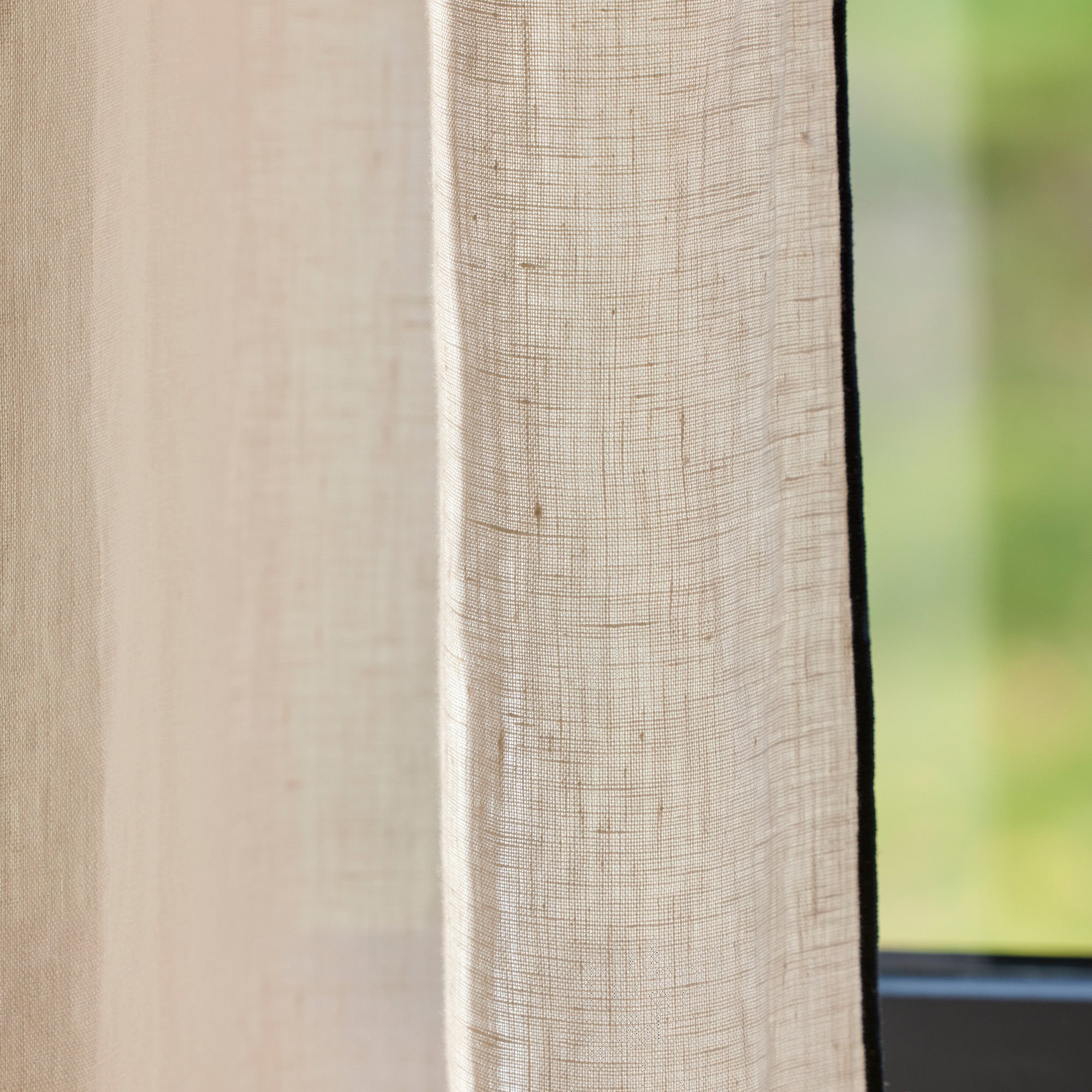
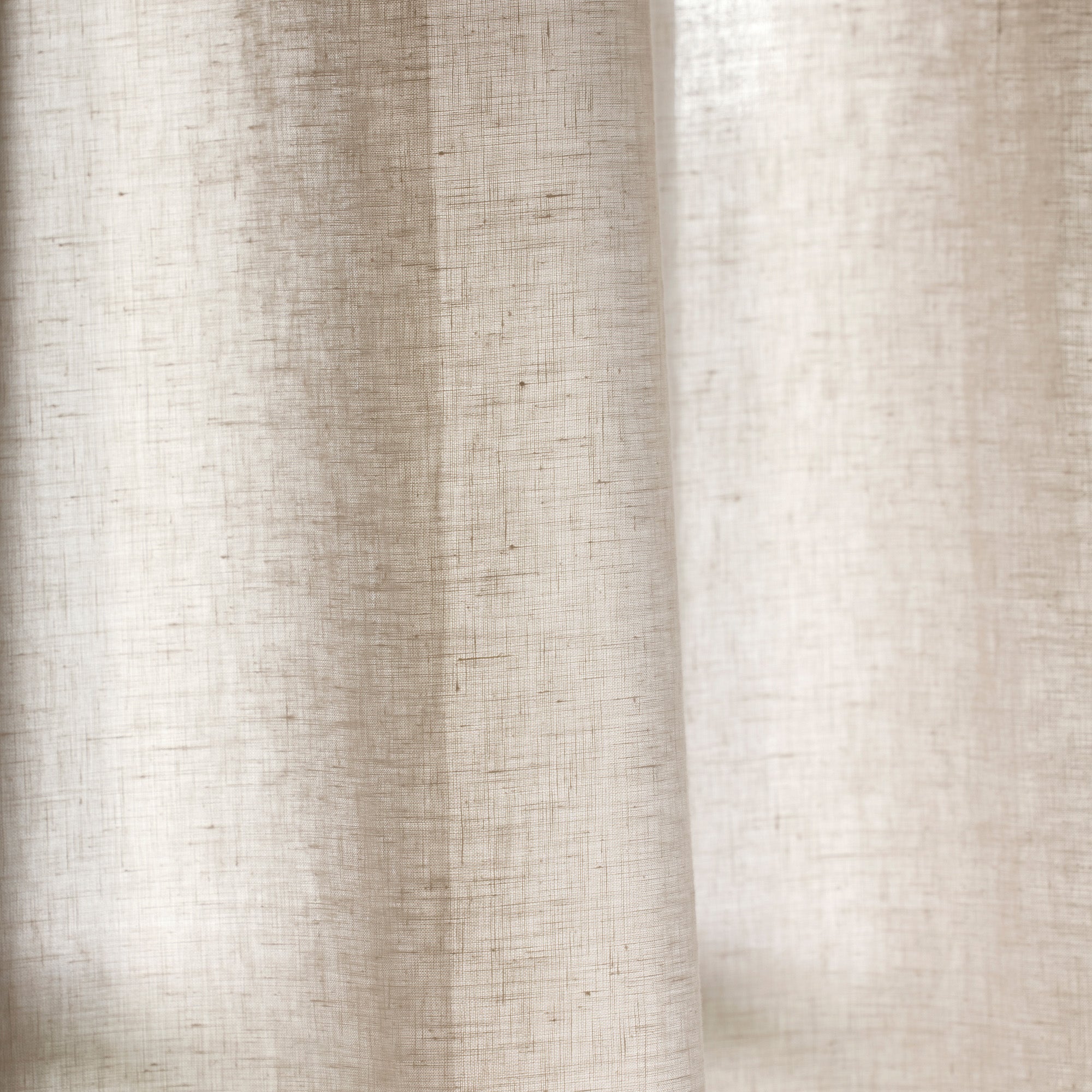
Linen is a natural fiber with thermoregulatory properties: it keeps heat in winter and remains very breathable in summer. Washed linen, softened by successive washes, absorbs moisture without sticking and softens over time. Its crinkled texture brings a bohemian chic touch, and it is sustainable and ecological because its cultivation requires little water and inputs. To take full advantage of its qualities, choose a weight of 160 to 180 g/m²: denser linen resists wear better and remains opaque. Wash it at 40°C and let it air dry to maintain its loft.
Cotton gauze, also called double gauze, is made up of several layers of fine cotton, which gives it great lightness and a soft touch. It is very breathable and particularly suitable for hot climates and sensitive skin. Its naturally wrinkled appearance avoids ironing and adds a relaxed look to the bedroom. Another option for summer is lyocell (or bamboo viscose), a fiber obtained from bamboo or wood pulp. This material is distinguished by its silky touch and its high absorption power. It is antibacterial and ideal for sensitive skin, while being environmentally friendly if the manufacturing process is certified.

Flannel is a soft, thick fabric obtained by loosely weaving and then scraping which creates a slightly fluffy surface. This structure traps air and retains heat while remaining breathable. It is particularly suitable for cold nights and provides an enveloping and cocooning sensation. For optimal insulation, choose cotton or wool flannel sheets and watch the density: the higher the weight, the warmer and more resistant the flannel will be. Flannel sheets are also suitable for mid-seasons, provided you air the room regularly.
Cotton satin is woven using a process where each weft thread passes under several warp threads, which gives the fabric a shiny appearance and silky feel. This weave retains heat more than percale, making it ideal for fall and winter. With a density of approximately 120 threads/cm², satin becomes softer with each wash and provides a luxurious feel. Silk is even softer: this natural thermo-regulating fiber maintains freshness in summer and provides warmth in winter, in addition to being hypoallergenic. It reduces friction on the skin and hair, making it a premium option for those seeking refined comfort.
Cotton jersey is a soft, stretchy knit, valued for its softness and ability to retain heat. Materials such as Egyptian cotton or heavy jersey are also recommended for winter: a high weight improves their insulation capacity while offering good breathability. Jersey sheets are easy to care for and do not require ironing, making them a practical option for children's or young adults' bedrooms.

To choose the right bed linen, it is not enough to know the fibers: you must also take an interest in the weight (weight of the fabric in g/m²) and the weave (number of threads). A high weight increases the opacity and resistance of the fabric. For linen, it is advisable to aim for a weight of 180 g/m² or more to ensure good hold over time. Linen that is too light (120 g/m²) wears out more quickly and becomes translucent. The number of threads (threads/cm²) influences softness and resistance: percale starts at 80 threads/cm², cotton satin around 120 threads/cm². The tight weave of the percale ensures good breathability while the satin weave of the satin offers a more enveloping sensation.

Measure your body heat and habits : if you sweat a lot, choose materials like percale, linen or cotton gauze in summer. If you are cold, opt for flannel or satin in winter. For couples with different needs, combine a satin duvet cover with a percale fitted sheet.
Adapt the duvet and diapers : in summer, a flat percale sheet or a light bedspread is sufficient. In winter, choose a thicker duvet (weight 300–500 g/m² for filling) and add a bedspread or quilt for extra warmth.
Superimpose materials : for more comfort, combine different fibers. For example, a percale fitted sheet for its freshness and washed linen pillowcases for their texture. In winter, add a wool or faux fur throw to add warmth and decoration.
Maintain regularly : follow the washing instructions; wash percale and linen sheets at 40°C or 60°C depending on color, and use a delicate program for cotton gauze or bamboo. Avoid harsh whitening products and prefer moderate or air drying.
Favor ethical materials : choose European linen, organic cotton or OEKO-TEX certified fibers. These materials respect the environment and are healthier for the skin.

Use synthetic fabrics in summer : fibers like polyester or microfiber retain heat and promote perspiration. Better a light percale than a thick satin when the temperature exceeds 25°C.
Neglecting weight in winter : a sheet that is too thin will not retain heat. Always check the weight of the fabric and choose a weight greater than 180 g/m² for linen and a dense weave for satin or flannel.
Forgetting to renew your bed linen : poorly maintained laundry loses its properties. Replace your sheets when they become rough, pilling or discolored. For linen, a weight that is too light relaxes quickly.
Underestimate the influence of colors : in summer, favor light and natural tones (white, beige, sky blue, sage green) which reflect the light and bring freshness. In winter, warmer shades like terracotta or burgundy accentuate the feeling of cocooning.

|
Material |
Ideal season |
Key Benefits |
Disadvantages/comments |
|
Cotton percale |
Summer, mid-season |
Tight and breathable weave, cool and smooth feeling. Easy to maintain, durable |
Creases, can seem a little “crunchy” at first |
|
Washed linen |
All seasons, especially summer |
Thermoregulator, absorbs humidity, ages well. Chic wrinkled look |
Higher price, rustic texture; requires a weight ≥ 180 g/m² to last |
|
Cotton gauze (double gauze) |
Summer |
Ultra light and breathable, airy softness. Easy care without ironing |
Less durable than other fabrics, requires gentle drying |
|
Lyocell / bamboo |
Summer |
Silky fabric, excellent absorbency, antibacterial |
Medium to high cost; favor ecological processes |
|
Cotton flannel |
Autumn and winter |
Brushed weave that retains heat while remaining breathable. Cocooning softness |
May pill in the long term; hotter and heavier, not recommended in summer |
|
Cotton/silk satin |
Winter, mid-season |
Silky and shiny touch, good heat preservation. Silk is hypoallergenic and thermoregulatory |
May slip and require delicate maintenance; high price |
|
Jersey/thick cotton |
Winter |
Soft, stretchy and easy to care for; retains heat |
Less elegant; some jerseys may stretch over time |

For more than fifty years, Madura has developed unique expertise in furnishing textiles and household linens. The brand popularized the concept of ready-to-hang in the 1970s and today offers a wide choice of carefully made curtains, net curtains, cushions, throws and bed linen. Madura favors noble and natural materials such as cotton, linen or velvet, and works with artisans from around the world to guarantee impeccable quality. Their bed linen is available in breathable percale for summer, soft flannel for winter and temperature-regulating washed linen for all seasons. The brand is also committed to the environment by selecting OEKO-TEX certified fabrics and promoting responsible production. Choosing Madura means combining comfort, durability and aesthetics without being tempted by aggressive promotional practices.

What material should you choose to sleep cool in summer?
The Cotton percale and washed linen are the champions of breathability. Their tight weave or hollow fiber allows air to circulate and absorb moisture, providing a feeling of freshness. You can also choose cotton gauze or lyocell for their lightness and softness.
Flannel or satin: what to choose for winter?
Flannel is ideal if you are looking for a cozy and warm sheet thanks to its brushed weave. Cotton sateen, on the other hand, offers silky softness and retains warmth, but is still more breathable than flannel and is suitable for people who are sensitive to touch.
Is linen also suitable for winter?
Yes. Linen has thermoregulatory properties which allow it to retain heat in winter while being breathable in summer. Combine a linen fitted sheet with a warm duvet to benefit from its comfort all year round.
How to maintain your bed linen depending on the material?
Wash percale, linen and satin at 40°C (up to 60°C for white) with a mild detergent and avoid bleaching. Flannel and jersey tolerate warmer cycles, but prefer moderate drying. Cotton gauze and lyocell must dry at low temperatures to preserve their loft. Always store your bed linen in a dry place away from light to prolong its lifespan.
What weight should I choose for linen and cotton?
For linen, a weight of around 180 g/m² ensures good durability and satisfactory opacity. Below 150 g/m², it will be more fluid but will wear out more quickly. For cotton, choose a light percale for summer and a denser flannel or satin for winter.
Should you change your duvet depending on the season?
Yes. In summer, a flat sheet is sufficient and the duvet can be stored away. In winter, choose a heavy weight duvet (300–500 g/m²) to maintain warmth and add a bedspread or throw for added comfort.
Also discover our other articles:
- How do I choose sheers for my living room?
- What types of blinds to choose (Venetian, roller, pleated, boat, etc.)?
- What bed linen material is the most comfortable (cotton, linen, satin, percale)?
Sommaire
Our last articles
Conseils et astuces •8 min
Correctly measuring your curtains is the first step to achieving a neat and harmonious result. This guide explains how to...
Conseils et astuces •8 min
Proper care for each material — linen, cotton, percale — helps preserve the softness, colors, and durability of your home...