





Conseils déco •7 min
Which rug for summer: natural fibers that stay cool underfoot
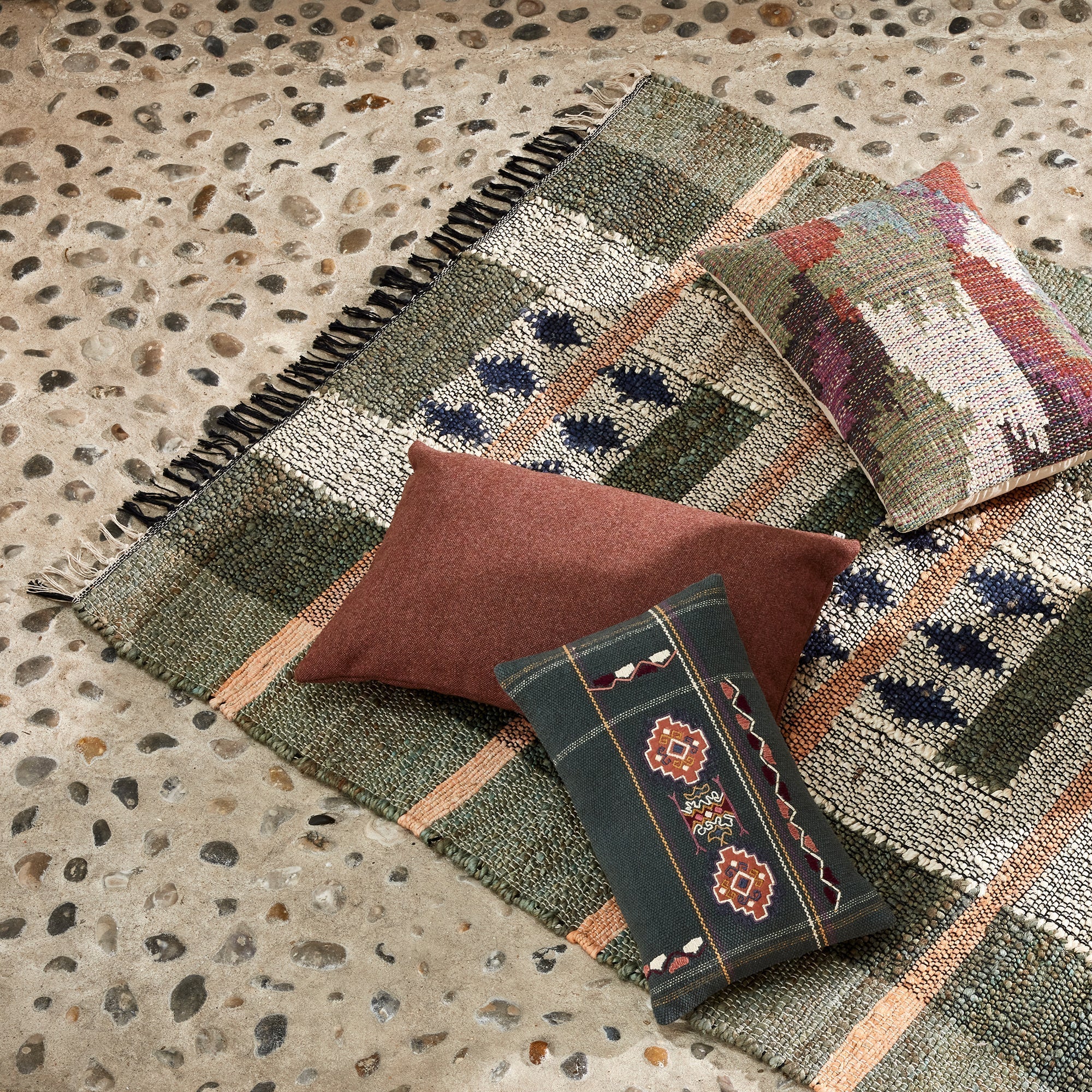
In summer, the choice of carpet directly influences the feeling of freshness and comfort on the floor. Seagrass, jute, cotton:...

Madura customer service
Available on WhatsApp, by chat or by phone at 01 42 34 99 59

All the tips and tricks from our team, just like in store, delivered straight to you.
All articlesMost searched articles

Conseils déco

The filling of a cushion determines its comfort, durability, and maintenance. Feathers and down offer softness and longevity, foam provides firmness and support, while polyester is the most accessible and easiest to maintain. The choice depends on its use (decorative or daily), budget, and sensitivity to allergens.
A well-filled cushion retains its shape for 3 to 5 years. A lower quality filling flattens in a few months and requires frequent replacement.

Feathers and down — Natural filling, very soft. Down (breast feathers) is lighter and fluffier than classic feathers. Lifespan: 5 to 8 years. Fill power measured in cuin (cubic inches): the higher the cuin, the fluffier and lighter the cushion. Disadvantage: can trigger allergies, requires regular shaking.
Polyurethane foam — Firm and structured filling. Retains its shape. Ideal for seat cushions (sofa, floor). Recommended density: 25 to 35 kg/m³ for good support. Lifespan: 3 to 5 years.
Polyester fibers (hollow siliconized) — The most common filling for decorative cushions. Lightweight, hypoallergenic, machine washable. Less durable (2 to 3 years), flattens over time. Hollow siliconized fibers offer better loft than standard polyester.
Feather-polyester blend — A compromise between softness and ease of maintenance. Common ratio: 70% feathers / 30% polyester. Good lifespan, balanced comfort.
For decorative cushions (sofa, bed), feather or feather-polyester blend filling offers the best drape and a generous appearance.
For floor or bench seat cushions, choose high-density foam (30-35 kg/m³) for durable support.
For allergy sufferers, polyester or foam are hypoallergenic. Feather fillings are available in anti-mite treated versions.

Madura offers cushions with different filling levels, adapted to each use. Cushion inserts are available separately, allowing you to choose the filling independently of the cover.

What filling for a sofa cushion?
A feather-polyester blend (70/30) offers the best compromise between softness, support, and ease of maintenance. For a generous look, oversize the insert by 5 cm compared to the cover.
Is feather filling allergenic?
Feathers can trigger reactions in people sensitive to dust mites. Opt for certified anti-mite treated fillings or choose hypoallergenic polyester.
How long does a cushion filling last?
Feathers and down: 5 to 8 years. Foam: 3 to 5 years. Polyester: 2 to 3 years. Shake your cushions regularly to maintain their loft.
Can a feather-filled cushion be machine washed?
Yes, at 30°C on a delicate cycle. Add tennis balls to the drum to prevent the feathers from clumping together. Tumble dry on low heat.
Sommaire
Our last articles
Conseils déco •7 min
In summer, the choice of carpet directly influences the feeling of freshness and comfort on the floor. Seagrass, jute, cotton:...
Conseils déco •9 min
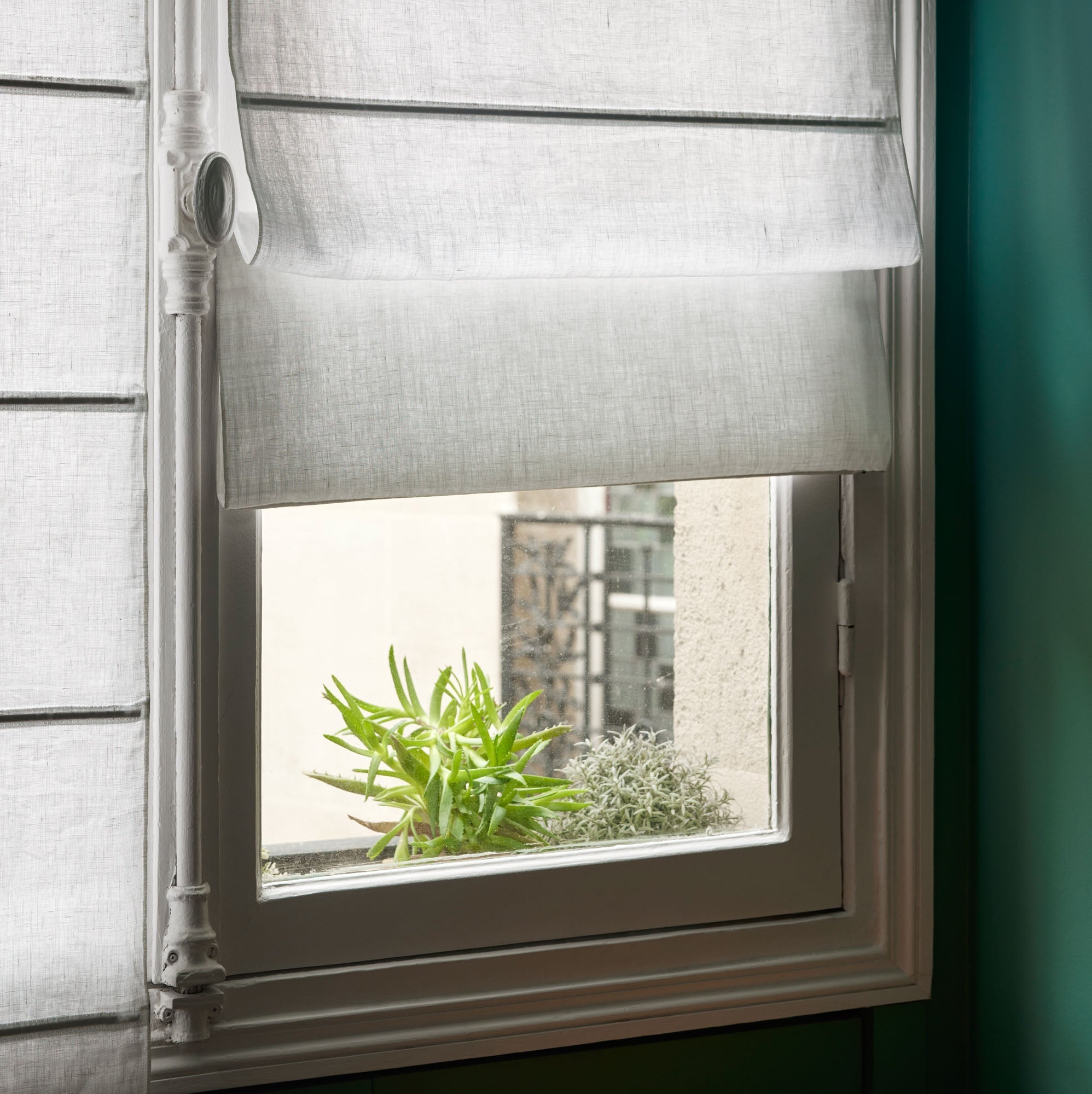
Roman blinds and roller blinds are two types of window coverings with very distinct mechanisms and aesthetics. This article will...