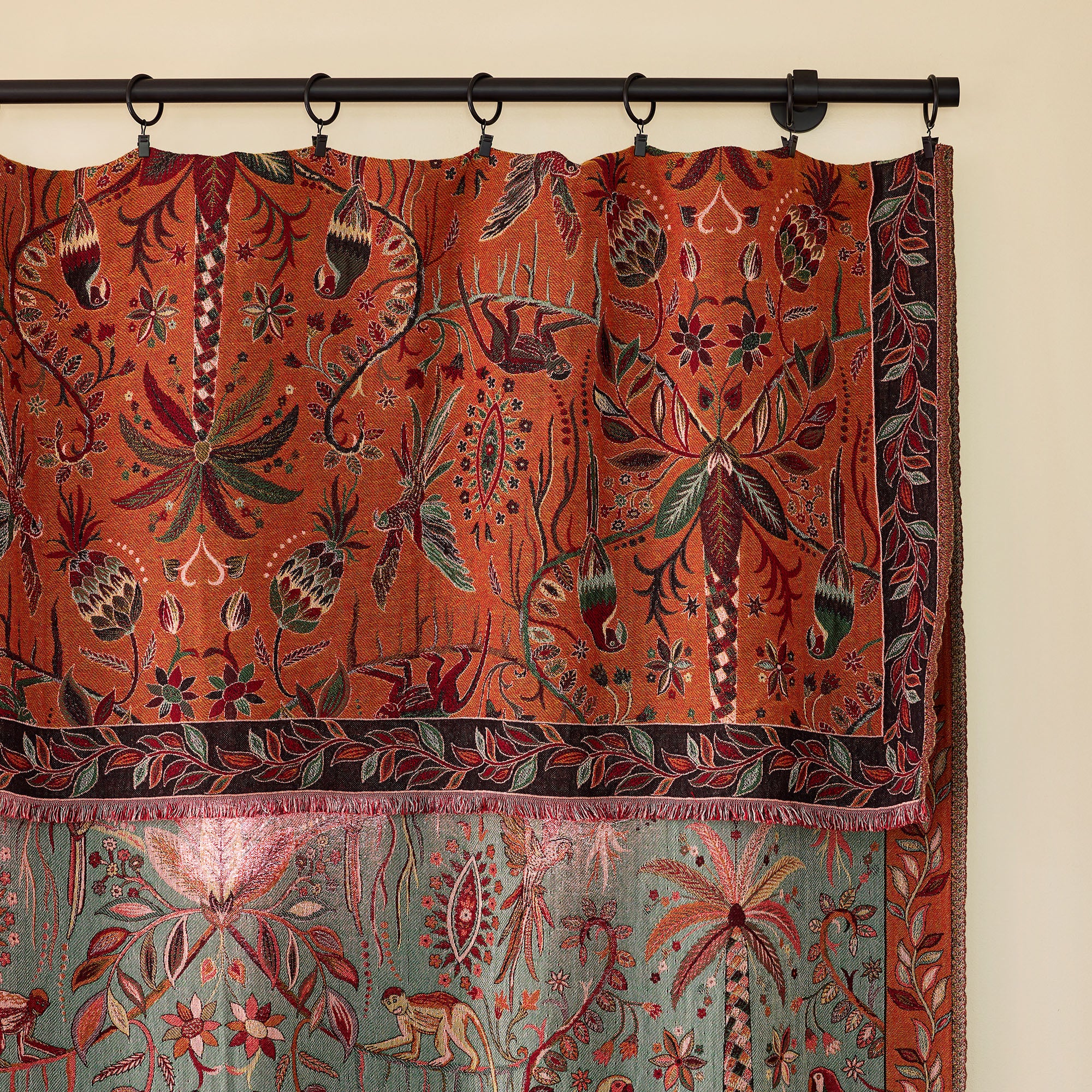



Conseils et astuces •8 min
How to properly measure for curtains?
Correctly measuring your curtains is the first step to achieving a neat and harmonious result. This guide explains how to...

Madura customer service
Available on WhatsApp, by chat or by phone at 01 42 34 99 59

All the tips and tricks from our team, just like in store, delivered straight to you.
All articlesMost searched articles
Conseils déco

A blanket is an essential companion during cold evenings. To enjoy a cozy winter, it is essential to choose the right material, the right size and the right style. Wool, cotton, fleece or faux fur throws each have advantages: some offer enveloping warmth, others are light and easy to maintain. This guide explains how to select a blanket adapted to your needs and your decoration in order to spend a winter that is as comfortable as it is elegant.

The material of the blanket determines its warmth, breathability, weight and maintenance. Here are the main fibers to know:
Wool: the natural cocoon
Wool is the most famous fiber for winter thanks to its thermoregulatory properties. Merino, lamb or curly wools are distinguished by ultra-fine and soft fibers which trap air and insulate very well. Wool stores heat when it's cold while allowing it to breathe when it's milder. It is a durable material: a well-maintained merino blanket can last ten years without losing its softness.
Flats : wool requires delicate maintenance (hand wash or wool program, gentle detergent) and its price is higher: count on €80 to €150 for a quality 140×180 cm throw.
Fleece: sweet practicality
Fleece is a synthetic fabric that offers an excellent warmth-to-weight ratio. Fleece throws are available in several weights: 200 g/m² for a light and compact extra throw, or 300 g/m² for a warmer model, ideal for poorly insulated houses or autumn terraces. Its strong points are its ease of maintenance (machine wash at 40°C, quick drying) and its affordable price.
Downsides: fleece breathes less than wool or cotton, which can lead to a feeling of suffocation in an overheated room. It is of petrochemical origin, and washing releases microplastics; preferably opt for models made from recycled PET bottles and use a washing bag to limit the environmental impact.
Cotton: breathable freshness
Cotton is valued for its versatility. Combed cotton throws are made from long fibers, guaranteeing softness and hold. The organic cotton versions are suitable for sensitive skin and limit the use of pesticides. With weights between 250 and 400 g/m², cotton offers soft warmth in winter and remains breathable in summer.
Downsides: cotton can relax after washing. To avoid the “rag” effect, choose tight braiding or a mixture with recycled fibers. In very cold regions, combine it with a warmer blanket.
Microfiber and faux fur: nomadic softness
Microfibers are extremely fine polyester or polyamide filaments (50 times thinner than a hair), offering a very soft “peach skin” feel. These throws are ultra light and compact, perfect for travel or small areas. They dry quickly and are affordable.
Faux fur is a long-haired, synthetic textile that mimics the look and feel of animal fur. It provides a luxurious and enveloping feeling. According to Plaid Addict, faux fur creates a warm and sophisticated atmosphere in a winter interior.
Downsides: microfibers and faux fur breathe less well and are made from synthetic fibers; every wash releases microplastics. Opt for models labeled “recycled” and wash them in a mesh bag to limit the impact.
For an environmentally friendly blanket, the Le Kaba website recommends favoring natural and sustainable fibers such as wool, linen, organic cotton or recycled materials. These textiles breathe, insulate well and degrade without polluting. It is also advisable to favor local and artisanal manufacturing to limit transport and support local know-how. Finally, an eco-friendly throw is chosen to last: opt for neutral shades, timeless patterns and quality weaving in order to keep the piece for many winters.

The size of the blanket depends on its use. According to Pop-line, a small format of 130×170 cm suitable for a cozy chair or armchair, while a format 150×200 cm or more is suitable for covering a bed or sofa. The highly sought-after XXL throws offer an enveloping and warm effect on a sofa or bed.
To cover your shoulders or legs during a reading evening, a blanket of approximately 110×160 cm is enough. For shared use or to completely cover a bed, opt for a format 200×220 cm. A versatile format of 150×185 cm suitable for most people and offers a good compromise between comfort and aesthetics.

The season's decorating trends favor natural materials and soothing shades. Pop-line describes four universes:
Scandinavian minimalism: neutral tones, soft textures and clean patterns.
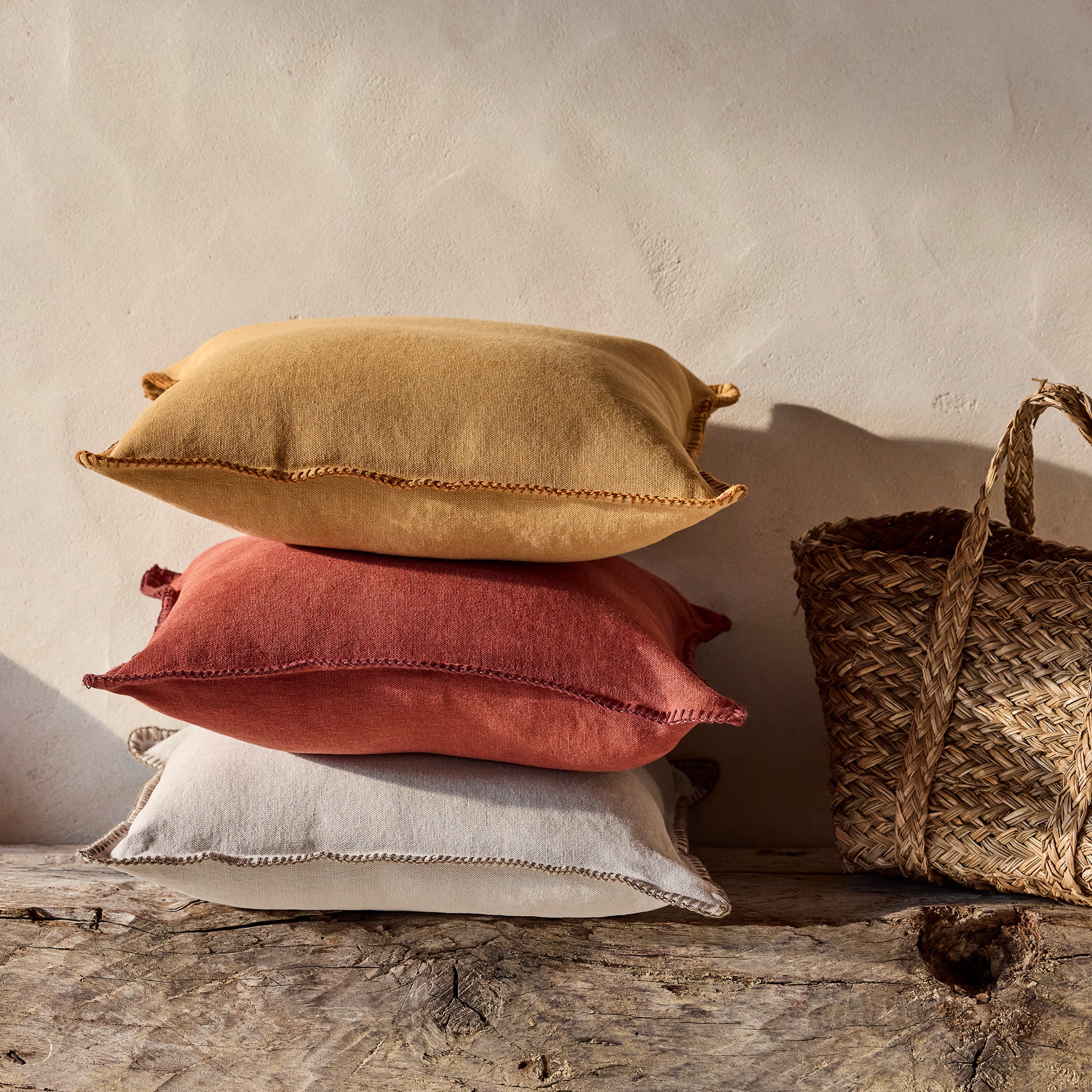
Natural atmosphere: linen or organic cotton throws in earthy tones like beige, terracotta or ocher.
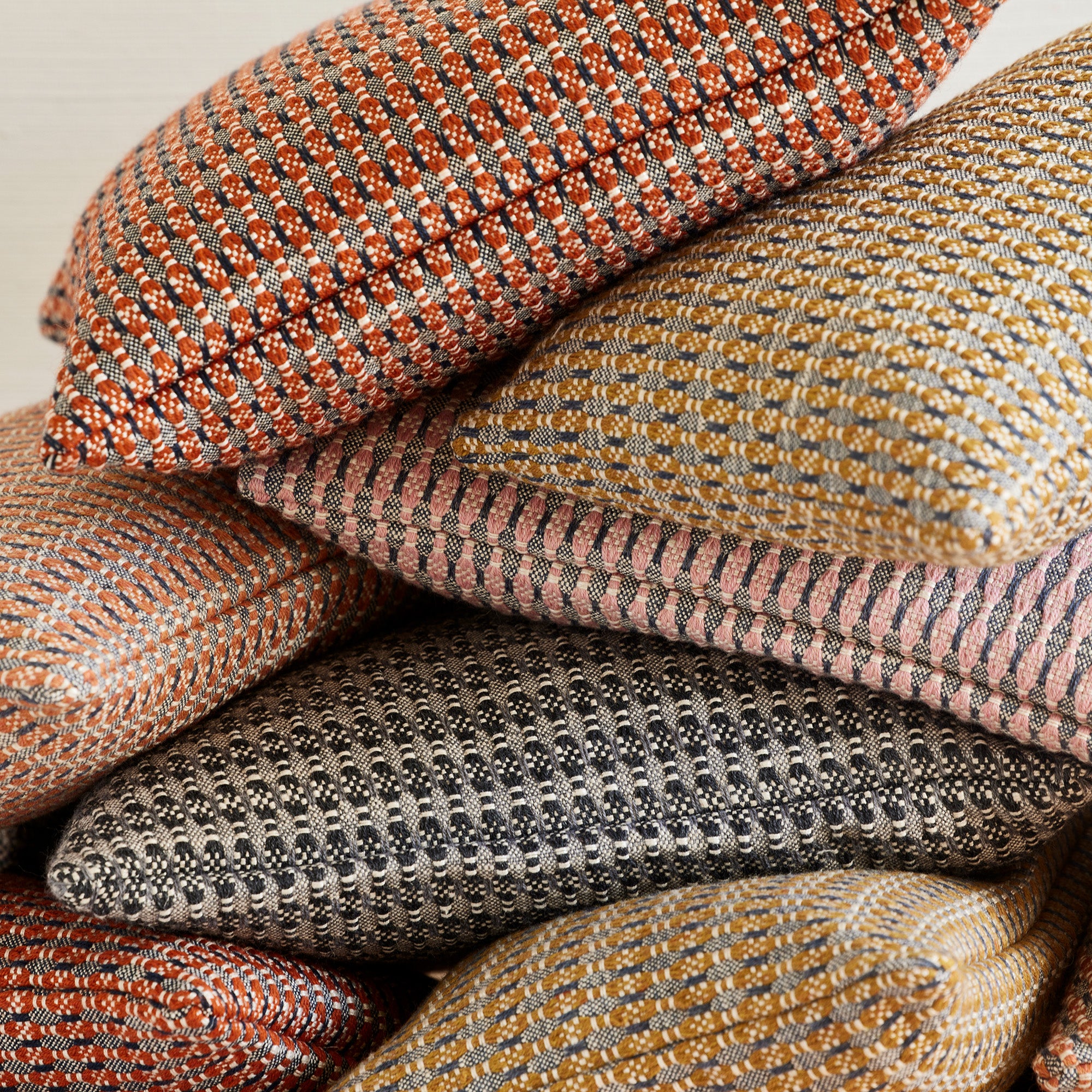
Bohemian chic style: ethnic patterns, fringes and braided materials for an artisanal touch.
Luxury & cozy: faux fur, corduroy and cashmere for an enveloping touch.
The trendy colors include natural beige, warm chocolate brown, sage green, midnight blue and powdery shades. Plaid Addict adds winter shades such as warm red, elegant gray, pine green and ivory for a refined atmosphere.
The braiding and finishing influence the appearance and durability of the blanket. The Halezia guide mentions several types:
XXL knitting: a chunky weave for an irresistible hygge look, but large curls can snag jewelry or cat claws.
Single crochet: dense and insulating, ideal for a blanket in thick cotton or twisted wool.
Jacquard: woven patterns (chevrons, stripes, Native American patterns) where the colored threads crisscross, offering good color retention when washed.
In addition to dimensions, it is necessary to consider the thickness or weight plaid. The fleece is available in 200 g/m² for a light blanket and 300 g/m² for a warmer blanket. Cotton generally ranges from 250 to 400 g/m² ; the higher the weight, the warmer and cozier the blanket. For a wool blanket, the tight knit and density improve insulation, while looped fibers trap more air.

To create a cocooning interior, Plaid Addict recommends using more soft materials, combining a blanket with velvet or faux fur cushions and playing with subdued lighting: scented candles, light garlands and thick rugs reinforce the atmosphere. The throw can be neatly folded on an armrest or placed casually on the back of the sofa; the important thing is that it invites you to snuggle up there.
Wool and cashmere: prefer hand washing or a wool program, at low temperature and with a mild detergent. Avoid tumble drying. Careful maintenance preserves the softness and shape of the blanket.
Fleece and cotton: these materials are easier to maintain; they can be machine washed (30 to 40°C) and gently dried. Fleece dries quickly and does not require ironing.
Microfiber and faux fur: wash them on a delicate program and let them air dry. Use a washing net to limit the release of microplastics.
Choose natural or recycled materials and check certifications (Oeko-Tex, Woolmark, etc.): they guarantee products free of harmful substances.
Choose throws made in France or Europe to reduce the carbon footprint and support local craftsmanship.
Invest in a durable and timeless throw to avoid making multiple purchases.
Choosing a blanket that is too small : a 130×170 cm blanket may be sufficient for an armchair, but will be insufficient for a bed or for two people. Prefer a size 150×200 cm or more for a sofa or bed.
Neglecting composition : a wool blend blanket may be less warm than a virgin wool blanket. Check the proportion of fibers and favor natural materials if you are looking for strong insulation.
Forget the use : a 300 g/m² fleece blanket is suitable for a cold house, while a light cotton blanket will be more suitable for mid-season. First determine the main use (living room, bed, exterior) before choosing.
Skip the interview : a faux fur or wool blanket requires special care. Failure to follow the care instructions may damage the blanket.
Sacrifice comfort for aesthetics : a very decorative blanket but rough or too fragile will stay in the closet. Prefer a compromise between beauty, softness and durability.
|
Material |
Heat |
Breathability |
Maintenance |
Sustainability |
Key notes |
|
Merino wool |
★★★★★ |
★★★★☆ |
★★☆☆☆ |
★★★★★ |
Thermoregulation, fine fibers, lifespan >10 years. High price and delicate maintenance. |
|
Fleece 300 g/m² |
★★★★☆ |
★★☆☆☆ |
★★★★★ |
★★★☆☆ |
Very warm and affordable, easy to maintain. Less breathable and average ecological impact. |
|
Organic cotton |
★★★☆☆ |
★★★☆☆ |
★★★★☆ |
★★★☆☆ |
Suitable for all seasons, breathable and easy to maintain. May relax in the wash. |
|
Microfiber / Faux fur |
★★☆☆☆ |
★☆☆☆☆ |
★★★★★ |
★★☆☆☆ |
Ultra soft and light, quick drying. Not very breathable and synthetic production, microplastics. |

Madura, created in 1971, is a pioneering French brand of “ready to install” textile decoration. Recognized for its know-how, the brand offers a wide range of curtains, sheers, cushions and throws.
Madura throws are designed with carefully selected fibers: merino wool, organic cotton or linen and faux fur blends. Faithful to its philosophy of authenticity and sustainability, Madura favors natural materials and careful finishes. The collections combine elegance and functionality: corduroy or faux fur throws for a cocooning effect, washed linen throws for a bohemian chic touch, XXL throws to wrap around a sofa and current shades (terracotta, ocher, midnight blue) which match perfectly with the interior decoration.
Choosing a Madura throw also means supporting a French brand that values quality, design and accessibility. In addition, Madura advisors support customers in choosing the material, size and style of throw suitable for their interior, while promoting responsible practices.
What is the warmest blanket for winter?
Merino wool or cashmere throws offer the best thermal insulation thanks to their fine fibers and their ability to retain air. For maximum warmth, choose a blanket made from tight or looped wool. The 300 g/m² fleece throws are also very warm and affordable.
What weight should you choose for a fleece blanket?
A weight of 200 g/m² is suitable for occasional or mid-season use, while 300 g/m² provides more warmth for harsh winters. Above 300 g/m², the blanket becomes heavier and more enveloping.
What size blanket to choose for a sofa?
For a two-seater sofa, a 150×200 cm blanket is enough to cover comfortably. For a three-seater sofa or for two people who want to wrap themselves together, opt for an XXL throw measuring 180×240 cm or 200×220 cm.
How to maintain a wool blanket?
Wash it by hand or in the machine at low temperature with a wool program. Use a special wool detergent, avoid aggressive spinning and leave to dry flat. Never put your wool blanket in the dryer to preserve its fibers.
Is a synthetic blanket ecological?
Synthetic throws (fleece, microfiber, faux fur) are generally made from petroleum and release microplastics when washed. Choose models made from recycled polyester and use a washing bag to limit this impact.
Can we use a blanket outside?
Yes, some throws are designed for picnics or evenings on the terrace. Prefer fleece or microfiber throws which dry quickly and are easy to transport. However, to prevent fleece from retaining moisture, be sure to use it on a dry surface and air it out after use.
Sommaire
Our last articles
Conseils et astuces •8 min
Correctly measuring your curtains is the first step to achieving a neat and harmonious result. This guide explains how to...
Conseils et astuces •8 min
Proper care for each material — linen, cotton, percale — helps preserve the softness, colors, and durability of your home...